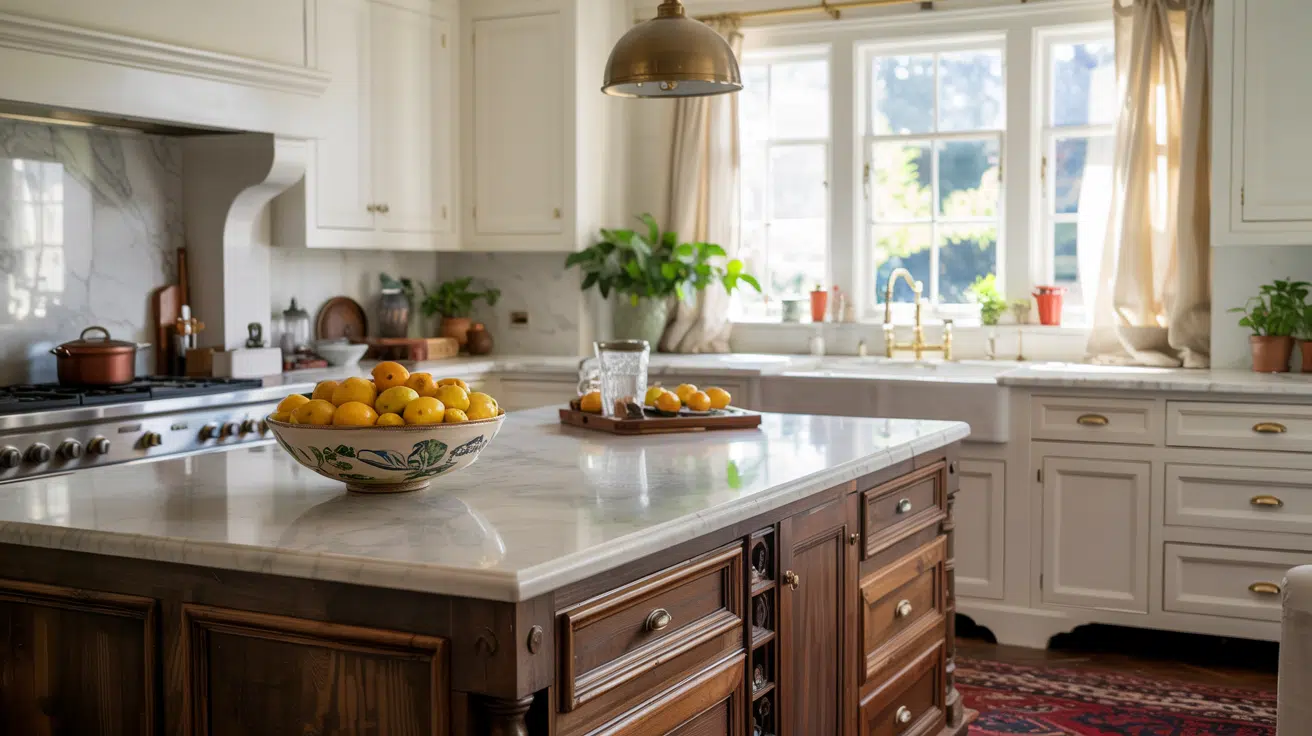
The Best Window Blinds to Refresh Your Space
The window blinds you choose can shape the atmosphere of a room. Whether you’re aiming to control light, enhance privacy, or simplify cleaning, there’s a blind for every need.
In this guide, let’s cover the different types of window blinds and make each one unique.
From easy-to-use roller blinds to energy-efficient cellular options, there are plenty of choices to suit your home’s needs.
Key Features of Window Blinds
Window blinds offer a variety of options to suit your home’s style, size, and energy-efficiency needs. Have a look at some of the features that make blinds a practical choice for any space:
- Insulating Properties: Certain types of blinds, like cellular or honeycomb blinds, offer insulating properties, helping to maintain temperature control in your home.
- Variety of Materials: Window blinds are available in materials like wood, fabric, vinyl, and more, offering different textures, durability, and styles to match your preferences.
- Customizable Sizes: Blinds can be tailored to fit any window size, ensuring a perfect fit for your space. This customization ensures no gaps and provides a clean, professional look.
- Customizable Colors: Blinds are available in a wide range of colors, giving you the flexibility to choose a shade that matches your home’s style.
- Variety of Operating Mechanisms: Window blinds come with various operating mechanisms, such as manual, motorized, or remote-controlled options, providing convenience and control over your window coverings.
Types of Window Blinds
Choosing the right type of window blinds is essential for both function and style. Each type offers distinct features to suit different needs, from light control to privacy.
1. Wood Blinds

Made from natural wood slats, wood blinds offer a smooth, classic finish that complements various home styles.
They come in various wood species and stain colors, allowing you to choose the right match for your decor. Slats are typically 2 inches wide, providing a timeless, clean look for any room.
2. Faux Wood Blinds

Faux wood blinds are designed with synthetic materials like PVC or composite wood, making them a more affordable and moisture-resistant option than real wood.
They’re ideal for humid areas, such as kitchens and bathrooms, and typically have thicker, heavier slats for added durability.
3. Metal Blinds

Metal blinds, usually made from aluminum, offer a sleek, lightweight solution for window coverage.
Their smooth, reflective surface adds a modern touch to any room, while the metallic finish helps resist wear and tear.
Available in metallic and neutral tones, metal blinds suit various designs.
4. Mini Blinds

Mini blinds feature narrower slats, usually around 1 inch wide, and are great for smaller windows.
Their lightweight construction makes them easy to handle, while the hook or wand tilt mechanisms allow for smooth light adjustment.
They’re a practical choice for compact spaces or smaller rooms.
5. Vertical Blinds

Vertical blinds use long panels that slide along a top track, making them perfect for large windows or patio doors.
These blinds can be made from a variety of materials, including fabric, PVC, or woven materials, and their vertical design is ideal for wide or sliding glass doors.
6. Roller Blinds

Roller blinds consist of a single piece of fabric that rolls up into a compact cassette when not in use.
They come in smooth and textured fabrics and can be made from materials offering light-filtering or opaque coverage, making them ideal for controlling sunlight and privacy.
7. Solar Shades

Solar shades are made of a specialized mesh fabric designed to reduce glare and block UV rays while preserving your view outside.
These shades come with varying openness factors, allowing you to control light and visibility while keeping the room cool and comfortable.
8. Venetian Blinds

Venetian blinds feature horizontal slats connected by cords, allowing you to tilt the slats to control light and visibility.
With slat widths ranging from 1 to 2 inches, they offer precise control over light levels and are a popular choice for both residential and office spaces.
9. Zebra Blinds

Zebra blinds feature alternating bands of sheer and solid fabric that can be adjusted to control the amount of light entering a room.
These versatile blinds allow you to shift the bands for varying levels of light, creating a layered look that’s perfect for daytime and nighttime.
10. Roman Blinds

Roman blinds are soft fabric panels that fold evenly when raised, creating a clean and elegant look.
They are typically mounted with an internal lift system for smooth operation, and the wide variety of fabrics available allows you to choose the perfect texture for your space.
11. Woven Blinds

Made from natural materials like bamboo or grasses, woven blinds add an earthy, textured feel to any room.
Their visible weave pattern and natural fibers make them ideal for creating a cozy, organic atmosphere.
They are often available in muted, earthy tones, blending well with rustic designs.
12. Cellular Blinds

Cellular blinds or honeycomb blinds feature a unique design that traps air between layers of fabric, providing insulation for your windows.
Available in single, double, or triple cell formats, they help maintain a consistent temperature indoors and offer soundproofing properties.
13. Illusion Blinds

Illusion blinds combine the features of Venetian and roller blinds, offering a unique look with alternating sheer and solid fabric layers.
They can be adjusted for privacy and light control, creating a sophisticated and flexible window treatment solution. Ideal for modern spaces, these blinds provide an elegant and functional design.
14. Cordless Blinds

Cordless blinds offer a clean, minimalist look by eliminating visible cords or chains.
They are operated by spring tension or magnetic locks, providing a safer, more streamlined option for homes with children and pets.
These blinds are especially popular in modern and contemporary designs.
15. Tie-Up Blinds

Tie-up shades are a hybrid between curtains and shades, made from fabric with ties that go beyond the bottom of the shade. To raise the shade, roll it up and tie it in place.
They offer a casual, cottage-style look that complements various decors, perfect for creating a relaxed, cozy atmosphere in any room.
16. Panel Track Blinds

Panel track blinds use wide panels that slide along a track system, making them perfect for large glass doors or expansive windows.
When not in use, the panels stack neatly to one side, offering an unobtrusive solution for covering large openings while allowing easy access to outdoor spaces.
17. Blackout Blinds

Blackout blinds are made from thick, light-blocking materials designed to completely block out sunlight.
These blinds, made of layered fabrics with side channels to block light gaps, are perfect for bedrooms, home theaters, or spaces needing complete darkness.
Ways to Clean and Care for Your Window Blinds
Before we get into the types of window blinds, here are some simple ways to clean and care for your blinds. Taking proper care will keep your blinds looking fresh and extend their lifespan.
- Regular Dusting: Dust your blinds regularly using a microfiber cloth or a duster to prevent dust buildup and keep them looking clean.
- Vacuuming with Brush Attachment: Use the vacuum’s brush attachment to gently remove dust and debris from the slats, especially for fabric or metal blinds.
- Spot Cleaning: For stains or spots, use a mild detergent and a damp cloth to clean the affected areas, avoiding harsh chemicals.
- Deep Cleaning with Soapy Water: For a thorough clean, remove the blinds and soak them in warm soapy water, gently scrubbing with a soft brush before rinsing and drying.
- Cord and Chain Care: Check the cords or chains regularly for any tangling or wear, and untangle them carefully to avoid damage.
Conclusion
Choosing the right types of window blinds can transform your space, offering benefits like light control, privacy, and energy efficiency.
With so many options available, it’s important to consider your room’s needs, your preferred style, and your budget before making a decision.
Whether you’re looking for sleek metal blinds or energy-efficient cellular options, there’s a perfect choice for every room in your home.
Take your time, consider your options, and pick the blinds that will best enhance both the function and look of your space.
Frequently Asked Questions
How frequently do I need to change window blinds?
Window blinds typically last for several years, but you may need to replace them if they become damaged or outdated.
Are window blinds energy-efficient?
Yes, certain blinds like cellular or honeycomb blinds provide insulation, helping to improve energy efficiency.
Can window blinds be customized?
Yes, window blinds are available in various sizes, materials, and colors to fit your needs and style preferences.
Can window blinds be repaired?
Yes, many window blinds can be repaired, such as replacing broken slats, fixing cords, or adjusting the mechanism.