The Future of Home Cleaning: How Smart Technology is Transforming Everyday Chores
The digital revolution has reshaped virtually every aspect of our daily lives, and household cleaning is no exception. Smart technology has woven itself into the fabric of our domestic routines, transforming mundane tasks into seamless, automated processes.
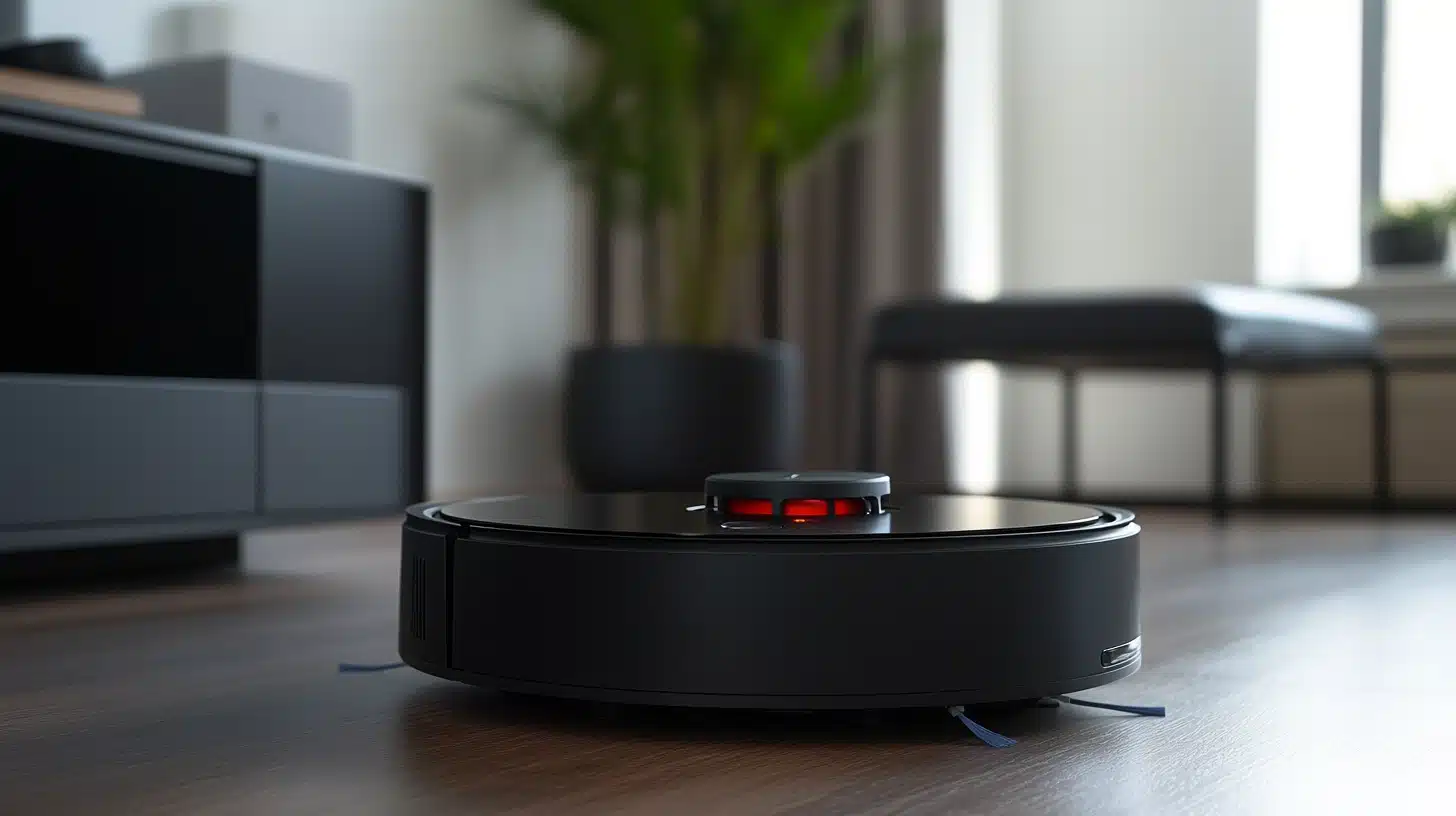
Whether it’s programming your washing machine to start while you sleep or watching a robot vacuum methodically navigate around furniture to tackle dust and debris, these innovations are redefining what it means to maintain a clean home. This shift goes far beyond simple convenience—it’s fundamentally changing our relationship with efficiency, creating healthier living environments, and giving us back something we all desperately need: time.
The Evolution of Home Cleaning: From Manual to Smart Solutions
The path from backbreaking scrubbing to automated cleaning tells the story of human ingenuity at its finest. For centuries, keeping a home clean meant nothing but pure physical labor—brooms that required constant sweeping, mops that left you with aching backs, and endless hours of what our grandparents called “elbow grease.”
The vacuum cleaner’s arrival in the early 1900s sparked the first real revolution in home cleaning, soon followed by dishwashers and washing machines that began liberating families from the most grueling household tasks.
Today’s smart cleaning breakthrough builds on these foundations, but the driving forces are distinctly modern: our increasingly packed schedules, heightened awareness of hygiene’s crucial role in health, and a growing recognition that cleaning solutions must work for everyone—including elderly family members and those with mobility challenges. Robotic devices mark a pivotal moment in this journey, showcasing how artificial intelligence can tackle repetitive work while we focus on what truly matters to us.
Core Features of Smart Cleaning Devices
What sets modern smart cleaning tools apart isn’t just their sleek designs—it’s their remarkable intelligence. These devices share several game-changing characteristics that would have seemed like science fiction just decades ago.
Automation and scheduling capabilities mean your home can be cleaned while you’re at the office or fast asleep. Advanced sensors and navigation technology allow these devices to map your space, dodge obstacles, and ensure every corner gets attention—all without you lifting a finger.
Perhaps most impressive is their integration with smart home ecosystems, creating a connected web of devices that work together harmoniously. Remote control via mobile apps puts the power in your pocket, letting you monitor progress, adjust settings, or start a cleaning cycle from anywhere.
These features work together to deliver something precious: genuine efficiency gains and user convenience that transform cleaning from a dreaded weekend task into something that simply happens in the background of your life.
Practical Benefits for Different Households
The beauty of smart cleaning technology lies in how it adapts to real life’s messy realities. Busy professionals can return home to spotless floors after twelve-hour workdays, while families with children or pets discover that keeping up with daily chaos becomes manageable rather than overwhelming.
For elderly or mobility-impaired individuals, these devices represent something even more valuable: independence. Take Maria, a 78-year-old retiree whose arthritis makes traditional cleaning painful and exhausting. Her smart cleaning system maintains her home’s pristine condition without requiring her to bend, stretch, or strain herself. Stories like Maria’s highlight how this technology creates genuine improvements in people’s daily lives.
The key lies in customization and adaptability—recognizing that a household with three dogs has vastly different needs than a minimalist apartment or a busy family home with young children.
Addressing Common Concerns and Misconceptions
Smart cleaning devices aren’t immune to skepticism, and honestly, some wariness is healthy. Questions about reliability, maintenance demands, and data privacy deserve serious consideration. However, research from consumer advocacy groups reveals that today’s quality devices prove remarkably dependable when given basic care—typically just regular emptying and occasional component cleaning.
Data privacy and security concerns are legitimate, but they’re manageable with proper network security practices and careful manufacturer selection. As for effectiveness, independent testing consistently demonstrates that well-designed smart devices match or surpass traditional cleaning methods while requiring a fraction of the time investment.
The gap between perception and reality often comes down to outdated assumptions based on early-generation products that couldn’t deliver on their promises.
How to Choose the Right Smart Cleaning Solution
Navigating the smart cleaning market requires a strategic approach rather than impulse buying. Start with the basics: home size and layout will determine how much battery life and navigation sophistication you actually need. Floor types and cleaning needs should guide decisions about suction power and brush configurations, while budget and feature preferences help narrow the overwhelming array of options.
Perhaps most crucially, invest time in researching credible reviews and verifying product claims through independent sources. Marketing materials paint rosy pictures, but verified user reviews and testing organizations provide the unvarnished truth about how these devices perform in real homes with real messes.
The Future of Smart Home Cleaning
The horizon holds even more exciting possibilities. AI-powered learning and adaptation will soon enable devices to study your household’s unique patterns, automatically adjusting cleaning schedules based on when you’re messiest or when certain rooms need extra attention. Enhanced integration with other smart home systems promises comprehensive home management ecosystems where your cleaning devices communicate seamlessly with security systems, HVAC controls, and lighting.
Environmental consciousness is also driving innovation, with sustainability and eco-friendly innovations leading to more energy-efficient devices and biodegradable cleaning solutions that don’t sacrifice effectiveness for environmental responsibility.
Summing Up the Smart Cleaning Revolution
Smart technology has accomplished something remarkable: it’s transformed home cleaning from a time-consuming burden into an efficiently managed, largely hands-off process. The transformation highlights the immense value of informed decision-making and remaining open to adapting to new solutions as these technologies continue evolving and becoming more accessible to average households.
Looking ahead, embracing smart cleaning tools offers something invaluable—healthier, more consistently maintained homes and the return of precious hours to our weeks. In our time-starved world, that might just be the most revolutionary transformation of all.