The Build Standard Behind Park Homes: BS 3632
Many people think about park homes and imagine a standard holiday lodge. There’s a big difference between a temporary summer getaway and a home meant for permanent residence.
In the UK, the BS 3632 standard acts as the benchmark for residential park homes. It covers everything from how much heat the walls can hold to how the roof handles heavy snow. If you’re moving to a park community, you’ll want to know how these homes will keep you warm.
Performance Levels for Year Round Comfort
The main goal of the BS 3632 standard is to ensure a home is suitable for permanent use throughout the seasons. This involves strict rules on insulation. Compared to older standards, the current update requires much thicker walls and better glazing.
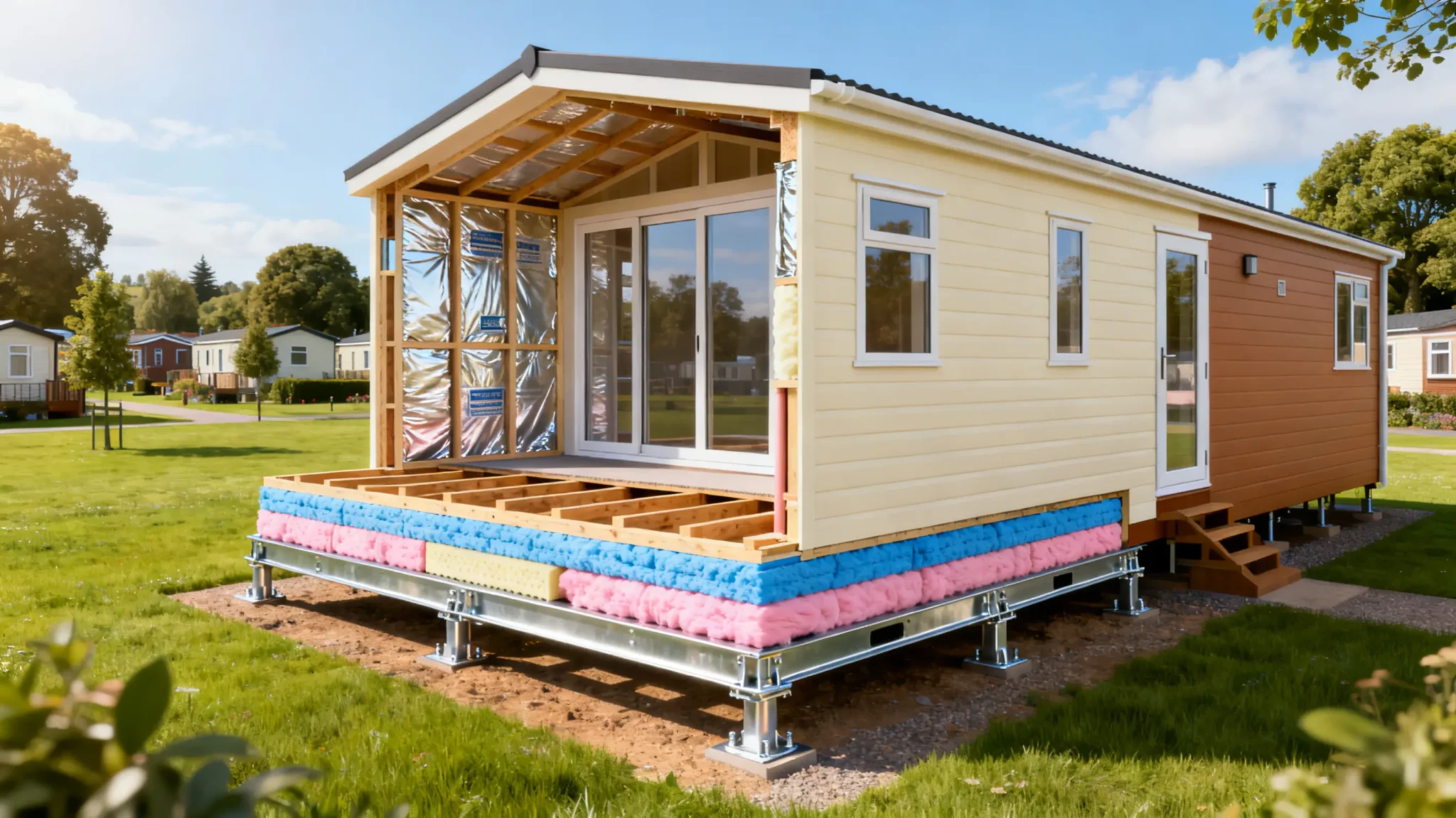
It’s common to see park home developers like Regency Living using these specifications to create environments that feel as solid as a traditional house. High-quality insulation in the floor, walls, and roof helps to trap heat during the winter while keeping the interior cool in the summer.
Instead of relying on thin panels, modern park homes use multi-layered structures. These layers include breathable membranes and thermal foil. These materials work together to lower your energy bills. You’ll find that heating a park home built to this standard is often cheaper than heating a typical older brick cottage.
This efficiency is a result of low U-values, which measure how quickly heat escapes through the building’s exterior. Choosing a home built to these standards ensures your energy bills remain low while being perfectly comfortable at home.
How Ventilation Protects the Structure
While keeping heat in is important, a home that’s too airtight will suffer from moisture build-up. BS 3632 mandates specific ventilation requirements to prevent damp and mould. This includes trickle vents in the windows and powerful extractor fans in the kitchen and bathrooms.
These features ensure that fresh air circulates constantly. It’s a technical balance that protects the wooden frame of the home from rotting over time. Builders must follow these rules strictly to pass the final inspection.
You’ll notice that modern homes have clear paths for air to travel through the attic space too. This prevents condensation from forming on the underside of the roof. If moisture gets trapped, it will weaken the structural integrity of the home.
By following these rules, builders make sure the property remains safe and dry for decades. It’s worth pointing out that these ventilation systems run quietly so they won’t disturb your daily life. This careful management of airflow is what separates a residential property from a basic caravan.
Safety Standards for the Chassis and Floor
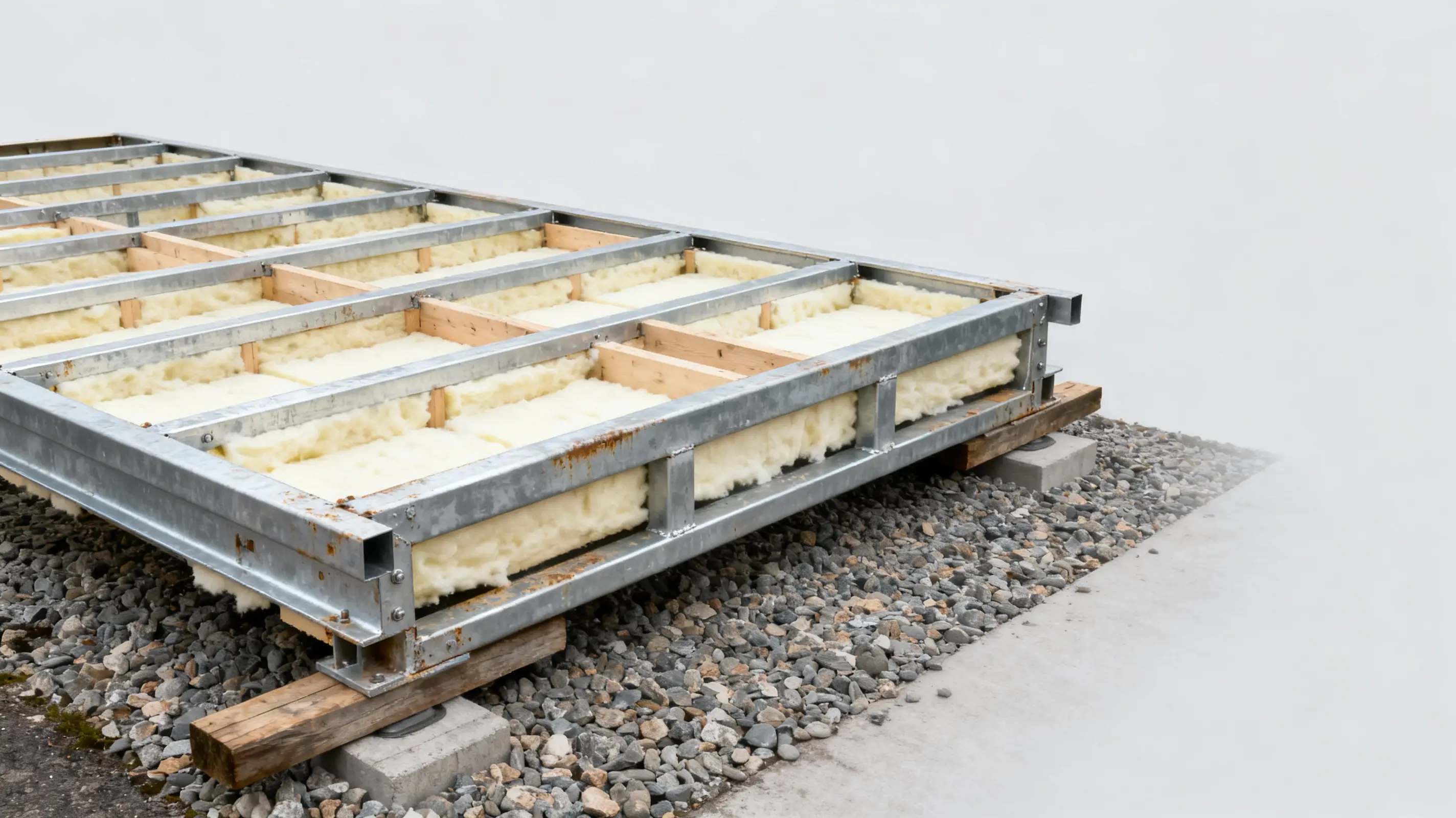
The foundation of a park home is its steel chassis. BS 3632 sets out exactly how much weight this frame must support. This includes the weight of the furniture, the people inside, and even the pressure from high winds. Engineers calculate the load-bearing capacity to ensure the floor doesn’t flex or creak when you walk across it. They also treat the steel to protect it against corrosion, which is vital if the park is near the coast.
The floor itself must have a high level of thermal resistance. This usually involves thick layers of glass wool or rigid foam board tucked between the joists. This prevents cold air from the ground from cooling down your living room.
Towards the edges of the home, the joints between the floor and the walls are sealed tightly to stop draughts. These details might be hidden from view, but they are what make a park home feel like a permanent residence. It’s about providing a solid foundation for your daily life.
Soundproofing for Better Privacy
Privacy is a big concern for people moving into park communities. BS 3632 addresses this by setting minimum requirements for sound insulation. The walls must be thick enough to block out external noises like cars or wind.
This is achieved by using different densities of materials in the wall construction. You’ll find that acoustic plasterboard and specialised insulation can significantly reduce the decibel level inside. This creates a peaceful environment for the owners.
When you’re inside a home built to this standard, you’ll hear very little from the outside world. The windows are fitted with double-glazed units that have a specific gap between the panes to trap sound waves. This is a standard that focuses on the quality of life as much as it does on the physical strength of the building.
Final Considerations
Looking at the build standard is the most important step when picking a park home. BS 3632 ensures that the property meets high expectations for safety, warmth, and quietness. By looking for homes that meet these technical requirements, you ensure a high standard of living.
These rules ensure you can enjoy a comfortable lifestyle for many years to come while keeping your running costs low. It’s a standard that offers peace of mind for anyone moving into the park home sector.