The Benefits of Houseplants: How Greenery Improves Your Home and Well-Being
Houseplants have become far more than decorative accents. From small apartments to large homes, people are embracing indoor plants for the many physical, mental, and emotional benefits they provide.
Research and everyday experience alike show that living with plants can improve air quality, reduce stress, boost productivity, and even support emotional well-being.
Whether you are an experienced plant parent or just starting out, houseplants can play a powerful role in creating a healthier, happier living space.
Houseplants and Mental Health
One of the most meaningful benefits of houseplants is their positive effect on mental health. Studies have shown that interacting with plants can reduce anxiety, lower stress levels, and promote a sense of calm. Caring for plants introduces routine and mindfulness into daily life, which can be grounding during periods of emotional difficulty.
For individuals struggling with low mood or chronic stress, the best houseplants for depression are often those that are easy to care for and visually soothing.
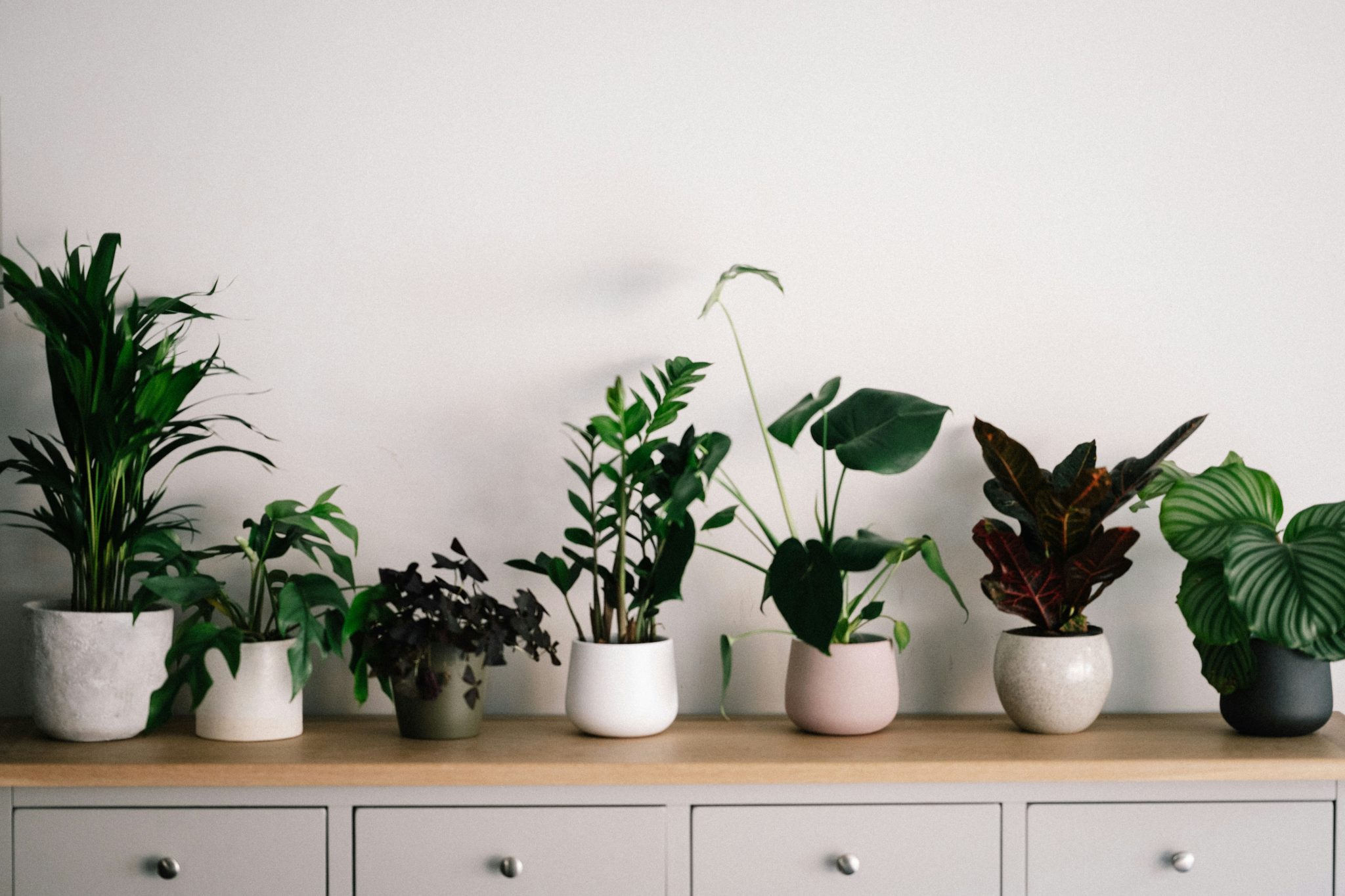
Plants like snake plants, pothos, peace lilies, and philodendrons are popular choices because they thrive with minimal effort and create a steady presence of greenery.
Simply being around plants can help reduce cortisol levels and create a more restorative environment, especially in homes where natural outdoor access is limited.
In addition, nurturing a living thing can foster a sense of purpose and accomplishment. Watching a plant grow, produce new leaves, or recover after proper care can provide small but meaningful emotional rewards that contribute to improved mental well-being over time.
Improved Air Quality and Physical Health
Houseplants are often praised for their ability to improve indoor air quality. While they are not a replacement for proper ventilation, many plants can help reduce airborne pollutants and increase humidity. This can be particularly beneficial in dry indoor environments, where low humidity may lead to irritated skin, dry eyes, or respiratory discomfort.
Plants release moisture vapor through a process called transpiration, which helps regulate humidity levels. This can reduce symptoms associated with dry air, such as sore throats and sinus irritation. Certain plants are also known for filtering common indoor toxins, making the air feel fresher and cleaner.
Better air quality can lead to improved sleep, fewer headaches, and a greater sense of overall comfort at home. Even a few well-placed plants can make a noticeable difference in how a room feels physically.
Increased Productivity and Focus
Houseplants are not only beneficial for relaxation; they can also enhance focus and productivity. Research has shown that greenery in workspaces can improve concentration, creativity, and cognitive performance.
This is especially relevant in home offices, where maintaining motivation and mental clarity can be challenging.
Plants help soften harsh indoor environments filled with screens, artificial lighting, and neutral colors.
The presence of natural elements creates a more balanced and visually engaging space, which can reduce mental fatigue. Employees and students alike often report feeling more energized and focused when plants are part of their environment.
Adding a plant to a desk or nearby shelf is a simple way to introduce a sense of vitality and calm into a work area without causing distraction.
Emotional Comfort and Stress Reduction
Houseplants can have a profound emotional impact, especially during times of uncertainty or isolation.
Greenery brings life into a space and can make a home feel warmer and more inviting. This emotional comfort is one reason plants became especially popular during periods when people spent more time indoors.
The act of watering, pruning, and caring for plants can serve as a form of gentle self-care. These small rituals encourage slowing down and being present, which can ease feelings of overwhelm. Many people find that tending to plants becomes a calming habit that helps them decompress after a stressful day.
Plants can also evoke a sense of connection to nature, which is deeply rooted in human psychology. Even minimal exposure to natural elements has been shown to reduce stress and improve mood.
Aesthetic and Design Benefits
Beyond health benefits, houseplants dramatically enhance interior design. They add texture, color, and dimension to a space, making rooms feel more alive and intentional. Plants can soften sharp architectural lines, fill empty corners, and tie together different design elements.
From trailing vines to tall statement plants, greenery can be adapted to any style, whether modern, minimalist, or eclectic. Houseplants also evolve over time, which keeps a space feeling dynamic rather than static.
Unlike many decorative items, plants offer beauty that changes and grows, creating a sense of movement and progression within the home.
Supporting Healthy Habits and Routine
Caring for houseplants can help reinforce healthy daily routines. Regular watering schedules, light adjustments, and seasonal care create structure, which can be especially helpful for people who struggle with consistency or motivation.
This routine can spill over into other areas of life, encouraging mindfulness, responsibility, and patience. Over time, plant care can become a grounding habit that supports emotional resilience and balance.
Conclusion
Houseplants offer far more than aesthetic appeal. They support mental health, improve air quality, enhance productivity, and provide emotional comfort.
Whether you are seeking a calmer home, better focus, or gentle support for emotional well-being, plants are a simple and accessible solution. By welcoming greenery indoors, you create a space that nurtures both body and mind—one leaf at a time.