
Thatched Roof Cottage: What It Is and How It Works
Thatched roof cottages have been around for thousands of years, and they’re still standing for good reason. There’s something about them that feels timeless, but they’re far more than a pretty picture.
These structures are built around a roofing system that uses natural materials to manage water, regulate temperature, and protect the home inside. Understanding how they actually work changes everything.
This blog breaks down the materials, the mechanics, the real costs, and the maintenance realities, so you walk away with a clear, grounded picture of what these cottages are truly about.
What Is a Thatched Roof Cottage?
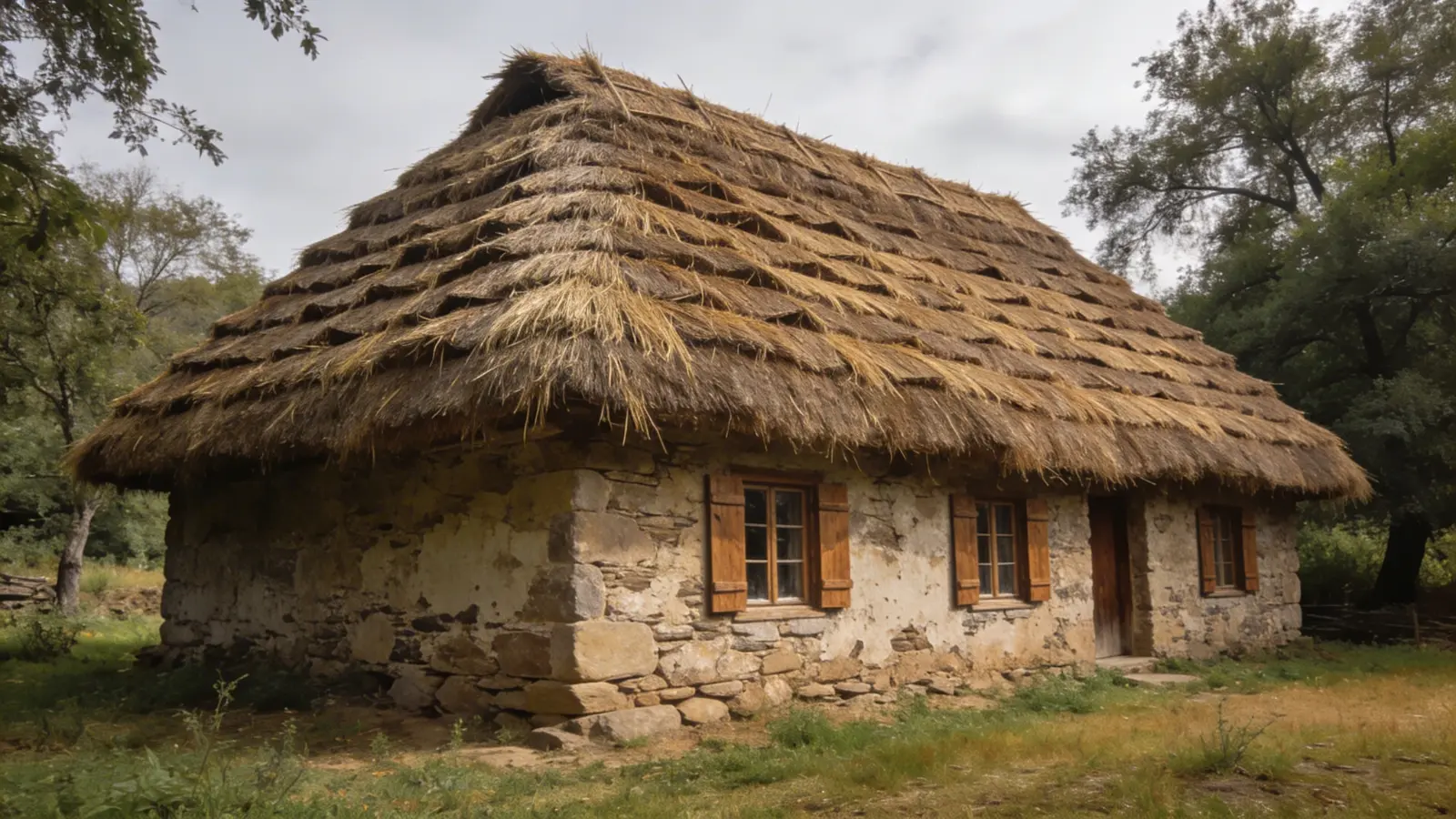
A thatched roof cottage is a home where the roof is built from layers of dry natural vegetation, typically straw, water reed, or similar plant material. It’s not a decorative finish.
It’s a fully functional roofing system designed to protect the structure beneath from rain, wind, and temperature changes.
The roof typically features:
- A steep pitch to help water run off quickly
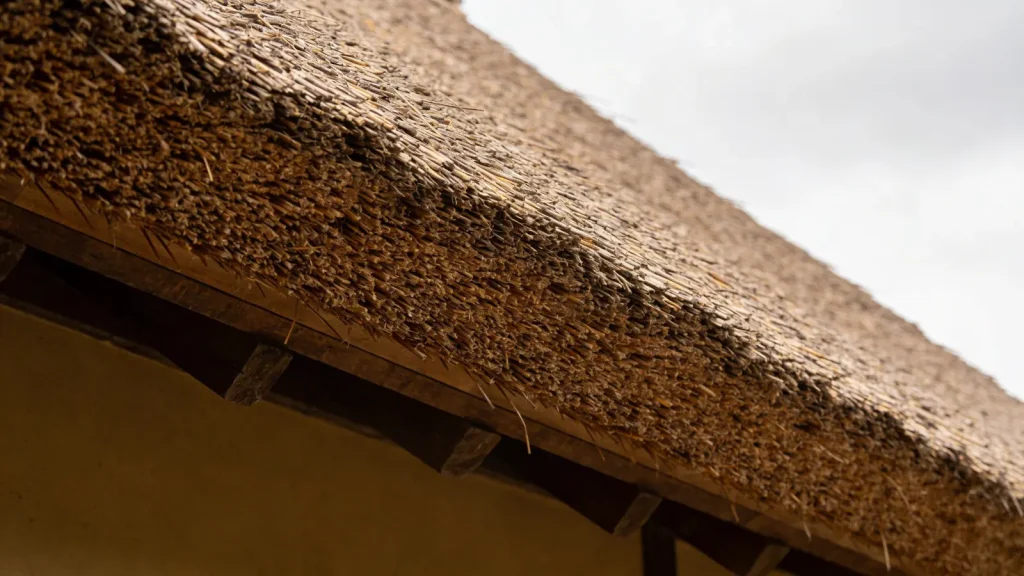
- A thick layer of tightly packed natural material
- Deep overhangs that push water away from the walls
The steep angle and density of the material are what make it work, not just what make it look good.
How Thatching Works
The core job of any roof is to keep water out. Thatching achieves this through layering and angle, not through a single solid surface.
Here’s the mechanism:
- Vegetation is laid in dense, overlapping layers.
- Each layer is angled downward, so water moves toward the edge.
- The thickness of the build-up prevents moisture from reaching the inner layers.
- Air pockets trapped inside the layers act as a buffer.
Water hits the outer surface and runs off before it can soak through. The inner layers stay dry because the outer ones do their job first.
Where it fails:
- A roof pitch that’s too flat slows water movement.
- Thin or worn-out layers lose their ability to shed water.
- Poor installation breaks the layering pattern that makes it effective.
When those conditions are met, leaks happen. But that’s a maintenance failure, not a design flaw.
Materials Used in Thatched Roofs

The material used doesn’t just affect how a thatched roof looks. It directly determines how long it lasts and how much upkeep it needs.
The most widely used materials include:
- Water reed: the most durable option, commonly used across Europe
- Long straw: traditional in England, more textured in appearance
- Combed wheat reed: a processed straw with a cleaner finish
- Sedge and rushes: used in specific regions and often for ridges
- Heather: traditional in Scotland and parts of Northern Europe
- Palm leaves: common in tropical regions across Asia and Africa
Material choice is largely shaped by what’s locally available and what the local craft tradition uses.
Why Thatched Roof Cottages Exist
Thatched roofs didn’t develop because they looked charming. They developed because the materials were free, local, and abundant.
In rural regions across the UK, Ireland, and much of Europe, crops like wheat and rye left behind large quantities of straw after harvest. Using that straw to roof a home was a practical, low-cost solution.
The craft was passed down through generations, with regional techniques developing based on available materials and local climate needs.
Why they’re still around today:
Modern roofing materials eventually replaced thatch in most new construction. Cheaper, faster, and easier to install, slate, tile, and metal took over.
But thatched cottages survived for two reasons. Many are listed heritage buildings where the original materials must be preserved. Others are maintained by owners who value the thermal performance and aesthetic that modern roofing simply can’t replicate.
How Thatched Roof Cottages Perform in Real Life
A thatched roof does more than look traditional; it functions as a complete weather and temperature management system. Here’s how it holds up across the conditions that matter most.
Thermal Insulation Mechanism
The air pockets trapped between layers of thatch act as natural insulation. Heat moves slowly through still air, so those pockets slow the transfer of temperature in both directions.
In winter, warmth stays inside. In summer, the heat from outside takes longer to penetrate. This makes thatched cottages naturally energy-efficient without added insulation materials.
Weather Resistance
A well-maintained thatched roof handles rain effectively. The layering system and steep pitch work together to move water off the surface before it can sit or soak in.
Wind resistance depends on how well the thatch is bound and how the underlying structure is built. A properly installed roof performs well in most conditions.
Structural Impact
Thatch is heavier than many people expect. A thick roof adds real weight to the structure. But because the load spreads evenly across the frame, it’s manageable — as long as the underlying timber or frame is strong enough to support it.
Lifespan and Maintenance Requirements
Lifespan varies by material:
- Long straw: 15–25 years
- Combed wheat reed: 25–35 years
- Water reed: 40–60 years
These aren’t guaranteed timelines. They assume proper upkeep throughout.
What maintenance involves:
The ridge, the top section of the roof, wears out faster than the main surface. It typically needs to be replaced every 10–15 years, even when the rest of the roof is in good condition.
The main surface is inspected periodically for thinning, damage, or pest activity. Spot repairs address small issues before they spread.
Full re-thatching is eventually required when the material has degraded beyond the point of effective repair.
Cost Structure of Thatched Roof Cottages
Thatch is not cheap, despite the fact that the materials come from nature.
The real cost drivers:
- Skilled labour: Thatching is a specialist trade. There are relatively few qualified thatchers, and their time is priced accordingly.
- Material type: Water reed costs more than straw, but lasts significantly longer.
- Roof size and complexity: Larger roofs and more complex shapes require more time and material.
A full re-thatching in the US can cost anywhere from $25,000 to $40,000 or more, depending on roof size, material choice, and regional labour rates. Ridge replacement alone typically runs between $3,000 and $8,000 every 10 to 15 years.
Safety and Legal Considerations
Owning a thatched roof cottage comes with specific fire risks and legal obligations that every owner needs to understand upfront.
Fire Risk
Dry vegetation is flammable. That’s a straightforward fact. The most common ignition sources for thatched roofs are chimney sparks and embers from nearby fires.
A spark that lands on a dry, ageing roof surface can catch quickly, and thatch fires spread fast once they start.
How risk is managed:
- Fire retardant treatments applied to the thatch surface
- Chimney design that reduces spark ejection
- Adequate spacing between properties
- Smoke and heat detectors are installed in the roof space
None of these eliminates risk entirely, but they significantly reduce it.
Legal and Insurance Requirements
Regulations vary by country and local authority. In the UK, thatched properties in conservation areas or with listed status are subject to strict rules on the materials and methods that can be used.
Insurance for thatched properties is typically more expensive and comes with specific conditions, such as chimney lining requirements or mandatory fire suppression systems.
Thatch is not banned in most regions. But it is regulated, and those regulations need to be understood before any work is carried out.
Common Misconceptions About Thatched Roof Cottages
1. “They’re outdated and impractical”
Truth: Modern thatching techniques and materials make these roofs fully viable today. They’re used in new builds as well as heritage properties.
2. “They leak easily”
Truth: A properly installed and maintained thatched roof does not leak. Leaks are a symptom of neglect or poor workmanship, not an inherent flaw.
3. “They’re always a fire hazard”
Truth: Fire risk exists, but it’s manageable. Thousands of thatched homes are lived in safely across the UK and Europe every day.
4. “They’re cheap because the materials are natural”
Truth: Labour is the primary cost. Skilled thatchers are specialists, and their work is priced to reflect that.
Quick Summary: What Defines a Thatched Roof Cottage
- A natural roofing system built from layered vegetation.
- Works through density, angle, and gravity-driven water runoff.
- Delivers strong thermal insulation through trapped air pockets.
- Requires consistent maintenance to reach full lifespan potential.
- Carries higher costs due to specialist labour and material quality.
- Fire risk is real but manageable with proper design and treatment.
Conclusion
A thatched roof cottage is a functional roofing system built on centuries of practical knowledge. It insulates naturally, sheds water effectively, and lasts decades when properly cared for.
The costs are real, and so is the maintenance commitment, but both are manageable with the right approach. Understanding how thatch works makes it far less intimidating than it first appears.
Want to learn more about traditional and modern roofing styles, cottage living, or home maintenance? Explore our other guides for deeper insights into everything home-related.
Frequently Asked Questions
How Long Does a Thatched Roof Last?
It depends on the material and how well it’s maintained. Water reed can last 40–60 years. A long straw typically lasts 15–25 years. The ridge needs replacing more frequently, around every 10–15 years.
What Are the Main Disadvantages?
The three main ones are cost, maintenance demand, and fire risk. None of these is a dealbreaker, but all three require active management.
Are They Legal Everywhere?
Not everywhere, and not without conditions. Local building codes, heritage designations, and conservation area rules all affect what’s permitted. Always check with the relevant local authority.


