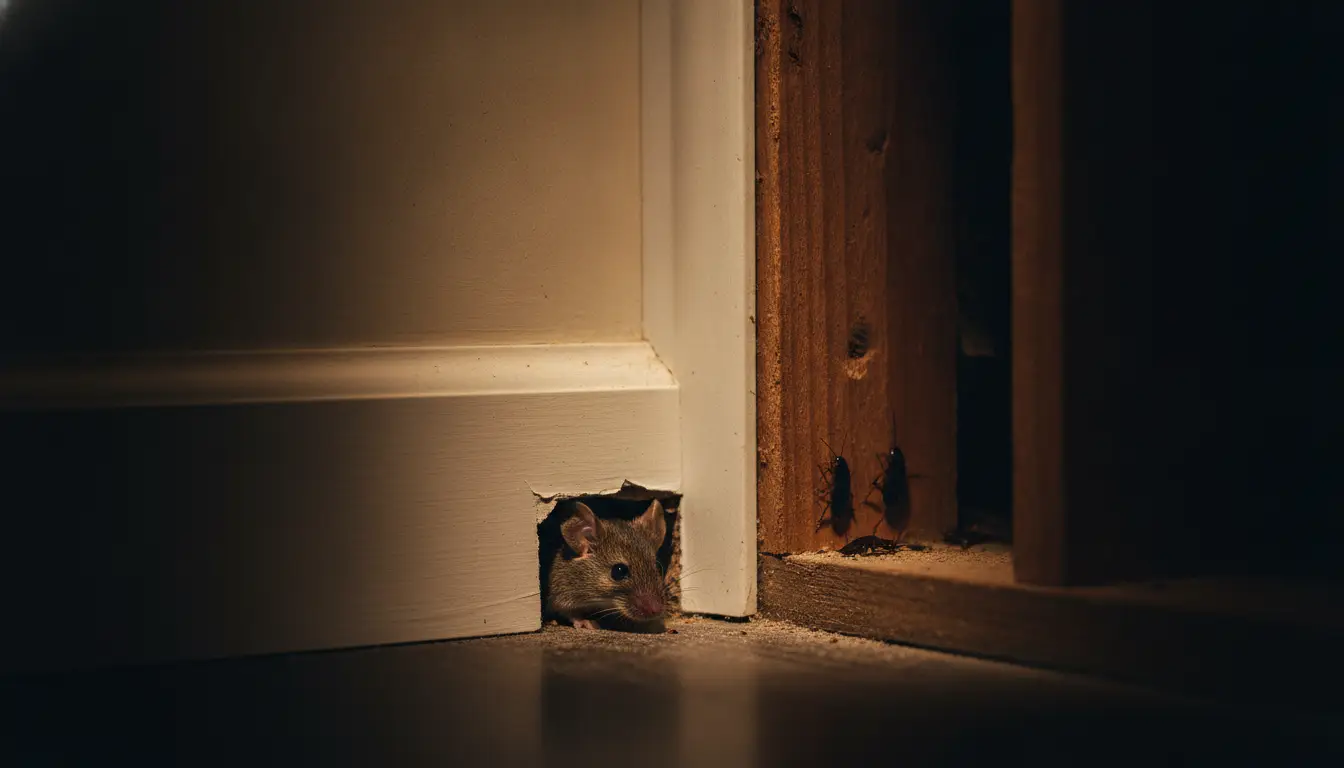
Spring Cleaning Checklist for Every Room (Easy Guide)
Spring cleaning can feel overwhelming, especially when you don’t know where to start or what to clean first. You might begin with one room, get distracted, and end up with half-finished work everywhere.
That’s where a clear plan makes all the difference. Instead of guessing, you need a simple system that tells you what to do and in what order.
In this guide, you’ll find a step-by-step spring cleaning checklist that covers every part of your home.
It will help you stay organized, clean efficiently, and finish without feeling stressed or stuck halfway.
Tools and Materials Required
Having the right supplies ready before you begin saves time and keeps you from stopping mid-clean to hunt for tools.
Cleaning Tools
- Microfiber cloths for dusting and wiping surfaces
- Mop, bucket, and vacuum for floors and carpets
- Scrub brushes for grout, tiles, and stubborn buildup
- Extendable duster for ceiling fans, vents, and high shelves
- All-purpose cleaner for general surfaces across every room
- Bathroom disinfectant for mold, mildew, and bacteria
- Kitchen degreaser for stovetops, cabinets, and backsplashes
- Glass cleaner for streak-free windows and mirrors
- Baking soda and white vinegar for odors and mild stains
Organisational Supplies
10. Trash bags for decluttering and waste disposal
11. Storage bins to sort items you want to keep, donate, or discard
Gathering everything before you start means fewer interruptions and a much faster cleaning process from room to room.
Start With Whole-House Tasks

Focus on these areas first, since dust from higher surfaces can fall onto places already cleaned.
- Ceiling corners and fans: Remove cobwebs and built-up dust before cleaning lower surfaces
- Light fixtures: Wipe dust and dirt to improve brightness and keep surfaces clean
- Walls and baseboards: Clean marks and trapped dirt that can make rooms look dull
- Windows and tracks: Remove dust and grime that collect around frames and corners
- Curtains or blinds: Wash or dust them to clear trapped dirt and improve airflow
- Air vents and filters: Clean or replace them to reduce dust spreading through the house
Deep Clean The Kitchen
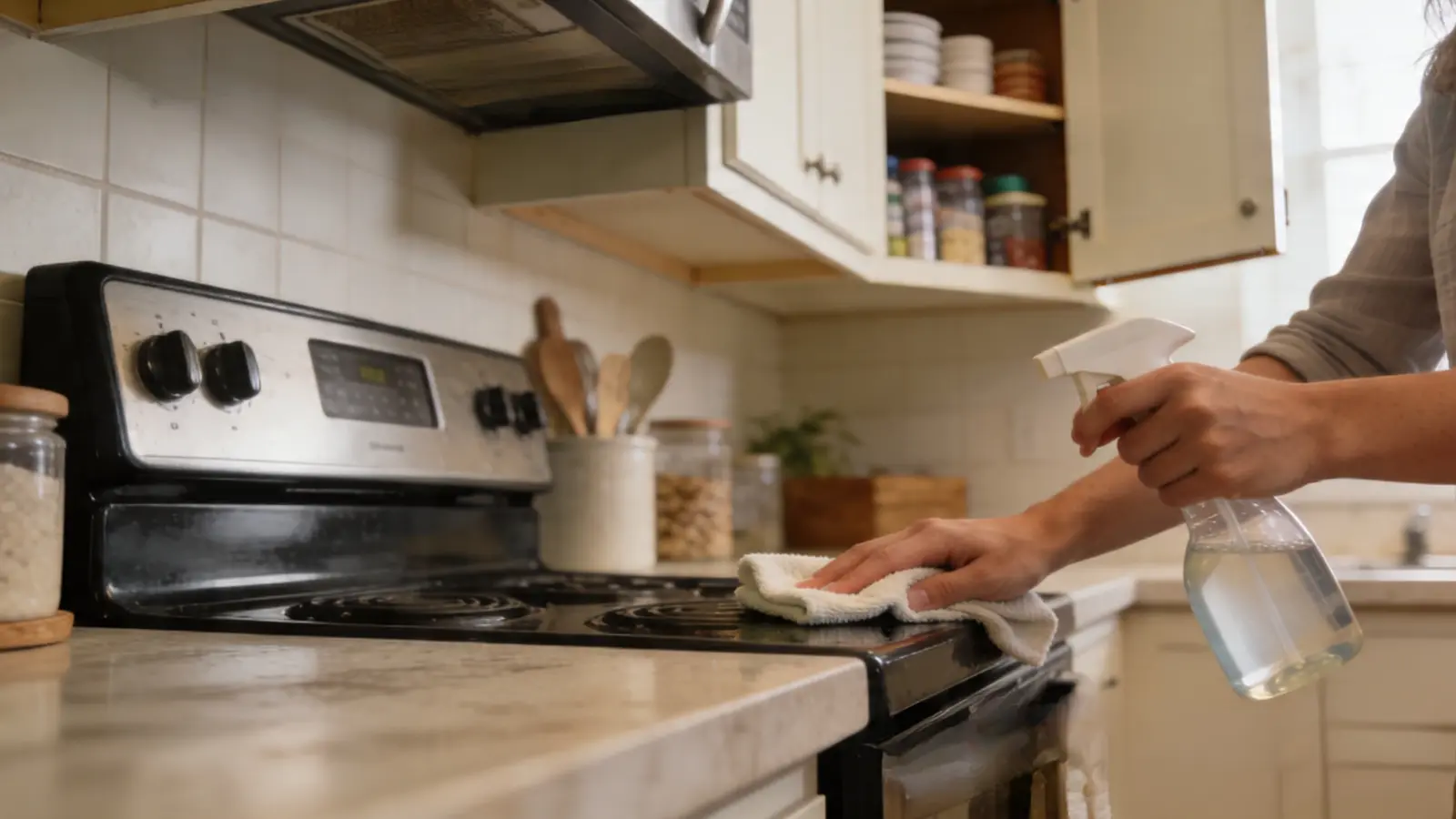
Daily cooking leaves behind more than just a meal. Grease, odors, and bacteria quietly build up across every surface.
- Major appliances: Clean the oven, fridge, microwave, and dishwasher to remove food residue and odors
- Cabinets and pantry: Empty shelves, wipe surfaces, and remove expired food items
- Countertops and backsplash: Remove grease, stains, and sticky buildup from cooking areas
- Sink and garbage disposal: Sanitize thoroughly to reduce bacteria and unpleasant smells
- Behind and under appliances: Clear hidden crumbs, dust, and dirt that often get missed
Deep Clean The Bathroom
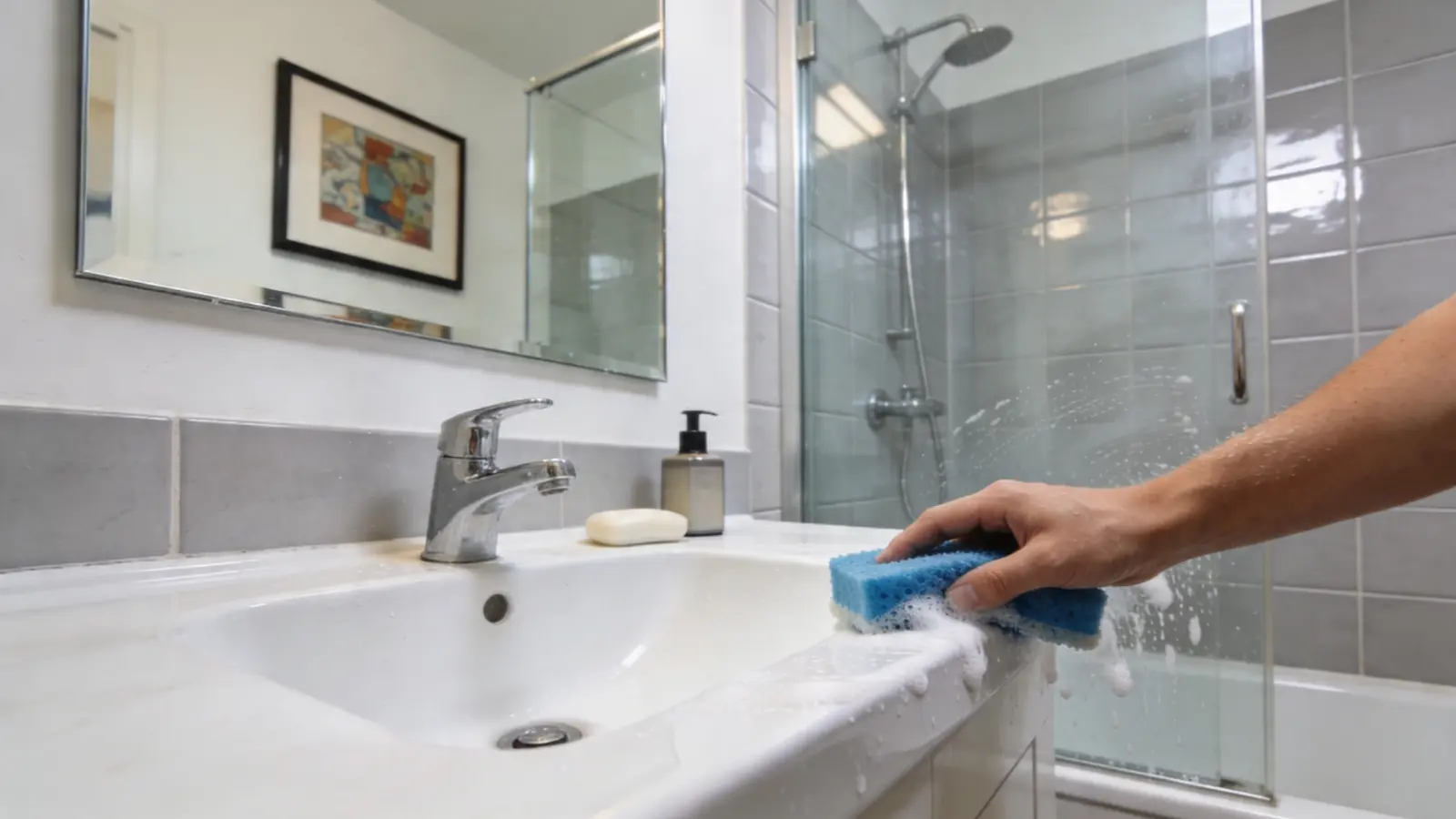
Constant moisture and heavy daily use turn bathrooms into a hotspot for mold, bacteria, and stubborn buildup.
- Shower, tiles, and grout: Scrub away soap scum, mildew, and trapped moisture
- Cabinets and shelves: Remove old products and wipe hidden dust and residue
- Toilet, sink, and mirrors: Disinfect surfaces to remove stains, germs, and water spots
- Floors and high-touch areas: Mop floors and wipe handles, switches, and faucets
- Bath mats and shower curtains: Wash or replace them to remove moisture and odors
Clean Bedrooms And Living Areas

Soft surfaces hold the most dust, so giving them proper attention makes a big difference.
- Bedding and linens: Wash sheets, pillow covers, and blankets to remove trapped dust
- Mattress: Vacuum and rotate it to clear dirt and maintain its condition
- Upholstery: Clean sofas and chairs, including under cushions where dust collects
- Electronics: Dust TVs and wipe remotes since they gather germs from daily use
Don’t Skip Storage And Outdoor Areas

The most skipped spaces in any home, outdoor and storage areas build up layers of dust, debris, and disorganization that only a proper deep clean can reset.
- Storage areas: Organize shelves and remove dust, clutter, and signs of pests
- Garage spaces: Clear unused items and arrange tools for easier maintenance
- Outdoor surfaces: Sweep patios, entryways, and walkways to remove dirt buildup
- Outdoor furniture: Wipe surfaces and cushions to remove dust and seasonal grime
- Gutters and drains: Clear leaves and debris to help prevent blockages and water buildup
Use A Simple Schedule To Stay Consistent
Use a simple plan so you can finish everything without feeling overwhelmed.
How to structure your cleaning:
- Break tasks into small daily chunks: Focus on a few tasks at a time instead of the whole house
- Choose one method: Clean one room per day or handle one type of task each day
- Keep it manageable: Smaller steps help you stay consistent and avoid fatigue
It reduces pressure and helps you make steady progress without rushing. Trying to do everything in one day leads to burnout.
Conclusion
Spring cleaning is not just about making your home look better; it helps remove hidden dust, bacteria, and clutter that build up over time.
By following a clear checklist and the right order, you clean more effectively without repeating work or missing important areas.
This approach makes the entire process easier, faster, and more manageable from start to finish.
If you’ve tried this checklist or have your own routine, share it in the comments.
Frequently Asked Questions
Should I Declutter Before or After I Clean?
Always declutter first. Removing unwanted items gives you clear surfaces to wipe down and stops you from cleaning around things you’ll eventually throw away.
How Long Does Spring Cleaning Take?
It depends on your schedule. Most people spread it over several days to stay consistent and avoid burnout.
What Areas Are Most Often Missed?
Areas like vents, baseboards, behind appliances, and storage spaces are often skipped, but collect the most dust.