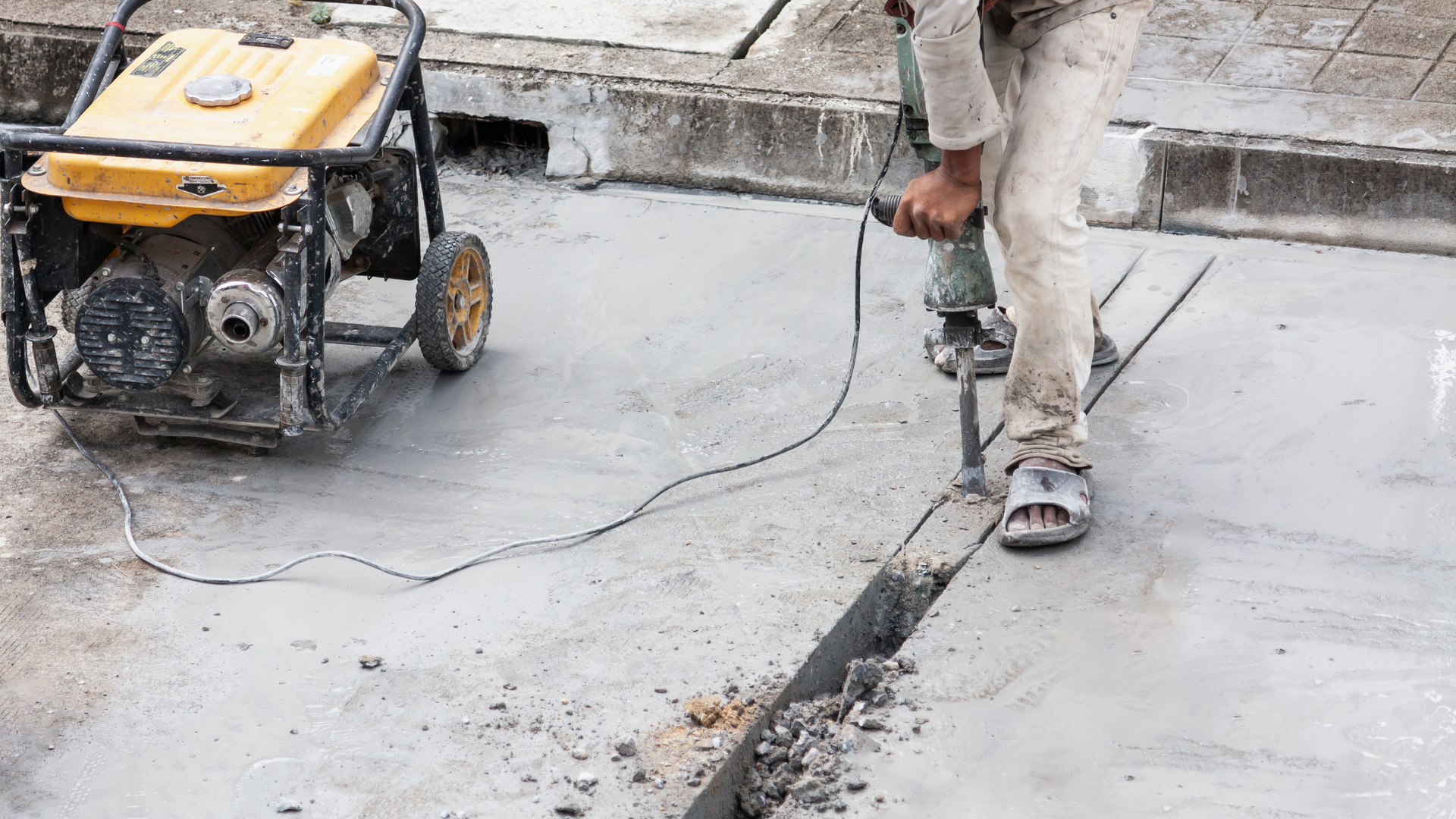
Professional Concrete Cutting Services for Construction Needs
Here’s something most project managers figure out the hard way: construction delays rarely come from the big, obvious decisions. They come from the small ones, like assuming any crew with a saw can handle precision concrete work. Getting that wrong early costs you time, money, and sometimes structural integrity you can never fully get back.
Whether you’re managing a hospital renovation, a commercial build-out, or a sprawling infrastructure job, concrete cutting services often make or break how smoothly things run on site. Understanding what’s actually involved and who should be doing it can save your project serious headaches before the first blade touches a slab.
What Professional Concrete Cutting Actually Looks Like on Real Projects
Modern construction rarely involves pristine, untouched concrete. Renovations, upgrades, and new builds all demand precise cuts, and in those situations, having a qualified concrete cutting specialist involved isn’t optional if you want accuracy and a safe process.
Residential vs. Commercial Work: Not Even Close
Residential concrete is generally manageable. Commercial concrete cutting, though? That’s a different animal entirely, heavier slabs, tighter tolerances, structural complexity layered on top of regulatory compliance. The margin for error shrinks fast, and the stakes climb accordingly.
Why Getting the Right People Involved Early Actually Matters
Bringing a professional contractor in during planning, not just execution, prevents the kind of rework that quietly destroys project budgets. Better engineer coordination, fewer surprises, cleaner handoffs between trades. You protect structural integrity and your contingency fund at the same time. Trust me, no project manager wants to gamble with either.
The Core Services That Drive Precision on Construction Sites
Now that you know why specialist involvement matters strategically, let’s get into the actual work, the specific services that make precision possible, and why each one exists for a distinct reason.
Slab Sawing and Floor Cutting
Arguably, the most requested service on commercial and industrial sites. Slab sawing,g handles utility trenching, expansion joints, and warehouse reconfiguration. In hospitals, labs, and data centers, depth control and vibration management aren’t just nice to have; they’re non-negotiable.
Wall Sawing for Openings and Reconfiguration
Precision vertical and horizontal cuts for windows, doors, elevators, and mechanical penetrations. Load-bearing walls always require a structural engineer’s sign-off before any cut. Skip that coordination, and the consequences can be catastrophic, full stop.
Core Drilling for MEP Systems
Core drilling creates the penetrations MEP systems depend on: conduit runs, pipe sleeves, anchor bolts, and utility access. Accurate placement protects embedded rebar and existing services. Sloppy location work here causes cascading problems downstream.
Wire Sawing for the Heavy Stuff
When standard equipment hits its limits, wire sawing steps in. Thick foundations, heavily reinforced columns, bridge sections, wire sawing segments, material with minimal vibration, and far better control than conventional methods.
Selective Demolition and Targeted Removal
Selective demolition combines precise saw cutting with controlled removal, letting crews take out specific slabs, beams, or wall sections without touching anything adjacent. Hospital renovations and tenant fit-outs lean on this constantly. It’s surgical work, and it needs to be treated that way.
Specialist Techniques for Tight Spaces
Hydrodemolition uses high-pressure water for surface preparation and structural rehabilitation, ideal for bridge decks and parking structures. Hand sawing, chainsawing, and ring saws tackle confined spaces where larger equipment simply can’t reach.
How These Services Get Applied Across Different Project Types
Knowing which method does what is only part of the picture. The other part is understanding how these services actually get deployed across commercial and industrial environments in practice.
According to the U.S. Census Bureau, nonresidential federal construction spending grew by 6.7% year-to-date through December 2025 compared to the prior year. More active projects mean tighter schedules and greater demand for specialty trades like commercial concrete cutting on the critical path.
New Construction Sites
Even the most carefully planned builds hit late-stage changes. Concrete cutting for construction supports layout corrections, design modifications, and penetrations that didn’t make it into the original drawings. BIM coordination helps the crew avoid conflicts with rebar and embedded utilities before they become field problems.
Industrial and Manufacturing Facilities
Industrial environments demand trenching for drains, process lines, and equipment foundations, often around active operations. Shift work, strict lockout/tagout requirements, and zero tolerance for unplanned downtime make this one of the most demanding settings for any cutting crew.
Infrastructure and Civil Projects
Bridges, tunnels, highways, rail corridors, joint creation, deck removal, barrier wall modifications. Night work, traffic control, and DOT compliance stack complexity that only experienced concrete cutting companies can navigate reliably. General labor just doesn’t cut it here, literally.
Healthcare, Education, and Sensitive Environments
Low noise, low dust, strict contamination protocols. Negative-pressure zones, HEPA filtration, water recovery systems. These aren’t optional extras in hospitals, labs, and schools; they’re standard operating procedure on day one.
What Separates a Truly Professional Concrete Cutting Company From Everyone Else
Delivering results across all those demanding environments takes more than field experience. It requires specific technical capabilities that actually differentiate a professional concrete cutting company from a generalist crew with decent equipment.
Equipment That’s Actually Up to the Job
Walk-behind slab saws, wall saws, wire saws, core drills, ring saws, and hand saws each serve a different purpose, and equipment quality directly affects cut speed, straightness, and safety. A neglected fleet shows up in your project results. There’s no way around that.
Precision Layout and Tolerances
Laser layout, digital measuring tools, and scanning technology ensure every cut lands where it’s supposed to. Accurate as-built documentation afterward helps downstream trades avoid conflicts that would otherwise eat into your schedule.
Dust, Slurry, and Noise Control
OSHA’s silica standard requires that no employee be exposed to airborne respirable crystalline silica above 50 μg/m³, calculated as an 8-hour TWA. Wet cutting, vacuum extraction, and proper filtration are how professional crews stay compliant on every single job, not just when someone’s watching.
A HEPA filter captures 99.97% of particulates at 0.3 microns, which is exactly why professional setups use them in occupied buildings. Containment and slurry disposal protect finishes, equipment, and neighboring operations simultaneously.
The Real Advantages of Hiring a Specialist Over a General Contractor
With those capabilities in place, the argument for hiring a specialized professional concrete cutting contractor becomes hard to dispute, and the benefits extend well beyond what generalist crews reliably deliver.
Safety and risk reduction: Professional crews reduce the risk of flying debris, structural damage, and utility strikes through disciplined protocols. That protects workers, occupants, and your schedule in one shot.
Cost and time efficiency: A concrete cutting specialist moves faster and more accurately than general labor. Fewer change orders, less rework, tighter schedule alignment. That math adds up significantly across a project lifecycle.
Quality of finish and structural integrity: Clean edges, controlled cracking, proper bonding surfaces. Poor cuts introduce microcracks and spalling that shorten a structure’s service life. That’s a problem you won’t notice until years later, by which point it’s expensive.
Code compliance: A professional concrete cutting company supports permit documentation, inspections, and structural compliance. Experienced firms know fire, sound, and safety code requirements and help you avoid violations that can halt a project cold.
How to Actually Choose the Right Contractor
Focusing purely on price when selecting a contractor is a mistake more experienced project owners learn not to repeat. Making sure a concrete cutting specialist is part of your vetting process is critical to a decision that holds up through execution.
Experience, licensing, insurance. Relevant project history matters more than the lowest bid. Verify contractor licensing, general liability, and workers’ comp before signing. Check for safety violations or claims history, too.
Estimates, contracts, and reputation. A professional quote should detail scope, methods, depths, slurry disposal, and cleanup responsibilities. Vague scopes and suspiciously low bids are red flags every time. References from GCs and facility owners tell you what the proposal can’t.
One Last Thing Before You Move On
Professional concrete cutting services deserve more than a quick line-item decision. They’re foundational to how modern construction projects stay on schedule, on budget, and structurally sound, from slab sawing in data centers to wire sawing on bridge decks.
Choose experience over the cheapest bid, get the right specialist involved before ground breaks, and your project will carry that advantage from start to finish.
Quick Answers to Questions Project Teams Actually Ask
What services are most common on large commercial projects?
Slab sawing, wall sawing, core drilling, and wire sawing. Selective demolition and hydrodemolition come into play on complex projects requiring precision removal without disturbing adjacent structures or active operations.
When should a project owner involve a specialist?
Ideally, a project owner should involve a concrete cutting specialist during design and constructability review early enough to prevent costly rework, coordinate with engineers, and address structural and utility risks before construction begins.
Can this work be done off-hours or at night?
Absolutely. Reputable contractors routinely provide night work and off-hours scheduling to keep facilities operational, meet DOT requirements, or minimize disruption in occupied or sensitive environments.