

19 Modern Commercial Building Designs that Shape Spaces
Ever walked by a glass building and wondered what makes it special? Modern commercial buildings are changing how we work and live.
They’re not just boxes of concrete anymore. They’re smart, beautiful spaces designed with people and the planet in mind.
In this blog, we’ll see what makes today’s business buildings stand out. From walls that change color to rooftop gardens, these structures combine good looks with smart function.
You’ll get to know the materials, designs, and features that businesses love.
Whether you’re planning a new office or just curious about those shiny towers downtown, you’ll learn what makes modern commercial buildings so effective today.
Key Features of Modern Commercial Buildings
Modern commercial buildings combine style and function to create spaces that work for today’s businesses. These structures focus on three main areas: design, function, and being kind to the earth.
Design Trends
Today’s commercial buildings often use simple, clean designs. Glass walls let in lots of light and make spaces feel bigger.
Smooth, straight lines create a fresh look that many businesses want. Most new buildings skip fancy details and instead focus on open, bright spaces that feel calm and professional.
This style helps workers feel more comfortable and can impress clients.
Functional Elements
New commercial buildings have layouts that can change as needed. Many use movable walls and open floor plans that companies can shape to fit their work.
These spaces work for many types of businesses – from regular offices to shops to shared work areas.
Smart design means a space can start as one thing and later become something else, which saves money and time for building owners.
Sustainability
Green building is now a must, not just a nice extra. New commercial buildings use materials that don’t harm the earth and systems that use less power.
Another way property owners are boosting sustainability is by harnessing renewable energy by installing systems like solar panels, wind turbines, or geothermal units. These upgrades reduce dependence on traditional power sources and contribute to long-term energy savings while lowering the building’s carbon footprint.
Many have solar panels, better insulation, and smart climate controls. Building owners care about this because it saves money, follows new rules, and shows they care about the planet.
These choices can also help them get special green building ratings.
Materials Used in Modern Buildings
The materials used in today’s commercial buildings affect how they look, how long they last, and how they impact the environment. Good material choices make buildings better in every way.
Glass
Glass has become a star material in commercial building. It creates walls that let in natural light, which cuts down on power use during the day.
Workers also tend to feel better and work better with more sunlight. However, glass can make heating and cooling harder.
New types of glass with special coatings help fix this problem by keeping heat in during winter and out during summer.
Steel and Concrete
These tough materials form the backbone of most commercial buildings. They last for decades and stand up to weather, fire, and time.
Steel lets builders create large open spaces without many support columns. This means more usable floor space.
Modern steel frames can also be made to look sleek and modern when left visible as part of the design, adding an industrial touch many firms like.
Eco-friendly Materials
Green building materials are gaining ground fast. Options like bamboo flooring, recycled steel, and reclaimed wood offer the same quality with less harm to the earth.
These materials often use less energy to make and transport.
They can help buildings earn LEED and other green certifications, which can mean tax breaks and lower running costs. They also show a company’s commitment to doing good for the planet.
Popular Designs for Modern Commercial Buildings
The look and feel of office buildings change as new ideas emerge.
Today’s commercial buildings focus on creating spaces that work better for people and the planet.
Here are the top trends shaping modern business spaces.
1. Biophilic Design
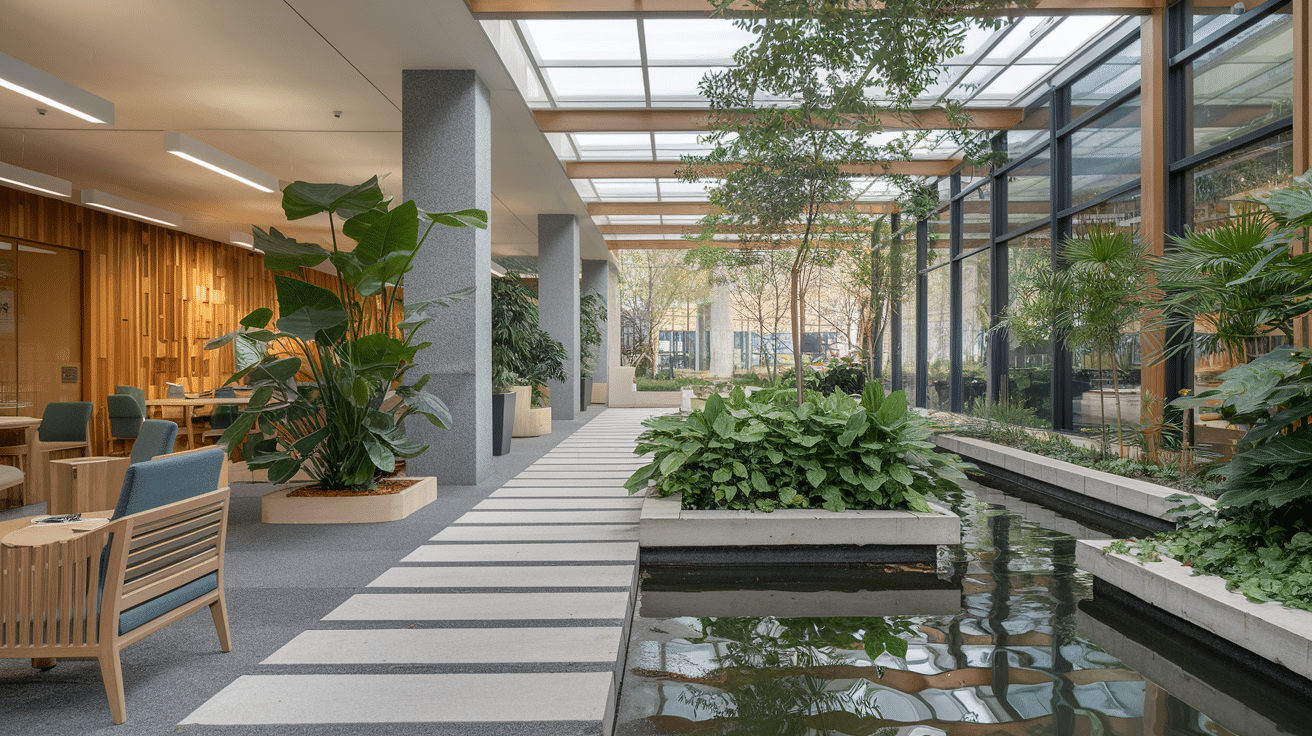
This trend brings nature inside buildings with real plants, wood, stone, and natural light. Office workers feel less stressed when they can see green plants and natural materials.
Studies show that offices with natural elements see fewer sick days and better work output. Companies like Amazon and Google use this approach in their buildings.
Some offices now include small gardens, water features, and areas with lots of plants.
2. Open Floor Plans
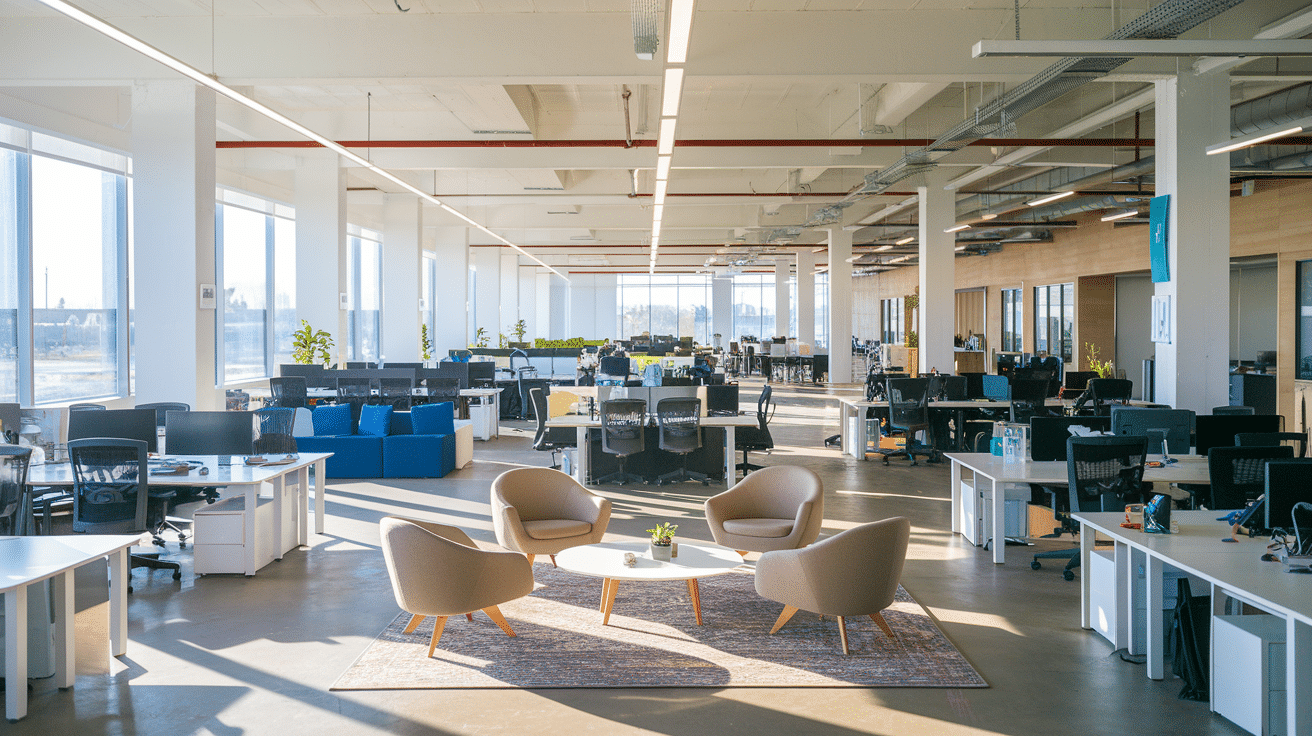
Many companies now skip walls and private offices. Instead, they create big, open areas where people can see and talk to each other easily.
This setup helps teams work together better and share ideas more quickly. Companies report that staff members talk more and solve problems faster in these spaces.
The trick is to also include some quiet areas where people can go when they need to focus without noise and distractions.
3. Minimalism
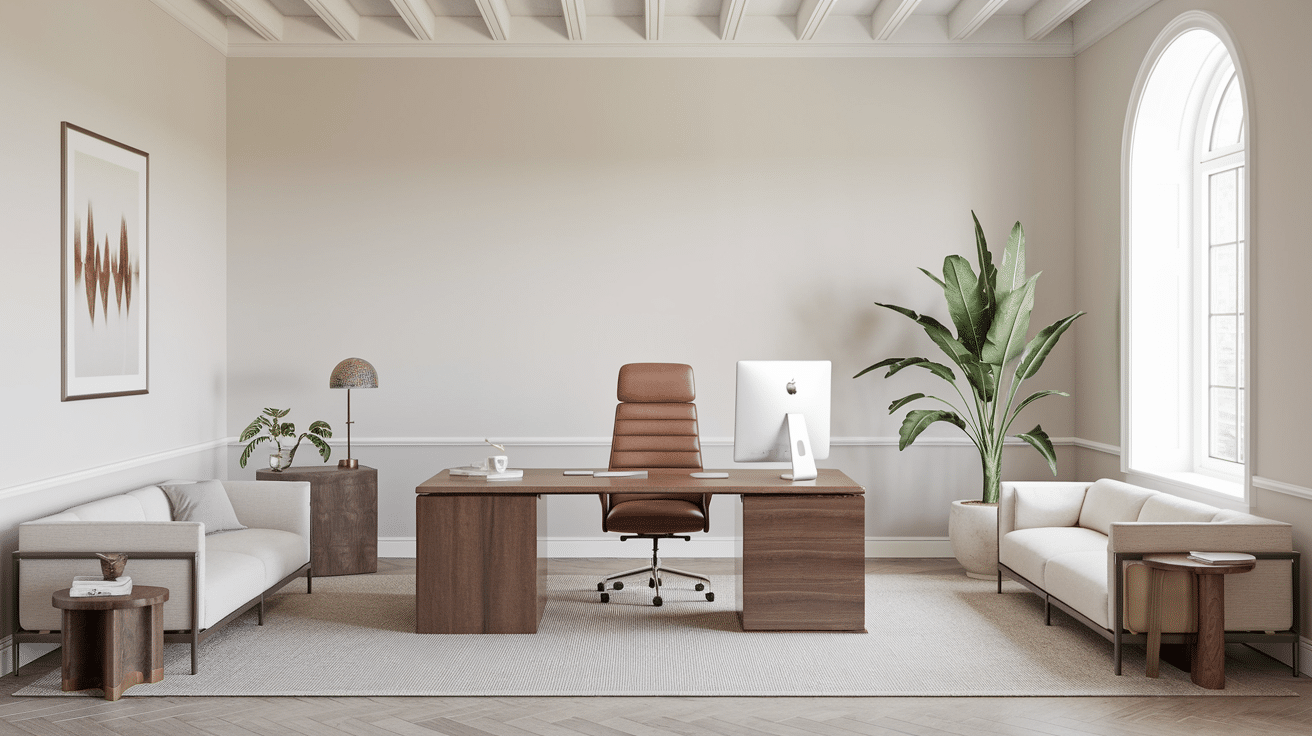
Less is more in modern office design. Clean lines, simple furniture, and clutter-free spaces help create a calm feeling. Companies use fewer items but pick high-quality pieces that last longer.
This style makes rooms feel bigger and more open. It also costs less to clean and keep up over time.
Workers often say they can think more clearly in simple spaces without too many visual distractions.
4. Flexibility
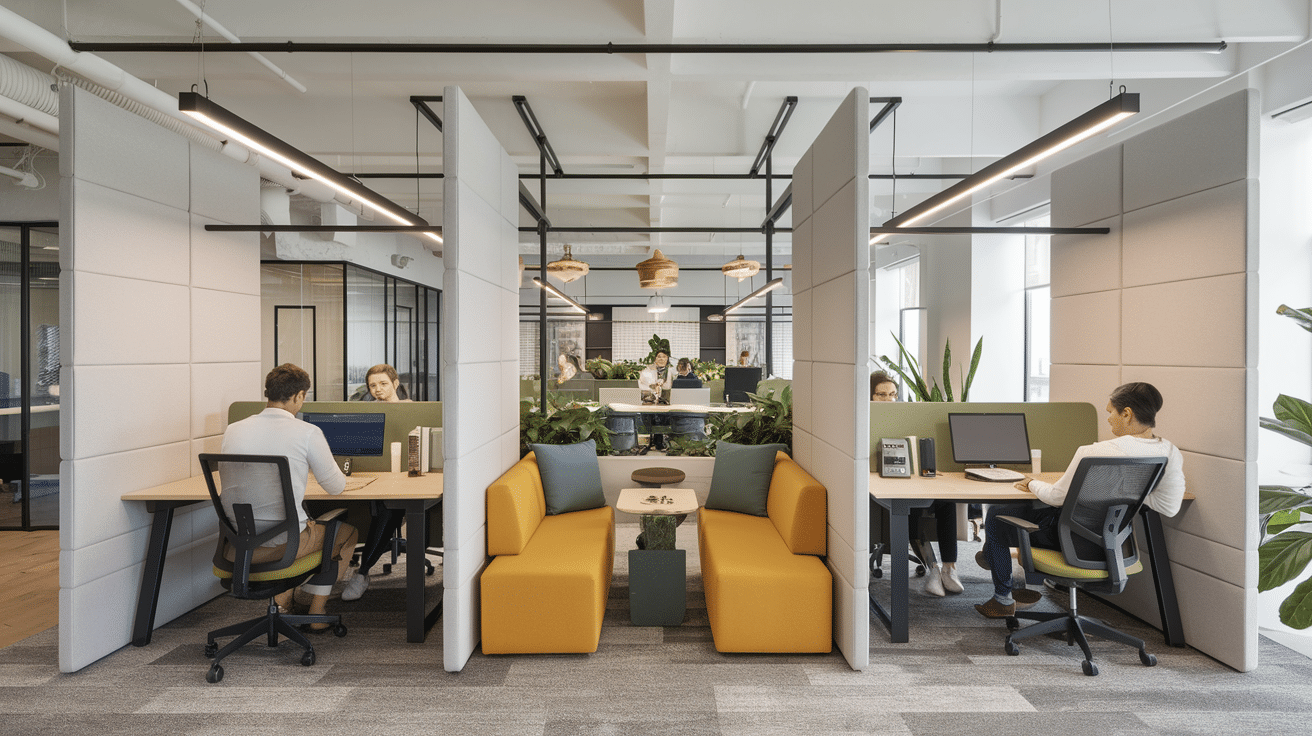
New offices can change based on what’s needed that day. Walls move, desks roll, and furniture fits together in different ways.
This lets one room serve many purposes. A meeting space in the morning can become a work area after lunch, and then a social spot after work hours.
This saves money because companies need less total space. It also helps firms adjust quickly when their needs change.
5. Adaptive Reuse
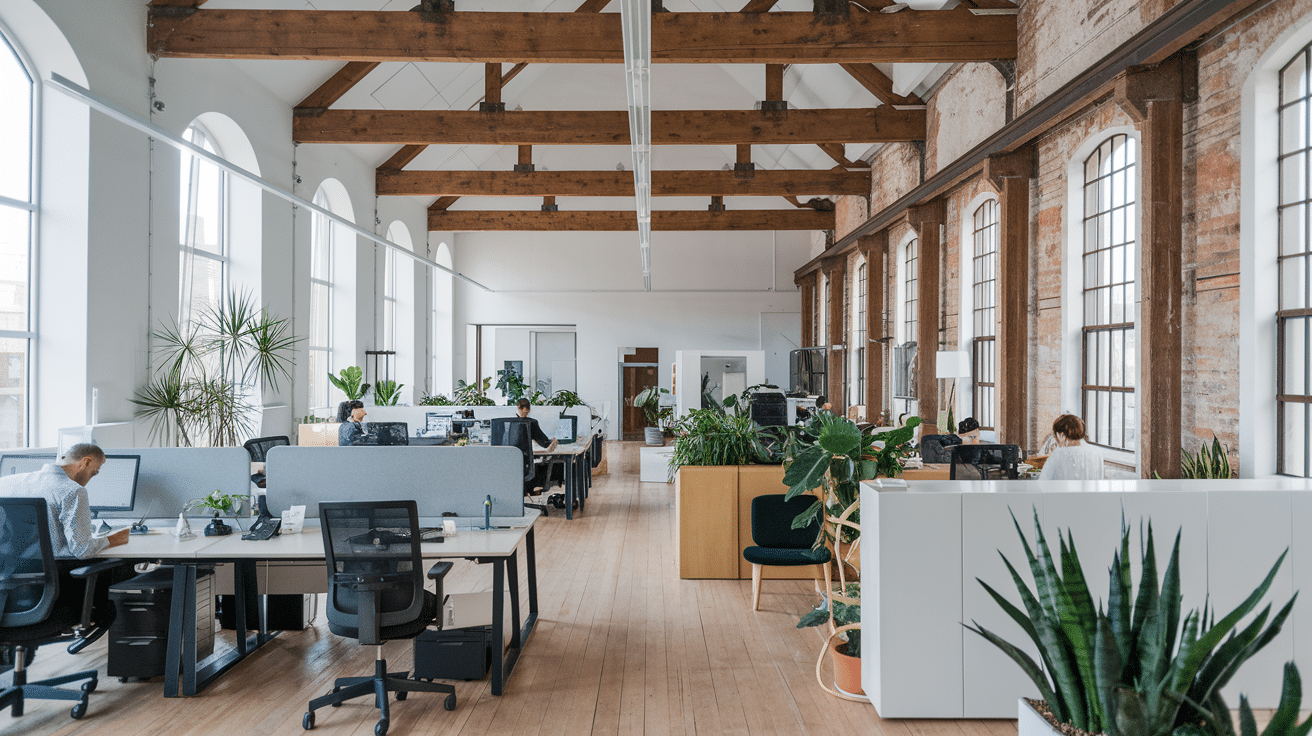
Old factories, warehouses, and stores are getting new life as modern offices. Builders keep the best parts of old buildings – like brick walls and high ceilings – while adding new systems inside.
This mixes old charm with new function. It also uses fewer new materials, which is better for the earth. These projects often cost less than building from scratch and help keep local history alive.
6. Mixed-Use Spaces

New buildings often combine offices, shops, homes, and restaurants all in one place. This setup lets people live, work, and shop without long trips. These buildings create lively areas that stay busy all day and night.
They help cut down on driving and make better use of city land. People who work in these buildings can grab lunch, run errands, or even live just steps from their office.
7. Industrial Style
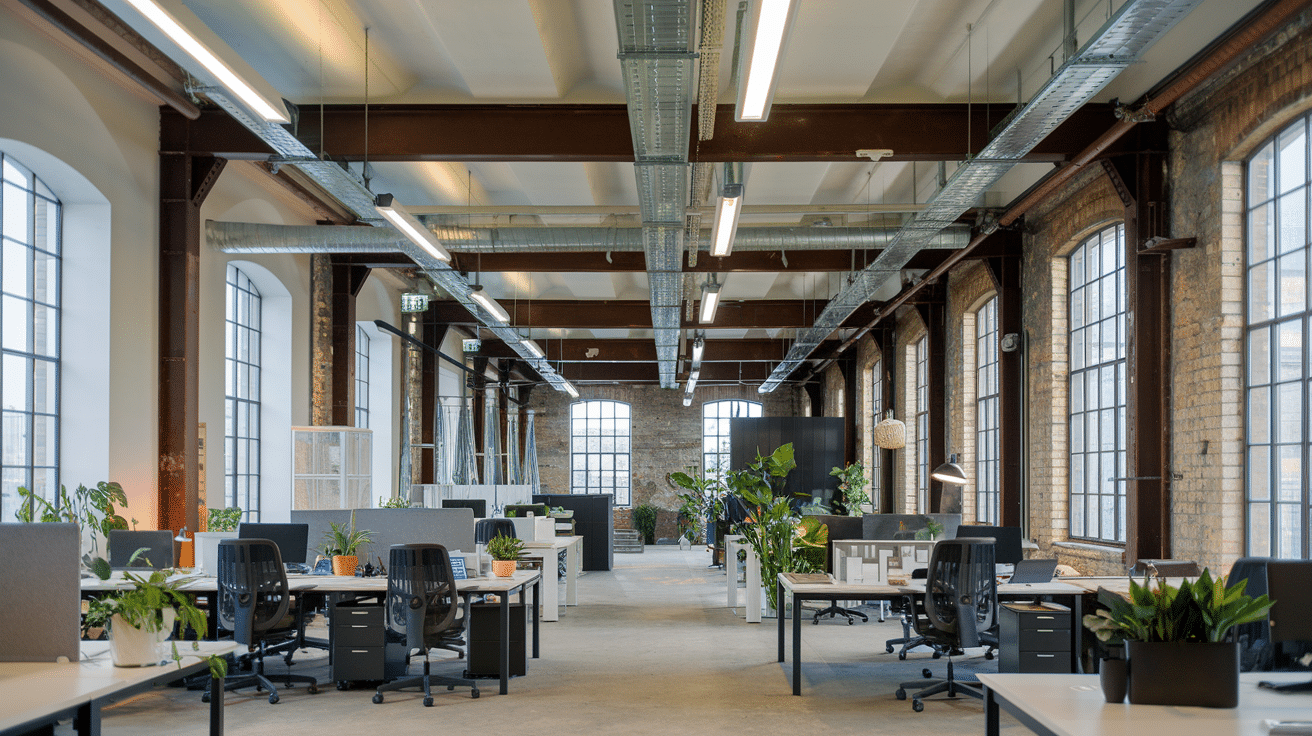
This look keeps raw building parts visible instead of covering them up. Exposed pipes, beams, and brick walls create a unique style. High ceilings and big windows come from old factory designs.
This approach often costs less because parts aren’t hidden behind fancy coverings. Many tech firms and creative businesses like this honest, raw look for their spaces.
It works well in old industrial buildings that get fixed up.
8. Green Roofs and Living Walls
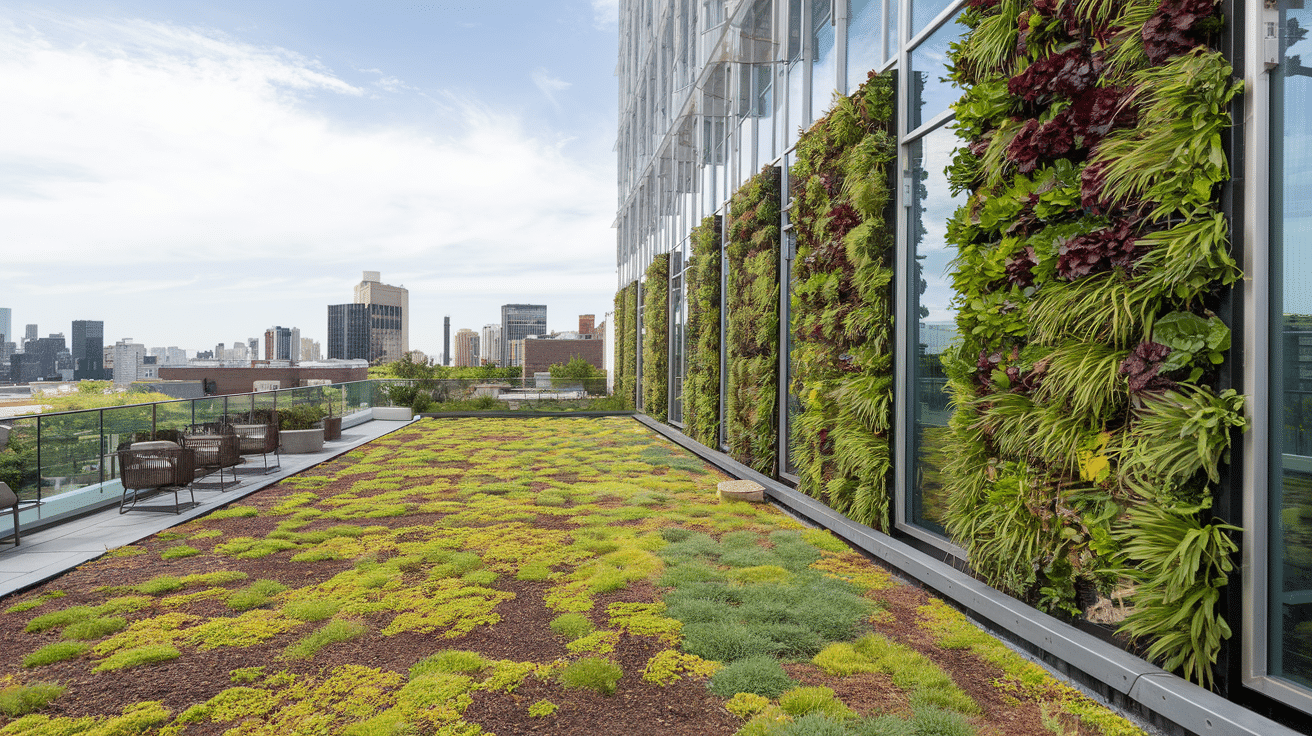
Plants now grow on building tops and walls, not just around them. These green spots help clean the air and keep buildings cooler in the summer.
They cut down on rainwater runoff and make cities less hot. Workers enjoy looking at these green areas and sometimes use rooftop gardens for breaks.
These systems cost more to install but save money over time through better building function.
9. Interactive Facades
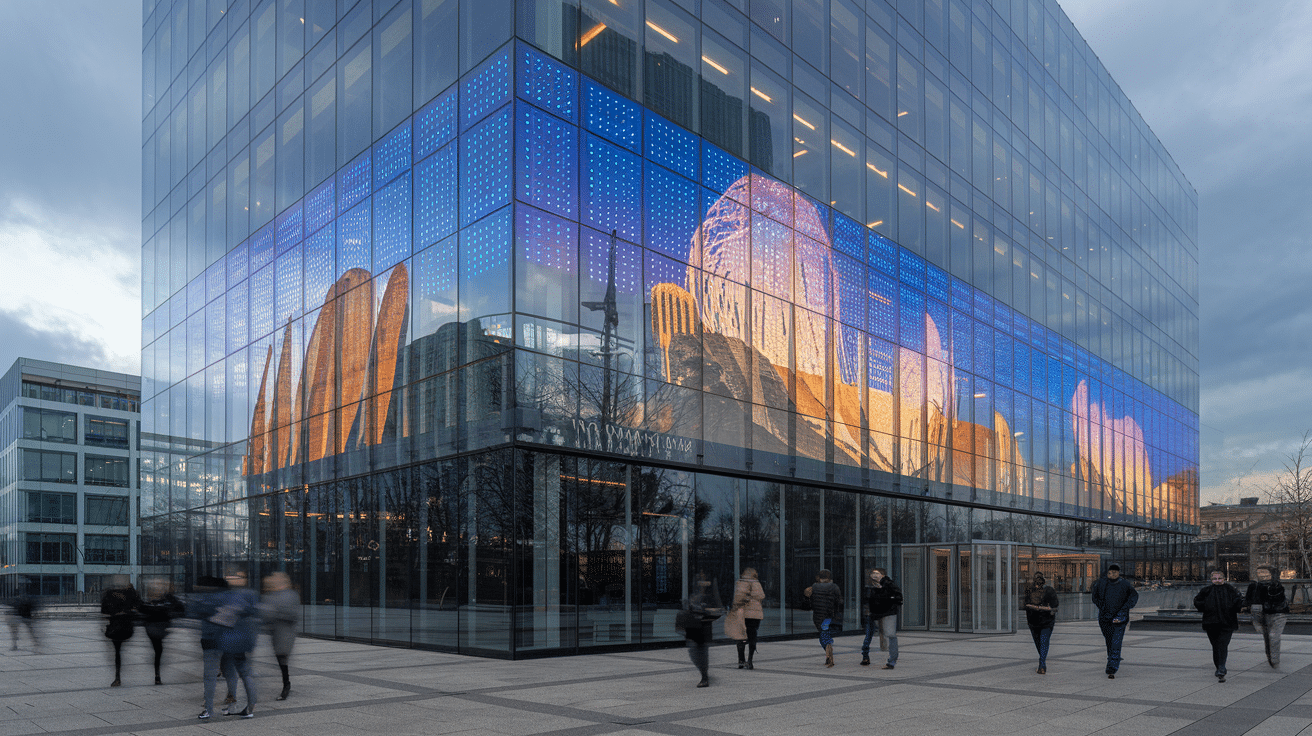
Building fronts now use screens and lights to change how they look. These displays can show company information, art, or react to weather and people passing by.
This makes buildings stand out and draws attention to businesses inside. The tech can also share useful info like news or weather with people walking past.
At night, these light shows can make city areas feel safer and more lively.
10. Modular and Prefabricated Elements

Parts of buildings now come ready-made from factories. These pieces fit together at the building site like big blocks. This method is faster than the old ways of building and often has fewer mistakes.
Workers spend less time in bad weather, and materials are wasted less. These parts are made with exact measurements in controlled settings, which leads to better quality and less wasted material.
11. Natural Lighting
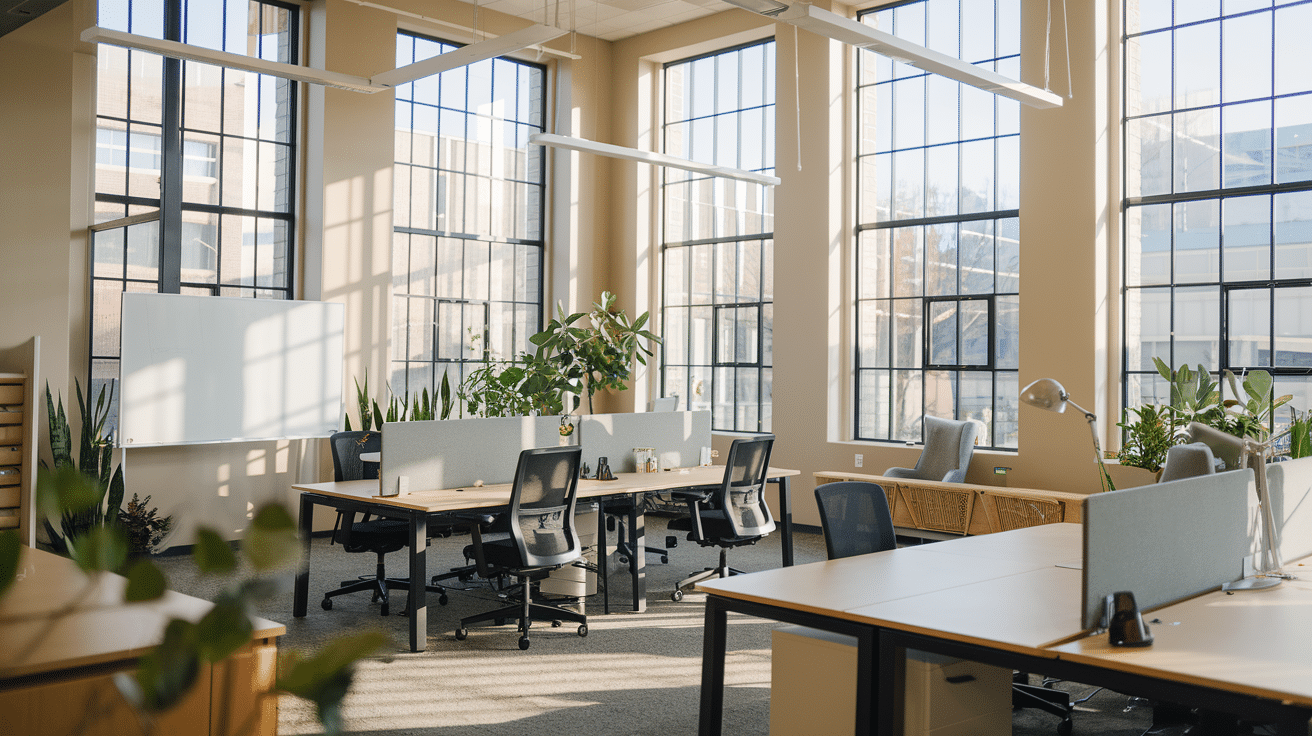
Modern buildings use big windows and open designs to bring in more sunlight. This cuts down on the need for electric lights during the day.
Workers feel more alert and happy in spaces with good natural light. Some buildings use light tubes and mirrors to bring sunshine into inner rooms with no windows.
Good lighting design also works to stop glare and too much heat from direct sunlight.
12. Workplace Wellness Design
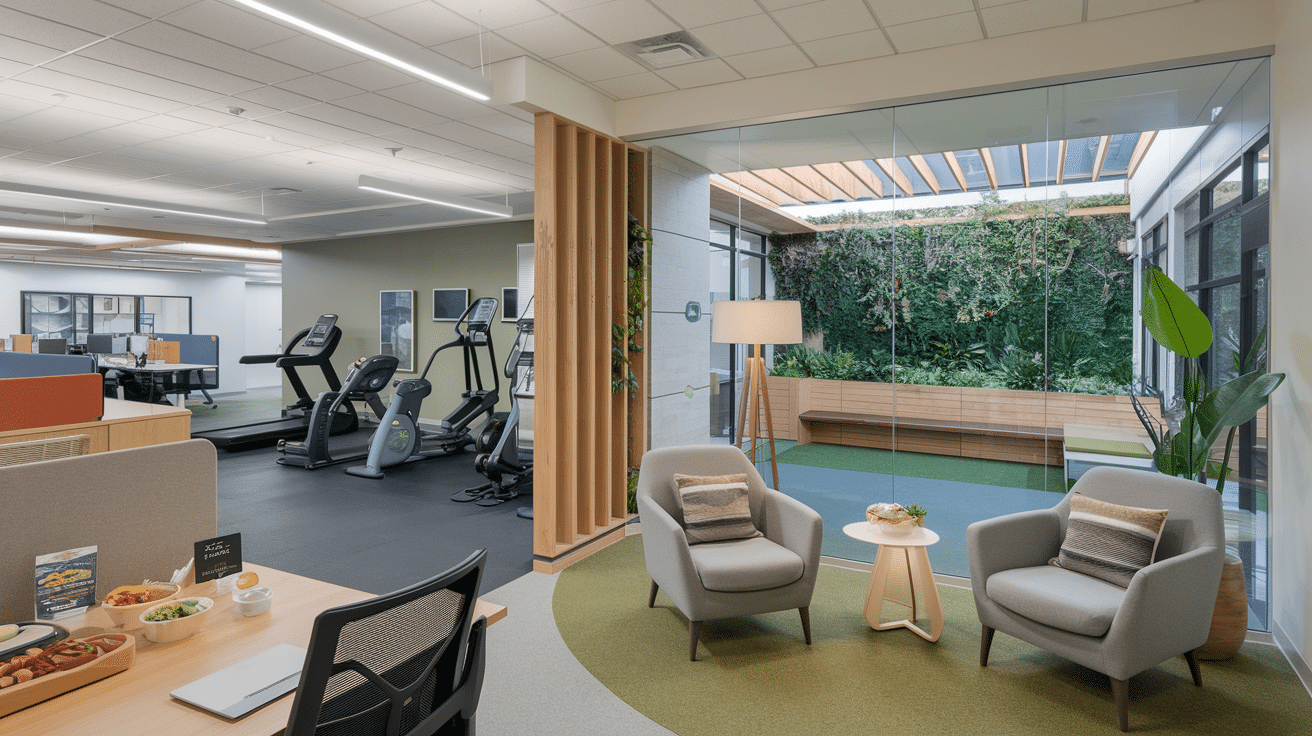
Office buildings now include spaces that help keep workers healthy. These might be gyms, quiet rooms for rest, or outdoor areas for fresh air.
Desks that let people stand or sit and chairs that support good posture are common. Some offices add healthy food options and water stations throughout the building.
These features help cut down on sick days and keep staff members happy at work.
13. Sustainable Landscaping
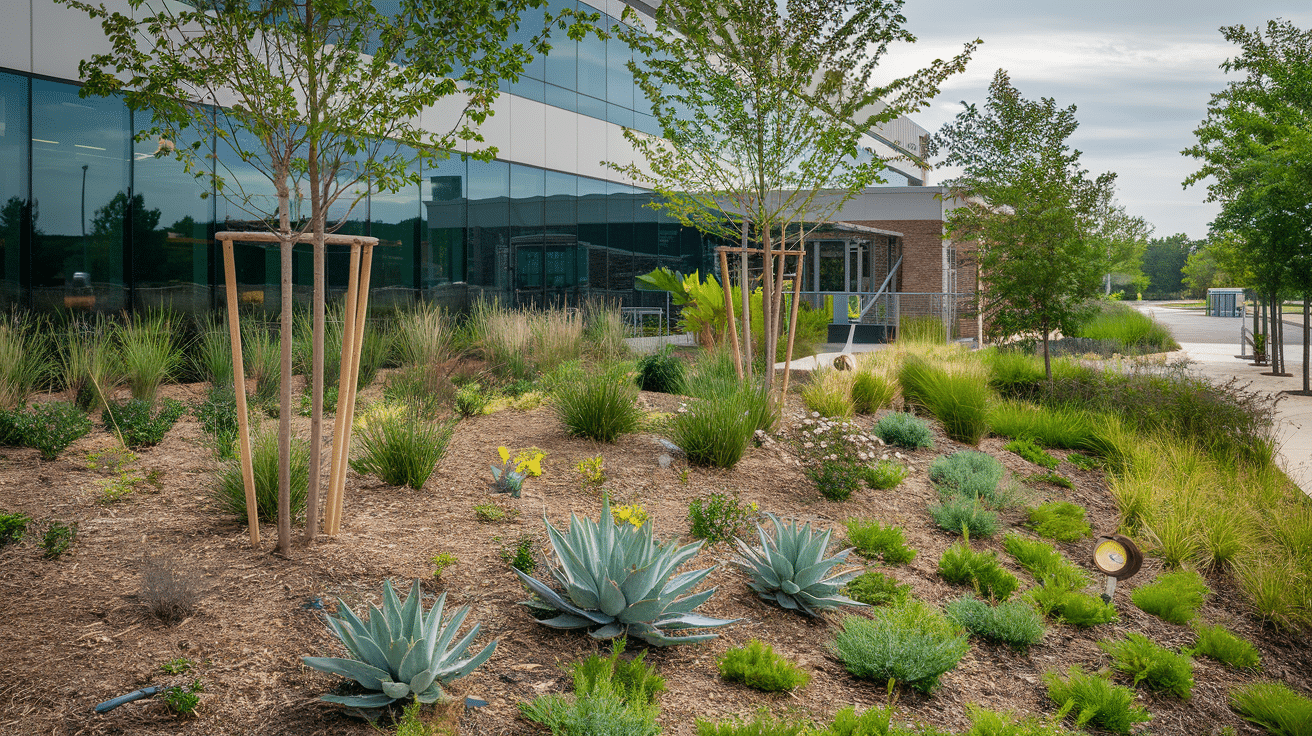
The plants around new buildings are picked to need less care and water. Native plants that grow well in the local weather are best. Water systems use sensors to run only when needed, not on a fixed schedule.
These choices cut down on water bills and yard work time. Good plant choices also help attract helpful bugs and birds to the area, creating a mini ecosystem around the building.
14. Biodegradable Materials
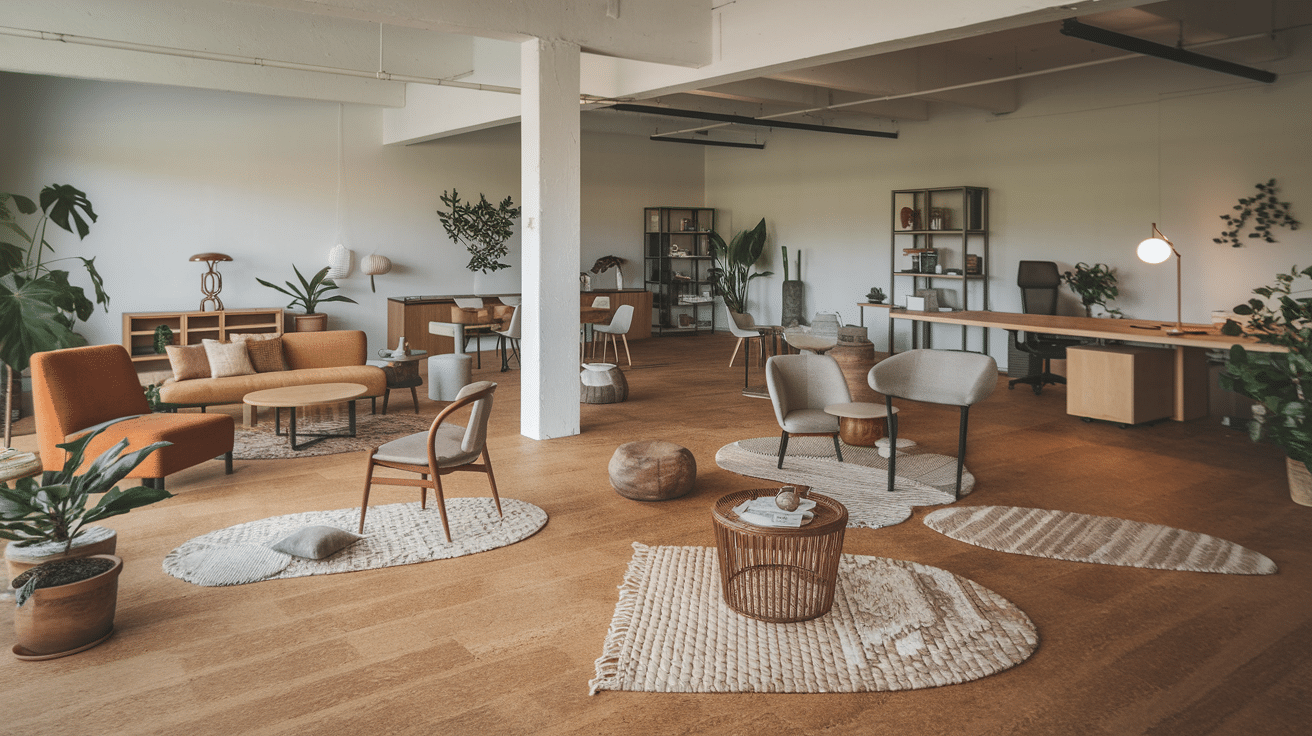
More builders now choose items that can break down naturally when no longer needed.
These include things like cork floors, wool rugs, and plant-based plastics. Such materials don’t sit in dumps for years when thrown away.
They often need fewer harmful chemicals to make, which is better for the people who work with them. Many come from sources that grow back quickly, like fast-growing trees or yearly crops.
15. Smart Glass

New window tech can change how much light and heat passes through. These windows turn darker when the sun is bright and lighter when it’s cloudy.
This helps keep indoor temps just right without running heat or air as much. While these windows cost more at first, they save money over time through lower power bills.
They also cut down on the need for blinds and shades in most cases.
16. Transparency and Open Access

Buildings with see-through walls and open layouts help people feel connected. Workers can see what’s going on in other areas and feel like part of a whole team.
This setup makes bosses more visible and approachable to all staff. It also lets in more natural light and views of the outdoors from deep inside the building. Some studies show this style leads to more trust and better work flow.
17. Local and Regional Architectural Influence

Smart buildings are designed to match the area they are in. They use local building styles and materials that are appropriate for the local weather.
This helps buildings fit in with their towns and use less energy. A good example is using thick walls in hot places to keep heat out.
These designs often cost less because they use materials found nearby. They also help keep local building skills and traditions going.
18. Collaborative Spaces
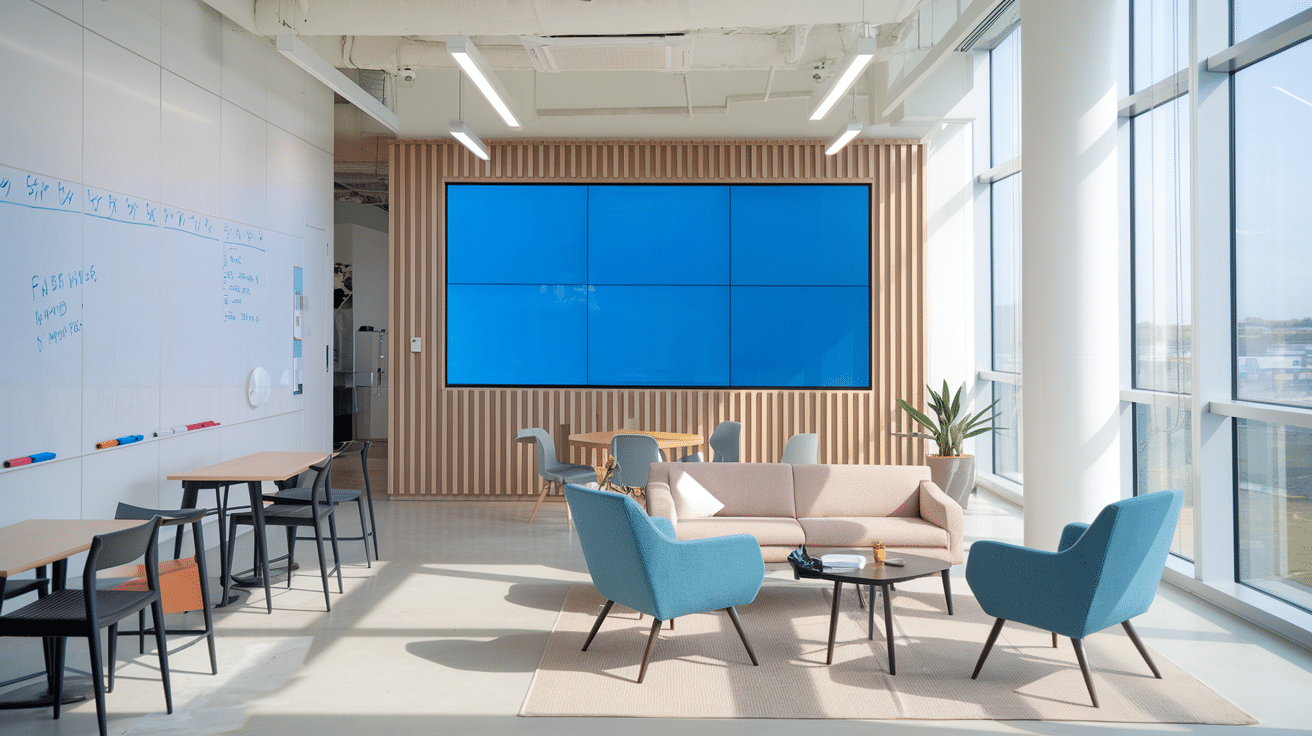
Modern offices include areas designed specifically for team projects and discussions. These spaces also have tools for sharing ideas, like big screens and writing walls.
Comfy chairs and good sound control help people work together for longer periods. These areas often sit between work zones, making quick meetings easy.
Some have video setups so people in other places can join in talks just like they were there.
19. Minimalist Interior Design
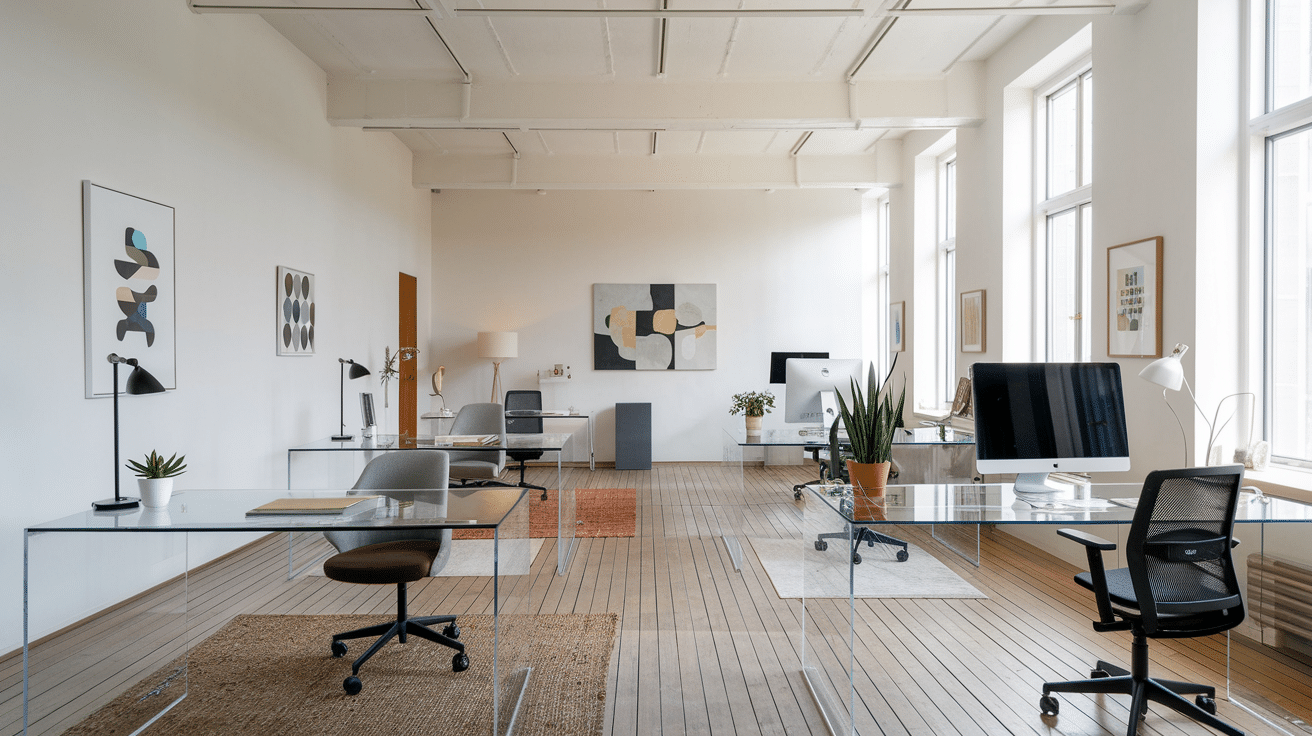
Office insides now focus on clean looks with less stuff. Desks stay clear, and storage keeps items out of sight. Colors are often soft and calm, with just a few bright spots for interest.
This style helps people focus on their work without many distractions. It makes spaces feel bigger and more open than they really are.
It’s also easier to clean and keep tidy, which saves time and money.
Wrapping Up
Commercial buildings have changed greatly from the simple boxes of the past. They now combine good looks, function, and green features to create spaces where businesses thrive.
From open floors that help teamwork to smart windows that cut energy use, these buildings help companies work better while using fewer resources.
Want to see these ideas in action? Visit new office spaces in your city, or look at photos of famous buildings online.
If you’re planning a workspace, speak with designers who know these trends. Even small changes—like adding plants or using more natural light—can make a big difference.
The future of commercial buildings is here, and it’s brighter, greener, and smarter than ever before.


