Is Your Home’s HVAC System Ready for Whatever the Weather Brings?
The weather has become unpredictable. Summers are hotter; winters can feel warm too, until a sudden cold spell makes you hole up in the house. A new Carbon Brief report found that climate change has made many extreme weather events more likely.
In this scenario, how prepared is your home? Your HVAC system keeps you comfortable year-round, but does it have what it takes to handle the vagaries of modern climate trends?
Let’s find out how you can prepare your home for the next surprising weather snap or an emergency, without feeling overwhelmed in the moment.
Have You Done Seasonal HVAC Maintenance?
Air conditioners need cleaning and maintenance as the seasons change to prevent dust and other airborne particles from clogging things. Before the seasons change, air filters need a thorough examination. (More often if you have pets in the house!)
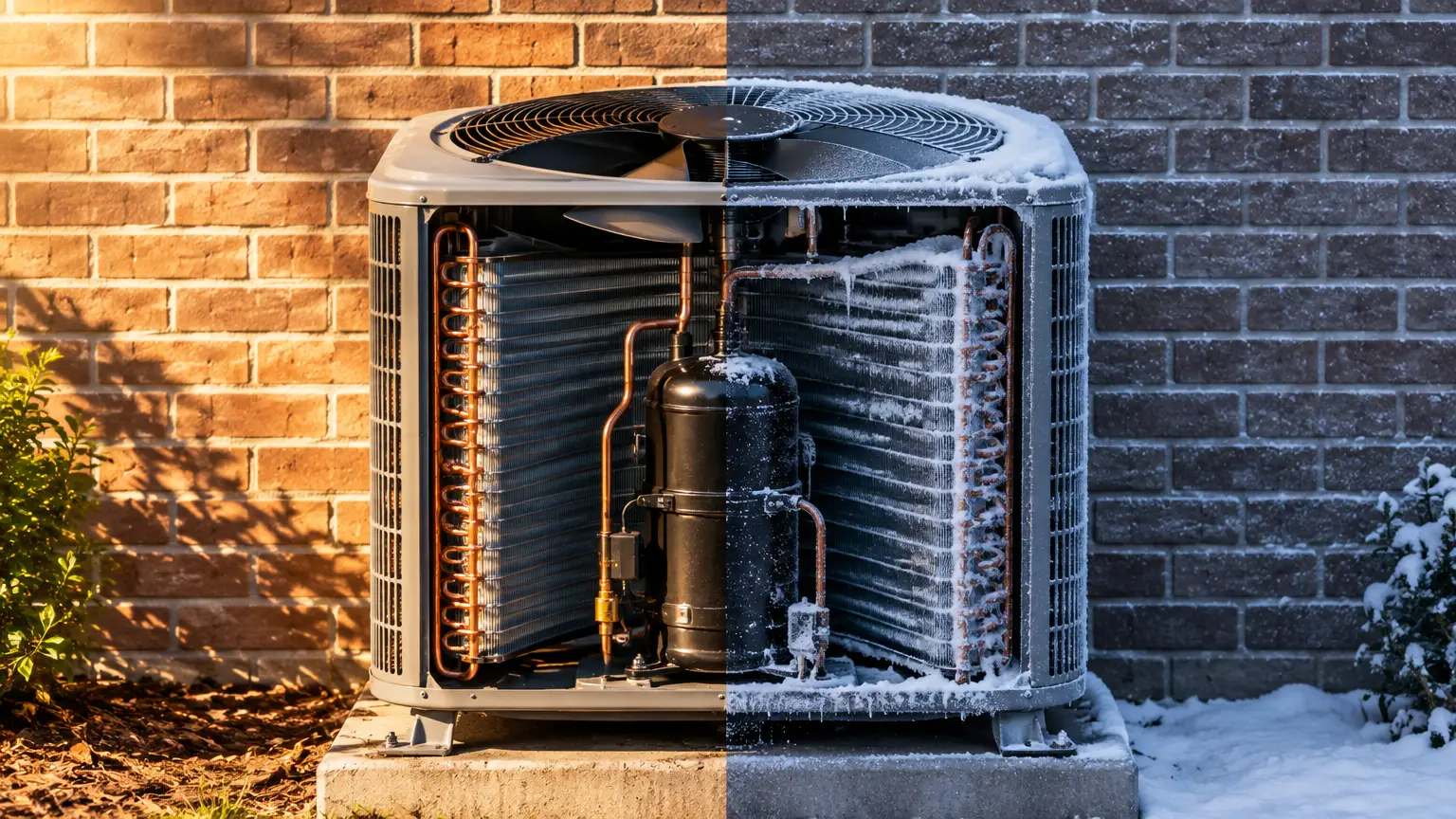
A turn in the weather also warrants an inspection of outdoor units and vents, as debris may have collected over the months. Sometimes, you may detect strange sounds or smells when you turn on the AC. These often relate to obstructions or unattended blockages you must fix.
Depending on your current setup, seasonal maintenance may also involve decisions on servicing or replacement. Postponing them until the last minute is usually not a good idea.
Preparing for Extreme Weather
To stay ready for extreme weather, you may need to go the extra mile, moving from maintenance to proactive changes.
Consider an abrupt heatwave that leaves people sweltering. Recently, Reuters reported that present-day heatwaves are more like storms and have also become much more frequent over time. While they averaged about five per year in the 1960s, they now are up to 102 a year.
This explains Europe’s crazy summer, with June temperatures crossing 108 degrees Fahrenheit in some areas. A Guardian feature from May 2026 predicts that total air conditioning use is likely to increase, and fast.
“With the climate getting increasingly hotter, the need to adapt properties so they can cope with extreme temperatures is becoming more urgent.” – Mike Childs, Head of Science, Policy and Research at Friends of the Earth.
Dealing with this phenomenon demands foresight and vigilance. For homeowners, it may mean choosing the optimal thermostat setting. Or you can switch to a smart one that simplifies your decision. It means optimizing airflow around the house to keep the rooms comfortable.
Using professional heating and air conditioning services can alert you about problems in your HVAC unit before they become more expensive to fix. For example, you may need to switch to a more efficient unit if yours has reached the end of its useful life.
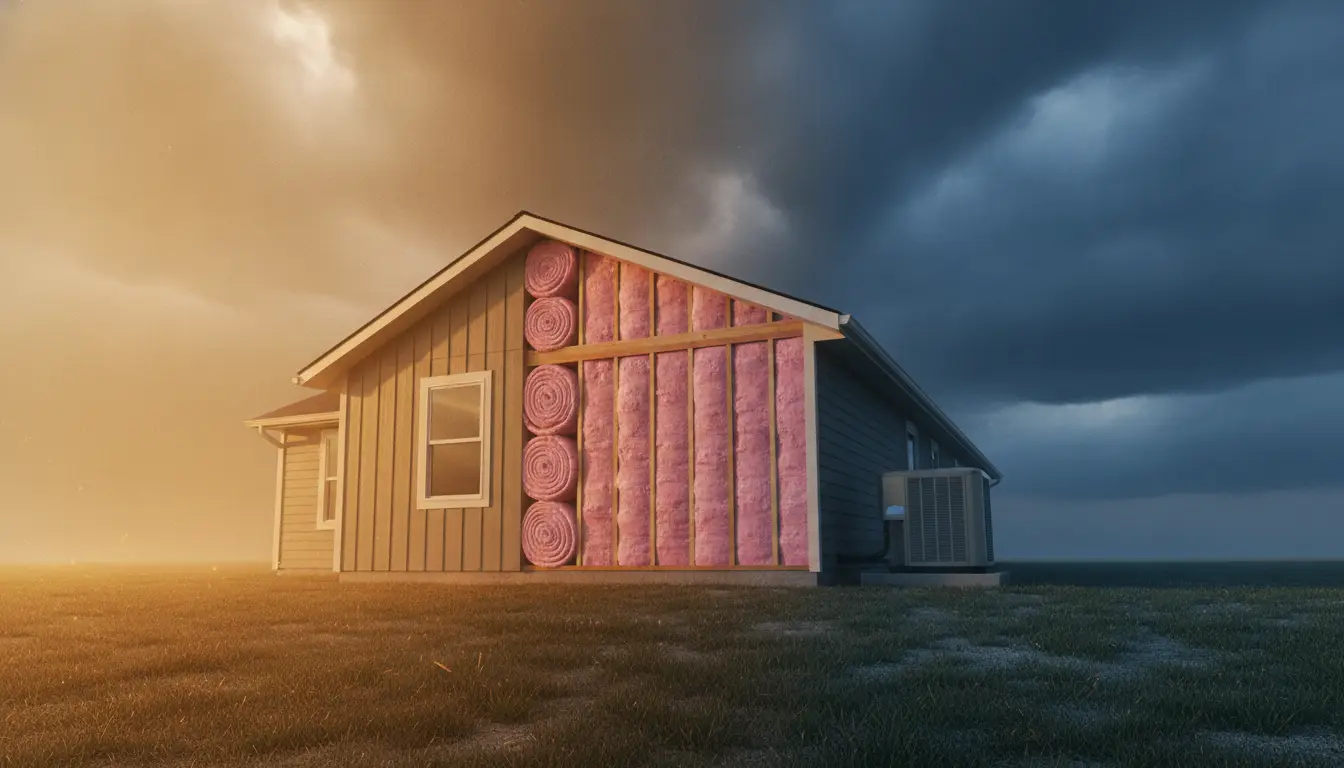
The core idea doesn’t change when you prepare for extreme cold. It demands a thorough assessment of your current heating setup, from insulation to draft protection on windows and doors.
AirAce Heating & Cooling recommends high-efficiency heat pumps to reduce the cost of keeping your home comfortable. Check efficiency ratings and compliance with regional standards before making major changes.
Post Natural Disaster HVAC Management
If your home is in a region that has experienced a natural disaster recently, chances are your HVAC system faced the brunt of it.
For example, wildfire-afflicted zones may have high concentrations of soot in the air. When you turn on the AC to keep the indoor air clean, how sure can you be that wildfire smoke did not enter the house? Professional disaster restoration & cleaning becomes essential in such cases.
Disaster Masterz explains that mold, smoke, and soot can all adversely affect the indoor air quality. Remediating the harmful effects of these elements is necessary for the health of your HVAC unit as well as that of your home’s occupants.
Wildfire smoke, in particular, has been linked to respiratory problems. It can also make things worse for people who already face concerns like asthma or pneumonia.
Disaster management will cover removing excess water (and water-damaged parts), checking ductwork, and assessing the filtration systems.
Keeping Your HVAC Prepared for Everything: At a Glance
|
Maintenance Task |
What to Do |
|
Check air filters |
Clean or replace as recommended. |
|
Clear outdoor units |
Remove leaves and debris. |
|
Review thermostat settings |
Adjust for seasonal changes. |
|
Check insulation |
Seal drafts around doors and windows. |
|
Watch for warning signs |
Look for leaks, unusual noises, or poor performance. |
|
Schedule maintenance |
Arrange regular professional servicing. |
|
Prepare for outages |
Plan for heating and cooling interruptions. |
|
Inspect after storms |
Check for flood, smoke, or electrical damage. |
FAQs
How Often Should I Get My HVAC System Serviced?
Schedule professional HVAC maintenance at least once a year, with separate seasonal checks for heating and cooling, where recommended by the manufacturer. Regular servicing can help identify potential issues, maintain performance, and prepare your system for periods of heavy use.
How Do I Protect My Outdoor HVAC Unit During Storms?
Follow the manufacturer’s guidance for severe weather. Start by keeping the area around the unit clear of loose debris and ensuring the recommended airflow clearance. Also, avoid covering the unit with materials that restrict ventilation. Have the equipment professionally inspected before operating it after an emergency.
What Should I Do If My HVAC System Stops Working During a Power Outage?
Follow the manufacturer’s instructions for restarting it when power returns. Keep blinds or curtains closed during hot weather, or use appropriate insulation and safe alternative warmth during cold weather. If you plan to use backup power, ensure that it is compatible with your HVAC equipment and installed by a qualified professional.
Taking Responsibility for Indoor Air Quality
With the rise in unexpected weather events, indoor air quality and comfort have become a concern. Ignoring it isn’t an option, as you may see health repercussions and face overall discomfort. (Air-purifying plants or synthetic scents are not a dependable solution either.)
Homes must slowly build deeper preparedness for all the weather brings. It is key to a sustainable, resilient life where comfort reigns supreme.