How to Wash Bed Sheets: Steps, Tips and Mistakes
Clean bed sheets do more than make your bed feel fresh. They help remove sweat, body oils, dust, and other buildup that can collect over time.
While washing sheets seems simple, using the wrong detergent, water temperature, or cycle can affect their softness and lifespan. Different materials often need different care.
If you’re wondering how to wash bed sheets the right way, this blog covers the key steps, recommended settings, and practical tips to keep your bedding clean, comfortable, and in good condition.
Why Washing Bed Sheets the Right Way is Worth It
Your bed sheets collect sweat, body oils, dust, and other everyday debris while you sleep. Over time, this buildup can make bedding feel less fresh and comfortable.
Washing sheets the right way helps remove dirt effectively while protecting the fabric. It can also help maintain softness, color, and overall quality for longer.
Using the correct detergent, water temperature, and wash cycle makes a noticeable difference. A few simple habits can keep your bedding clean and in good condition between washes.
Proper care can also help reduce unnecessary wear from frequent washing. This means your sheets can stay comfortable and look their best for longer.
How Often Should You Wash Bed Sheets?
Most experts recommend washing bed sheets every one to two weeks. Regular washing helps remove sweat, body oils, dust, and other debris that can build up on the fabric.
Some people may need to wash their sheets more often. This includes pet owners, allergy sufferers, hot sleepers, and anyone who sweats heavily during the night.
As a general rule, weekly washing helps keep bedding cleaner and can extend the life of your sheets. If you wait longer than two weeks, dirt and oils can become harder to remove during a normal wash cycle.
| Sleeper Type | Recommended Washing Frequency |
|---|---|
| Most adults | Every 1–2 weeks |
| Allergy sufferers | Once a week |
| Pet owners | Once a week |
| Hot sleepers | Once a week |
| Sick household members | Immediately after recovery |
Tip: If washing your entire bedding set every week feels like too much, start by changing pillowcases every few days. They tend to collect the most oil, sweat, and skincare products.
How to Wash Bed Sheets: Step-by-Step Instructions
Washing bed sheets correctly helps remove dirt, sweat, and everyday buildup while keeping the fabric in good condition. Follow these five simple steps for clean, fresh bedding.
What You’ll Need
| Item | Purpose |
|---|---|
| Mild laundry detergent | Helps remove dirt, sweat, body oils, and everyday buildup without being too harsh on the fabric |
| Stain remover (optional) | Useful for treating makeup, food, sweat, or other stubborn stains before washing |
| Washing machine | Provides thorough cleaning while allowing you to choose the appropriate settings for the fabric |
| Dryer or drying rack | Helps dry sheets completely and prevents moisture from lingering in the fabric |
| Laundry basket |
Keeps sheets organized before washing and after drying |
Note: If your sheets have specific care instructions, you may also want to check the care label before getting started. Using the right products and settings can help maintain softness, color, and overall fabric quality.
Step 1: Separate Sheets by Color and Fabric

Sort your sheets into separate loads based on color and material. Washing whites, darks, and bright colors separately can help prevent color bleeding.
It’s also a good idea to wash delicate fabrics separately from heavier materials. This helps reduce unnecessary friction during the wash cycle.
Step 2: Treat Stains Before Washing
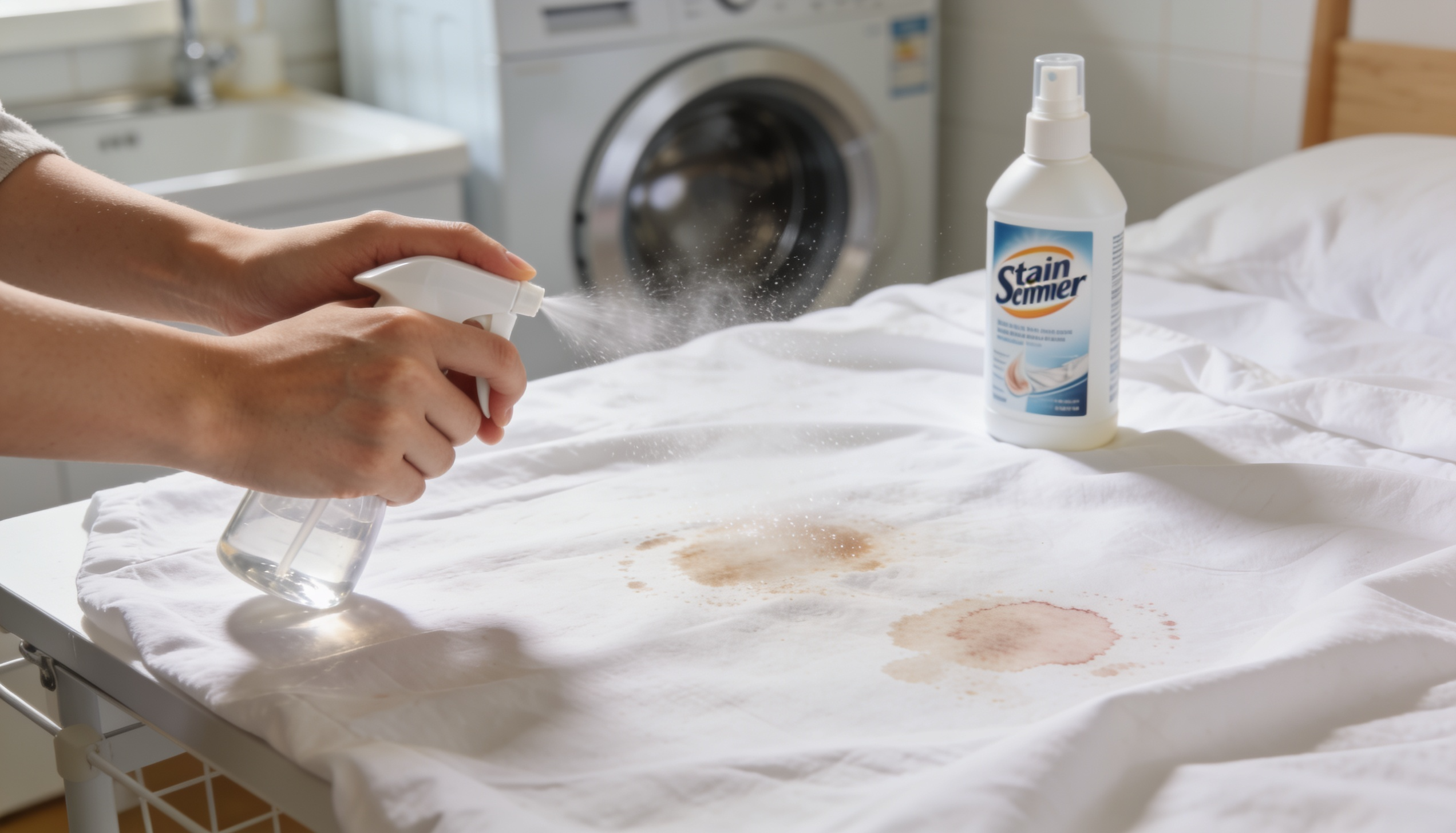
Check your sheets for visible stains from sweat, makeup, food, or spills. Applying a stain remover before washing can improve your chances of removing stubborn marks.
Allow the product to sit for a few minutes before placing the sheets in the washer. Always follow the instructions provided on the stain remover.
Step 3: Add Detergent and Choose the Right Settings

Use a mild laundry detergent and measure it according to the product directions. Too much detergent can leave residue on the fabric and affect softness.
Select the appropriate water temperature and wash cycle based on the sheet material. When in doubt, refer to the care label for guidance.
Step 4: Wash Without Overloading the Machine

Place the sheets loosely in the washer so they have enough room to move around. This allows water and detergent to reach all areas of the fabric.
An overloaded machine may not clean effectively and can leave sheets tangled at the end of the cycle. Smaller loads often produce better results.
Step 5: Dry Sheets Completely
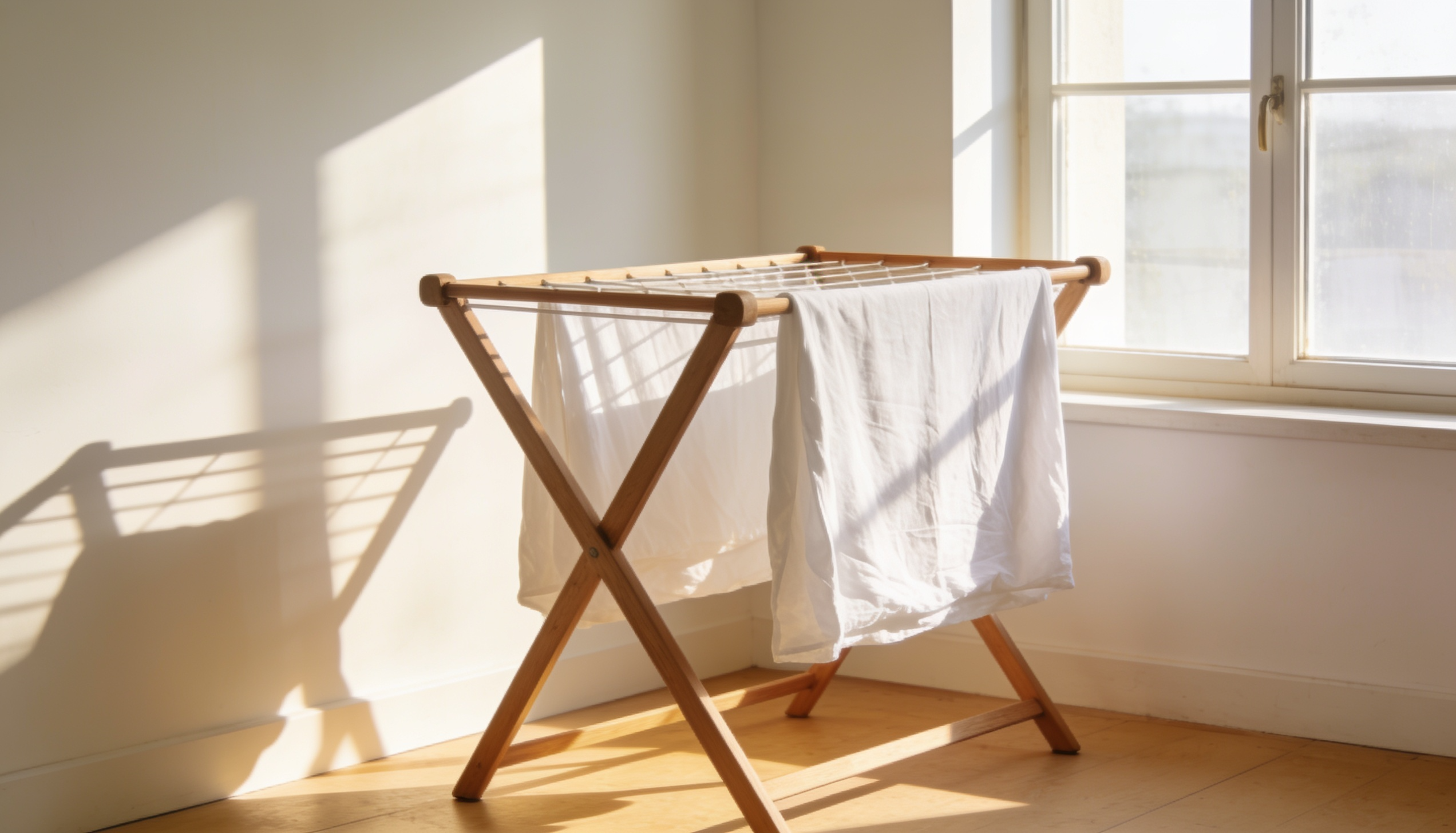
Transfer the sheets to the dryer or a drying rack as soon as the wash cycle finishes. Prompt drying helps prevent moisture-related odors from developing.
Make sure the sheets are fully dry before folding or putting them back on the bed. Any remaining dampness can affect freshness and comfort.
How to Wash Your Sheets for the Best Results
Knowing how to wash sheets correctly can help keep them fresh, soft, and comfortable for longer. A few simple habits can also help reduce unnecessary wear.
- Use warm water for most cotton sheets: Warm water with a normal cycle works well for everyday cotton sheets because it balances cleaning power with fabric care.
- Choose cold water for delicate fabrics: Materials like silk, bamboo, linen blends, or delicate weaves usually do better with cold water and a gentle cycle.
- Pick a medium spin speed: It helps remove excess water without putting too much stress on the fabric.
- Avoid very high spin settings: Extremely high spin speeds can increase wrinkling and may wear down the fabric faster.
- Check the care label first: The care label gives the safest washing instructions based on the fabric type and finish.
- Do not overload the washer: Sheets need room to move freely so water and detergent can clean them properly.
- Use the right amount of detergent: Too much detergent can leave buildup on sheets, while too little may not clean them well
Common Mistakes to Avoid
Even if you wash your sheets regularly, a few common mistakes can affect their cleanliness, comfort, and lifespan. Avoiding these habits can help keep your bedding in better condition.
| Common Mistake | What Can Go Wrong | Better Approach |
|---|---|---|
| Using Too Much Detergent | Excess detergent can leave residue on the fabric and make sheets feel stiff. | Use the recommended amount based on load size and detergent type. |
| Overloading the Washing Machine | Crowded loads stop sheets from moving freely, which can lead to less effective cleaning. | Wash sheets in a roomy load so water and detergent can circulate properly. |
| Washing Sheets with Towels | Towels create more friction and can increase wrinkling or affect drying time. | Wash sheets separately from heavy towels for better results. |
| Not Treating Stains First | Some stains become harder to remove after a full wash cycle. | Pre-treat stains before washing to improve the chance of removal. |
| Storing Slightly Damp Sheets | Leftover moisture can reduce freshness and may lead to unwanted odors. | Make sure sheets are fully dry before folding and storing them. |
Final Thoughts
Keeping your bedding clean doesn’t have to be complicated. Using the right detergent, wash settings, and drying methods can help maintain the comfort and quality of your sheets.
Regular washing removes everyday buildup and helps create a cleaner sleeping environment. It can also help your sheets stay soft and last longer.
Now that you know how to wash bed sheets properly and what to use to wash them, you can wash your bedding with confidence and get better results every time.
Frequently Asked Questions
Can New Bed Sheets Be Washed Before First Use?
Yes, it’s a good idea to wash new sheets before using them. This can help remove packaging residues and make the fabric feel softer.
Is Fabric Softener Recommended for Bed Sheets?
Fabric softener can leave a coating on some fabrics, which may reduce breathability. Check the care label before using it regularly.
What’s the Best Way to Store Clean Bed Sheets?
Store sheets in a cool, dry place away from direct sunlight. Keeping each sheet set folded together can make them easier to organize and access.