How to Prune Plants: Techniques & Best Practices
A healthy garden doesn’t happen by accident. Behind every well-shaped plant is a gardener who knows when to cut, what to cut, and how to do it right.
Pruning is one of those skills that looks simple but makes a real difference.
Get it right, and your plants grow stronger, bloom more, and stay healthy for longer. Get it wrong, and even a well-watered, well-fed plant can struggle.
This guide covers everything: the right tools, the right cuts, the right timing, and what to do for different plant types, so you can get results without the guesswork.
What Is Pruning?
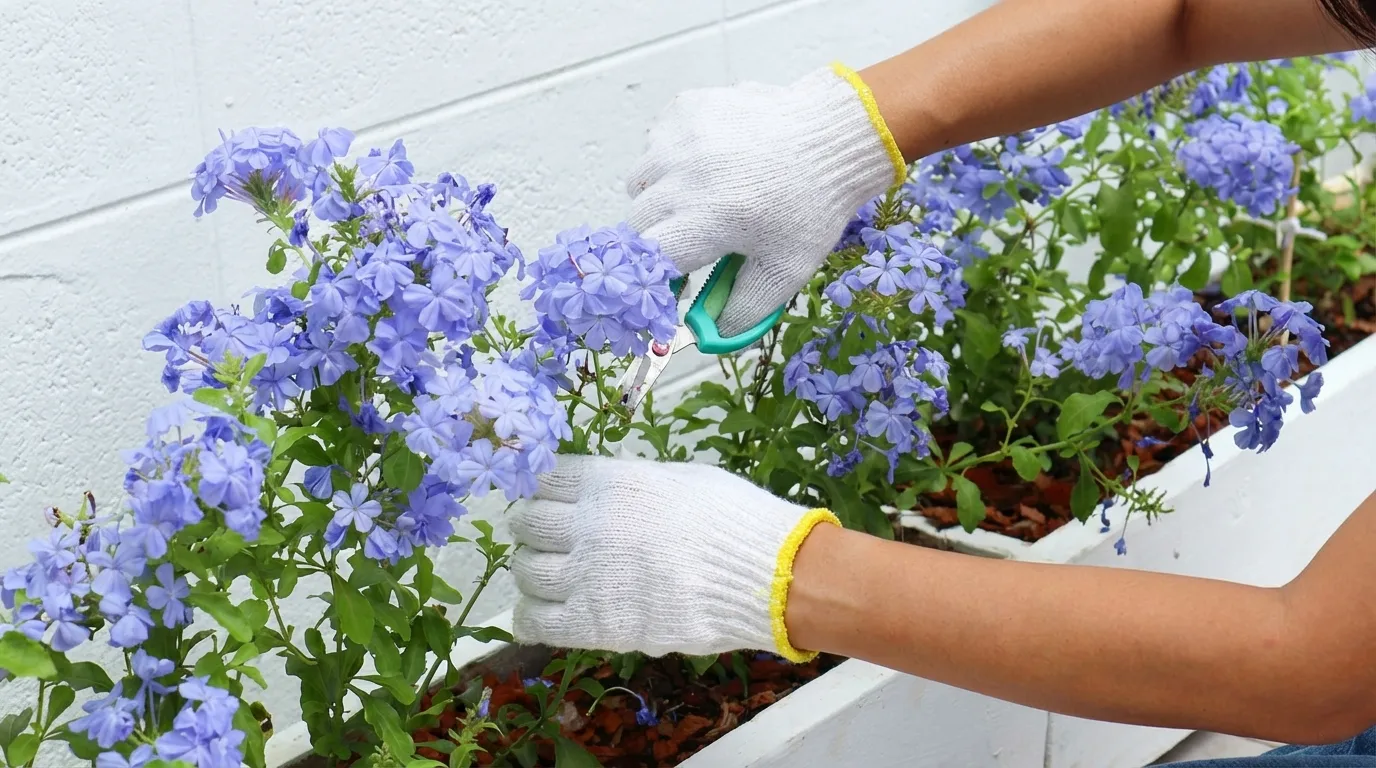
Pruning means cutting away specific parts of a plant’s branches, stems, buds, or roots with a clear purpose.
But it’s more than just cutting. Plants naturally grow in all directions, and not all of that growth is useful or healthy.
Pruning lets you step in and direct the plant’s energy toward stronger, more productive growth.
Most plants are far more resilient than people think. A clean, well-placed cut heals quickly, and the plant comes back stronger for it.
When Should You Prune?
The best time to prune is right after a plant finishes flowering. Cut too early, and you risk removing buds that haven’t opened yet, costing you a full season of blooms.
For most trees and shrubs, late winter works best. When in doubt, watch your plant’s natural cycle first.
Keep these in mind:
- Prune after flowering, once blooms have fully faded
- Spring-blooming plants: prune in late spring
- Summer-blooming plants: prune in late winter or early spring
- Always observe before you cut
Benefits of Pruning
Pruning does a lot more than make a plant look good. It can completely change how a plant grows and how long it stays healthy, making it one of the most valuable habits you can build as a gardener.
Take a look at what regular pruning can do for your plants:
- Encourages new growth: Cutting back old or leggy stems pushes the plant to produce fresh, stronger growth.
- Improves air circulation: Removing crowded branches lets air move freely through the plant. This lowers the risk of fungal disease.
- Lets in more light: Thinning out dense areas allows sunlight to reach the inner parts of the plant.
- Removes problem areas: Dead, diseased, or damaged growth can spread harm. Removing it early protects the rest of the plant.
- Shapes the plant: Regular pruning keeps plants looking neat and growing in the direction you want.
Pruning vs. Trimming vs. Deadheading
These three terms are often confused, but each has a distinct purpose that helps you choose the right approach for your plant.
| Aspect | Pruning | Trimming | Deadheading |
|---|---|---|---|
| What It Involves | Removing specific branches or stems | Cutting back overgrown growth | Removing spent or dead flowers |
| Primary Purpose | Improve plant health or shape | Maintain a clean, neat appearance | Redirect energy into new blooms |
| Tools Used | Hand pruners, loppers, pruning saws | Hedge shears, electric trimmers | Fingers, hand pruners, scissors |
| How Often | Once or twice a season | Every few weeks during growing season | Throughout the entire blooming season |
| Best For | Trees, shrubs, fruit plants | Hedges, topiaries, borders | Flowering plants and roses |
Tools Needed
Having the right tools makes pruning easier, safer, and better for your plants. Here’s everything you need before you start:
| Tool | Best For | Key Notes |
|---|---|---|
| Hand Pruners | Small stems up to ¾ inch thick | Go for bypass pruners for clean, precise cuts |
| Loppers | Branches between ¾ inch and 2 inches thick | Long handles give extra reach and leverage |
| Pruning Saw | Large limbs thicker than 2 inches | Blade cuts on the pull stroke for easy control |
| Hedge Shears | Hedges, shrubs, and topiaries | Covers more surface area quickly |
| Gloves | Hand protection | Shields against sharp edges and thorny stems |
| Safety Glasses | Eye protection | Keeps debris and falling material away from your eyes |
| Sterilizing Solution | Cleaning blades between cuts | Use rubbing alcohol or a diluted bleach mix |
Note: Always clean and sharpen your tools before a pruning session. Dull or dirty blades tear stems instead of cutting cleanly, which stresses the plant and can spread disease.
How to Prune Plants: Step-by-Step

Good pruning comes down to knowing what to cut, how to cut it, and how much to remove. Once you get these four steps right, the whole process becomes far less intimidating.
Here’s how to do it:
Step 1: Start With the 3 D’s: Dead, Diseased, Damaged Wood
Before anything else, clear out the problem areas. Dead wood looks brittle and dry with no green under the bark, so cut back until you reach healthy tissue.
Diseased wood shows spots, mold, or soft areas and must be fully removed.
Damaged wood from wind or pests should be cut cleanly just above a healthy bud. Sorting this out first protects the rest of the plant before you move on.
Step 2: Choose the Right Type of Cut
The cut you make determines how the plant grows afterward. A heading cut removes the tip of a stem, encouraging fuller, bushier growth, best for shrubs.
A thinning cut removes an entire branch at its base, opening the canopy and improving airflow, ideal for trees and dense shrubs.
Pinching nips off soft-growing tips with your fingers, and works well for herbs and houseplants. Take a moment before each cut to think about the result you want.
Step 3: Make a Clean, Proper Cut
Cut at a 45° angle, sloping away from the bud, so water runs off the wound rather than sitting on it.
Always cut about ¼ inch above an outward-facing bud or node to direct new growth away from the center.
When removing a branch, cut just outside the branch collar, the raised ring where the branch meets the trunk. Never leave a stub behind, as stubs die back and invite disease into the plant.
Step 4: Follow the One-Third Rule
No matter how overgrown a plant looks, never remove more than one-third of it in a single session.
Taking too much at once puts the plant under serious stress and limits its ability to recover. If a plant needs heavy work, spread it across two to three seasons instead.
Steady, consistent pruning over time builds a far stronger, more resilient plant than a single aggressive cutback ever will.
Pruning Different Plants: Season-by-Season Guide
Every plant has its own pruning window. Getting the timing right for each one means healthier growth, more blooms, and better results all year long.
1. Flowering Shrubs
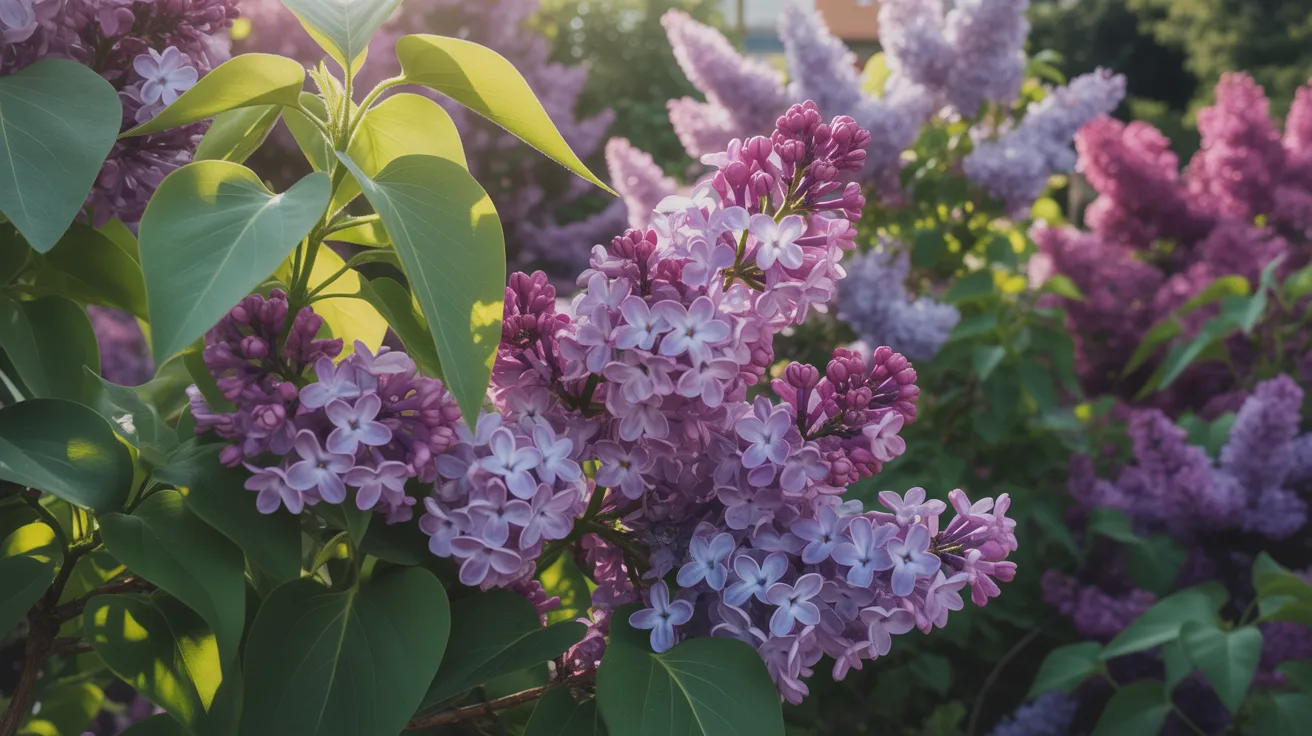
Timing is everything with flowering shrubs. Pruning at the wrong time can cost you an entire season of blooms, so always let the flowering cycle guide your cuts.
Always wait until blooms have fully faded before picking up the shears.
- Spring-blooming shrubs (lilac, forsythia): Prune right after flowers fade, never in fall or winter, or you’ll remove next year’s buds
- Summer-blooming shrubs (butterfly bush, rose of Sharon): Prune in late winter or early spring before new growth begins
2. Trees
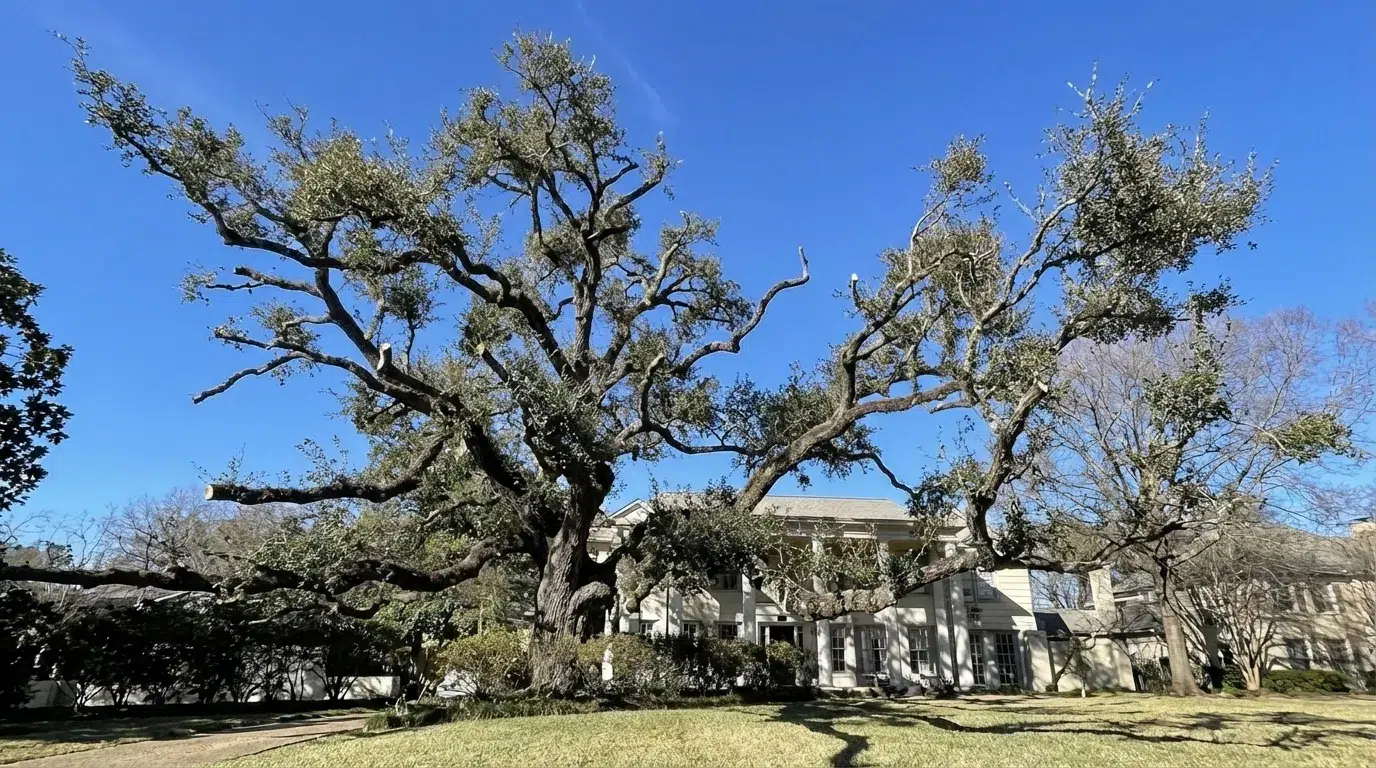
Pruning fruit trees directly affects how much fruit you get. The goal is to let in light and keep the tree manageable year after year.
- Open center shape: Best for peaches and plums, removes the central leader so branches spread outward like a vase
- Central leader shape: Best for apples and pears, keeps one main upright trunk with side branches for a strong, balanced structure
Remove old, unproductive wood each year to push energy into new fruiting wood.
Cut away water sprouts and suckers as soon as you spot them, they drain energy without producing any fruit.
3. Roses
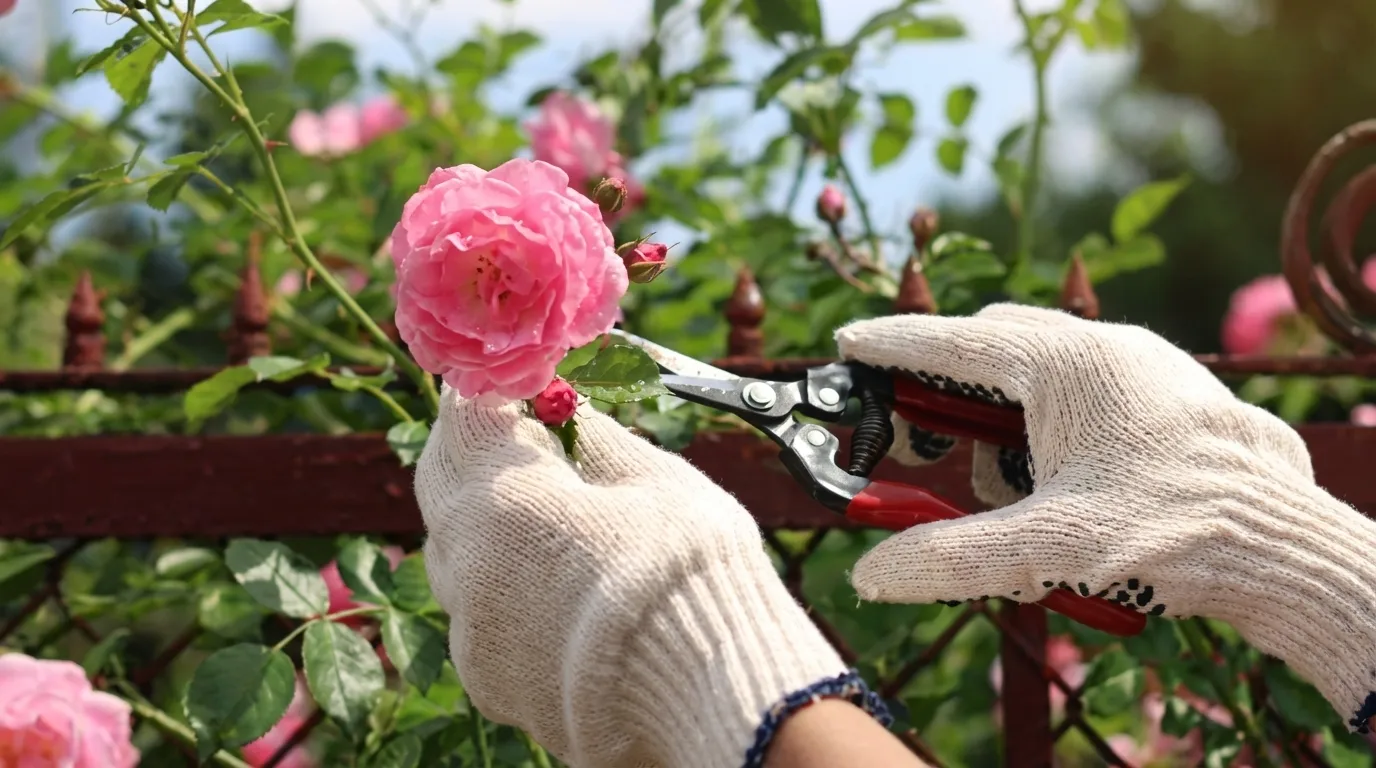
Roses respond well to regular pruning and reward you with more blooms and stronger growth throughout the season.
- Early spring: Cut stems back by one-third to one-half just as new buds start to swell
- Throughout the blooming season: Remove spent flowers by cutting just above the first set of healthy leaves
- Hybrid tea roses: Prune hard in spring, down to 3–5 strong outward-facing canes
- Climbing roses: Remove old, non-flowering canes after blooming and train new canes along supports
- Shrub roses: Light shaping only — remove dead wood and tidy up each spring
4. Hedges and Topiaries
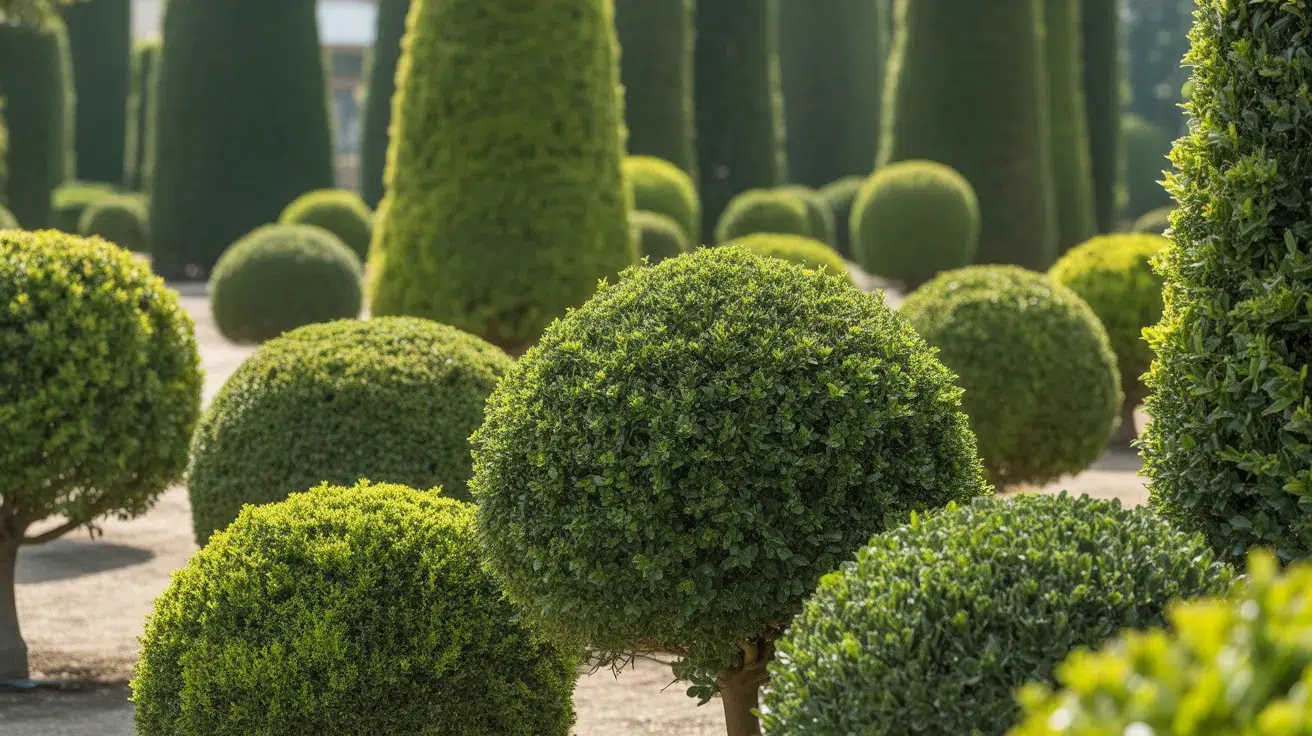
Regular, light trimming works far better than infrequent heavy cutting. Consistency is the key to keeping hedges dense and topiaries sharp.
- Fast-growing hedges (like privet): Trim every 4–6 weeks during summer
- Slow-growing hedges (like boxwood): 2–3 cuts a year is enough
Always work from the bottom up, so the cut material falls away as you go. Use a taut string line as a guide for flat tops and clean, even edges.
5. Houseplants
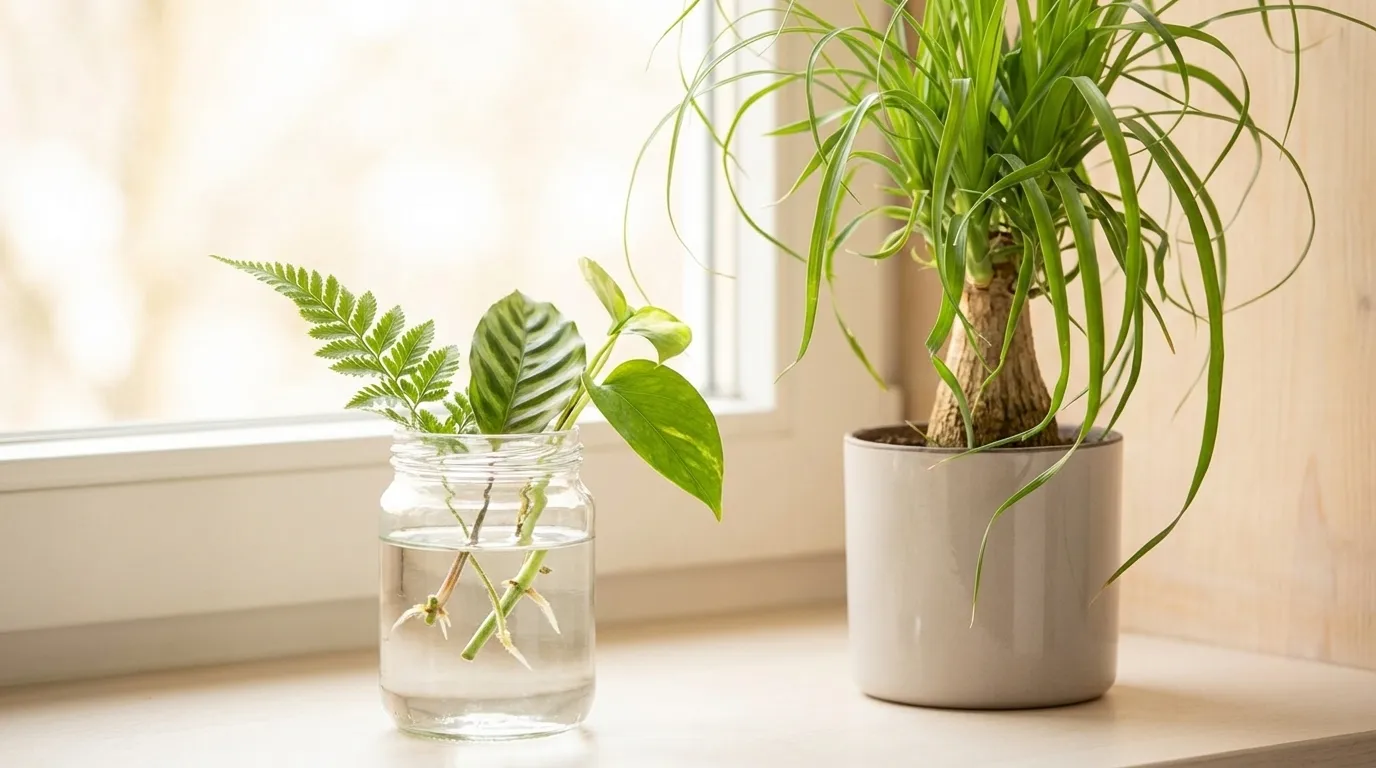
Indoor plants need pruning, too. A quick tidy-up every few weeks keeps them looking fuller and growing in the right direction.
Pinch off growing tips of leggy stems to encourage bushier, more compact growth.
Remove yellow leaves as soon as you spot them, they drain energy from healthy ones.
Don’t throw away healthy cuttings. Plants like pothos and coleus can be rooted in water or soil to grow new plants for free.
Quick Overview:
| Plant Type | Best Time to Prune |
|---|---|
| Spring-Blooming Shrubs | Late spring, after flowering |
| Summer-Blooming Shrubs | Late winter or early spring |
| Trees | Late winter, during dormancy |
| Fruit Trees | Late winter, during dormancy |
| Roses | Early spring blooming season |
| Hedges and Topiaries | Every 4–6 weeks or 2–3 times a year |
| Houseplants | Year-round, as needed |
Common Pruning Mistakes to Avoid
Even well-meaning pruning can backfire. Avoiding these common mistakes will save your plants a lot of unnecessary stress:
- Topping trees: Leaves blunt stubs, weakens structure, and triggers disease-prone growth. Use proper thinning cuts instead.
- Pruning at the wrong time: Strips buds before they bloom or pushes tender new growth into frost damage.
- Using dull or dirty tools: Tears stems and spreads disease between plants. Keep blades sharp and sterilized always.
- Over-pruning: Removing too much at once shocks the plant. Never take more than one-third in a session.
- Ignoring plant-specific needs: Every plant is different. Always check what yours needs before picking up the shears.
A little awareness goes a long way. Sidestep these mistakes and your plants will recover faster, grow stronger, and reward you with better results each season.
Conclusion
Learning how to prune plants doesn’t have to be complicated. Use the right tools, cut at the right time, and never remove more than one-third of a plant at once.
Start with the 3 D’s- dead, diseased, and damaged wood, and work from there. Every plant is different, so a little research before you cut goes a long way.
If you’re new to pruning, start small. Pick one plant, make a few careful cuts, and see how it responds.
Tried these tips in your garden?
Share your results in the comments below or drop a question if you’re unsure about a specific plant. We’d love to hear how it goes.
Frequently Asked Questions
What Happens If I Use Dull Or Dirty Pruning Tools?
Dull blades tear stems instead of cutting cleanly, which stresses the plant and slows healing. Dirty tools can also spread disease from one plant to another, so always clean and sterilize your blades between uses.
How Do I Know If A Branch Is Dead?
Scratch the bark lightly, green underneath means the branch is alive, brown means it’s dead. Dead wood also tends to look brittle and dry with no signs of new growth.
When Should I Call A Professional Instead Of Pruning Myself?
For large tree limbs, branches near power lines, or signs of serious disease, it’s best to call a certified arborist. Big tree work can be dangerous without the right equipment and experience.