How to Make a Room Feel Bigger: 7 Smart Tips
Does your room feel tight, even when it’s not that small? I know how frustrating that can be. There are simple ways to make a room feel bigger without tearing anything down.
The good news is, you don’t need to start a big remodel to fix it. Small updates like how you use light, where you place furniture, or even which curtains you hang, can change how your space feels.
In this post, I’ll walk you through easy tips that work in any room, whether it’s a bedroom, a living room, or a small corner.
If you’re ready to make your space feel lighter and more usable, this is a great place to start.
Why Rooms Feel Small in the First Place
Even when a room isn’t that small, it can still feel tight and uncomfortable. Overcrowding, poor lighting, and dark color schemes can all contribute to a space feeling more confined than it really is.
Too much furniture can block movement and make the room feel cluttered. Dark colors absorb light and visually bring the walls together.
Curtains hung too low shorten the room’s perceived height, and weak lighting can cast shadows that make corners feel closed off.
Core Strategies to Make a Room Feel Bigger
Small design choices can make a big difference in how open a space feels. These core strategies use color, light, layout, and furniture to help any room feel more open and inviting.
1. Use Mirrors and Natural Light to Expand the Space

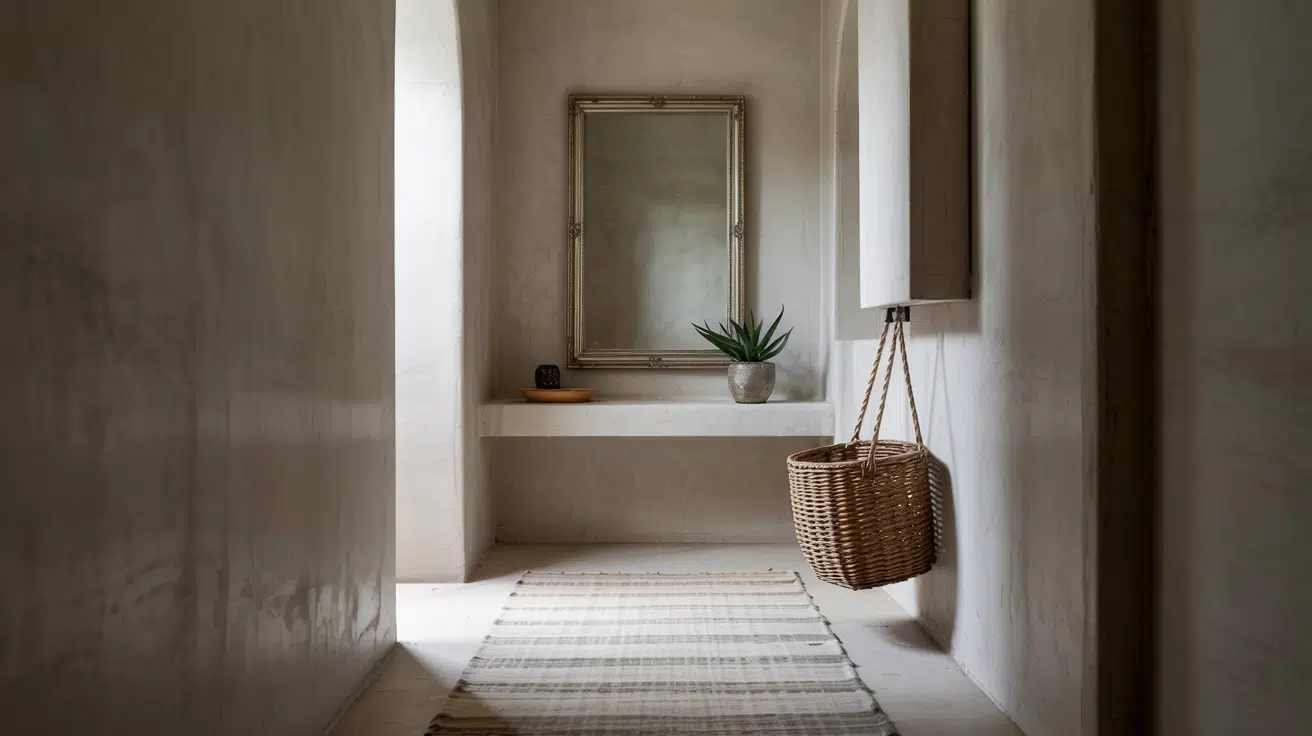
Mirrors are one of the easiest and most effective ways to make a room feel bigger. They bounce light around the room and reflect both sunlight and indoor lighting.
A mirror across from a window brings in more daylight and makes the wall seem farther away. You can also place mirrors behind furniture or near corners to make dark spots feel brighter.
Natural light removes shadows, highlights corners, and makes colors look brighter.
If you cover windows with heavy curtains, you block that fresh light. Instead, use blinds, light drapes, or shades that can be fully opened.
Keep windows clean and clear of furniture so the light spreads across the space. If your room doesn’t get much sunlight, use mirrors to help reflect the light.
2. Stick to a Light, Unified Color Palette

Wall and ceiling colors play a significant role in determining how open a space feels.
Light shades, such as white, cream, light gray, or pale blue, reflect more light and make the walls feel farther apart. These colors help brighten dark corners and soften shadows.
Keep the ceiling and trim in similar light tones to blend edges and avoid visual breaks. Matching curtains to wall color also creates a more seamless look.
Too many colors in one room can make it feel cluttered and disjointed. Try picking 2 or 3 main colors and repeating them throughout the space. This helps everything flow together and keeps the eye moving.
Dark colors tend to absorb light and shrink visual space, making them best avoided in small rooms.
3. Use High, Light Curtains That Blend with the Wall
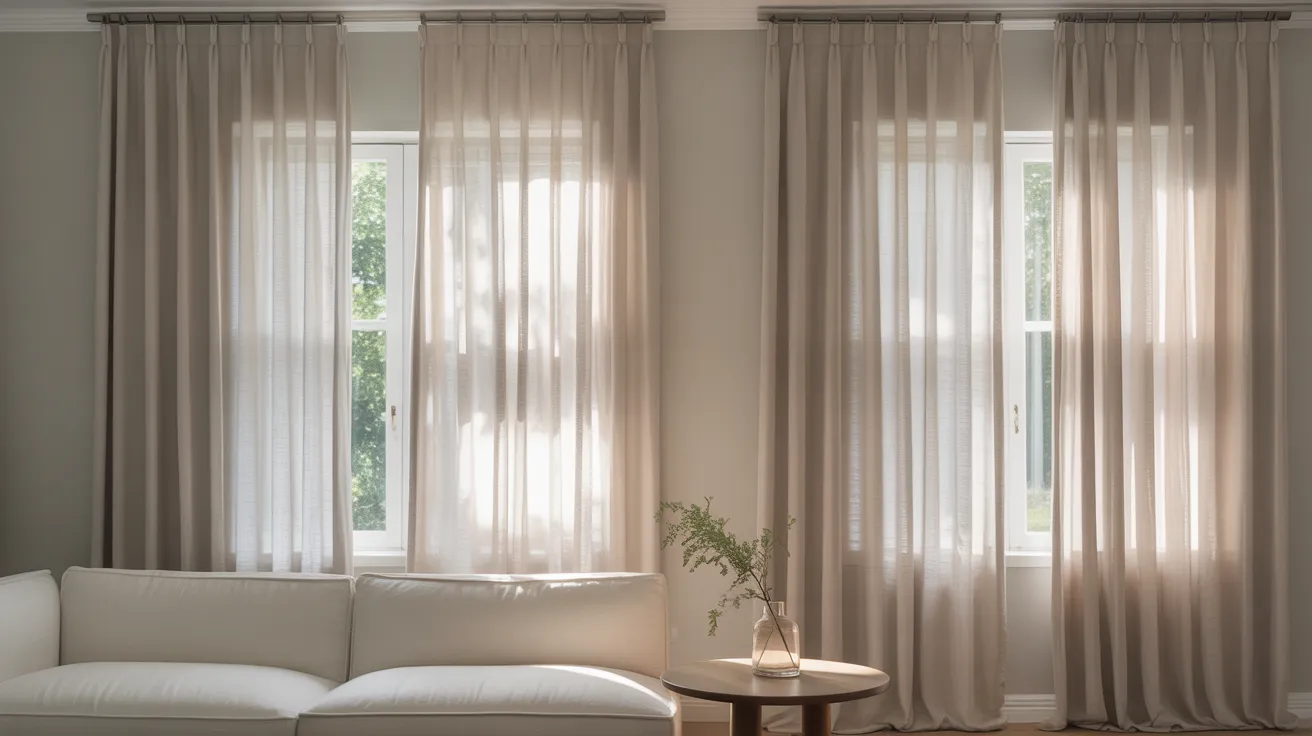
Instead of hanging curtains right above the window, hang them near the ceiling. This makes your walls look taller and gives the room a more stretched-out feel.
Use long curtains that fall all the way to the floor for the best effect. Choose light fabrics like linen or sheer panels that let sunlight in while still giving you privacy.
Stick with soft colors that match your walls to avoid contrast that breaks up the space.
You can also use wider curtain rods that extend past the window edges, letting in more light and making the window appear larger. Renter? Try adhesive hooks or tension rods.
4. Choose Light, Scaled Furniture with Airflow Around It
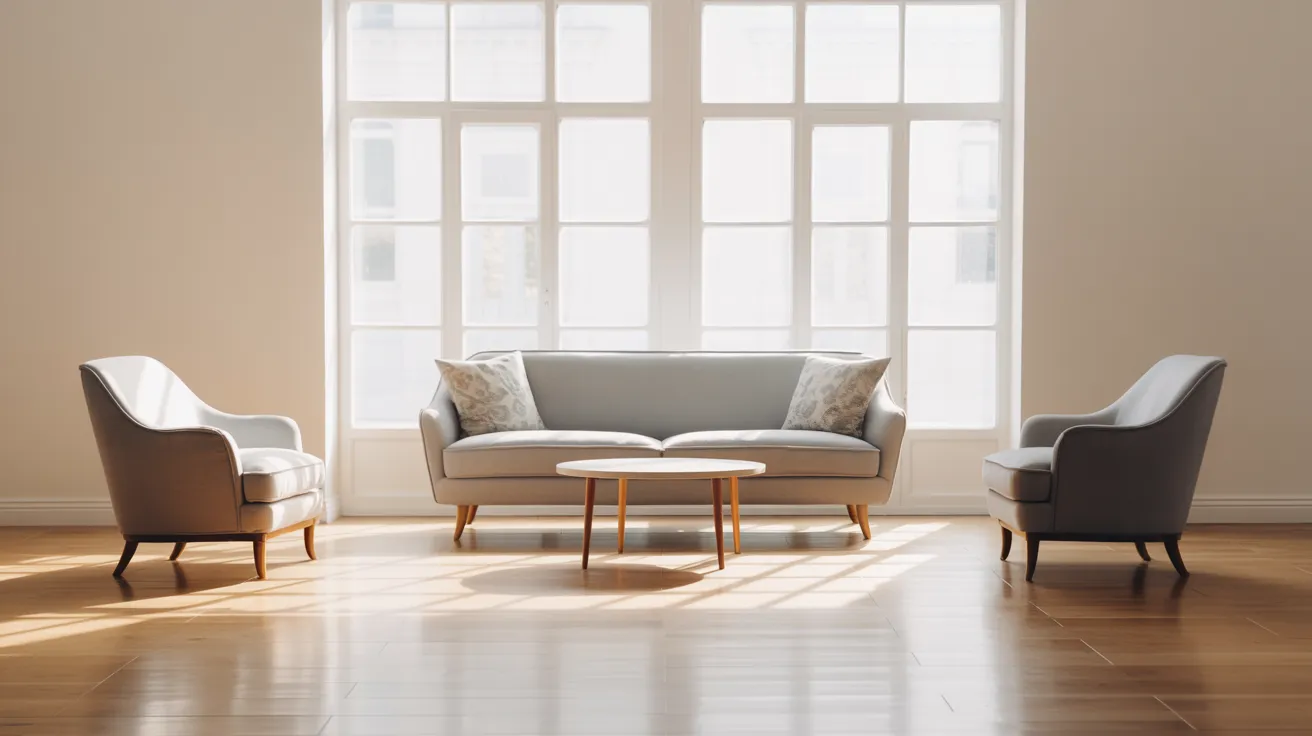
Furniture that sits flat on the ground can make a room feel closed off. Pick chairs, sofas, or tables with legs to allow more of the floor to show.
This makes the room look more open and easy to walk through.
Opt for furniture with thin, clean lines and raised bases. In small rooms, try slim sofas, armless chairs, and small round tables instead of bulky sectionals or giant bookcases.
Group smaller pieces like two chairs or a loveseat and a chair instead of one large piece. Leave a few inches between furniture and walls to create depth and better airflow around the room.
5. Minimize Clutter with Smart, Multi-Use Storage
Too much stuff in one place makes even big rooms feel tight. Clear off tables, shelves, and counters so that only the things you use or love are left.
Less clutter means more visible space, which helps your room feel open and calm. Try to store items in bins, drawers, or baskets out of view.
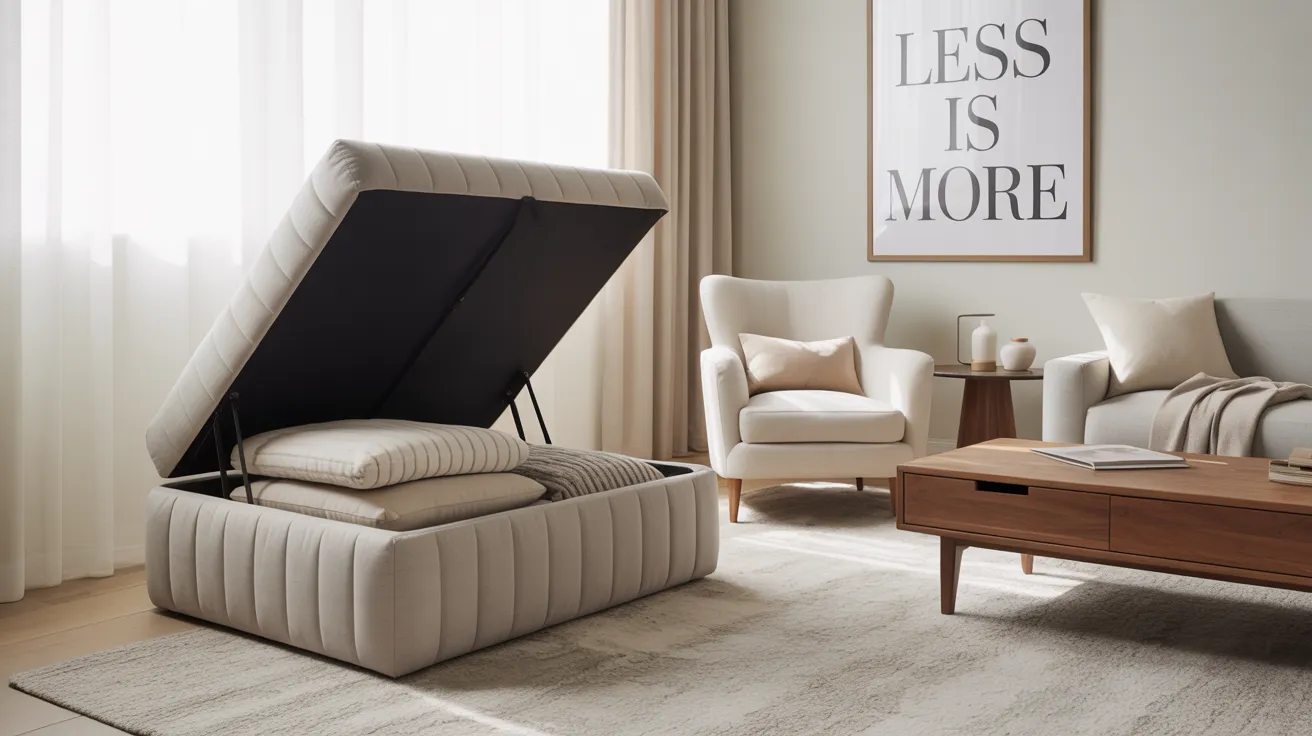
Use multi-functional furniture: ottomans that open for storage, beds with built-in drawers, and coffee tables with hidden compartments.
These items help you stay organized and reduce the need for extra furniture. A clean layout with hidden storage makes the space feel lighter, more useful, and easier to live in.
6. Use Vertical Space for Lighting, Storage, and Decor

When you can’t go wider, go higher. Add tall shelves, narrow bookcases, or vertical wall art to draw the eye upward. This makes the ceiling feel higher and the room feel larger overall.
Floating shelves or wall-mounted organizers free up floor space and keep rooms cleaner.
Wall-mounted lighting like sconces and swing-arm lamps also reduces surface clutter while drawing the eye upward.
Vertical space is often overlooked but can drastically improve function and appearance in tight rooms.
7. Keep Floor Lines Open with Elevated or See-Through Furniture

Furniture made from clear materials like glass or acrylic doesn’t block your view, which helps the room feel bigger. A glass coffee table lets you see the floor under it, so it doesn’t break up the space.
Raised furniture that shows the floor underneath keeps the visual weight low and the space feeling open. Use area rugs to define zones, but make sure they aren’t too small or too busy.
Leave walkways clear to avoid visual blocks, and keep larger furniture off the floor or pushed back so that light can move around freely.
Room-by-Room Space-Saving Ideas
With the right layout and storage, every room in your home can feel bigger. Instead of using the same tricks in every space, try solutions that match the room’s purpose.
From bedrooms to bathrooms, small changes in setup and design can help you use every inch of space wisely.
Small Bedroom Tips

Bedrooms often have limited floor space, so it’s important to make the most of what you have. Under-bed storage is perfect for keeping extra clothes, blankets, or shoes out of sight.
Use bed frames with drawers or bins for easy access. Wall-mounted lamps save nightstand space, and vertical shelving lets you store more without using the floor.
You can also use floating nightstands or slim dressers. Stick to a calm color palette, remove clutter, follow the general strategies mentioned above, and use mirrors to reflect light and help the room feel more open.
Small Living Room Tips

A small living room can still be cozy and stylish with the right choices. Sectionals are great if they fit your layout better than separate chairs. They also help define the space without breaking it up.
A corner TV unit makes smart use of unused space and keeps the flow open. Choose ottomans that store blankets or toys, giving you extra function in one piece.
Keep furniture to scale, avoid blocking windows, and remove clutter, following the general strategies mentioned above. Use mirrors or light rugs to brighten up the space and make it feel larger.
Small Kitchen Ideas

Kitchens get used daily, so saving space is key. Open shelving works well because it keeps the walls light and helps the room feel less boxed in.
A glossy backsplash, especially in white or neutral tones, helps light bounce around more effectively.
Select slim, tall cabinets or drawer organizers to maintain a neat appearance. Use hanging rails for tools, hooks for mugs, and stackable containers.
Remove clutter, following the general strategies mentioned above. Keeping countertops clean and using multi-purpose tools also keeps the kitchen feeling open and easy to use.
Bathroom Space Tricks

Bathrooms may be small, but they don’t have to feel cramped. A frameless glass shower keeps the sightline open, helping the space feel larger.
Pedestal sinks or wall-mounted vanities free up floor space and add breathing room. Use large tiles with light grout to visually expand the floor.
Use light colors and reflective finishes, as explained above, to keep the bathroom bright. Add hooks behind the door, tall storage, and strong lighting for a clean, open feel.
Budget-Friendly Ideas That Actually Work
You don’t have to spend a lot to make a small room feel bigger. A few smart, low-cost tricks can change the way your space looks and feels.
These ideas are perfect for renters, tight budgets, or anyone who wants to improve their room without a big renovation.
Renter-Friendly Hacks
You can open up your space without making permanent changes. Try peel-and-stick wallpaper to brighten walls.
Use adhesive curtain hooks to hang drapes higher and add height.
Stick-on mirrors reflect light and help expand tight corners. These quick fixes are easy to remove and won’t risk your deposit.
No-Spend Layout Adjustments
You don’t need to buy anything, just rearrange what you have. Clear clutter, open up corners, and move tall items toward the walls.
Shift furniture to improve walkways and let light flow. Use vertical space by stacking or hanging instead of spreading out. Small moves can make a big difference.
Common Mistakes That Make Rooms Look Smaller
Even well-decorated rooms can feel cramped if a few common design mistakes are made, many of which are easy to fix.
- Dark ceilings or all-over dark colors absorb light and make walls and ceilings feel closer together.
- Using furniture that’s too large or too low, as noted earlier, can shrink the room visually.
- Heavy curtains and over-accessorizing create visual clutter and block light.
- Blocking walkways with furniture interrupts flow and makes rooms feel tighter.
- Skipping natural light and mirrors, as covered earlier, leaves the space feeling dim and closed off.
Wrapping Up
You’ve seen how a few small choices can shift the whole feel of your room. This blog gave you practical ways to make your space feel more open without spending much.
It covered how color, layout, lighting, and smart storage all work together. You don’t need to change everything, just start with one tip that feels doable. Your space should feel like it fits you, not the other way around.
I hope this helped you see what’s possible in a real and simple way. If you’re ready for more easy ideas that work, check out some of our other blogs on small space tips and home updates you can try.