How to Install Wood Fence Panels: A Step-by-Step Guide
I know how overwhelming it can feel to stand in your yard, trying to figure out how to install wood fence panels from the ground up.
I’ve been there, wanting more privacy, a clean look, and something affordable that doesn’t require pro-level skills. That’s why pre-made wood fence panels are such a great choice.
They take out the guesswork, save time, and help you get the job done with basic tools and a little patience.
In this guide, I’ll walk you through each step of the process. You’ll find clear instructions, smart tips, and common mistakes to avoid so you can build a solid, long-lasting fence on your own.
Why Use Pre-Made Wood Fence Panels
Choosing wood fence panels makes installation faster and more beginner-friendly than building a fence board by board.
The uniform size and shape of each panel help maintain a neat and consistent layout, even when working alone.
Additionally, you can easily replace or repair individual panels over time, which keeps long-term maintenance simple.
For most homeowners, it’s a smart mix of durability, flexibility, and cost savings. You also avoid custom cutting for each section, which saves both time and mistakes.
It’s a practical option if you want solid results without needing advanced carpentry skills. With the right prep, even first-timers can get great results.
Tools and Materials Required
Get fully prepared with these essential tools and materials that make fence installation easier, sturdier, and safer.
- Tape measure – Helps you mark even post spacing and keep everything aligned.
- Post hole digger – Used to dig deep, narrow holes for fence posts.
- Power drill or impact driver – Needed to drive screws securely into wood.
- Fence panels – Pre-assembled sections that form the main part of your fence.
- Posts – Vertical supports that hold each panel in place.
- Screws or brackets – Used to attach panels securely to the posts.
- Level – Makes sure posts and panels are straight and upright.
- Gravel and concrete (optional) – Added to post holes for drainage and long-term stability.
How to Install Wood Fence Panels: Step-by-Step
Follow these simple steps to install your fence panels correctly, even if you’ve never done a project like this before. Each step helps keep your fence strong, straight, and built to last.
Step 1: Plan Your Fence Layout
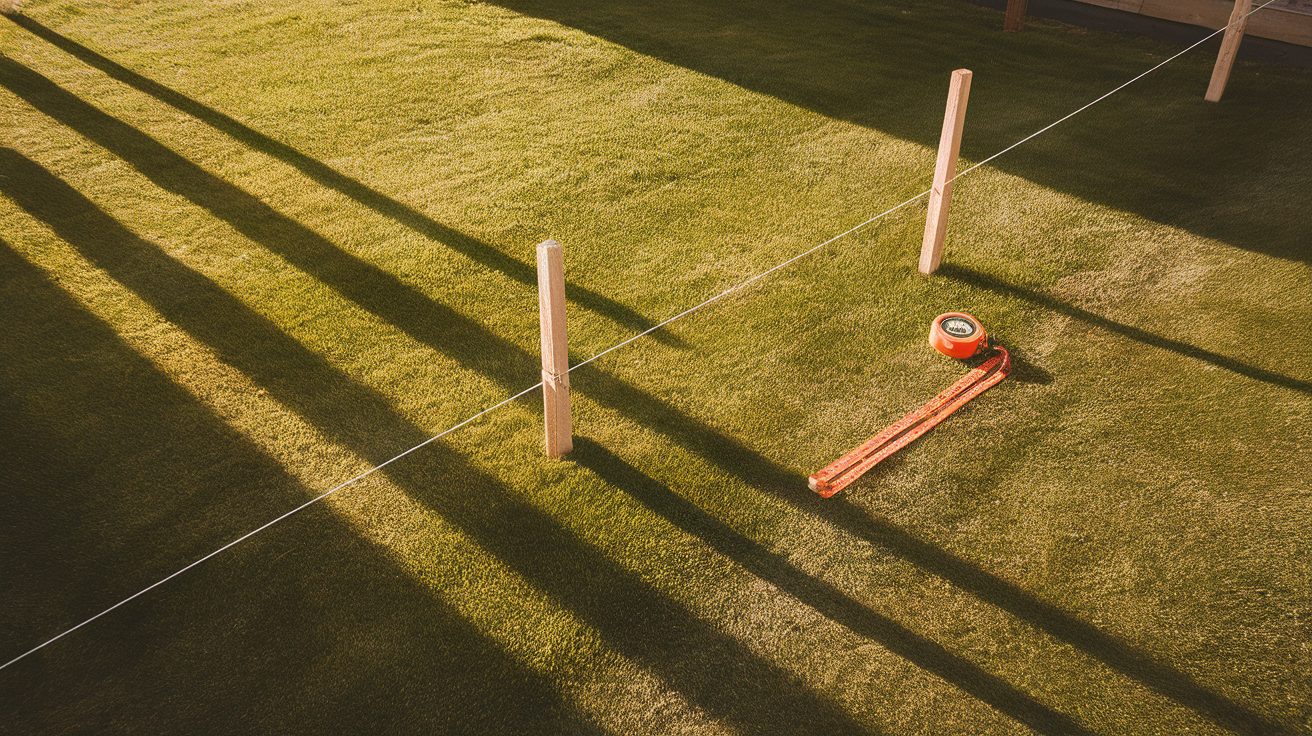
Start by marking your property line using stakes and string. Measure the length of each panel and use that measurement to space out your posts, typically 6 to 8 feet apart.
Make sure you double-check property boundaries to avoid disputes. This is also the time to verify local codes and determine permit requirements.
Step 2: Dig the Post Holes
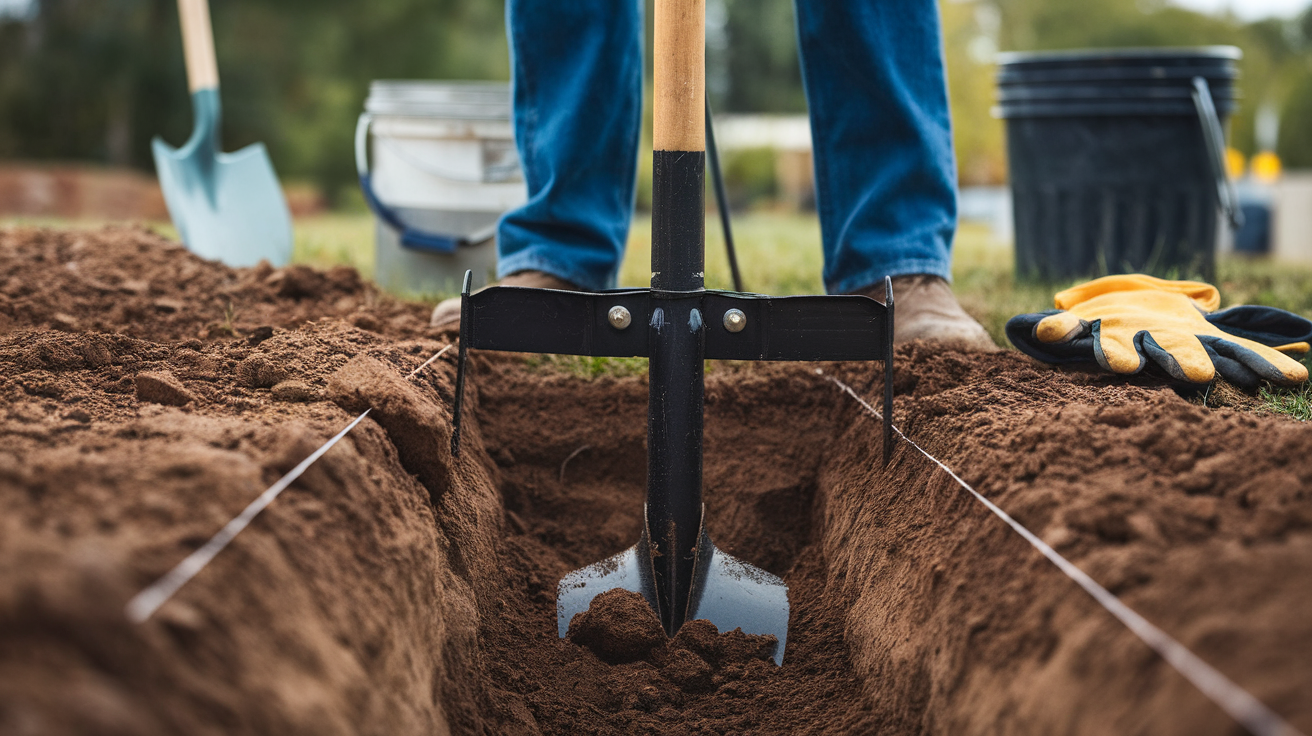
Use a post hole digger or auger to dig holes about one-third the height of your posts. For a 6-foot fence, go 2 feet deep. Add 4 to 6 inches of gravel at the bottom for drainage.
Keep each hole the same depth and width for even support. Space them consistently to match your panel width exactly.
Step 3: Set the Fence Posts
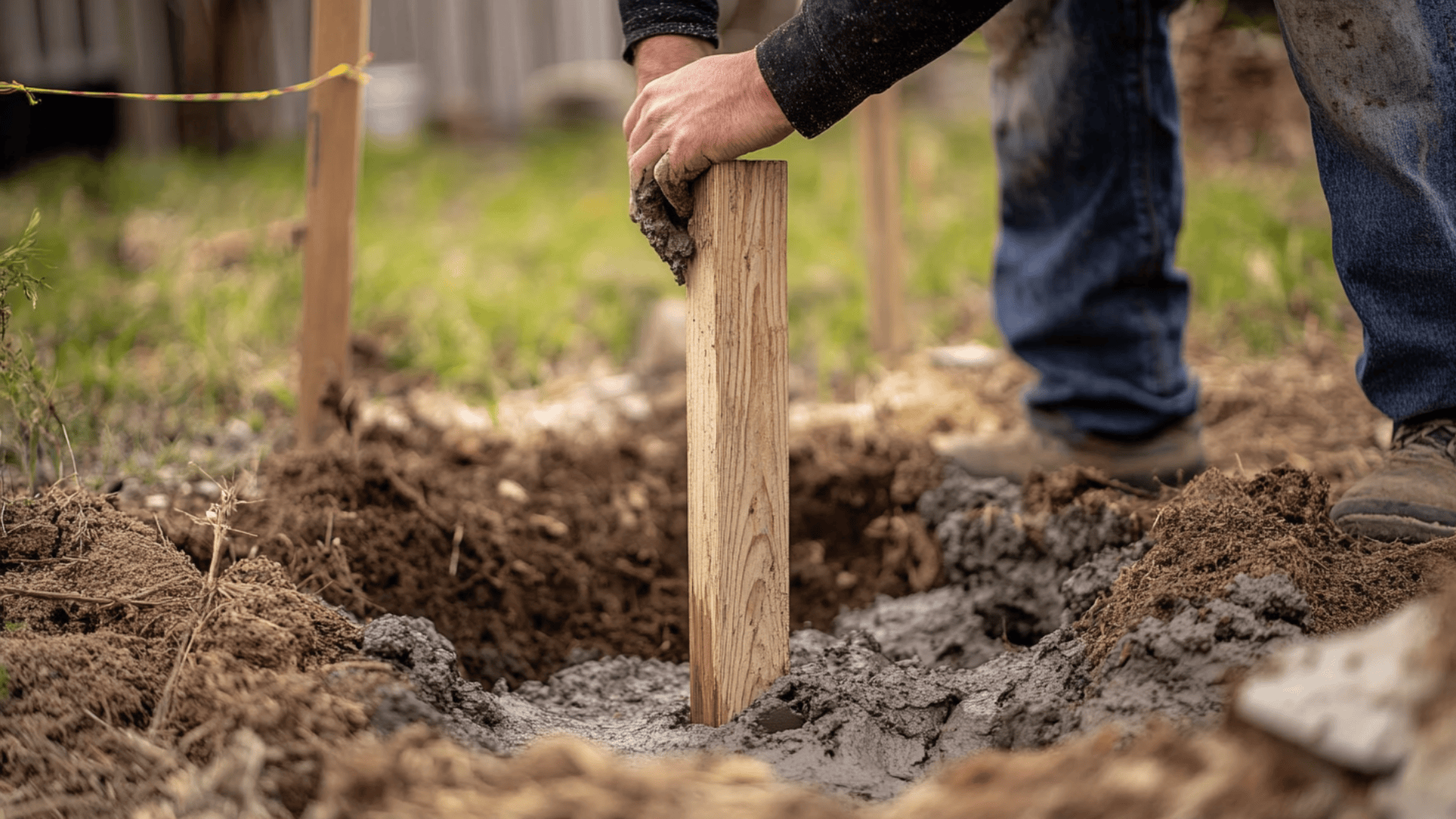
Place each post into its hole and use a level to make sure it’s straight. Fill around it with concrete or packed dirt, then let it set for 24 to 48 hours. Use temporary boards to brace the post if needed.
Allow the concrete to cure fully before attaching the panels. Double-check alignment with a string line stretched across the tops of the posts.
Step 4: Attach Fence Panels Between Posts
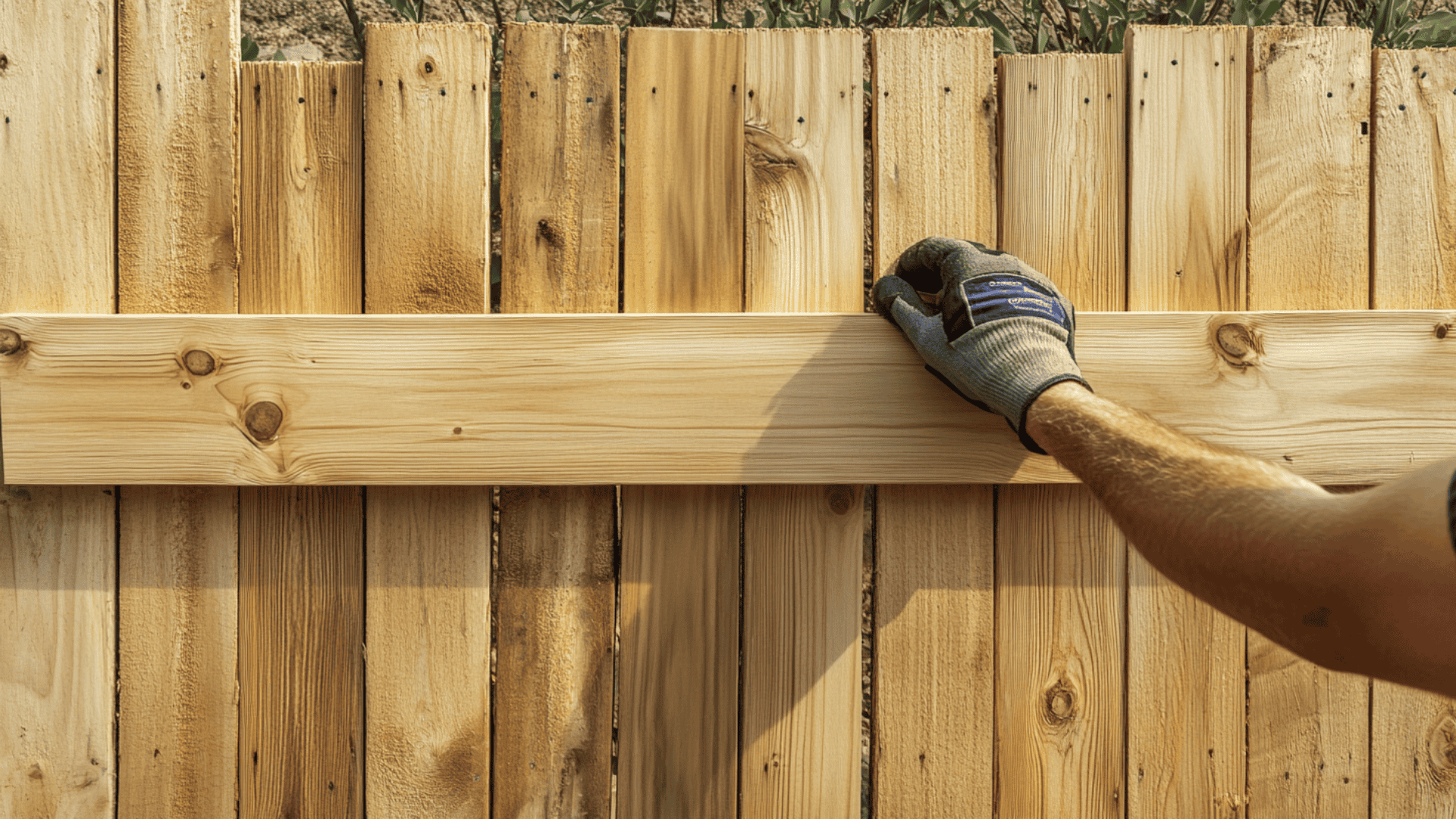
Lift a panel into place between two posts and rest it on wooden blocks to achieve the correct height. Check for level, then secure it using screws through the rails or with brackets for extra support.
Always start with one corner or the end of the fence line and work your way down. Keep panel tops aligned for a neat finish.
Step 5: Install the Gate (Optional)

Attach hinges to the gate and then to your gate post. Ensure there is sufficient clearance for the gate to swing, and use long screws to secure it in place.
Test the latch and swing before final tightening. It helps to have someone hold the gate while you align it.
Step 6: Seal and Finish (Optional but Recommended)
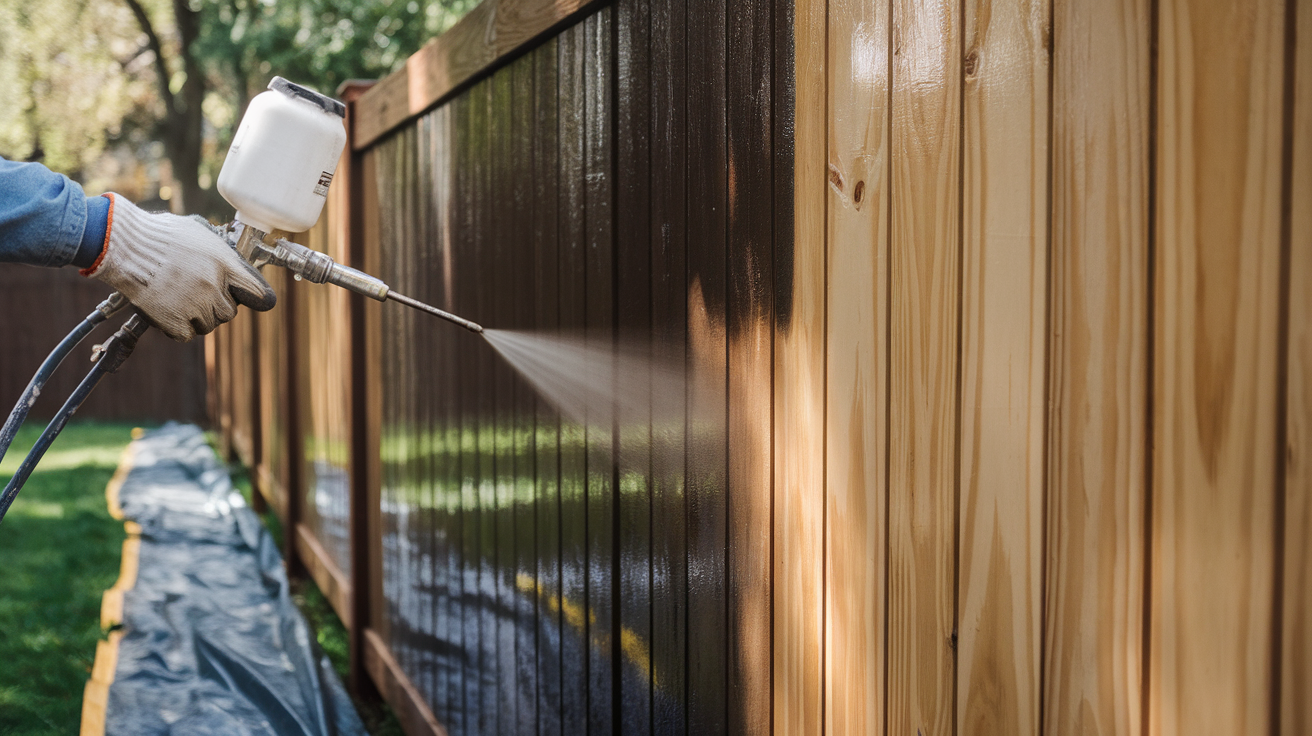
After installation, apply a wood sealer or paint to protect the panels from weather damage. Doing this now will make your fence last longer and require less upkeep.
Use a brush or sprayer for full coverage, including edges and cuts. Let everything dry fully before exposing the fence to rain or moisture.
Finishing Steps for a Stronger, Longer-Lasting Fence
Once your fence is up, a few extra steps and ongoing care will protect your investment and reduce future repair needs.
Sealing or Painting
Sealing or painting your fence helps protect the wood from moisture, sunlight, and pests. Apply a weatherproof sealer, stain, or exterior paint once the panels are fully dry.
Be sure to coat all surfaces, including the ends and edges of each board. A good sealer will help prevent warping, cracking, and fading over time.
Reapply the finish every 2–3 years or as needed. Doing this right after installation saves time later and keeps your fence looking newer for longer.
Fixing Gaps and Sagging Fence Panels
Gaps or sagging panels typically result from loose screws, shifting posts, or warped wood. Start by checking all panel connections and tighten or replace screws as needed.
If a post has shifted, brace it back into position or reset it with more concrete. For panels that sag, you can add an extra rail or support block below to prevent sagging.
Catching small problems early prevents larger, more expensive repairs later. A quick inspection every season helps keep the fence in good condition and good repair.
Wooden Fence Maintenance Tips
Taking care of your fence doesn’t take much time, but it makes a big difference. These simple tips help extend the life of your wood fence.
- Inspect regularly – Walk the fence every few months to spot loose screws, leaning posts, or damaged boards.
- Trim nearby plants – Keep bushes, grass, and vines from holding moisture against the wood.
- Clean surface buildup – Wash off mold, algae, or dirt with a mild soap and water solution.
- Seal every few years – Reapply stain or sealer every 2–3 years to block moisture and sun damage.
- Keep gates aligned – Tighten hinge screws and adjust latches to prevent sagging or dragging.
Common Mistakes to Avoid
Skipping small steps can lead to bigger problems later. Here are some frequent mistakes and how to prevent them.
- Shallow post holes – Always dig at least one-third of the post height to keep it stable.
- Poor leveling – Take time to level every post and panel for a straight, clean finish.
- No gravel drainage – Add 4–6 inches of gravel at the bottom of each hole to reduce water damage.
- Using the wrong fasteners – Choose exterior-grade screws or brackets instead of nails for long-term hold.
- Unsealed wood – Don’t install wet or untreated panels without sealing them soon after.
Conclusion
I know building your own fence can feel like a big job. But now that you know how to install wood panels, it’s a lot less overwhelming.
You’ve got the steps, the tools, and the tips to get started, even if this is your first time doing something like this. Take your time. Don’t rush the process.
I’ve found that paying attention to the little things, such as ensuring everything is level and securing each panel properly, makes a significant difference in how your fence turns out and how long it lasts.
I’ve put together other simple guides on the website for DIY projects, home fixes, and backyard ideas you can do without stress.
Frequently Asked Questions
Can I install fence panels without using concrete?
Yes, you can install posts without concrete by using no-dig metal post anchors or tightly packed gravel. However, concrete provides the best long-term support, especially in soft soil or areas with heavy wind or moisture.
How long does it take to install wood fence panels?
For most DIY projects, you can finish a typical backyard fence over a weekend. Setting the posts takes the most time due to drying, but once they’re in place, panel installation moves quickly.
Do I need a permit to install a wood fence?
Permit requirements depend on your local building codes and regulations. Always check with your city or county office before starting—some areas have specific rules regarding fence height, placement, and materials.