How to Grow Lettuce That Won’t Bolt or Bitter
Growing lettuce is not difficult, but many plants fail because the focus stays on planting instead of growing conditions.
People often assume lettuce grows the same way as other leafy vegetables, even though heat, watering habits, and timing affect it much faster.
Learning how to grow lettuce successfully starts with understanding how the plant reacts to temperature and moisture changes. Even healthy-looking plants can turn bitter or bolt within days during sudden warm weather.
The right variety, planting location, and harvesting method can make lettuce gardening much more reliable and productive.
Best Types of Lettuce to Grow
Different lettuce varieties grow differently. Some form tight heads while others produce loose leaves you can harvest again and again.
| Lettuce Type | Best For | Growing Time | Sun Needs | Spacing | Temperature Preference | Water Needs | Harvest Style |
|---|---|---|---|---|---|---|---|
| Leaf Lettuce | Beginners, fast harvests | 30–45 days | Full sun to partial shade | 4–6 inches | Cool weather | Consistent moisture | Pick outer leaves |
| Romaine Lettuce | Crisp salads | 60–75 days | Full sun | 8–10 inches | Mild temperatures | Moderate to high | Harvest whole head or outer leaves |
| Butterhead Lettuce | Soft leaves | 50–70 days | Partial to full sun | 8–12 inches | Cool conditions | Even watering | Harvest entire head |
| Crisphead Lettuce | Iceberg-style heads | 70–90 days | Full sun | 12 inches | Cooler climates | High moisture | Harvest full head |
| Looseleaf Mixes | Continuous harvesting | 25–40 days | Partial to full sun | 4–6 inches | Cool weather | Regular watering | Cut-and-come-again |
Leaf lettuce is usually the easiest option for beginners. It grows quickly and recovers fast after harvesting.
Where to Plant Lettuce
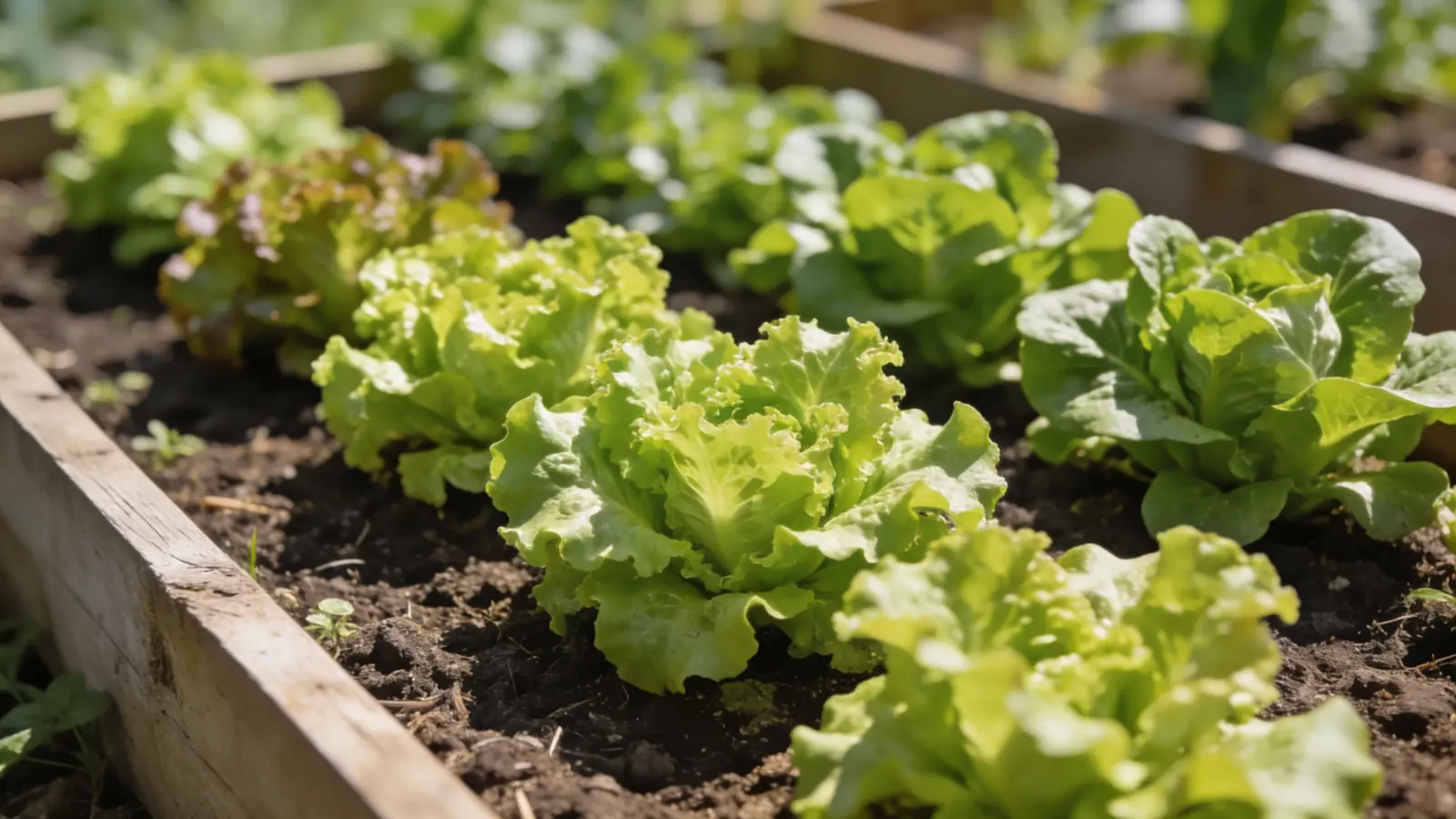
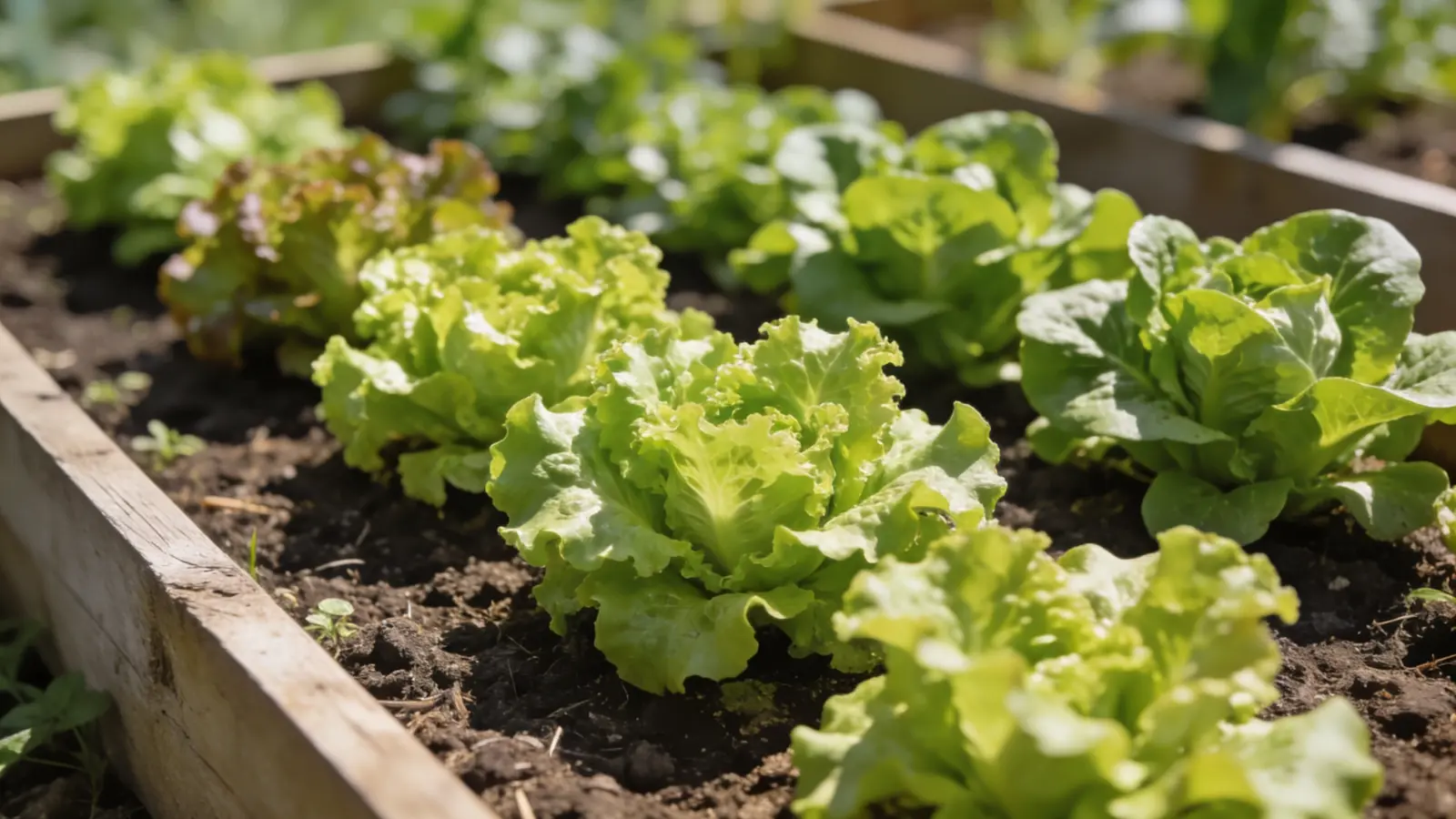
Lettuce grows best in cool conditions with steady moisture and enough sunlight. The right planting location helps the leaves stay tender instead of turning bitter or drying out too quickly.
Choose a spot that gets:
- 5–6 hours of sunlight daily
- Partial afternoon shade in warmer climates
- Good airflow around plants
- Loose, well-draining soil
Lettuce gardening works well in:
- Raised garden beds
- Traditional garden rows
- Containers and pots
- Window boxes
- Small balcony gardens
The soil should stay moist but not soggy. Adding compost before planting improves drainage and gives lettuce the nutrients it needs for fast growth.
For best results:
- Keep soil pH between 6.0 and 7.0
- Avoid heavy compacted soil
- Do not plant in areas with standing water
- Mulch lightly to hold moisture
If temperatures regularly rise above 80°F, lettuce may bolt and become bitter. In hot areas, planting where the crop gets afternoon shade helps extend the growing season.
How to Plant Lettuce Seeds

Learning how to grow lettuce from seed is simple because lettuce germinates quickly and does not need deep planting. The main goal is to keep the soil cool, moist, and loose during early growth.
1. Prepare the Soil
Start with loose, well-draining soil mixed with compost to improve nutrients and moisture retention. Remove rocks, weeds, and hard clumps so roots can spread properly.
Level the soil surface before planting. Lightly water the area first so lettuce seeds settle easily and germinate faster in consistently moist soil.
2. Sow the Seeds
Lettuce seeds are very small, so plant them shallowly. Sow seeds about ¼ inch deep and lightly cover them with soil.
For proper spacing:
- Leaf lettuce: 4–6 inches apart
- Romaine lettuce: 8–10 inches apart
- Head lettuce: 10–12 inches apart
Leave about 12 inches between rows for airflow and easier harvesting.
3. Water Gently
Lettuce seeds dry out quickly, especially in warm weather. Use gentle watering to keep the soil consistently moist without washing seeds away.
Most lettuce seeds sprout within:
- 5–10 days in cool weather
- Slightly longer in colder soil
4. Thin the Seedlings
Once lettuce seedlings grow a few inches tall, remove crowded or weaker plants to create enough space between them. Overcrowding reduces airflow, increases moisture buildup, and slows healthy growth.
Proper thinning helps the remaining lettuce plants grow larger, produce healthier leaves, and absorb water and nutrients more efficiently.
5. Use Succession Planting
Instead of planting all your lettuce seeds at once, sow a small batch every 2–3 weeks.
This method, called succession planting, keeps fresh lettuce growing continuously throughout the season.
It also prevents all plants from maturing together, making harvesting easier and improving overall lettuce gardening results at home.
Common Lettuce Growing Problems & Their Fixes
Lettuce is one of the easiest vegetables to grow, but it can still run into a few common problems that affect growth, flavor, and overall plant health.
| Problem | Signs | Main Cause | Fix |
|---|---|---|---|
| Bitter Leaves | Sharp or unpleasant taste | Heat stress or dry soil | Water regularly, provide afternoon shade, and harvest early |
| Bolting | Tall center stalk and small leaves | Hot temperatures | Grow in cooler weather and use heat-tolerant varieties |
| Slugs & Snails | Holes in leaves | Damp conditions and excess moisture | Remove debris, water early, and use slug barriers |
| Aphids | Tiny insects under leaves | Sap-feeding pests | Spray with water or use insecticidal soap |
| Slow Growth | Small or weak plants | Poor soil or overcrowding | Add compost, thin seedlings, and keep soil moist |
| Yellow Leaves | Leaves losing green color | Overwatering or nutrient deficiency | Improve drainage and add balanced fertilizer |
| Wilting | Drooping leaves | Lack of water or heat stress | Water deeply and protect plants from extreme heat |
| Rotting Roots | Soft roots and dying plants | Waterlogged soil | Use well-draining soil and avoid overwatering |
How to Harvest & Store Lettuce
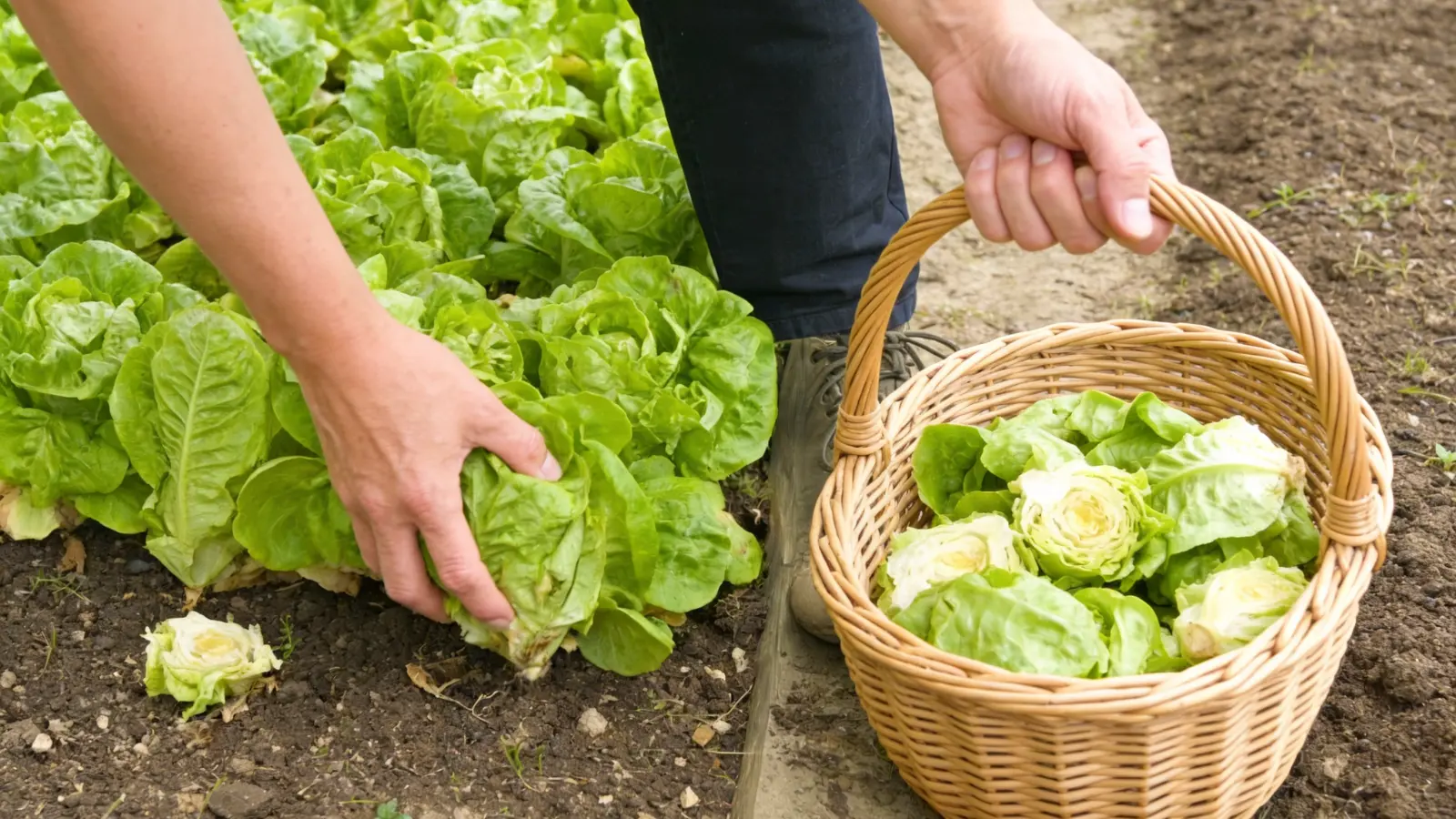
Lettuce tastes best when harvested at the right time. Regular harvesting also helps many varieties continue producing fresh leaves for longer.
Harvesting Leaf Lettuce
Leaf lettuce can be harvested using the cut-and-come-again method. Pick the outer leaves first while leaving the center growing.
For best results:
- Harvest leaves when they reach 3–6 inches long
- Use clean scissors or garden shears
- Avoid pulling the entire plant too early
This method allows multiple harvests from one plant.
Harvesting Head Lettuce
Romaine, butterhead, and crisphead lettuce are usually harvested as full heads.
To harvest properly:
- Cut the head near the base
- Harvest before hot weather arrives
- Remove damaged outer leaves
Firm heads with full-sized leaves are ready for picking.
How to Store Lettuce
Fresh lettuce loses moisture quickly after harvesting. Proper storage helps keep the leaves crisp longer.
Follow these steps:
- Wash lettuce gently
- Dry leaves completely
- Store in a container or sealed bag
- Add paper towels to absorb extra moisture
- Refrigerate immediately
Stored properly, lettuce can stay fresh for about one week.
Conclusion
Learning how to grow lettuce at home can give you a steady supply of fresh, healthy leaves with very little space or effort.
From choosing the right variety to watering properly and harvesting at the right time, small steps can improve your results throughout the season.
Now you can start planning your own lettuce gardening setup with more confidence.
Keep the soil cool, water consistently, and harvest regularly for the best flavor and growth.
If you want more gardening ideas and beginner-friendly growing guides, check out our other blogs for more helpful tips and seasonal planting advice.
Frequently Asked Questions
How Do You Grow Lettuce for Beginners?
Start with loose, well-draining soil and plant lettuce in a cool area with enough sunlight. Keep the soil evenly moist and harvest leaves regularly to encourage steady growth throughout the season.
What Month Do You Plant Lettuce?
Lettuce is usually planted in early spring or fall because it grows best in cool temperatures. In mild climates, some gardeners also grow lettuce during winter months.
How Long Does Lettuce Usually Take to Grow?
Most lettuce varieties are ready to harvest within 30–75 days. Leaf lettuce grows faster, while head lettuce varieties need more time to fully mature.