How to Grow Green Beans: Tips for Bush vs. Pole Beans
Green beans are a favorite in many home gardens due to their fast-growing nature and delicious, tender pods. However, choosing between bush beans and pole beans, and understanding how to nurture them for maximum yield, can be tricky.
Factors like the right soil, sunlight, and proper care can make a big difference in how well your beans grow.
Whether you’re just starting out or you’ve been gardening for years, I’ll walk you through the essentials of growing green beans, from choosing the right seeds to harvesting your crop.
Let’s look at the best ways to ensure your plants thrive and produce fresh beans throughout the season.
Understanding Green Beans and Their Growth Basics
Green beans are a warm-season vegetable grown for their tender pods.
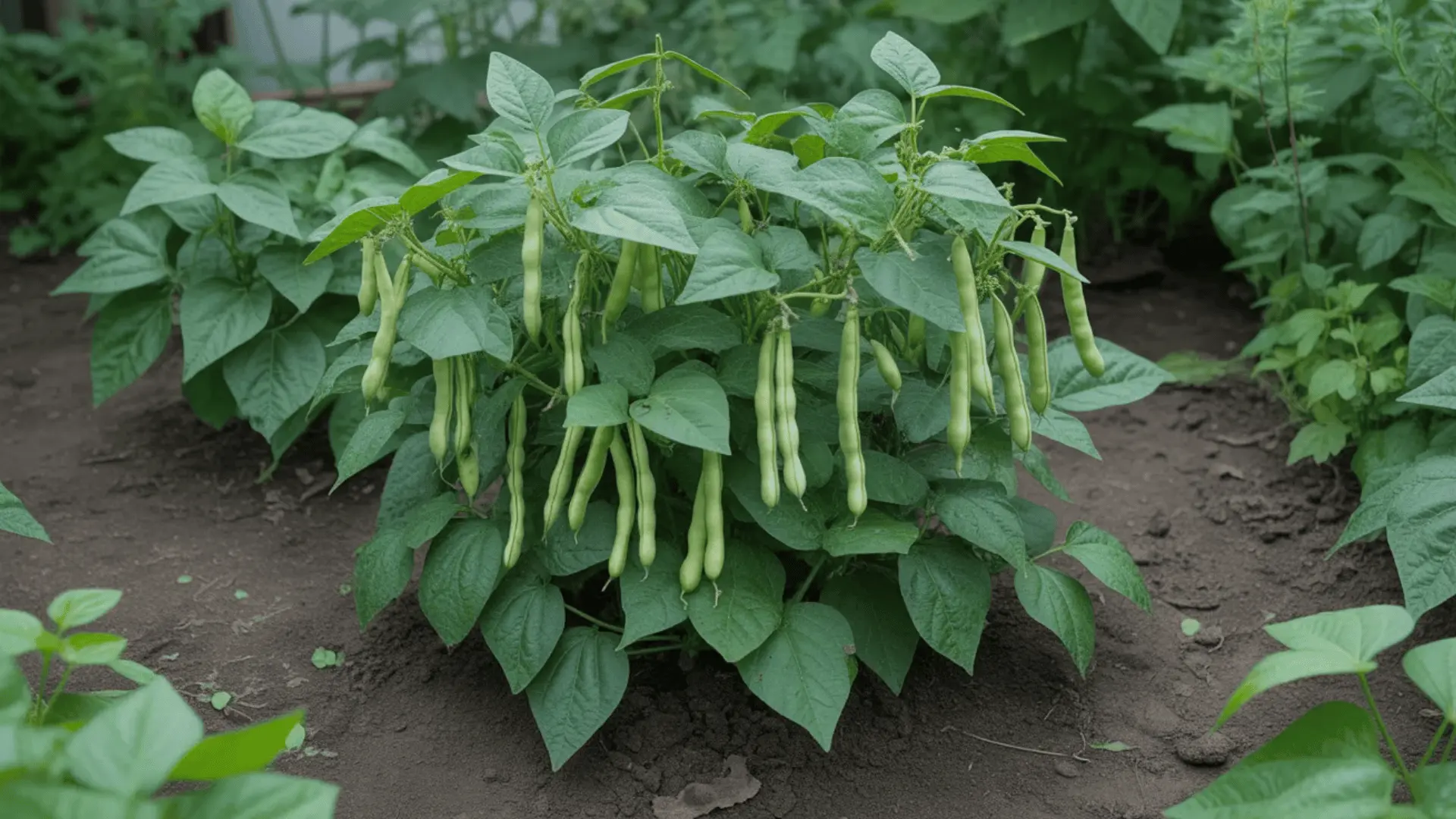
There are two main types: bush beans and pole beans. Bush beans grow as compact plants about 1–2 feet tall and do not need support. Pole beans grow as climbing vines and need trellises or poles to grow upward.
Most gardeners plant green beans directly from seeds. The seeds germinate quickly in warm soil, and transplanting young plants can damage their roots.
Green beans also have a short growing cycle, which makes them easy to manage. For healthy growth, green beans need 6–8 hours of sunlight, warm soil above 60°F (16°C), and a frost-free growing season.
Bush Beans vs. Pole Beans
| Feature | Bush Beans | Pole Beans |
|---|---|---|
| Plant Type | Compact plants that grow close to the ground | Climbing vines that grow upward |
| Average Height | About 1–2 feet tall | Can grow 6–10 feet tall |
| Support Needed | No support required | Needs trellis, poles, or netting |
| Space Use | Takes more horizontal garden space | Uses vertical space, good for small gardens |
| Growth Habit | Grows as a small bush | Grows as a climbing vine |
| Time to Harvest | Usually ready in about 7–8 weeks | Usually ready in about 10–12 weeks |
| Harvest Period | Produces beans over a shorter period | Produces beans over a longer season |
| Maintenance | Simple care, minimal setup | Requires support structure and training |
| Best For | Beginners, containers, raised beds | Vertical gardens and maximizing space |
How Long Green Beans Take to Grow
Green beans grow quickly compared to many other garden vegetables.
Most green bean varieties are ready to harvest within 50–70 days after planting, with bush beans generally maturing faster (around50–55 days) and pole beans taking a bit longer (up to 70 days).
Seeds usually sprout within 7–10 days when planted in warm soil. After germination, plants grow leaves and stems for several weeks.
Small flowers begin forming around 4–6 weeks after planting. These flowers later develop into bean pods. Bush beans typically produce their first harvest earlier. Pole beans take a little longer to start, but often produce beans for a longer period.
Regular harvesting encourages plants to keep producing new pods.
When to Plant Green Beans
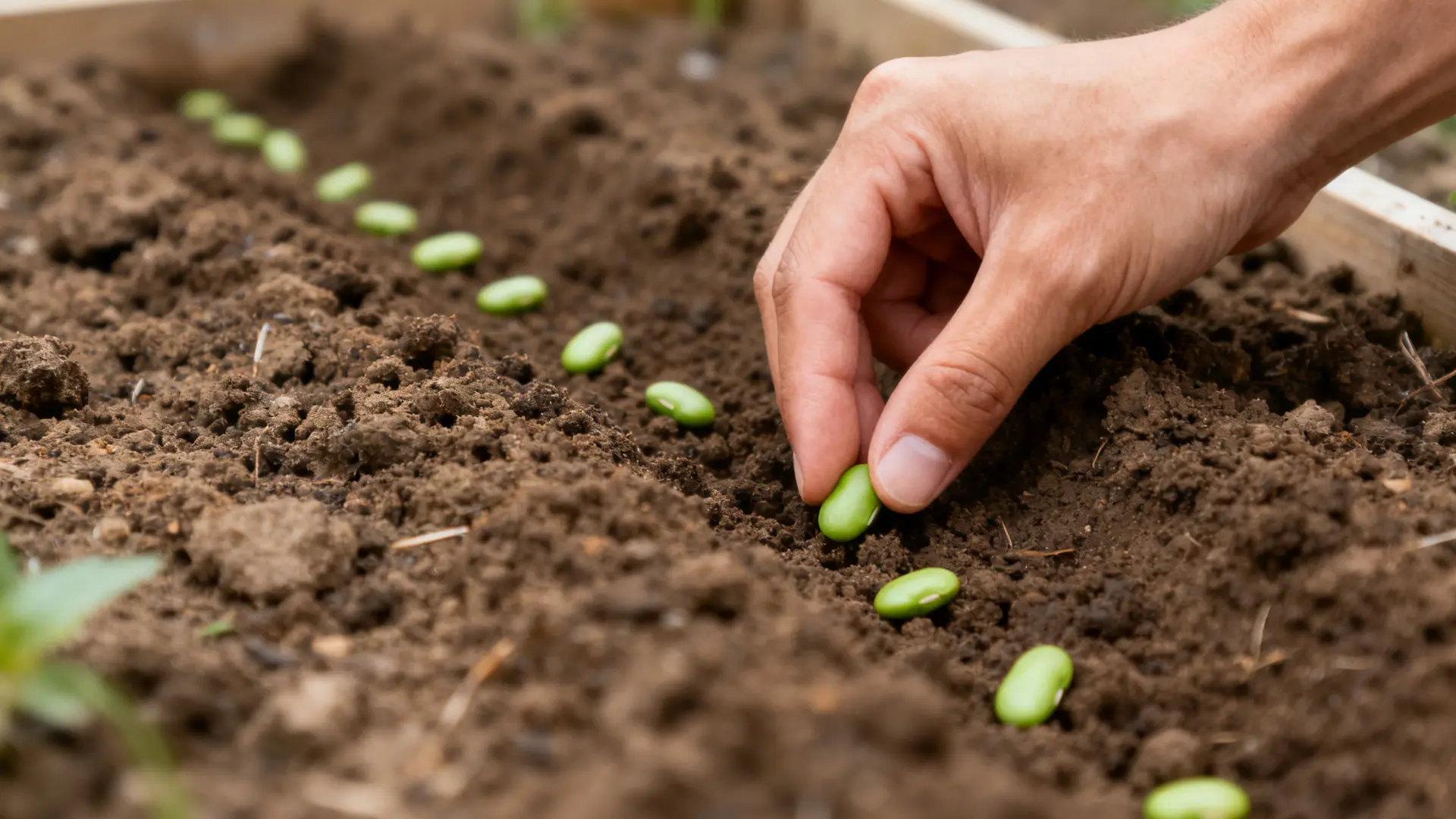
Green beans should be planted after the last frost in spring. Cold temperatures can damage seeds and stop them from sprouting. Soil warmth is important for successful germination.
Green beans need warm soil, ideally between 55°F (12°C) and 60°F (16°C) for successful germination and growth.
In most regions, planting begins one to two weeks after the final frost date. This gives the soil enough time to warm and improves seed growth. If seeds are planted in cold or wet soil, they may rot before sprouting.
Low temperatures also slow germination and weaken young plants. For a longer harvest season, gardeners often plant new seeds every 2–3 weeks during spring and early summer.
This helps maintain steady bean production throughout the growing season.
Preparing Soil Before Planting
Preparing the soil properly helps green bean seeds sprout faster and grow stronger plants.
- Choose a sunny location that receives at least 6–8 hours of direct sunlight.
- Loosen the soil to about 6–8 inches deep so roots can grow easily.
- Remove weeds, rocks, and large clumps to create a smooth planting area.
Sunlight, Soil, and Location Requirements
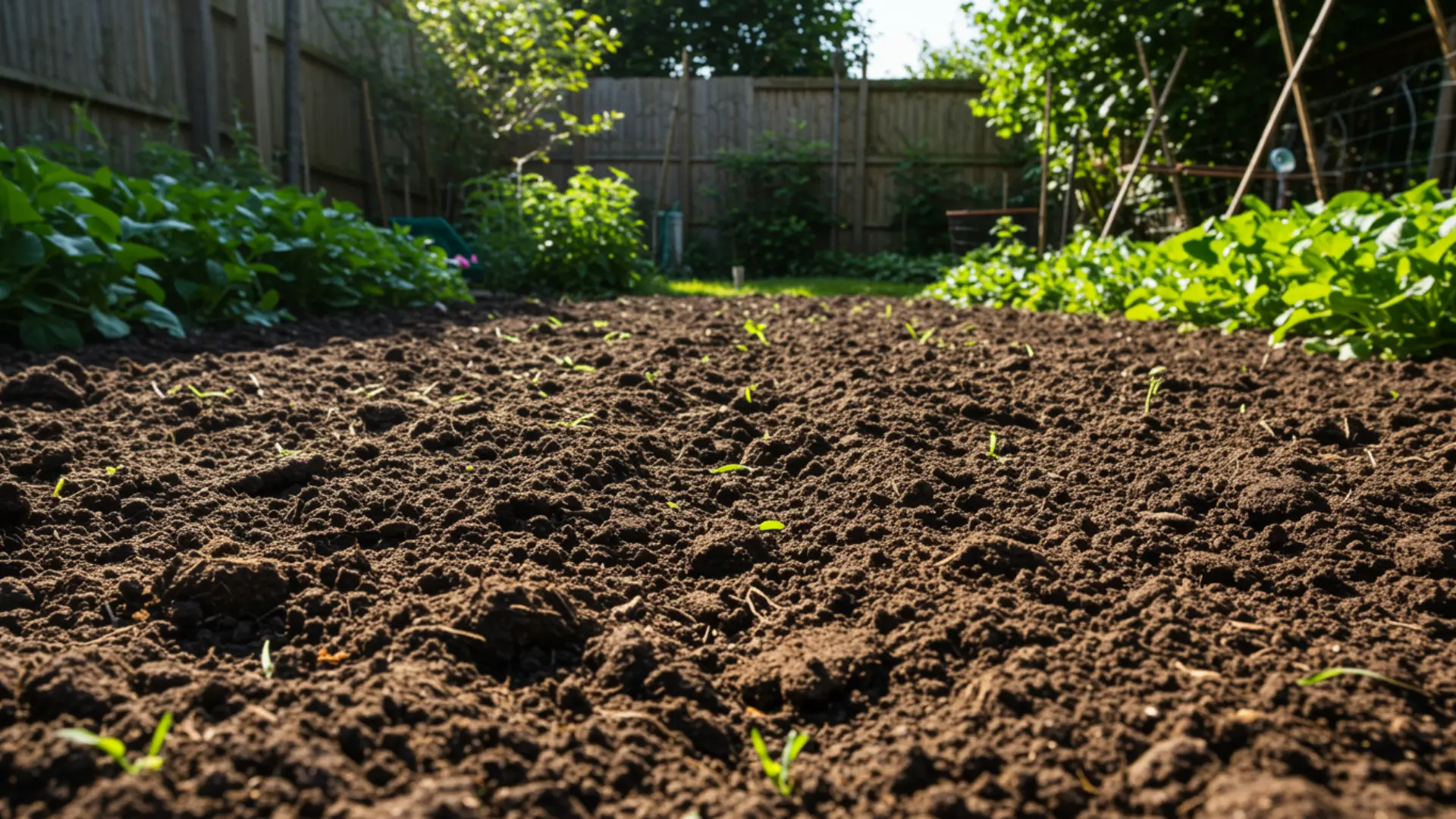
Green beans grow best when planted in the right location with proper sunlight and soil conditions. Providing these basic requirements helps plants grow faster and produce healthy pods.
Sunlight Needs
- Green beans require 6–8 hours of direct sunlight each day.
- Full sun supports strong plant growth, healthy leaves, and better pod production.
- Planting in shaded areas can slow growth and reduce the number of beans produced.
Soil Characteristics for Healthy Growth
- Green beans grow well in loose, fertile soil that allows roots to spread easily.
- Soil enriched with compost or organic matter improves nutrient availability and soil structure.
- Loose soil also helps water move evenly through the root zone.
Ideal Soil pH Range
- Green beans prefer soil with a pH between 6.0 and 7.0.
- This slightly acidic to neutral range allows plants to absorb nutrients efficiently.
- Testing soil before planting can help determine whether adjustments are needed.
Importance of Drainage and Soil Structure
- Well-draining soil is essential for healthy bean plants.
- Excess water can cause root problems and seed rot.
- Soil that drains properly prevents water build-up while still holding enough moisture for plant growth.
Watering, Fertilizing, and General Plant Care
Green beans need steady moisture and simple care to produce healthy pods. Basic watering, light fertilizing, and mulching help plants grow well during the season.
Proper Watering Techniques
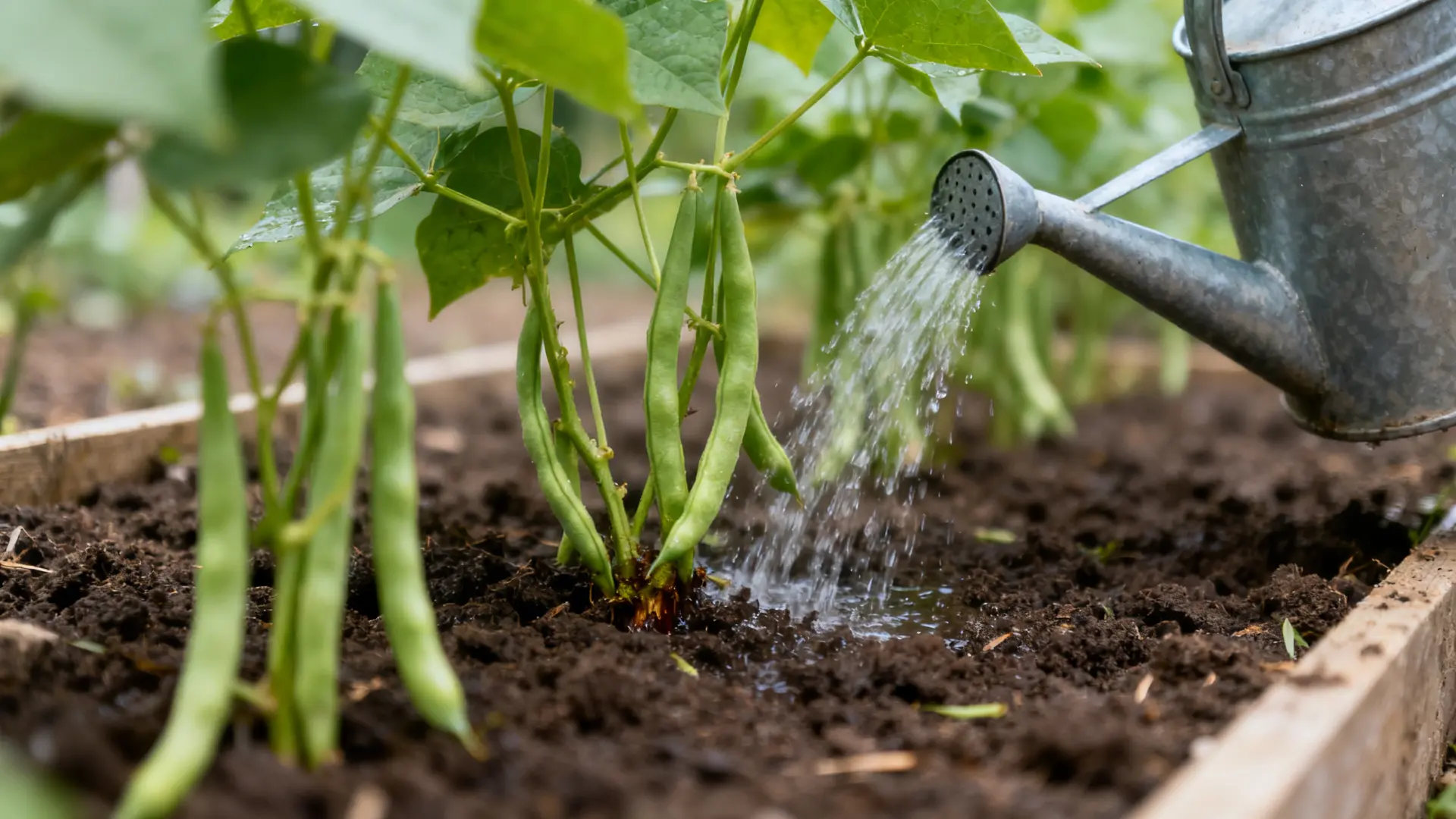
Water green bean plants about 1 inch per week to keep the soil moist. Increase watering during hot or dry weather so the soil does not dry out. Water the base of the plants to keep leaves dry and reduce disease risk.
Fertilizer Needs for Green Beans
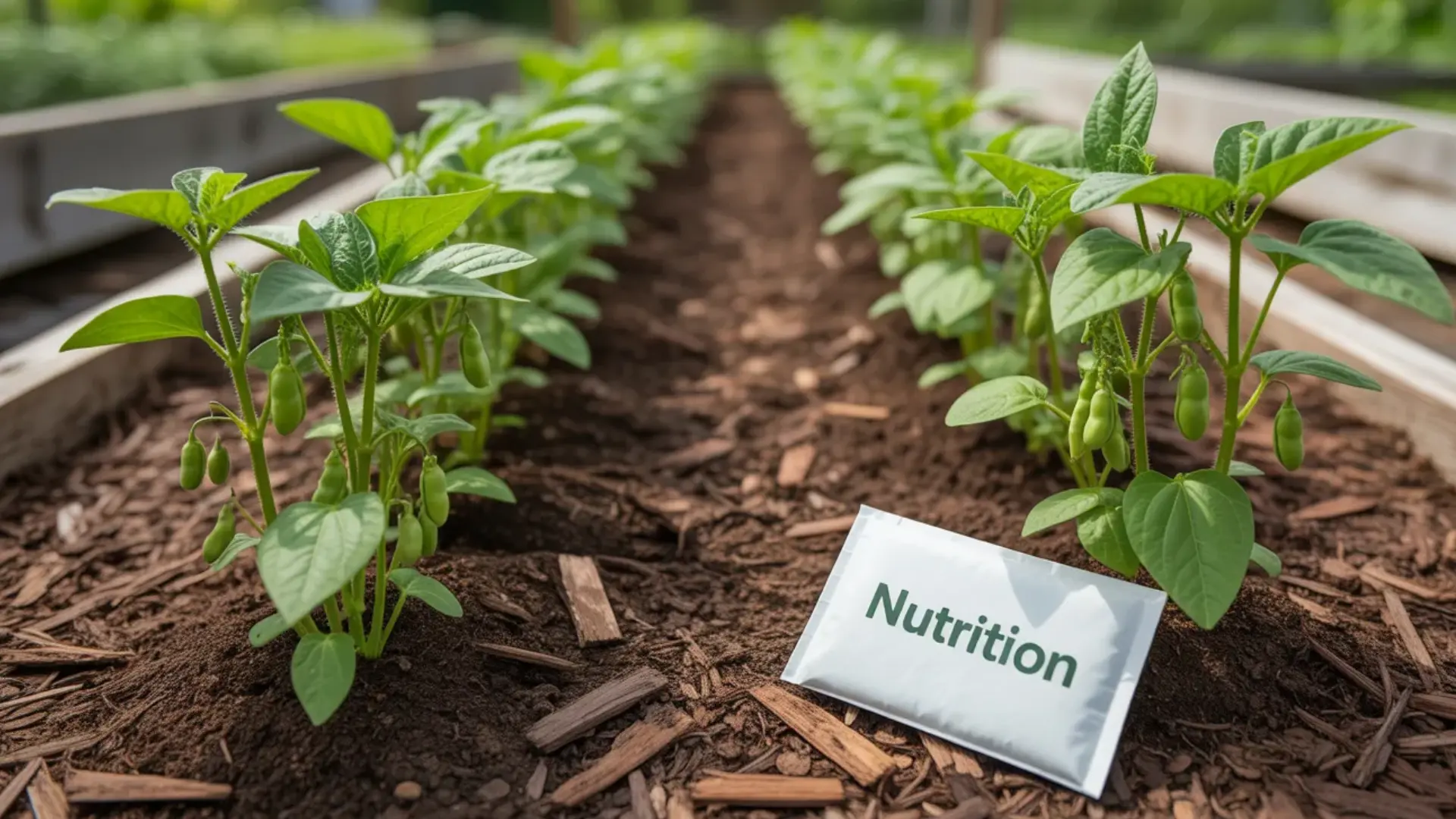
Green beans usually need very little fertilizer because they can add some nitrogen to the soil naturally. Mixing compost into the soil before planting often provides enough nutrients for healthy growth. If additional feeding is needed, use a low-nitrogen fertilizer.
Using Mulch to Protect Soil and Roots
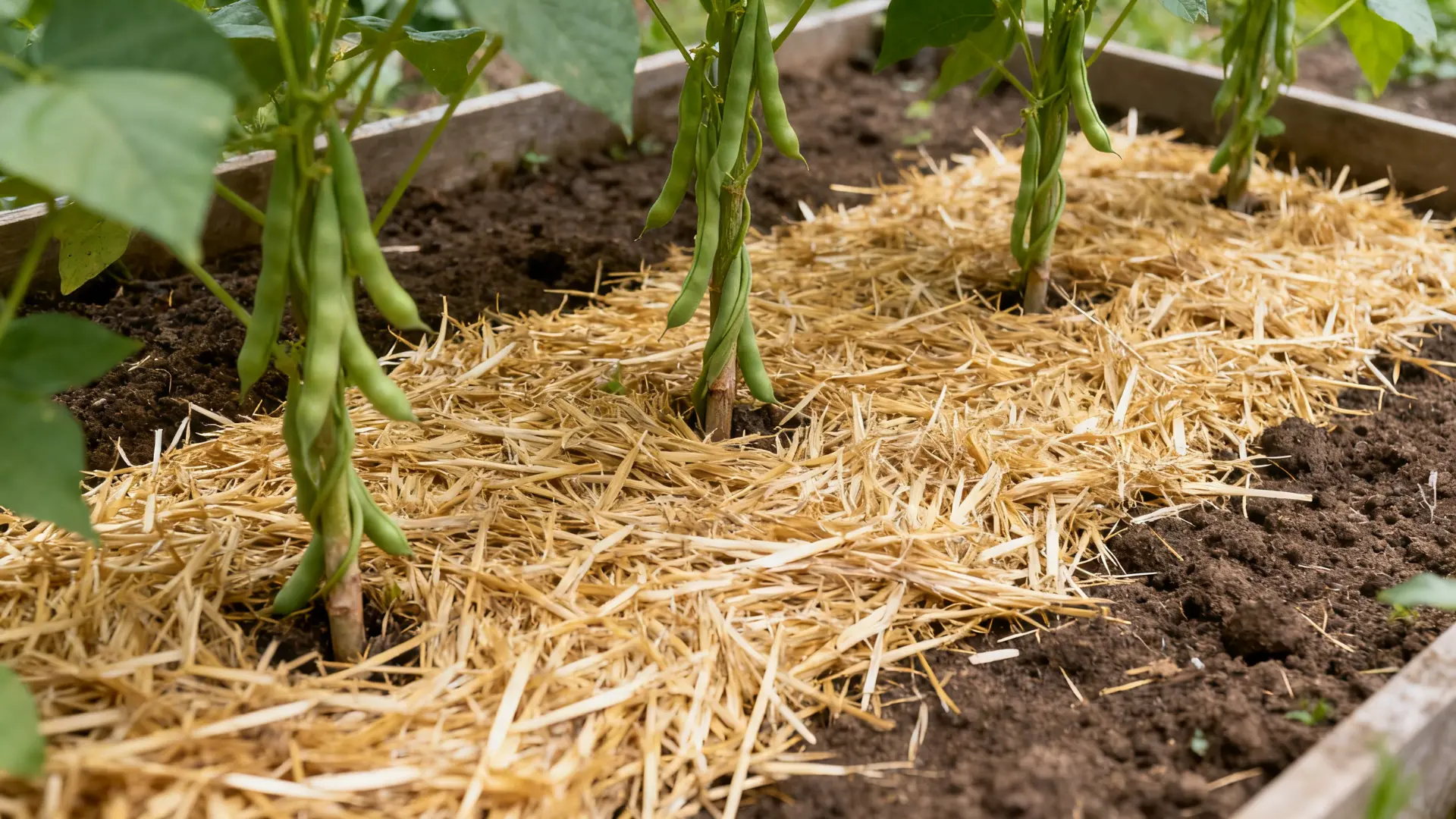
Mulch helps keep soil moisture steady and reduces weed growth. Organic mulch such as straw, grass clippings, or shredded leaves works well around green bean plants. Mulch also protects roots from temperature changes and prevents soil from drying out too quickly.
Providing Support for Pole Beans
Pole beans grow as climbing vines, so they need support structures to grow upward. Without support, the vines spread across the ground, which can reduce airflow and make harvesting more difficult.
Proper support keeps plants upright, improves sun exposure, and helps pods stay clean.
Types of Trellises and Supports
Several support options can be used for pole beans in home gardens. Common choices include wooden or metal trellises, bamboo poles arranged in a tepee shape, garden netting attached to a frame, or bean towers and arches.
These structures give the vines a surface to climb and help keep the plants organized while growing vertically.
When to Install Bean Supports
Supports should be installed at the time of planting. Setting up trellises early prevents damage to the plant roots later. Early installation also helps young vines quickly find the structure and start climbing as they grow.
Training Plants to Climb
Young pole bean vines may need gentle guidance at first. Gardeners can lightly wrap or direct the vines toward the trellis or pole. Once attached, the vines naturally continue climbing upward as the plant grows.
Common Problems When Growing Green Beans
Green beans are generally easy to grow, but plants can face a few common problems during the season. Pests, plant diseases, and poor growing conditions may affect growth and reduce bean production.
Common Green Bean Pests: Several insects may attack green bean plants. Common pests include aphids, bean beetles, and spider mites. Aphids suck plant sap and weaken growth. Bean beetles chew holes in leaves, while spider mites cause yellow or dry leaves.
Diseases Caused by Poor Airflow or Wet Leaves: Plant diseases often develop when leaves stay wet for long periods. Crowded plants also reduce airflow around the leaves. Fungal problems such as powdery mildew and rust may appear in these conditions.
Helpful Companion Plants: Some plants grow well alongside green beans. Good companions include carrots, cucumbers, and radishes. Avoid planting beans near onions or garlic, as they can slow bean growth.
Harvesting Green Beans for Continuous Production
Green beans should be picked every few days during the harvest period. Frequent harvesting signals the plant to keep producing new pods. Leaving mature beans on the plant can slow further production.
Green beans are ready when the pods are firm, smooth, and about 4–6 inches long. Pods should still be tender and bright green.
If beans inside the pod start bulging, the pods may be overripe and less tender. Bush beans are usually ready in about 7–8 weeks after planting, while pole beans often start producing in 10–12 weeks.
How to Harvest Beans Properly
Harvesting green beans the right way helps protect the plant and encourages more pods to grow. Careful picking allows the plant to continue producing beans throughout the season.
- Hold the Plant Stem Gently: Support the stem or vine with one hand to prevent bending or breaking the plant while harvesting.
- Pull the Pod Carefully: Use your other hand to gently pull the bean pod away from the plant.
- Avoid Twisting the Plant: Do not twist or tug strongly, as this can damage stems and reduce future production.
- Harvest Every Few Days: Frequent picking helps the plant produce more pods and keeps beans tender.
- Check Plants Regularly: Look for mature pods every 2–3 days during peak production so beans do not become overripe.
Extending Your Green Bean Harvest
You can extend the green bean harvest by using a method called succession planting. This means planting new seeds at regular intervals instead of planting all seeds at the same time.
As older plants finish producing, the newer plants begin growing and producing pods.
For steady production, plant new green bean seeds every 2–3 weeks during spring and early summer. This helps maintain a continuous supply of beans rather than one large harvest all at once.
It is best to stop planting when there are about 8–10 weeks left before the first expected fall frost. Green beans need warm weather and enough growing time to mature before cold temperatures arrive.
By planting seeds in stages throughout the season, gardeners can keep plants producing fresh beans for a longer period and enjoy multiple harvests from the same garden space.
Conclusion
Growing green beans can be an incredibly rewarding experience, offering a delicious and nutritious crop with minimal effort.
By understanding the differences between bush and pole beans, along with the ideal growing conditions, you can ensure a healthy, continuous harvest.
Remember that regular maintenance, proper watering, and timely harvesting will help keep your plants productive.
Ready to get started with your own green bean garden? Plant your seeds today and enjoy a bountiful crop all season long!