How to Decorate a Hallway: 9 Simple Ideas
You probably walk through your hallway multiple times a day without giving it much thought. But when it looks dull, dark, or empty, it quietly affects how your entire home feels.
If you’ve been wondering how to decorate a hallway without making it look cluttered or awkward, the process is simpler than it seems.
You don’t need a full makeover, just the right steps in the right order.
In this blog, you’ll learn exactly how to decorate a hallway step by step. From lighting and walls to decor and finishing touches, each step is placed correctly so the space feels clean, functional, and complete.
Things to Consider Before You Decorate a Hallway
Before you start adding decor, it’s important to understand the space you’re working with.
This helps you avoid mistakes like overcrowding or poor layout choices.
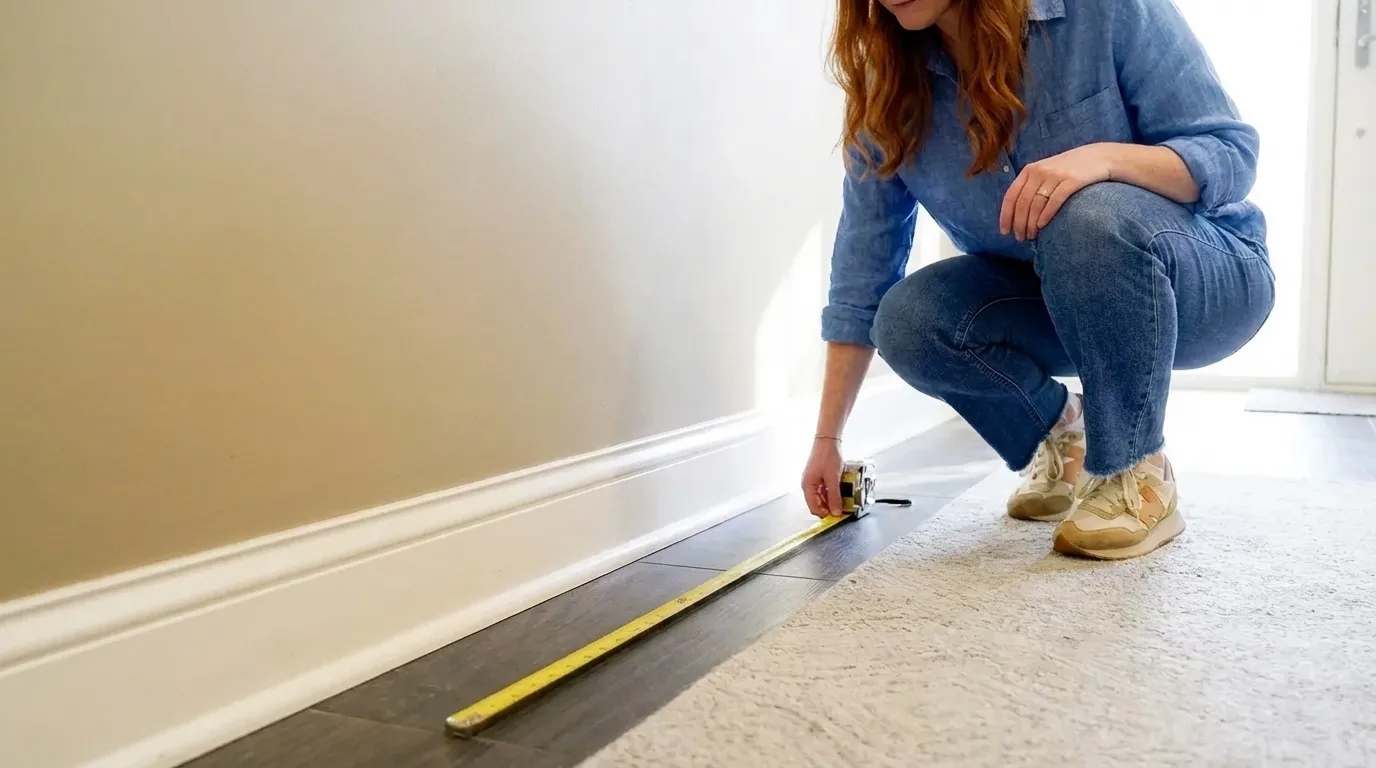
- Check the width and length of your hallway
- Identify if it is narrow, long, or dark
- Notice how much natural light the space gets
- Keep enough walking space for easy movement
A hallway works best when it feels open and easy to move through. Starting with these basics makes every decorating step more effective.
How to Decorate a Hallway: Simple Ideas That Work
A hallway is often overlooked, but it shapes how your home feels as you move through it. The right setup can make it look brighter, more open, and easier to use.
1. Fix the Lighting
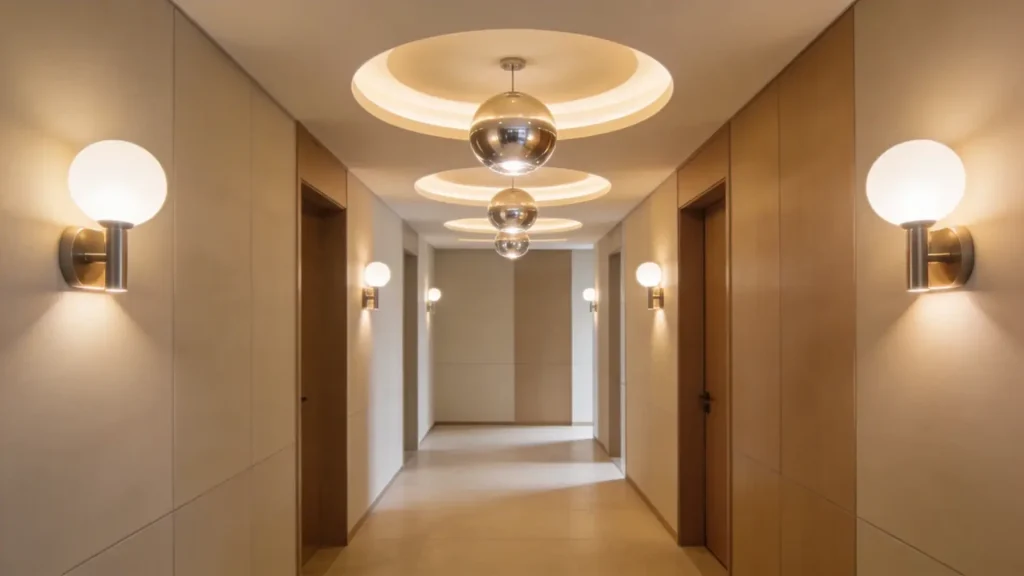
Start by improving the lighting, as it affects how the entire hallway looks. Replace basic ceiling lights with brighter fixtures and add wall lights if possible.
Good lighting makes the space feel open and clear, while poor lighting can make it look dull. Focus on even light spread to avoid shadows and improve visibility throughout the hallway.
2. Choose the Right Wall Colors

The walls set the base of your hallway, so choose colors carefully. Light shades work best for narrow or dark spaces as they reflect more light and make the area feel bigger.
Use deeper tones only if the hallway is wider. Keep patterns simple to avoid a crowded look and maintain a clean, balanced feel.
3. Add a Runner Rug
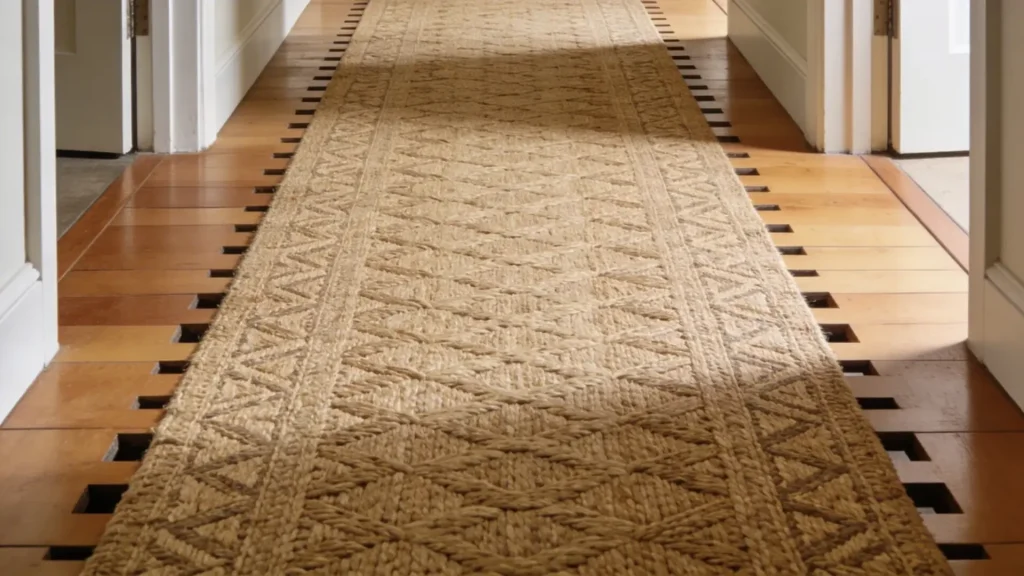
A runner rug helps define the hallway and makes it feel complete instead of empty. It creates a clear walking path and adds warmth underfoot.
Choose a rug that fits the hallway length and leave space on the sides for balance. The right size improves flow, while the wrong size can make the space feel awkward.
4. Use Structured Wall Decor
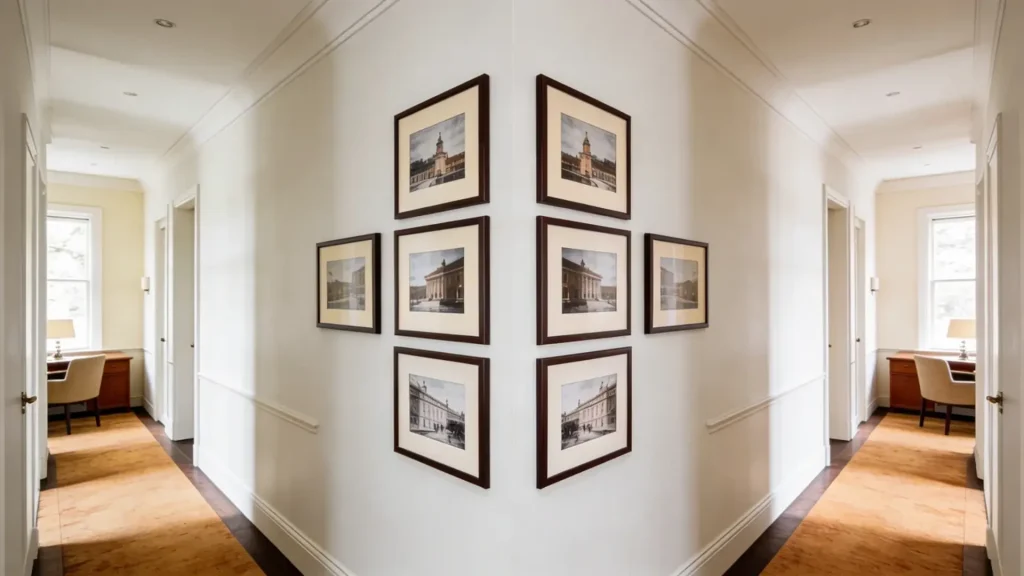
Wall decor adds personality, but it needs structure to avoid a messy look. Choose between a gallery wall or a single statement piece and stick to one approach.
Keep spacing even and align items properly. This creates a clear focal point and makes the hallway feel intentional instead of cluttered or randomly decorated.
5. Use Mirrors to Open Up the Space

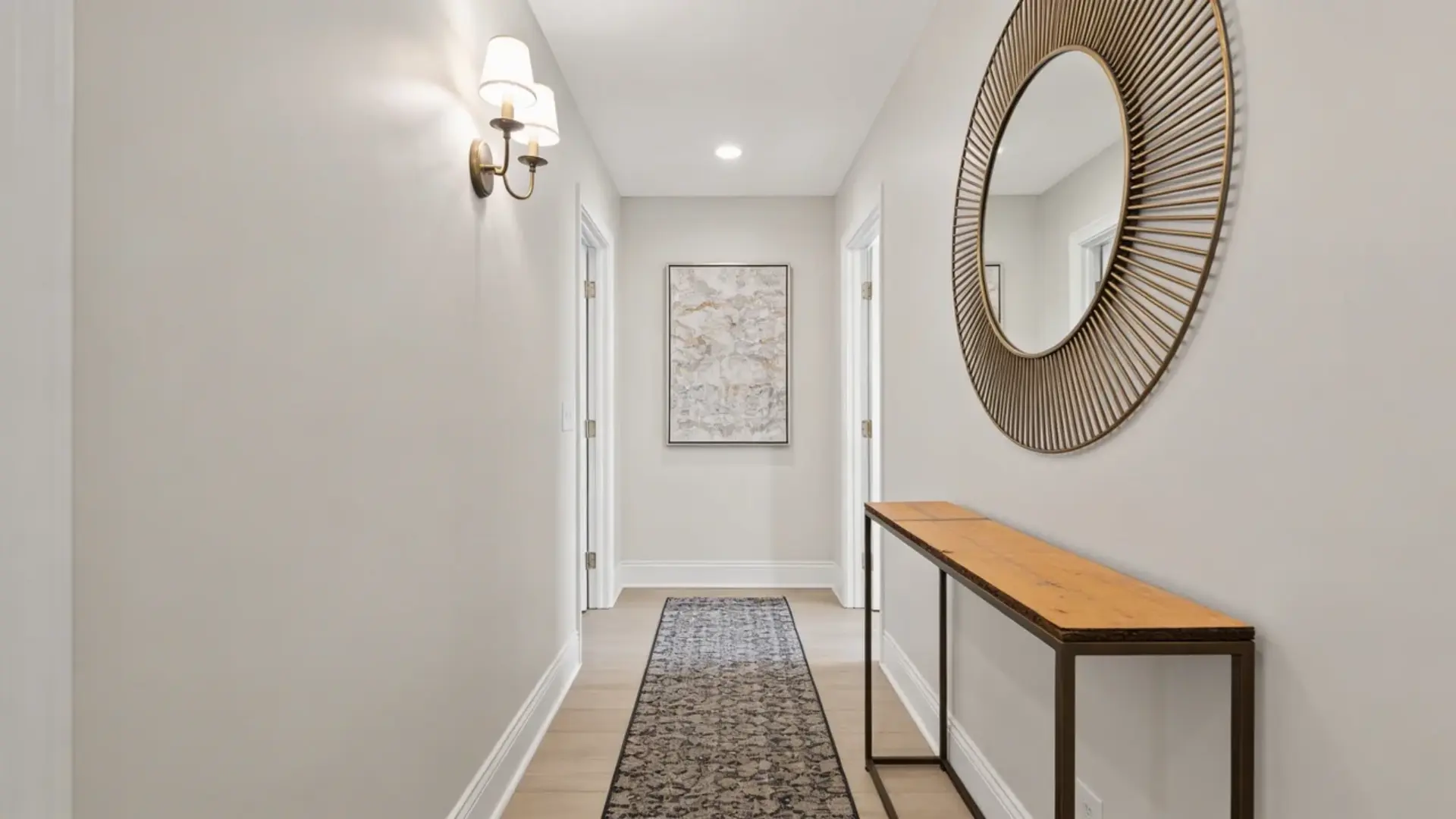
Mirrors help make a hallway feel larger and brighter without taking extra space. Place them where they can reflect natural or artificial light for the best effect.
Large or vertical mirrors work well in narrow hallways, as they add depth and reduce the closed feel, making the space appear more open.
6. Add Slim Furniture
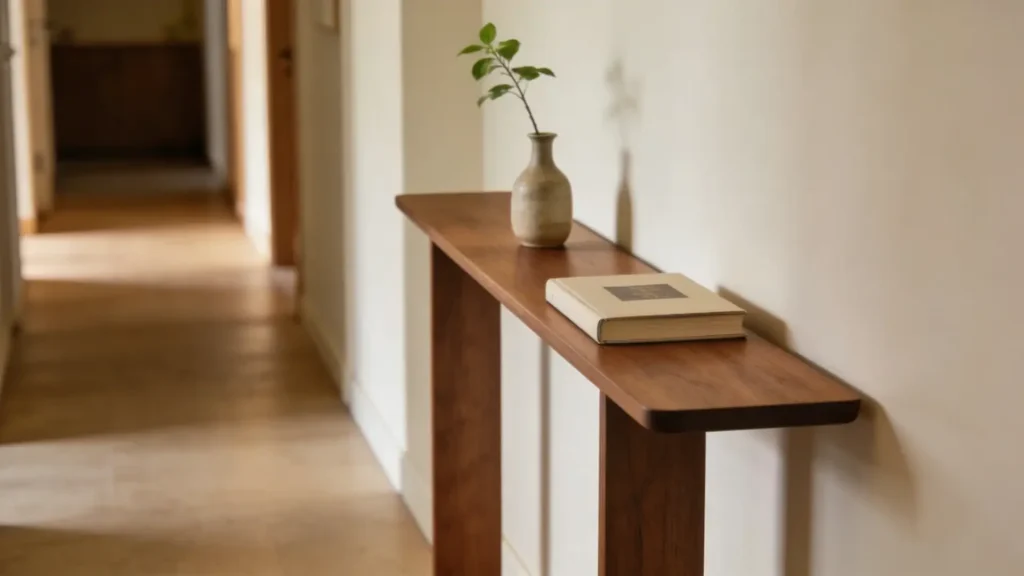
Furniture can add function, but only if it does not block movement. Use slim options like narrow console tables or floating shelves to maintain flow.
These pieces provide storage and surface space without crowding the area. Avoid bulky furniture, as it can make the hallway feel tight and difficult to move through.
7. Keep Minimal Accessories
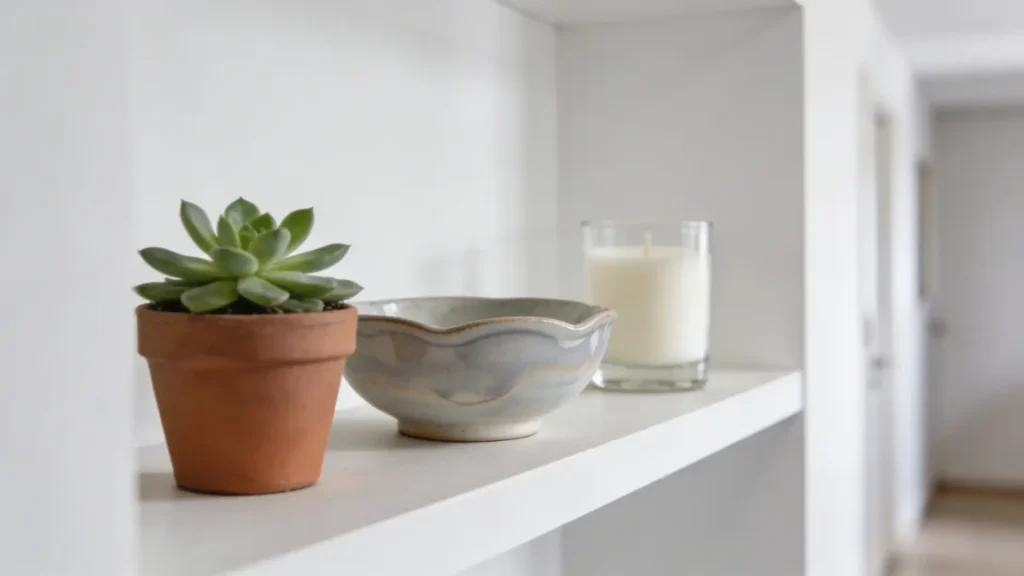
Once the main elements are in place, add a few simple accessories to complete the look. Use small items like plants, baskets, or decor pieces to add warmth.
Keep it minimal to avoid clutter. Too many small items can make the space feel crowded, while a few well-placed pieces create balance and a clean finish.
8. Create a Clear Focal Point
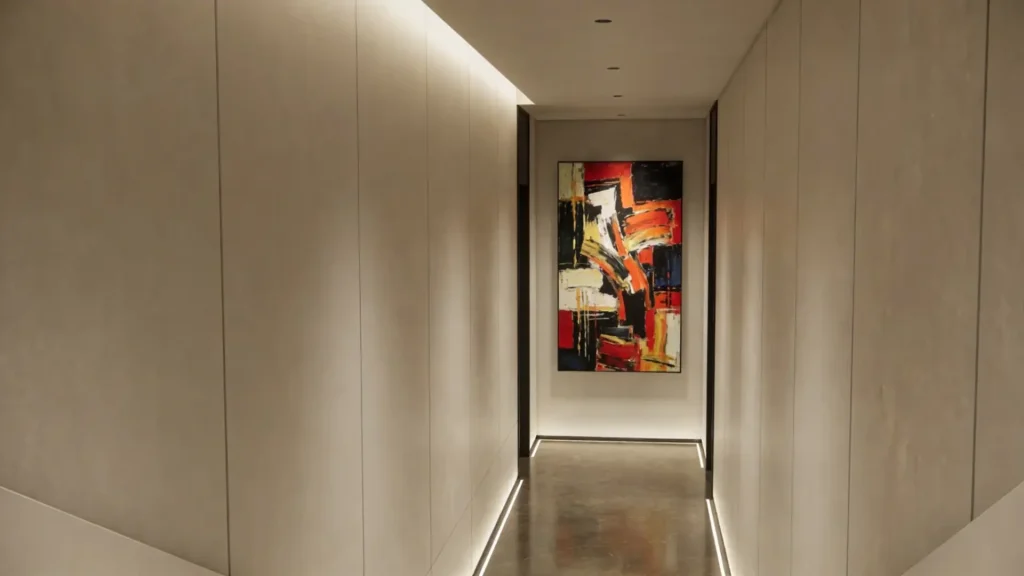
Every hallway should have one element that stands out, such as a large artwork, mirror, or styled console table. This gives the space a clear direction and prevents it from feeling empty or random.
A focal point helps break monotony and adds interest, especially in long or plain hallways. Avoid adding multiple competing elements.
9. Add Subtle Scent and Sensory Touch
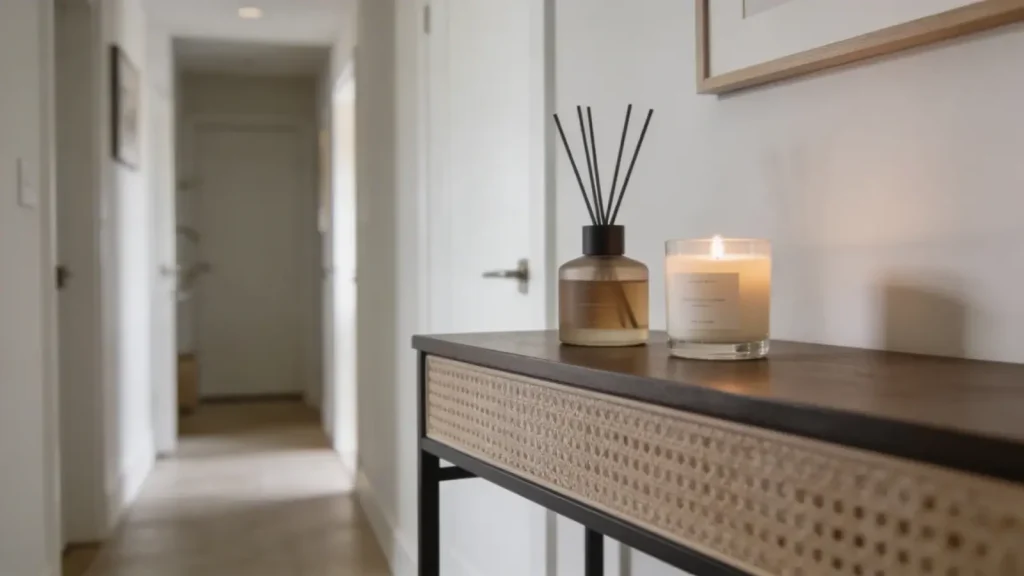
A hallway isn’t just visual, it’s also about how it feels when you pass through it. Adding a light scent using candles, diffusers, or fresh elements can make the space feel more welcoming.
This works because hallways are transition areas, and a pleasant smell creates a better overall impression. Keep it subtle, as strong scents can feel overwhelming in narrow spaces
Adjust the Design Based on Your Hallway Type
Not all hallways are the same, so applying the same approach everywhere can lead to poor results.
Making small adjustments based on your hallway type helps the design feel balanced and functional.
Narrow Hallways
Narrow hallways need a lighter and more open approach to avoid a cramped feel. Use light wall colors to reflect more light and make the space appear wider.
Add mirrors to create depth and reduce the boxed-in effect. Stick to wall-mounted decor and avoid furniture, as even small pieces can block movement and make the hallway feel tighter.
Long Hallways
Long hallways can feel like a tunnel if not broken visually. Repeat elements like lights or frames at regular intervals to create rhythm and guide the eye forward.
You can also divide the space into sections using decor or subtle changes in styling. This makes the hallway feel more balanced and less stretched out.
Dark Hallways
Dark hallways need extra focus on lighting to feel usable and open. Use layered lighting instead of relying on a single ceiling fixture to remove shadows.
Add mirrors or light-reflective finishes to bounce light around the space. This helps improve brightness and prevents the hallway from feeling dull or closed in
Conclusion
Decorating a hallway is less about filling a space and more about making it work for the people moving through it and the home it connects.
You now have a clear, step-by-step path: fix the lighting first, set the right wall tone, layer in rugs and mirrors, add slim furniture, and finish with minimal accessories that earn their place.
You also know how to adjust the approach based on whether your hallway is narrow, long, or dark.
None of it requires a big budget or a complete overhaul. Small, intentional changes make the biggest difference in a space this size.
Which step are you starting with when decorating a hallway? Share your approach or favorite idea in the comments below; we’d love to see what you do with the space!
Frequently Asked Questions
How can I Make My Hallway Look Nice?
Focus on good lighting, light wall colors, and a few well-placed decor pieces to create a clean and balanced look.
What to Put in an Empty Hallway?
Add a runner rug, wall art or mirrors, and slim furniture like a console table to give the space purpose.
What to do with a Boring Hallway?
Update lighting, refresh wall colors, and add simple decor elements to make the space feel more inviting and complete