How Awaab’s Law Is Changing Devon Rentals
Tenant safety is now front and centre across the South West rental market. Awaab’s Law has brought in strict timelines for social landlords to deal with serious hazards, and Devon landlords and tenants both need to understand what the rules mean day to day. Here’s how the tighter framework affects local housing standards, and what’s coming next.
Tighter Timelines for Damp and Mould
Phase 1 of Awaab’s Law came into force on 27 October 2025, targeting hazardous conditions in social homes. Social landlords must investigate any reported damp or mould hazard within 10 working days, then give the tenant a written summary of the findings within 3 working days of the investigation concluding. If the hazard poses a significant risk of harm, they must make the property safe within a further 5 working days, using temporary measures if needed.
Supplementary works to fix the root cause must also begin, or steps must be taken to begin them, within 5 working days of the investigation concluding. All supplementary work must physically start within 12 weeks at the latest.
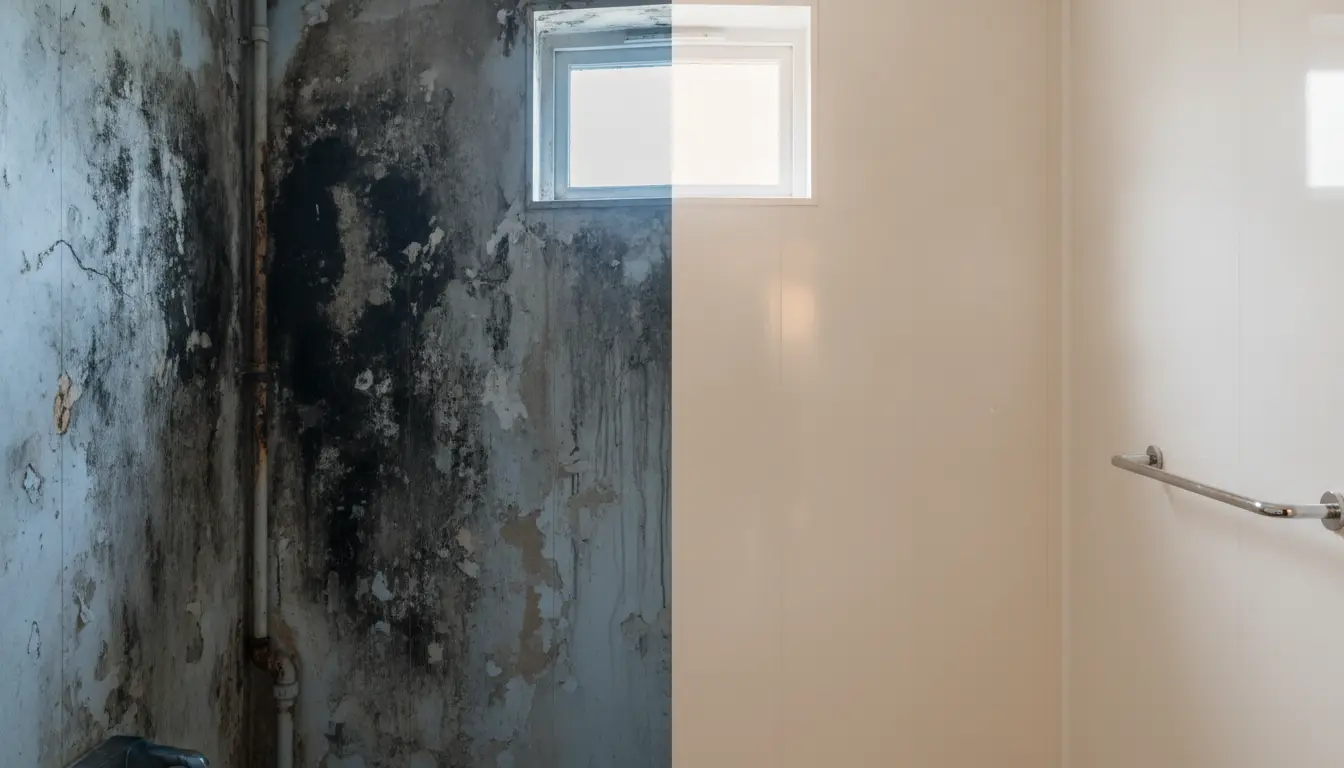
These timeframes matter because damp and mould are a persistent issue in older Devon housing stock, from Exeter’s Victorian terraces to coastal cob and granite cottages. It’s worth noting that damp and mould make up 50% of the Housing Ombudsman’s casework in social housing.
The Renters’ Rights Act 2025, which received Royal Assent on 27 October 2025, contains the framework to extend Awaab’s Law to the private rented sector. That extension sits in Phase 3 of the government’s implementation roadmap and is subject to consultation, with a likely start date from 2027 at the earliest. Private Devon landlords should treat it as a matter of when, not if.
Social landlords who miss the statutory windows face claims from tenants, Ombudsman referrals, and reputational risk. Property managers should have clear systems in place to log complaints the moment they come in.
The 2026 Hazard Expansion
From 2026, the same strict timeframes will apply to a much wider set of hazards. The government’s Awaab’s Law guidance for social landlords confirms the 2026 categories: excess cold and excess heat, falls, structural collapse and explosions, fire and electrical hazards, and domestic and personal hygiene and food safety.
That last category is a big one for kitchens and bathrooms. Landlords will need to make sure these rooms meet basic hygiene requirements to prevent bacteria, pests and moisture-related harm. A broken heater, an electrical fault or a fire safety issue will all trigger the same statutory response as damp and mould does today, pushing property management towards a proactive model with regular inspections and reliable contractors on call.
Preventative Upgrades for Moisture Control
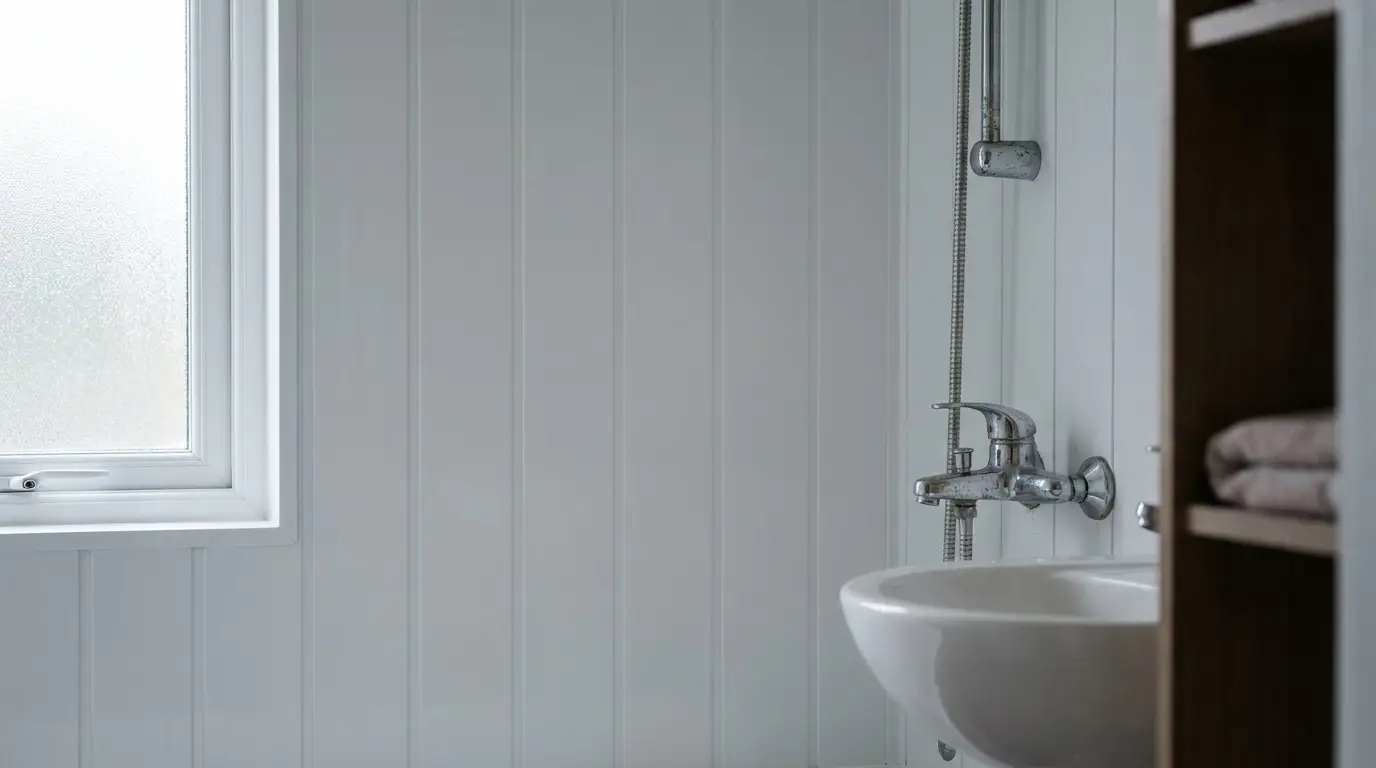
Many Devon landlords are getting ahead of the 2026 changes by upgrading kitchens and bathrooms before problems appear. Materials that resist moisture and wipe clean easily help prevent mould from taking hold. Traditional tiles are prone to cracked grout, which is where moisture gathers and mould thrives.
A popular option is to install white PVC cladding on bathroom and kitchen walls in place of standard tiles. The panels form a water-resistant surface that stops moisture reaching the wall behind, and they wipe down in seconds, which makes hygiene simple for tenants to maintain.
Modern PVC wall panels typically carry a Class 1 fire rating under BS 476, meaning they resist the spread of flame across their surface. While this won’t satisfy Awaab’s Law on its own, since the 2026 rules require landlords to respond to fire hazards within set timeframes rather than specifying materials, choosing fire-resistant finishes will reduce the chance of a hazard arising in the first place.
Because the material doesn’t support mould growth, it also reduces the risk of structural damp over time. These panels are durable too, so they don’t chip or crack the way plaster or tiles can, cutting maintenance between tenancies and helping keep homes attractive to good tenants.
Getting Ahead of the 2026 Deadline
Adapting to the new standards takes a proactive approach. Waiting for a tenant to report a serious hazard leaves very little room to manoeuvre inside the statutory windows. Upgrading moisture-prone rooms with hygienic, fire-safe materials protects tenants’ health, protects the building’s long-term value, and keeps Devon rentals compliant as the 2026 expansion and the eventual private-sector rollout come into view.