The Home Features That Help Maintain Consistent Temperatures
Maintaining consistent temperatures throughout a home is dependent on more than the performance of a heating or cooling system. The design, materials and features of a property are factors that influence how effectively indoor temperatures are managed. Homes with high quality insulation, efficient airflow and well designed spaces are often more comfortable – these features also lower the workload for HVAC equipment. Homeowners who understand these features are able to make improvements that support stable indoor conditions throughout the year.
Insulation and Temperature Stability
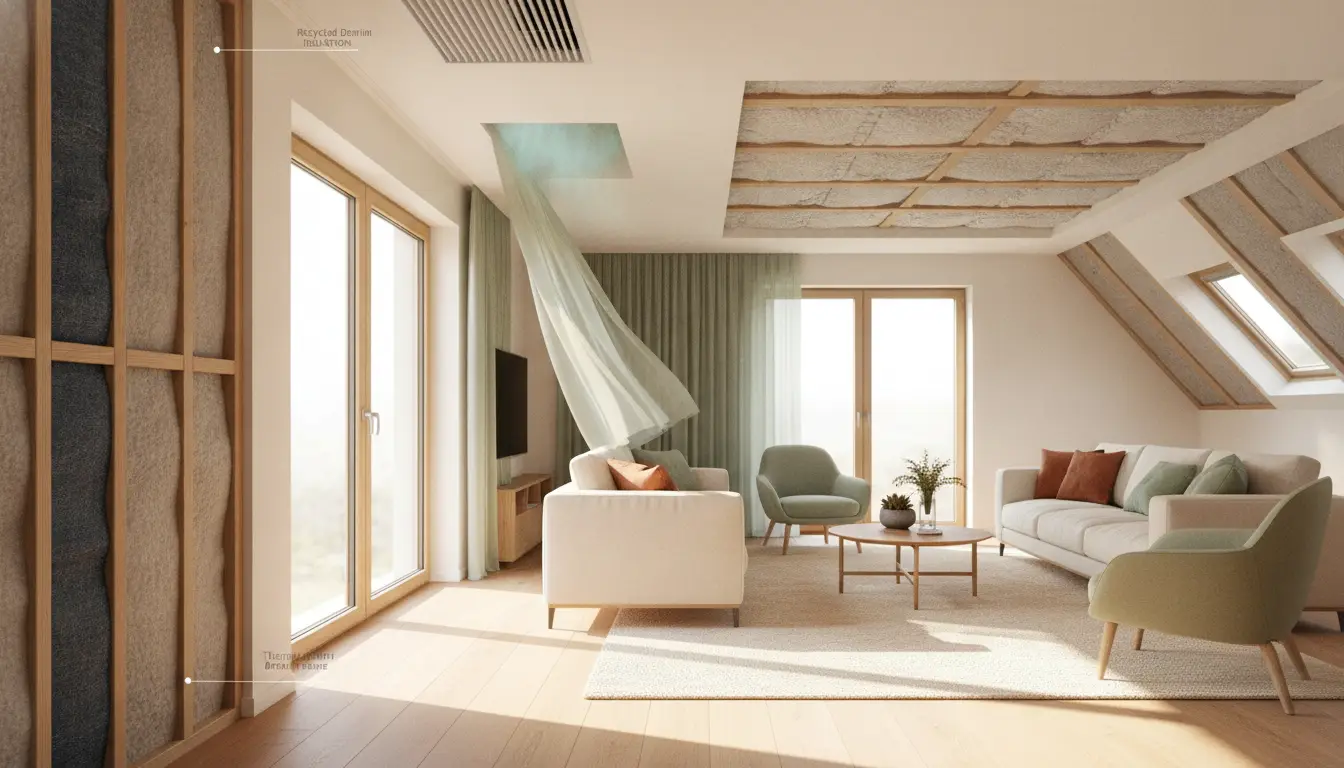
Insulation is one of the most important features that helps maintain steady indoor temperatures. When walls, attics plus floors are properly insulated, the transfer of heat between the inside and outside of a home is slower. During warmer months, this material is helpful because it prevents outdoor heat from entering living spaces. During colder months, it is useful for retaining indoor warmth – this creates a balanced environment and allows heating but also cooling systems to be more efficient.
Comfort levels in different areas of a home are often affected by the quality and condition of insulation. Some older properties have insufficient or damaged insulation, which results in rooms being warmer or cooler than others. Improving insulation during renovations is a way to create a more consistent temperature throughout the property while supporting long term energy savings.
Efficient Windows and Doors
Properly installed windows and doors are necessary for the control of indoor temperatures because heat typically moves through these openings. Energy efficient windows are effective at reducing changes in temperature when they include airtight seals and frames that resist heat flow. Double glazing plus low emissivity coatings are features that limit the transfer of heat, which makes the interior environment more comfortable for people.
Well-maintained doors are also essential for temperature control because they prevent air from moving in or out of a building. Air that is heated or cooled often escapes through small openings around door frames – this process is a reason that heating and cooling systems require more energy to operate. Applying weatherstripping or new materials to these openings is a method to maintain a stable environment and ensure that the space is comfortable.
Proper Airflow and Vent Placement
Airflow is another factor that affects how consistent temperatures are in a home. Heating and cooling systems are dependent on vents that are placed correctly and air pathways that are not blocked. When furniture, curtains or other objects are in front of vents, certain rooms are likely to receive less airflow next to be less comfortable than other areas.
The layout of a home is another factor that influences how air moves between spaces. Open areas, well positioned vents and properly designed ductwork are features that allow temperatures to remain more balanced. Homeowners who are considering improvements, like air conditioning installation London, should also consider airflow planning – this ensures the system is able to distribute cooled air effectively throughout the property.
Attic and Roof Features
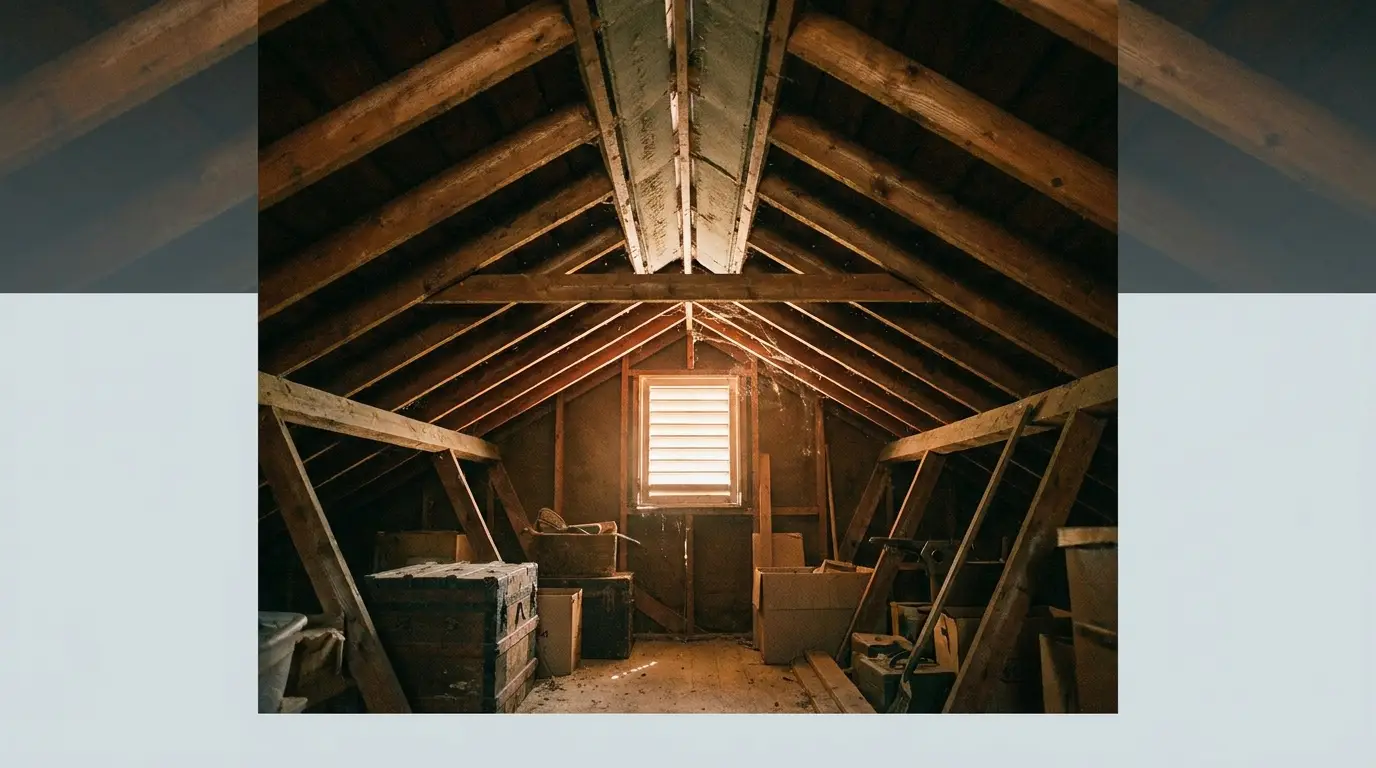
The attic and roof structure are influential for indoor temperatures because they are directly exposed to the weather. A poorly ventilated attic is a space that traps heat during summer, which allows warmth to move into the living areas below. Proper attic ventilation is a feature that releases excess heat plus supports a comfortable indoor environment.
Roof materials and insulation levels are also factors in how much heat enters a home. Reflective roofing materials and adequate attic protection are useful for reducing heat buildup, especially in areas with intense sunlight – these improvements are helpful for maintaining consistent temperatures but also reducing pressure on cooling equipment during hot periods.
Smart Home Temperature Features
Modern home features are available to provide better control over indoor temperatures – these tools allow homeowners to monitor and adjust conditions with efficiency. Programmable thermostats and smart climate controls are able to change settings automatically based on schedules, occupancy as well as preferences – these tools are useful for preventing unnecessary energy use while maintaining comfort.
Smart home technology is also helpful for identifying temperature issues quickly. Monitoring changes in indoor conditions is a way to reveal problems like restricted airflow or equipment performance concerns. Addressing the issues early, which includes scheduling air conditioner repair when necessary, is a way to maintain reliable temperature control.
Conclusion
A comfortable home is the result of multiple features working together to create stable indoor conditions. Efficient windows, proper airflow, attic improvements and smart controls are all features that contribute to consistent temperatures across different rooms – these elements are beneficial because they lower stress on HVAC systems and support a pleasant living environment.
Homeowners who focus on these improvements are able to create spaces that remain comfortable during changing weather. By considering how each feature affects temperature control, it is easier to plan upgrades that improve efficiency, comfort or long term home performance.