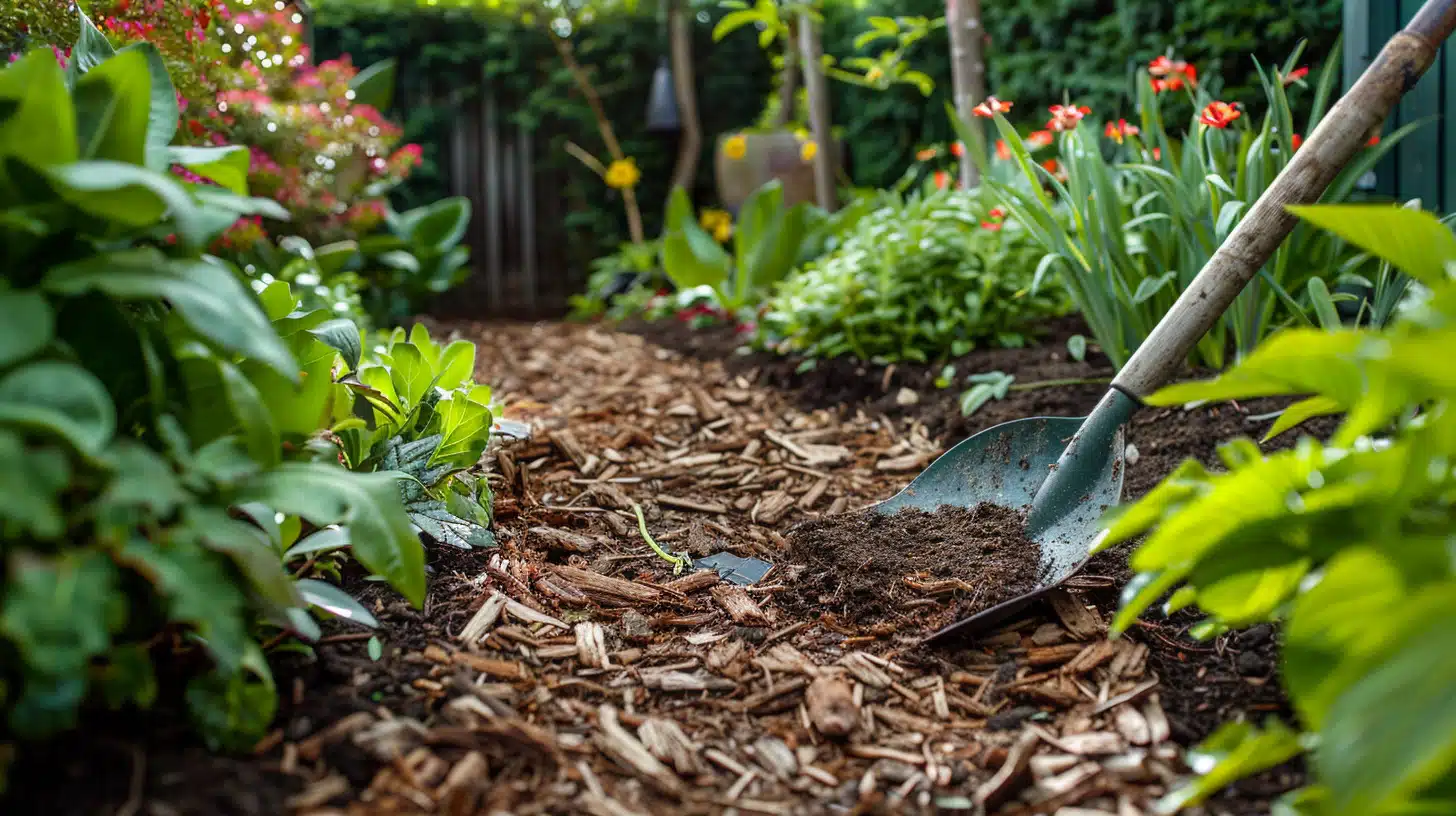
Geranium Care Made Simple for Healthy Blooms
Geraniums are one of the most popular flowering plants for home gardens, patios, and balconies.
Their colorful blooms and long flowering season make them a favorite among gardeners, while their low-maintenance care makes them suitable for beginners and experienced plant lovers alike.
Keeping geraniums healthy doesn’t require much effort. With the right balance of sunlight, watering, and well-draining soil, they can grow well and bloom for months.
In this blog, you’ll learn the simple care tips that can help your geraniums stay healthy and full of flowers throughout the growing season.
What Are Geraniums?
Geraniums are flowering plants known for their bright, colorful blooms and rounded green leaves.
They are a popular choice for garden beds, containers, hanging baskets, and window boxes because they’re relatively easy to grow and can flower from spring through fall.
Available in shades of red, pink, white, purple, and orange, geraniums add long-lasting color to outdoor spaces.
They grow best in sunny locations and adapt well to many garden settings, making them a popular choice among both new and experienced gardeners.
To keep geraniums healthy and blooming, it’s important to provide the right balance of sunlight, water, and well-draining soil.
Essential Requirements for Healthy Geraniums

Healthy geraniums don’t require complicated care. Paying attention to a few basic growing needs can help your plants stay strong and bloom throughout the season.
- Watering: Water when the top inch of soil feels dry, and avoid overwatering, as wet soil can harm root health. Water at the base of the plant to keep leaves dry.
- Sunlight: Geraniums need 6–8 hours of direct sunlight for healthy foliage and more blooms. In hot regions, light afternoon shade helps reduce heat stress.
- Soil: Use well-draining, loose soil – mixing in compost improves drainage. Avoid heavy clay soil, which holds excess moisture and limits root growth.
- Temperature and Climate: Geraniums thrive in moderate to warm temperatures and should be protected from frost. Move potted plants indoors or cover them if temperatures drop unexpectedly.
- Fertilizer: Feed with a balanced fertilizer every few weeks during the growing season, following product directions. Avoid over-fertilizing, as it can reduce blooming.
- Pruning and Deadheading: Remove faded flowers and trim leggy stems regularly to redirect energy toward new growth and improve air circulation.
Watering Tips for Healthy Geraniums

Geraniums prefer evenly moist soil. Instead of watering on a schedule, check the soil and water when the top inch feels dry – more often in summer heat, less in cooler weather.
Potted geraniums dry out faster since containers hold less soil. Check every few days, and water more often in direct sun or windy conditions.
Garden bed geraniums hold moisture longer and need less frequent watering. A layer of mulch helps retain that moisture even further.
Signs Your Geranium Needs Water
- Check the Soil First: The soil is the most reliable sign. If it feels dry a few inches below the surface, your geranium likely needs water.
- Look for Drooping Leaves: Leaves that look limp or tired can mean the plant is thirsty, especially during warm weather.
- Watch for Dry Soil: If the top layer looks dry and the deeper soil feels dry as well, it is time for a thorough watering.
- Notice Slower Growth: Geraniums may grow more slowly when they are not getting enough water.
- Water Deeply When Needed: Give enough water to moisten the soil well, but avoid letting the plant sit in soggy soil.
Signs of Overwatering
- Yellow Leaves: Yellowing leaves can indicate the geranium is getting more water than it needs.
- Soft Stems: Stems that feel mushy or weak may point to excess moisture around the roots.
- Constantly Damp Soil: If the soil stays wet for too long, the roots may not get enough air to stay healthy.
- Root Rot Risk: Too much water over time can lead to root rot, which can damage growth and weaken the plant.
- Let Soil Dry Slightly: Allow the soil to dry slightly between waterings so the roots can breathe and recover.
- Adjust Watering Frequency: Water less often if the plant is in low light, in cooler weather, or in a pot with poor drainage.
What is the Best Soil for Geraniums?
Geraniums grow best in well-draining soil that allows excess water to pass through easily. Soil that stays wet for long periods can affect root health and increase the risk of root rot.
For plants grown in containers, a quality potting mix is often the best option because it provides good drainage while retaining enough moisture for healthy growth.
The ideal soil should also have a light, loose texture, allowing roots to spread easily and access nutrients more effectively.
Mixing in compost or other organic matter can improve soil structure and support steady growth throughout the season.
To keep geraniums healthy, avoid heavy soil that stays soggy after watering, and always use pots with drainage holes to let excess water drain.
How Much Sunlight Do Geraniums Need?

Geraniums grow and flower best when they receive plenty of direct sunlight throughout the day.
- Provide 6–8 hours of direct sunlight daily.
- Place geraniums in a bright, sunny location.
- More sunlight generally leads to better flowering.
- Too much shade can reduce bloom production.
- Indoor plants should be kept near a sunny window.
- Rotate potted geraniums for even growth.
- Watch for leggy stems, which may indicate insufficient light.
- In very hot climates, light afternoon shade can be beneficial.
Common Geranium Problems and How to Fix Them
Even healthy geraniums can develop issues from time to time. Identifying the problem early can help keep your plants growing well.
| Problem | Possible Cause | What to Do |
|---|---|---|
| Yellow Leaves | Overwatering or poor drainage | Let the soil dry slightly and improve drainage if needed. |
| Wilting Plants | Too little or too much water | Check soil moisture and adjust watering accordingly. |
| Few or No Flowers |
Insufficient sunlight |
Provide 6–8 hours of direct sunlight each day. |
| Leggy Growth | Low light conditions | Move the plant to a brighter location and trim stretched stems. |
| Brown Leaf Edges | Dry soil or hot conditions | Water consistently and protect plants from extreme heat. |
| Root Rot | Soil stays wet for long periods | Use well-draining soil and avoid excessive watering. |
Most geranium problems can be corrected by adjusting watering, improving sunlight exposure, or ensuring proper soil drainage. Regularly checking your plants can help prevent small issues from becoming bigger concerns.
Simple Tips for Longer-Lasting Blooms
A few small maintenance habits can help geraniums stay healthy and produce flowers for longer.
- Remove spent blooms regularly to encourage new flowers.
- Trim damaged or weak stems as needed.
- Water consistently without keeping the soil overly wet.
- Make sure plants receive enough sunlight each day.
- Check for signs of pests or disease during routine care.
- Use a balanced fertilizer during the growing season if needed.
- Remove yellow or dead leaves to keep plants looking healthy.
- Repot container-grown geraniums when they become root-bound.
Final Thoughts
Geraniums are a great choice for gardeners looking for colorful flowers with minimal upkeep.
By providing the right amount of sunlight, watering only when needed, and using well-draining soil, you can help these plants stay healthy throughout the growing season.
Regular maintenance, such as removing faded blooms and checking for common issues, can also encourage continued flowering.
Small care routines often make a noticeable difference in the overall health and appearance of the plant. The key is to pay attention to your geranium’s growing conditions and make adjustments when necessary.
With consistent care and a suitable environment, geraniums can reward you with months of healthy growth and beautiful blooms.
Frequently Asked Questions
Can Geraniums Be Grown from Cuttings?
Yes. Geraniums are commonly propagated from stem cuttings, making it easy to grow new plants from an existing one.
How Tall Do Geraniums Grow?
The mature size varies by variety, but many common garden geraniums reach between 12 and 24 inches in height.
Are Geraniums Safe for Pets?
Geraniums can be toxic to cats and dogs if ingested. It’s best to keep plants out of reach of curious pets.