
Gas Fireplace Inserts vs Traditional Fireplaces: Key Differences Explained
Fireplaces have long been a symbol of comfort and warmth in homes. For many homeowners, they also serve as a focal point for gathering and relaxation. Today, the choice is no longer limited to traditional wood-burning fireplaces. Modern heating options like gas fireplace inserts offer a different approach to warmth, efficiency, and convenience.
Understanding how gas fireplace inserts compare to traditional fireplaces can help homeowners decide which option better suits their space, lifestyle, and heating needs.
What Is a Traditional Fireplace?
Traditional fireplaces are typically wood-burning units built directly into a home’s structure. They rely on an open firebox and chimney to vent smoke and gases outdoors. These fireplaces are often found in older homes and are valued for their classic appearance and natural flames.
While they create ambiance, traditional fireplaces were not designed with energy efficiency in mind. Much of the heat produced escapes through the chimney, and they can even pull warm air out of the room when in use.
What Are Gas Fireplace Inserts?
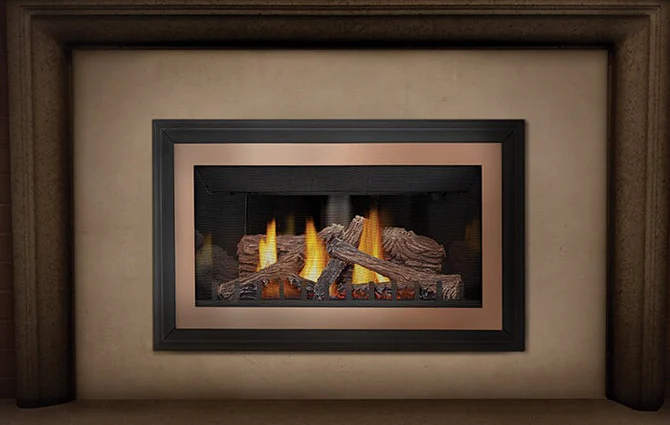
Gas fireplace inserts are sealed heating units designed to fit inside existing fireplace openings. They operate using natural gas or propane and are engineered to provide controlled, consistent heat.
Because gas fireplace inserts are enclosed systems, they prevent warm indoor air from escaping up the chimney. Many models also include blowers that help distribute heat evenly throughout the room.
Heating Efficiency Differences
One of the most important distinctions between these two options is heating efficiency.
Traditional fireplaces:
- Lose a large portion of heat through the chimney
- Provide uneven warmth
- Are better suited for ambiance than heating
Gas fireplace inserts:
- Convert more fuel into usable heat
- Deliver steady, controllable warmth
- Can function as effective supplemental heating sources
For homeowners looking to improve comfort during colder months, gas fireplace inserts generally offer a more practical heating solution.
Energy Use and Temperature Control
Wood-burning fireplaces rely on firewood, which produces fluctuating heat levels based on airflow and fuel quality. Temperature control is limited and requires constant attention.
Gas fireplace inserts allow precise control over flame height and heat output. Homeowners can adjust settings easily using switches, remotes, or thermostats. This level of control helps maintain consistent room temperatures and reduces unnecessary energy use.
Safety Considerations
Safety is a key factor when comparing fireplace options.
Traditional fireplaces:
- Produce sparks and embers
- Require constant supervision
- Carry a higher risk of chimney fires if not maintained
Gas fireplace inserts:
- Use sealed glass enclosures
- Reduce exposure to open flames
- Include built-in safety shutoff systems
These features make gas fireplace inserts a safer choice for households with children or pets.
Indoor Air Quality Impact
Wood-burning fireplaces release smoke, ash, and fine particles into the air. Even with proper ventilation, some pollutants can remain indoors.
Gas fireplace inserts burn much cleaner. Because combustion is sealed, fewer pollutants enter the living space. This can help improve indoor air quality, especially for people with allergies or respiratory sensitivities.
Maintenance and Cleaning Requirements
Maintenance demands vary significantly between the two options.
Traditional fireplaces require:
- Regular chimney sweeping
- Frequent ash removal
- Monitoring for creosote buildup
Gas fireplace inserts typically require:
- Annual system inspections
- Occasional cleaning of glass panels
- Routine checks of burners and vents
Over time, gas fireplace inserts tend to require less hands-on maintenance and cleanup.
Installation and Structural Impact
Installing or maintaining a traditional fireplace can involve masonry repairs, chimney relining, or structural modifications.
Gas fireplace inserts are designed to fit into existing fireplaces, reducing the need for major structural changes. While professional installation is required, the process is often less disruptive than rebuilding or upgrading a traditional fireplace system.
Cost and Long-Term Value
Upfront costs vary based on design, materials, and installation complexity.
Traditional fireplaces may seem less expensive initially, but long-term costs can increase due to:
- Chimney maintenance
- Lower heating efficiency
- Higher energy loss
Gas fireplace inserts may have higher installation costs, but their efficiency and lower maintenance needs can provide better long-term value.
Design and Aesthetic Flexibility
Traditional fireplaces offer a classic appearance that appeals to homeowners who prefer a traditional look.
Gas fireplace inserts are available in a wide range of styles, from traditional log designs to sleek, modern glass fronts. This allows homeowners to update the appearance of an existing fireplace without losing its visual appeal.
Environmental Considerations
Wood-burning fireplaces rely on harvested firewood and produce particulate emissions. Gas fireplace inserts burn cleaner and generate fewer emissions.
While no heating option is entirely impact-free, gas fireplace inserts represent a more environmentally responsible alternative to open wood fires.
Choosing the Right Option for Your Home
The best choice depends on how the fireplace will be used.
Traditional fireplaces may be suitable for homeowners who:
- Prioritize ambiance over heat output
- Use fireplaces occasionally
- Enjoy the experience of wood-burning fires
Gas fireplace inserts may be a better fit for homeowners who:
- Want reliable supplemental heat
- Prefer lower maintenance
- Value safety and energy efficiency
Understanding personal priorities helps guide the decision.
Final Thoughts
Gas fireplace inserts and traditional fireplaces serve different purposes. Traditional fireplaces offer charm and atmosphere, while gas fireplace inserts provide efficient heat, improved safety, and ease of use.
Homeowners exploring fireplace upgrades often benefit from learning about modern systems and installation considerations. Informational resources and service providers such as The Torch Guys help homeowners better understand how gas fireplace inserts work and what factors to consider before making a decision.
If you are planning to update or improve your fireplace, taking time to compare options and understand their differences is a smart first step toward creating a more comfortable and efficient home.


