Friction-Maxxing: Why the Smartest Homes Are Getting Deliberately Dumber
Technology makes daily life more convenient. Lights dim on command, and dinner arrives at your doorstep without you saying a word to anyone. In contrast, friction-maxxing is about choosing inconvenient, analog or effortful options on purpose to fight instant gratification and push back on tech-driven ease. You don’t have to ditch every smart device in your home. Just pick a few spots where a little extra effort makes life feel more intentional.
Why More Homeowners Are Choosing Inconvenience on Purpose
Friction has quietly disappeared from daily routines with the rise of one-click shopping, algorithm-curated feeds, voice assistants and similar technologies. However, convenience built to save time can backfire into mindless habits. Consider the endless scrolling that happens often without a decision being made.
This idea isn’t a vague feeling because plenty of people already sense their phone has too much pull over their day. More than half of U.S. adults believe they spend too much time on their smartphones. This phone fatigue awareness can carry over to the home. If screen habits feel automatic and excessive, it’s worth asking whether the house itself has also drifted onto autopilot.
Friction-maxxing helps rebuild focus and attention span. If you choose to read a physical book instead of flipping through different mobile apps, you can train your ability to stay with one thing longer. Another benefit is that you’ll feel more present in your daily routines. Automated tasks tend to run in the background without much notice, while manual ones require a small moment of attention.
Bringing Back Hands-On Control at Home
Some of the most visible friction-maxxing changes start with your house’s physical features, specifically the parts that shifted from manual to app-controlled systems. Physically adjusting something, be it a switch or a shutter, keeps you present or aware of your space.
Swap Smart Bulbs for Lamps You Actually Switch On
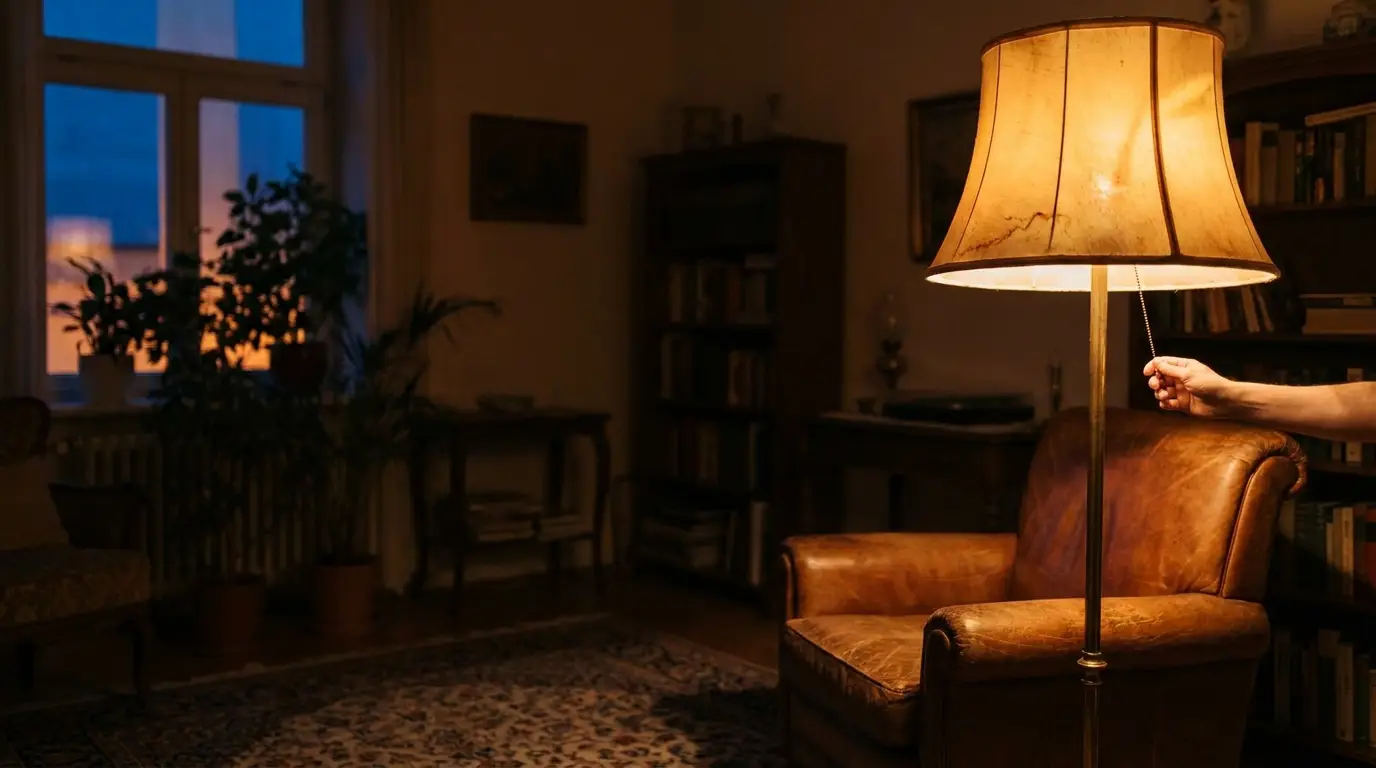
You can activate smart bulbs with your voice or via an app, but with traditional lamps, you’ll need to pull a chain or flip a switch to turn them on. Think of the action as an arrival ritual whenever you enter a room. Instead of light appearing instantly when you enter, you walk over to turn on a lamp, creating a deliberate moment.
Consider adding several small, distinct light sources, like table, floor and reading lamps, around a room to extend the experience. For safety and energy efficiency, some homeowners keep a few smart lighting features, like a porch light on a timer. They opt for manual control for the most intentional lighting, like illumination in a living room or a bedside lamp.
Trade Smart Shades for Shutters You Open by Hand
Manually opening or closing window shutters to let in morning light, reduce midday glare and preserve evening privacy turns the passive task into a brief pause. Imagine cracking the shutters open each morning while you drink coffee.
Explore different types of shutters. For example, plantation shutters work well for friction-maxxing because you can adjust them by hand to maintain your privacy and regulate light throughout the day. They only need weekly dusting and the occasional wipedown to maintain. They also fit in any room of the house, making it easier to match them with your interior design.
Making Entertainment a Ritual Again
With autoplay queues, endless scrolling feeds and algorithm-picked content that requires zero decision-making, entertainment is among the most frictionless parts of daily life. Choose activities that require deliberate action to turn consumption into something more present and memorable.
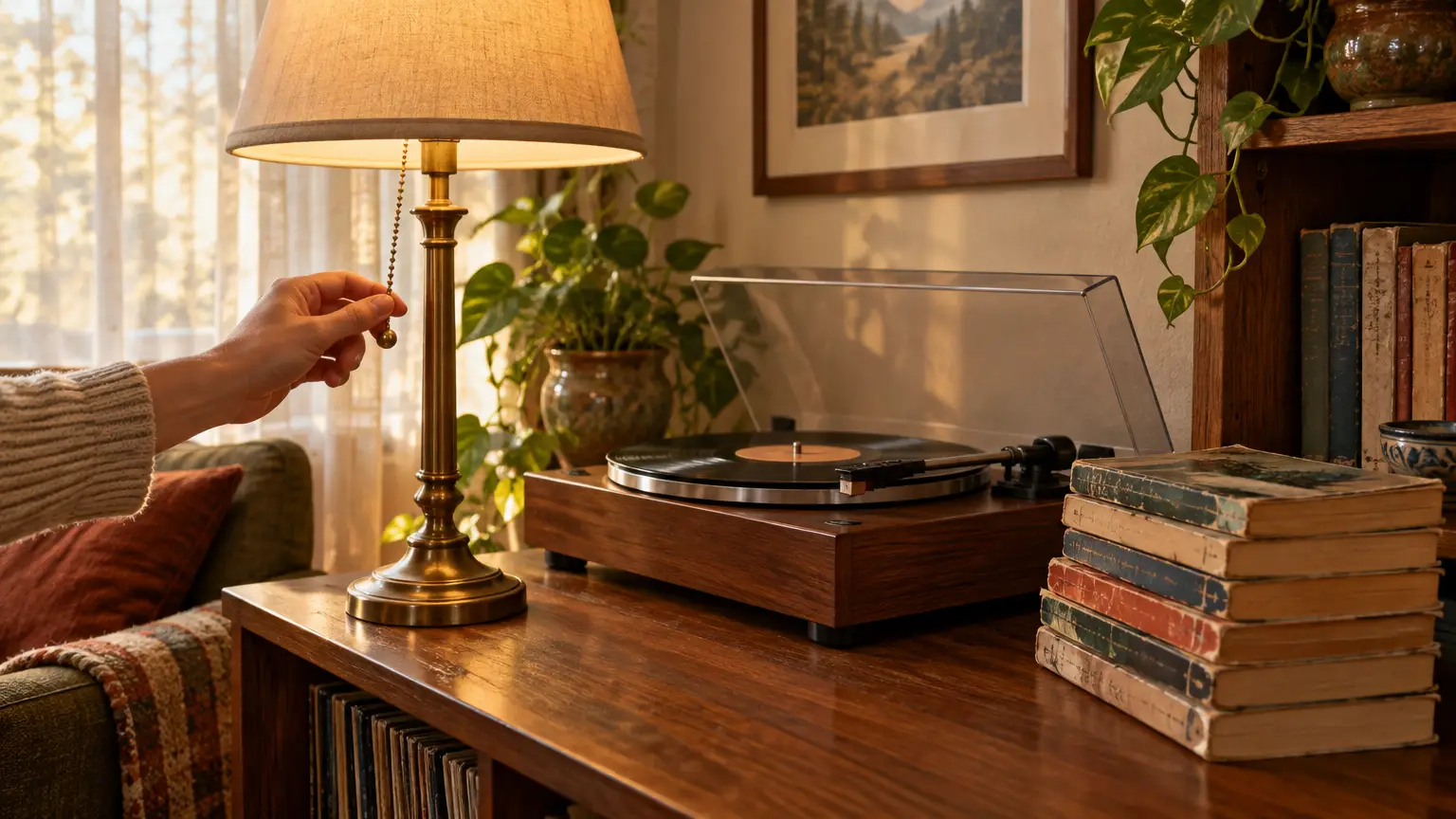
Trade Streaming Playlists for a Record Player
Compare tapping shuffle on a streaming app with physically choosing an album, placing it on a turntable and lowering the needle. The steps involved in the latter create a small built-in pause before the listening even starts.
Plus, records naturally encourage listening to a whole side of music rather than skipping between songs, which can feel more immersive. If you’re not ready to say goodbye to your streaming app, keep both. Reach for vinyl when you want a slower, more intentional listening session. Opt for your go-to playlist if you’re in the mood for something more spontaneous.
Fill Your Shelves With Physical Books
An e-reader library and an audiobook app may be convenient, but picking a book from a shelf is a timeless, sensory experience. You hold a book, turn pages and use a bookmark to mark your reading point. It creates a different kind of focus from tapping through a screen.
You can build a home library or reading nook without needing major renovations or a spare room. If you already have books, choose shelving that fits your collection and tucks into a hallway, bedroom corner, window seat or understairs nook. Floating shelves are great for smaller collections, while floor-to-ceiling bookshelves are ideal for larger ones.
Slowing Down in the Kitchen
It’s easy to outsource your meals. A few taps on a delivery app, and your lunch shows up at your doorstep without any effort on your part. A few small shifts can help you reconnect with your kitchen more often.
Cook From Scratch Instead of Ordering In
The extra time and hands-on work of chopping, prepping and cooking are not downsides to avoid. It’s the point for friction-maxxing. It pushes you to work on one task at a time, sometimes several simultaneously, which engages your mind and body. Plus, you get to choose what goes into the dish, from ingredient quality to portion size.
Cooking from scratch also changes how the meal feels. It’s fulfilling to enjoy food that you made on your own. If you have a busy schedule, choosing one home-cooked dinner a week over a delivery order counts as a meaningful shift.
Write Out Your Grocery List by Hand
With a grocery delivery app’s saved list or auto-reorder feature, you can replenish your fridge and pantry without leaving your home. However, jotting down the list by hand has hidden benefits. When you write the items, you’ll likely think through the meals for the week. The list can change based on your plans. Letting an app repeat the same order automatically locks you into a specific set of ingredients.
A handwritten list can also reduce impulse buys. You’ll stick closer to what you actually need because there’s no one-click add-to-cart temptation for extras along the way.
Friction-Max Your Home Without Going All or Nothing
Home features, entertainment and the kitchen are great places to start slowing down. Pick one swap instead of tackling every category at once. Go for the one that feels the most natural or appealing. Even simple, purposeful changes can make a home feel more present and meaningful over time.