
Effective Solutions for a Blocked Stormwater Drain
Maintaining clear and efficient stormwater drains is crucial for safeguarding properties and reducing the risk of environmental damage. Often overshadowed by other home maintenance tasks, the upkeep of stormwater drains should never be underestimated. Blocked stormwater drains can lead to severe consequences such as flooding, infrastructure damage, and a negative impact on local ecosystems.
So, what causes these pesky blockages? Common culprits include the accumulation of leaves, sediment build-up, careless disposal of waste materials, and invasive tree roots. This article aims to provide insight into effective solutions for managing blockages and offers tips to prevent them from recurring.
Understanding the Causes of Blocked Stormwater Drains
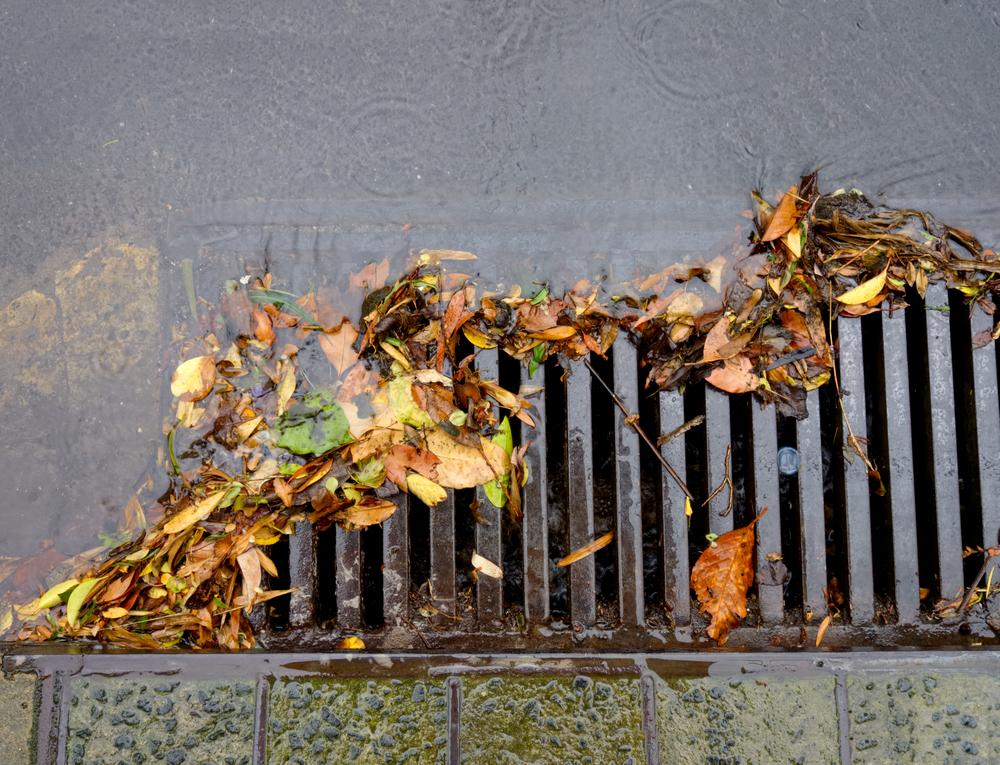
Leaves and debris are notorious for clogging drains, especially during autumn when foliage falls in abundance. Accumulated over time, they can create formidable blockages. Similarly, sediment build-up, often resulting from erosion and construction activities, gradually reduces the drain’s capacity to channel water effectively.
Improper disposal of waste materials is another contributor. Disposing of oil, paint, or other hazardous substances down a drain can lead to severe blockages and environmental harm. Additionally, tree roots have an uncanny ability to infiltrate drain pipes, searching for moisture and nutrients. When they do, the roots can cause significant damage by cracking or blocking pipes.
Regular Maintenance and Inspection
To avoid the headache of a blocked stormwater drain, regular maintenance and inspection are key. Establishing a routine inspection schedule for stormwater systems helps detect potential issues early. Maintenance tasks such as regularly cleaning gutters and ensuring downpipes are clear are crucial preventive measures.
Equipping oneself with the right tools—gutter scoops, gloves, and a sturdy ladder—can make maintenance tasks more manageable. Additionally, being aware of warning signs, like slow-draining water or unusual noises from the drains, can signal an impending blockage that needs urgent attention.
DIY Solutions for Minor Blockages
For minor blockages, a do-it-yourself approach can often do the trick. Start by removing visible debris with standard tools. Using a plumber’s snake or drain auger can help to get rid of more stubborn obstacles in the drain. Chemically-based drain cleaners can also be effective; however, one must follow the safety instructions carefully to prevent damage to the pipes or the environment.
If you’re unsure where to begin, learning the steps to fix an outside drain blockage can guide you through the process safely and efficiently, starting from identifying the blockage location to using appropriate tools and flushing techniques. Natural solutions, such as a mixture of baking soda and vinegar, offer a gentle and eco-friendly method to clear clogs. Pour the mixture down the drain, followed by hot water, to help break down blockages without harming the plumbing system.
When to Call in Professional Help
While DIY methods are useful, some blockages require professional intervention. Serious indications that it’s time to call in the experts include persistent clogs that resist conventional clearing methods, repeated blockages, or evidence of structural damage.
Professional drainage services offer numerous benefits, utilising advanced techniques like hydro jetting, which employs high-pressure water streams to clear stubborn blockages. Additionally, experts can employ cameras to inspect the insides of pipes, identifying issues inaccessible otherwise.
When opting for professional services, it’s essential to consider factors such as cost and reliability. Choosing a service provider with a reputable history and transparent pricing can alleviate worries about escalating expenses.
Prevention Tips to Avoid Future Blockages
Prevention is invariably better than cure when dealing with stormwater drains. Effective landscaping can help divert leaves and debris from the drainage system. Consider implementing strategic planting and ensuring no trees are too close to the drainage lines. Installing drain guards or screens serves as a frontline defence, filtering debris before it can cause blockages.
Education plays a crucial role in maintaining clear drains. By educating communities on proper waste disposal, fewer harmful items end up in drains. Developing collective solutions, regular community clean-up initiatives foster a sense of responsibility and steward the environment well into the future.
Key Takeaways and Next Steps
To sum up, taking strategic steps, such as regular maintenance and inspection, can go a long way in preventing blocked stormwater drains. Being proactive by employing preventive measures and timely intervention not only safeguards personal property but also contributes to a healthier environment.
In conclusion, understanding the nature of stormwater drains and investing time or resources in their upkeep is vital. By doing so, one helps maintain a system that not only prevents flooding and property damage but also ensures the smooth functioning of local ecosystems. Remember, clear drains are not just about avoiding nuisances; they play a pivotal role in creating sustainable living environments.


