Easy Homemade Fruit Fly Traps that Actually Work
Fruit flies can seem harmless, but once they find their way into your kitchen, they multiply fast and become a real nuisance.
Here, you’ll learn how to make a fruit fly trap, what materials actually work, and the best ways to position them for maximum results.
Follow these simple steps, and you’ll quickly see how small changes can make a big difference in keeping your kitchen fly-free.
What are Fruit Flies and Why Do They Appear in Your Home
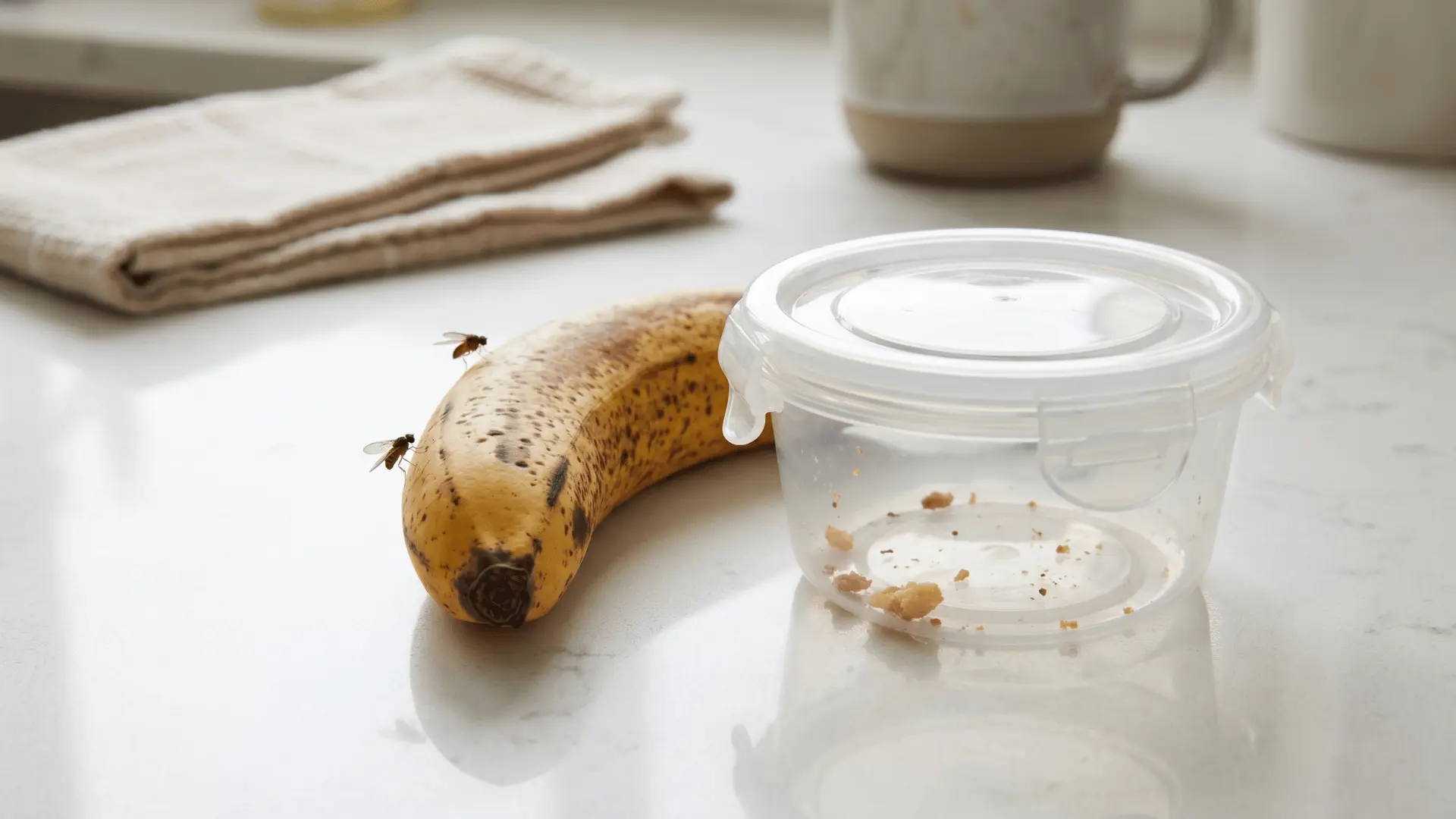
Fruit flies are those tiny insects that show up the second something starts going off in your kitchen. They’re usually about 3mm long, tan or yellowish-brown in color, with distinctive red eyes and a rounded body.
They’re a species called Drosophila melanogaster, but all that really means is they’re extremely good at sniffing out fermentation before you’ve even noticed it yourself.
- Why they’re in your home: Not because it’s dirty, but because your home has food, and food eventually ferments. A wine glass left out, an overripe banana, a splash of juice that didn’t get wiped – that’s all it takes
- What most people don’t realize: They don’t always fly in from outside. Eggs hitch a ride on store-bought fruit and hatch once things start turning. By the time you spot them, there’s already a full cycle running – eggs, larvae, and adults all within two weeks.
They’re just opportunists, and your kitchen gives them everything they need.
Materials Needed
Here’s everything you need to make a homemade fruit fly trap:
| Category | Type | Description |
|---|---|---|
| Container | Jar | Narrow opening makes escape difficult and holds scent well; best choice for trapping fruit flies. |
| Cup or Glass | Easy to use, but a wider opening allows more escapes; good backup option. | |
| Bowl | Too open, so always cover it; least reliable. | |
| Bait | Apple Cider Vinegar | Strong fermented smell that attracts flies quickly; most effective bait. |
| Rotting Fruit | Sweet, fermented smell; may get messy or dry out. | |
| Red Wine | Fermented scent; slightly less effective than apple cider vinegar. | |
| Balsamic Vinegar | Sweeter option; results can vary. | |
| Trap Add-On | Dish Soap | A few drops break the liquid surface so flies can’t sit and escape. |
| Cover (Plastic Wrap or Paper Cone) | Creates a narrow entry, making it hard for flies to get out. |
How to Catch Fruit Flies at Home: Step-by-Step
Fruit flies can be stubborn, but setting up a trap is quick and easy. Follow this step-by-step guide to catch them fast.
Step 1: Prepare the Bait
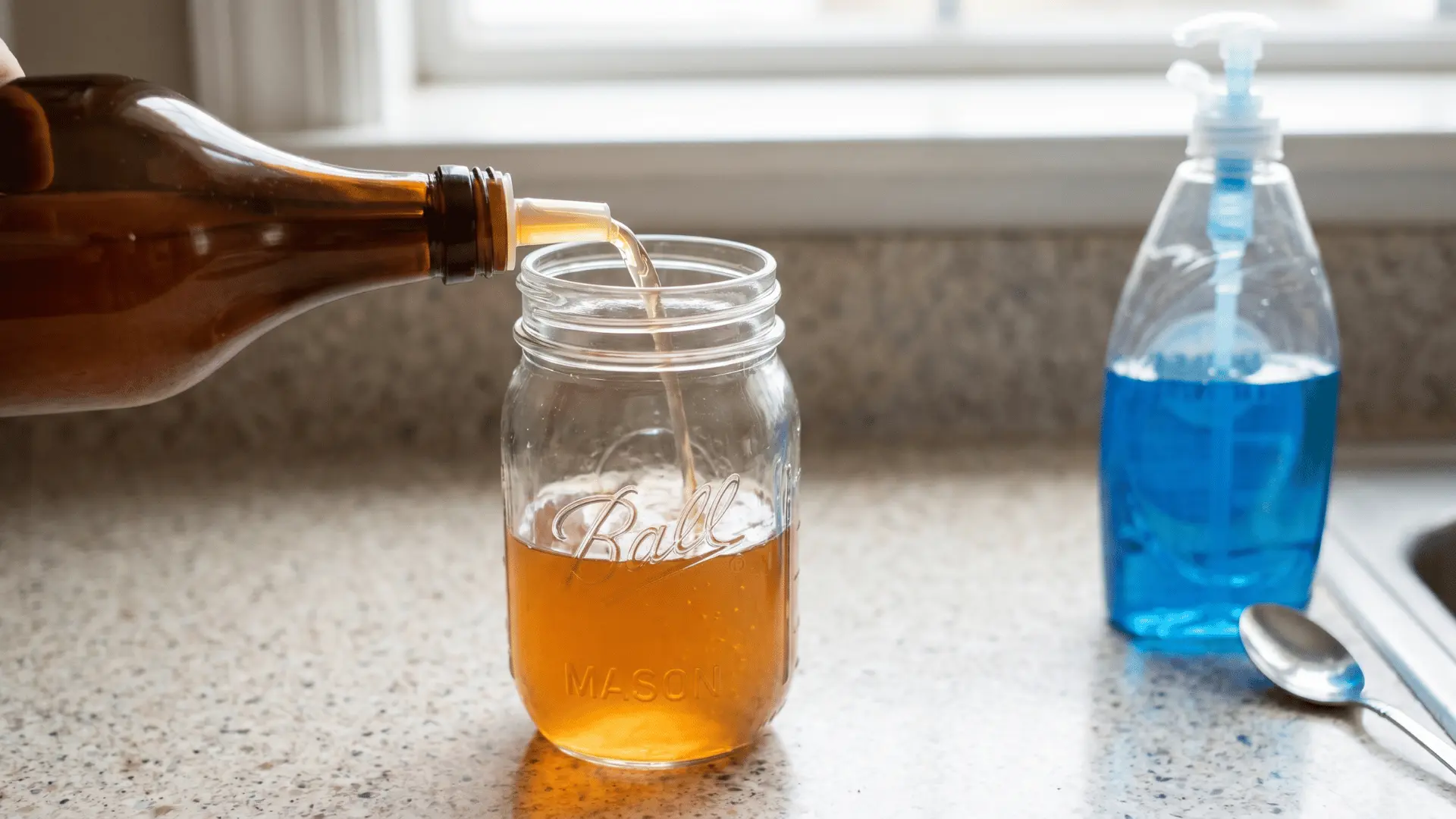
First, grab a container from your kitchen. A mason jar works best, but an old cup or any small bowl will do. Pick whatever you have on hand, no need to buy anything special.
Next, pour in ½ to 1 cup of apple cider vinegar. Don’t worry if you don’t have any; leftover red wine, balsamic vinegar, or even juice from canned fruit can work just as well. The goal is a strong, sweet, fermented smell that draws in the flies.
Then, add 3–5 drops of dish soap. This is an easy trick that keeps the flies from sitting on the surface and flying away. Just a few drops are enough to do the job.
If you want an even stronger scent, you can mix in 1 tablespoon of sugar or a little warm water. This extra step can help attract more flies, but it’s completely optional.
Step 2: Add a Cover (Choose One Method)
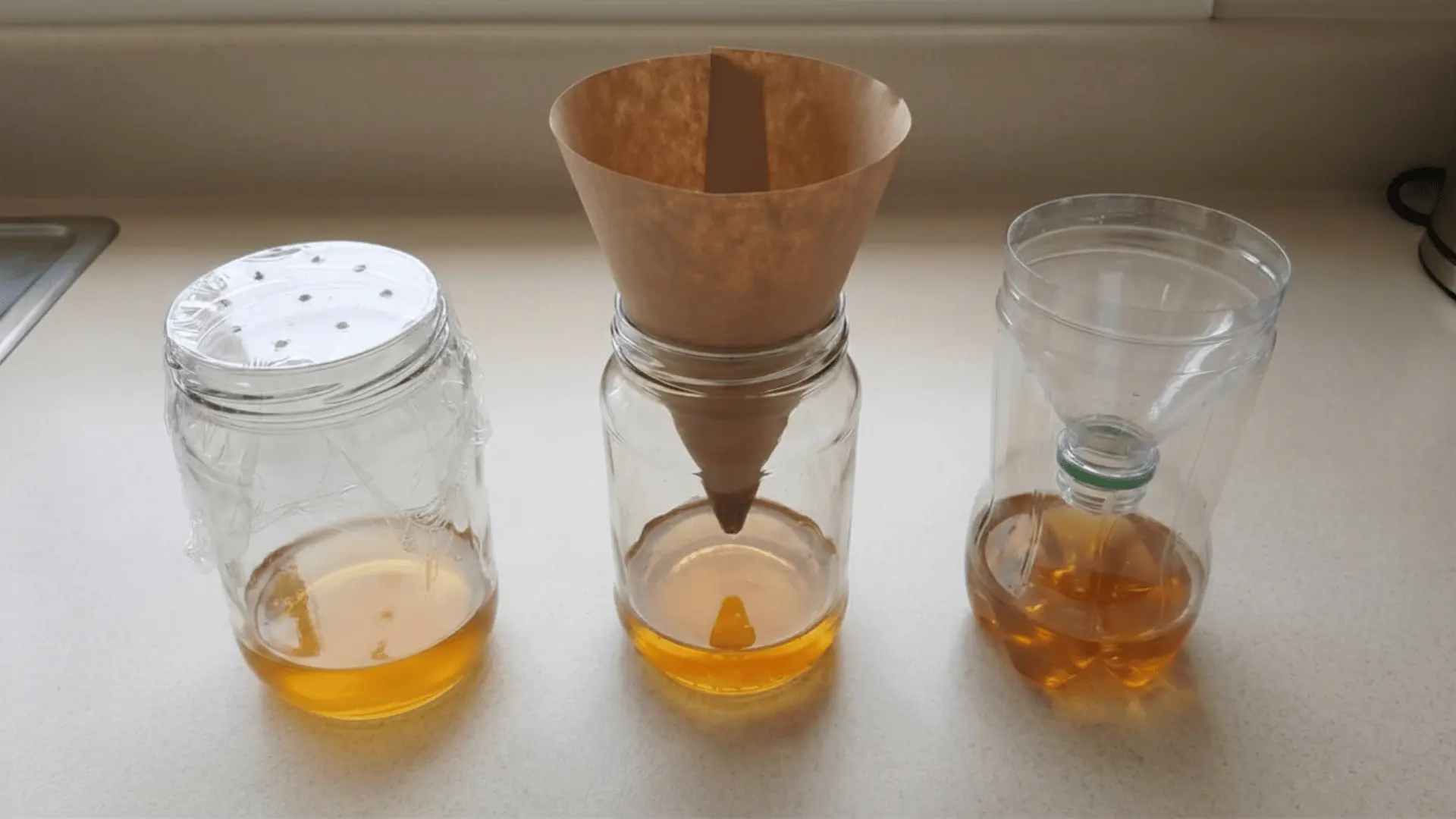
Pick one of these methods to trap the flies effectively:
- Plastic Wrap Method: Cover your container tightly with plastic wrap and poke 5–8 small holes using a toothpick. The scent will escape through the holes and attract flies, but they’ll have trouble finding their way back out.
- Paper Cone Method: Roll a clean sheet of paper into a cone with a small open tip and place it in your container so the narrow tip sits just above the liquid without touching it. Add bait, such as overripe fruit or a sweet liquid, at the bottom.
- Bottle Funnel Method: Cut the top off a plastic bottle just below the neck and invert it into the base to form a funnel, ensuring the tip does not touch the liquid. Pour your bait into the base, and flies will follow the scent down through the funnel.
Step 3: Place the Trap
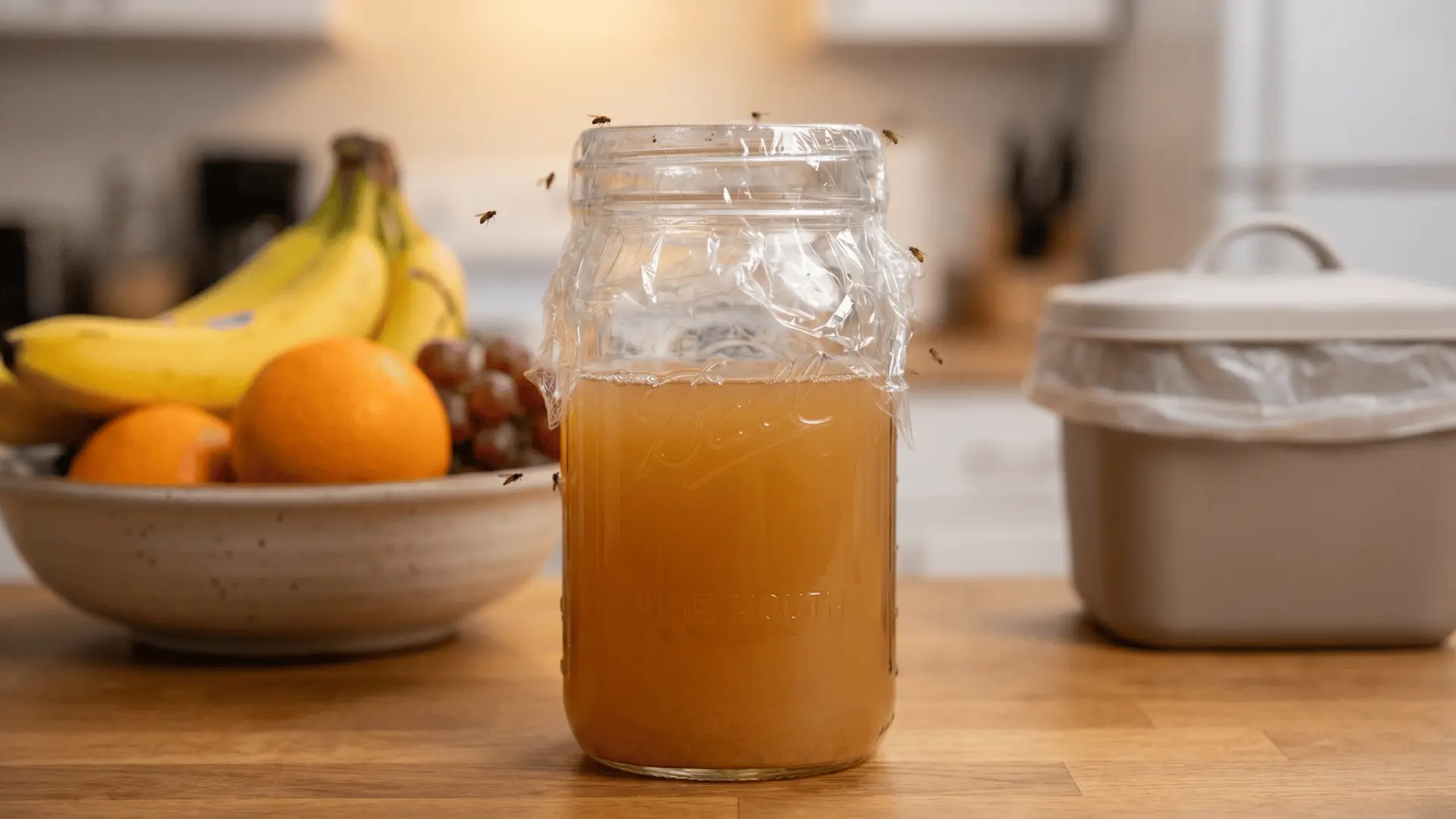
Put the trap where fruit flies show up the most, like near fruit bowls, sinks, or trash cans. These are their favorite hangouts, so the trap will catch more flies there.
Check that the trap sits on a flat, stable surface. If it wobbles or tips, flies might avoid it, and the trap won’t work as well.
Tip: The closer the trap is to the source, the faster it works.
Step 4: Check and Adjust the Trap
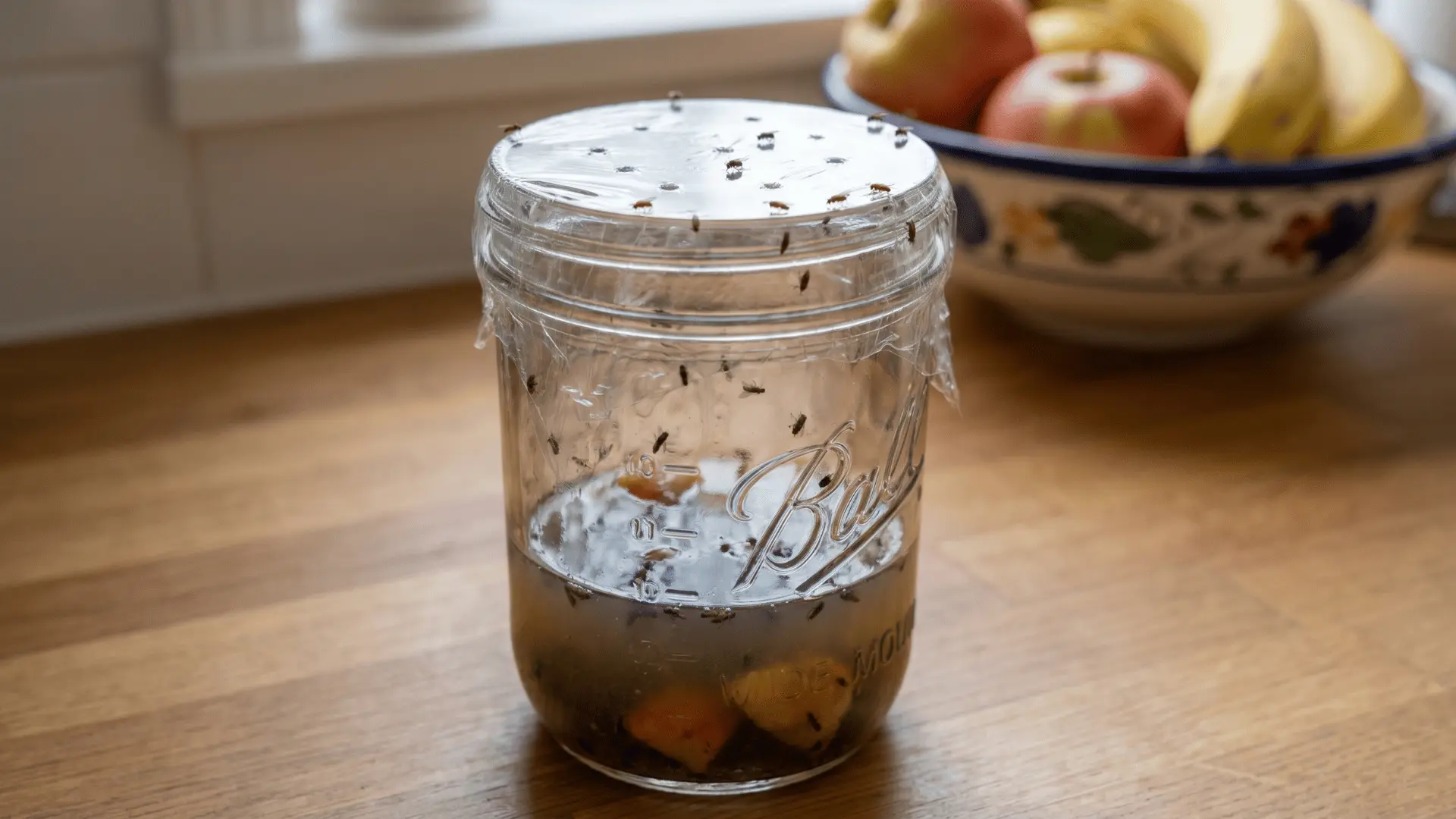
Keep an eye on your trap for the first few hours. Notice if flies are going inside or if the bait is being disturbed; this tells you the trap is working.
Check it again after 24 hours. Some flies are shy or only active at night, so a full-day check gives you a clearer picture.
If your trap isn’t catching much, try moving it to a busier spot or refreshing the bait. Small adjustments like this can make a big difference in your results.
What Can You Expect in the First 24 Hours?
Within a few hours, Flies should start hovering around the trap. That means the bait is working. After 24 hours, check the liquid. You should see flies trapped inside, confirming everything is set up correctly.
Note: If there is no activity, move the trap closer to the source or refresh the bait. That usually does it.
Why Traps Sometimes Fail
- A Nearby Breeding Spot Exists: Flies may still be breeding in trash bins, compost piles, drains, or pet waste close to the trap.
- Competing Smells Are Stronger: Strong odors from garbage or food waste can pull flies away before they notice the trap bait.
- The Bait Has Lost Strength: Old bait stops producing a strong smell after a few days, making the trap much less attractive to flies.
- The Trap Cannot Keep Up: Heavy fly activity can overwhelm a single trap if new flies continue appearing from nearby breeding areas.
What to Do If Flies Keep Coming Back
- Check Hidden Breeding Areas: Inspect sink drains, trash cans, old produce, and houseplants since flies often breed in damp or forgotten spots.
- Remove Moisture Quickly: Standing water and damp buildup give flies the perfect place to reproduce, so drying these areas helps stop the cycle.
- Clean the Source Thoroughly: Empty garbage, scrub drains, and throw away rotting food to remove the material flies are feeding and breeding in.
- Place Traps Near Problem Areas: Position traps close to breeding spots so adult flies are caught before they spread through the house again.
- Treat the Source and Flies Together: Removing breeding areas while trapping adult flies at the same time is the fastest way to fully control the infestation.
Conclusion
Homemade fruit fly traps are a simple yet effective solution for dealing with these persistent kitchen pests. By choosing the right bait, adding a trap cover, and placing it near their favorite spots, you can catch flies efficiently without harsh chemicals.
Remember, traps handle the adults, but stopping the breeding cycle means keeping surfaces clean, tossing overripe fruit, and drying damp areas.
With a little attention and consistent habits, you can dramatically reduce fly activity. Use these techniques regularly, adjust as needed, and your kitchen will stay clear of fruit flies.
Frequently Asked Questions
Why Do Fruit Flies Keep Coming Back Even After Using a Trap?
Traps catch adults, not eggs. Flies breed in drains, damp soil, and overripe produce. Clean those spots or the cycle repeats every 8–10 days.
Can Fruit Flies Become Resistant to Vinegar Traps?
Not resistant, but they get warier of stale bait. Refresh every 2–3 days and shift the trap slightly to keep catch rates consistent.
Is a Fruit Fly Trap Safe Around Kids and Pets?
ACV and dish soap traps are non-toxic. Keep the trap stable to avoid spills near food prep areas; that’s the only real precaution needed.
Do Fruit Fly Traps Work for Fungus Gnats Too?
Vinegar traps won’t reliably catch gnats; they’re drawn to soil moisture, not fermented smells. Yellow sticky traps near houseplants work better for those.