
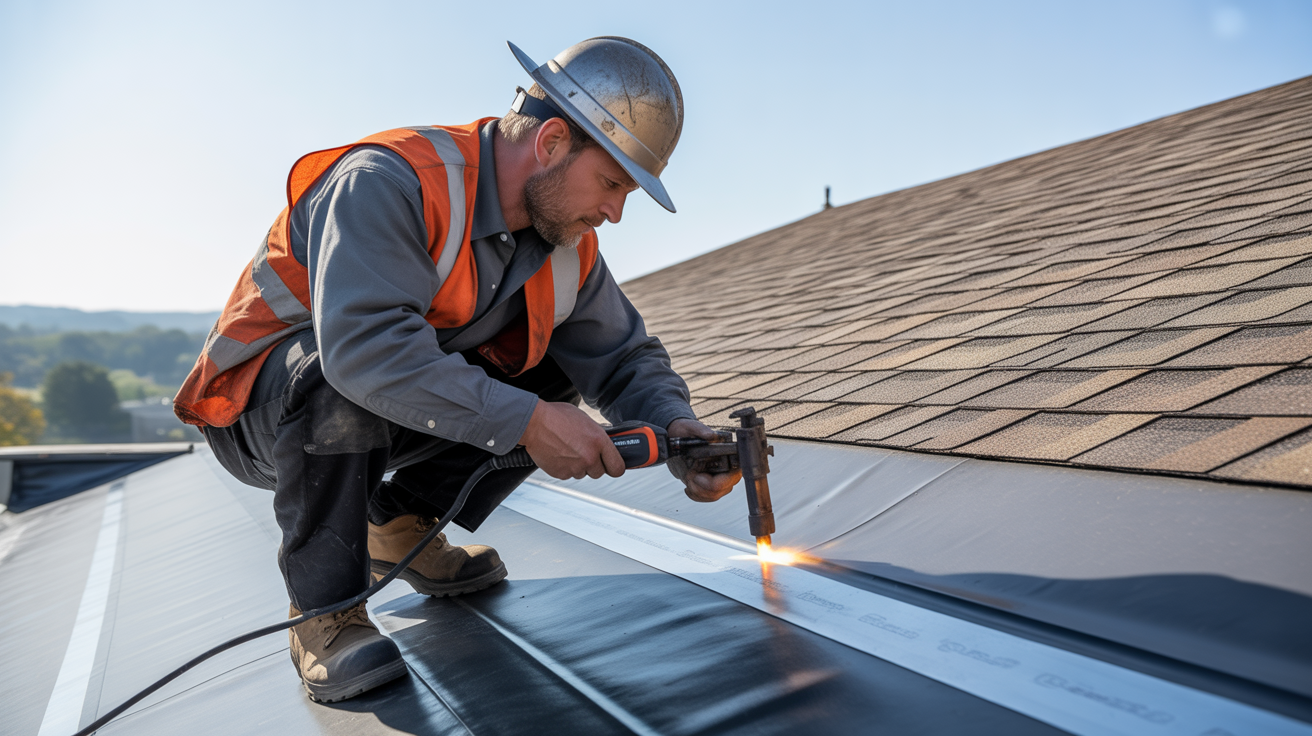
Do Single Ply Membranes Require a Specialist?
Single ply membrane roofing has become increasingly popular in commercial and residential construction due to its lightweight, flexible, and cost-effective properties. However, while these membranes offer excellent waterproofing and thermal performance, their correct installation is critical to ensuring long-term durability and compliance with building standards.
When it comes to installing single ply membranes, one of the most important questions is whether a specialist is needed. In this guide, we will explore the skills and knowledge required, the risks of poor installation, and how to verify the expertise of contractors before beginning your roofing project.
What is Single Ply Membrane Roofing?
Single ply membranes are synthetic sheets made from materials such as PVC, TPO, or EPDM. They are applied in a single layer over flat or low-slope roofs to provide a watertight seal.
Here’s How It Works:
- Preparation – The roof deck is cleaned and primed.
- Membrane Application – Sheets are rolled out and positioned.
- Fixing Method – Mechanically fixed, adhered, or ballasted depending on system choice.
- Detailing & Sealing – Edges, joints, and penetrations are carefully sealed.
- Inspection & Testing – Final checks ensure a watertight and durable finish.
Proper installation requires trained hands and technical knowledge, especially in ensuring the longevity and integrity of the roofing system.
Skills and Knowledge Required to Install Single Ply Membrane Roofing
Installing single ply membrane roofing requires knowledge of membrane types, seam welding techniques, surface preparation, and safety protocols, along with skills in measuring, cutting, and using specialized tools for precise, watertight application.
1. Technical Roofing Expertise
Installing single ply membranes is not simply a matter of rolling out sheets. It involves:
- Understanding different membrane types (PVC, TPO, EPDM)
- Selecting appropriate adhesives or fixing systems
- Ensuring thermal movement allowance
- Applying correct detailing around roof penetrations
2. Safety Training
Roofing contractors must adhere to:
- Working at height regulations
- Safe use of heat guns or hot-air welders
- Fall protection systems
3. Weather Condition Assessment
Knowledge of how wind, temperature, and moisture affect adhesion and sealing is essential.
Risks of Poor Installation
Incorrect installation can cause significant issues, both short-term and long-term.
Consequences Include:
|
Issue |
Impact |
|---|---|
|
Poorly Welded Joints |
Water ingress, leading to leaks and structural damage |
|
Inadequate Fixing |
Membrane uplift in high winds, risking complete failure |
|
Incorrect Detailing |
Vulnerability around skylights, vents, and upstands |
|
Substrate Incompatibility |
Reduced adhesion and premature membrane failure |
|
Trapped Moisture |
Blistering, mould growth, and insulation degradation |
Why Non-Specialist Contractors Are a Risk
Using general builders or unqualified roofers for the installation of a single ply roofing membrane can lead to a range of issues that compromise the roof’s performance and longevity:
1. Non-Compliance with Manufacturer Specifications
Most membrane warranties are void if installation is not carried out by certified installers.
2. Increased Maintenance Costs
Poor workmanship often results in frequent repairs, leading to higher lifetime costs.
3. Structural Risk
Improper sealing may result in water damage to roof decks, insulation, and interiors.
How Specialist Installers Ensure Compliance
Certified installers are trained to follow strict manufacturer guidelines.
Compliance Measures Include:
- Adhering to fixing patterns and weld techniques
- Using approved primers, adhesives, and accessories
- Performing moisture scans before laying membranes
- Executing wind uplift calculations
- Ensuring installation meets UK Building Regulations Part L and Part B
|
Standard |
Description |
|---|---|
|
BS 6229 |
Guidelines for thermal insulation and drainage of flat roofs. |
|
BS EN 13956 |
Specifies performance requirements for flexible sheets used in waterproofing. |
|
BS 8217 |
Installation code of practice for bituminous membrane roofing systems. |
|
BS 8000-4 |
Workmanship on building sites – specifically for roofing work. |
|
Construction Regulations 2015 (CDM 2015) |
Health and safety standards for planning and managing roofing projects. |
|
NFRC Guidelines |
Industry best practices set by the National Federation of Roofing Contractors. |
|
Manufacturer Specifications |
Product-specific installation and performance criteria. |
Quality Assurance Processes Followed by Professionals
Specialist contractors follow a detailed QA process throughout the project:
1. Pre-Installation Survey
- Roof inspection
- Substrate analysis
- Risk assessment
2. Material Verification
- Checking membrane type and batch codes
- Ensuring proper storage and handling
3. On-Site Supervision
- Installation monitored by experienced supervisors
- Weld testing for seams
4. Final Inspection and Sign-Off
- Conducted by internal QA teams or independent inspectors
- Documentation for warranties and building control
Complexity of Detailing and Joints
Precision is required to properly weld or adhere seams, form intricate flashing details, and accommodate structural movement without compromising the membrane’s integrity, making skilled workmanship essential to avoid future leaks or failures.
Complex Detailing Includes:
- Upstands and parapet walls
- Roof lights and vents
- Plant mounts and solar panel bases
- Perimeter detailing
Why Detailing Matters:
|
Aspect |
Challenge |
|---|---|
|
Internal Angles |
Require precise cutting and welding to prevent leaks |
|
External Corners |
Often stress points, need reinforced detailing |
|
Pipe Penetrations |
Require bespoke sleeves and collars |
|
Expansion Zones |
Must accommodate building movement |
Incorrect detailing is one of the most common causes of premature failure in membrane roofs.
Incorrect vs Professional Installation
|
Cost Factor |
Incorrect Installation |
Professional Installation |
|---|---|---|
|
Upfront Cost |
Lower due to unqualified labour |
Higher due to trained specialists |
|
Maintenance/Repairs |
High – frequent leaks and fixes |
Low – fewer issues |
|
Roof Lifespan |
5–10 years |
20–30 years |
|
Warranty Eligibility |
Often voided |
Fully covered by manufacturer |
|
Insurance Claims |
May be rejected |
Compliant with insurer requirements |
While it may seem cheaper upfront to hire a non-specialist, the long-term cost implications are far greater.
How to Verify the Credentials of a Membrane Installer
To verify a membrane installer’s credentials, ensure they are certified, experienced with the membrane type, insured, trained in safety, and able to provide references and workmanship warranties.
Checklist for Verifying Specialists:
- Ask for manufacturer-approved training certificates
- Request previous project case studies
- Check for membership in trade bodies (e.g., NFRC)
- Ask for public liability insurance documents
- Look for TrustMark or CHAS accreditation
- Review online reviews and testimonials
Certifications and Training Schemes for Membrane Installation
Certifications and training schemes for membrane installation include manufacturer-approved training programs, SPRA (Single Ply Roofing Association) accreditation, NVQ Level 2 in Waterproof Membrane Roofing, and CITB courses.
Key Training Programmes:
|
Programme |
Description |
|---|---|
|
SPRA Training |
Offered by the Single Ply Roofing Association; covers theory and practice |
|
CITB NVQ Level 2 |
Recognised qualification in membrane roofing |
|
Manufacturer Training |
Most manufacturers offer certification courses for installers |
|
CSCS Card |
Required for most commercial construction sites |
|
SMSTS / SSSTS |
Health and safety qualifications for site supervisors/managers |
Being SPRA-accredited or holding a manufacturer-approved installer status is a strong indicator of competence.
Final Thoughts
Single ply membrane installation is a specialist job that requires technical skill, safety awareness, and an understanding of building regulations. Hiring an experienced, certified installer not only ensures better performance and longer roof life but also protects your investment through warranties and insurance compliance.
Avoiding professional installation to save money in the short term can result in significant repair costs, water damage, and even legal non-compliance. Whether you’re undertaking a commercial build or upgrading a residential flat roof, always choose a trained specialist to handle single ply membranes.


