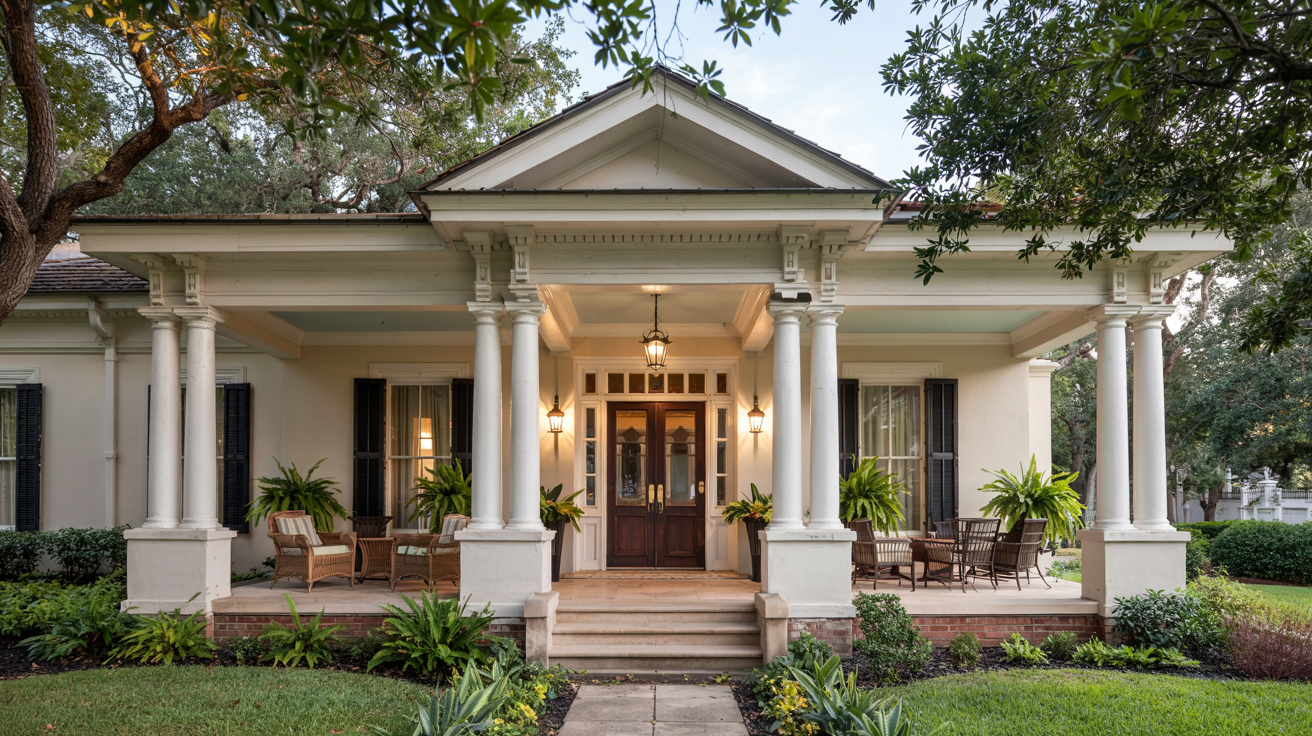
25 Different Types of Houses and Home Styles You Should Know
Choosing a home starts with understanding the basics. There are many types of houses and many house styles, and it’s easy to mix them up.
Knowing the difference can help you explain what you like and what fits your lifestyle.
This guide gives a clear and simple overview of common house types and popular house styles.
No matter if you’re just curious or starting to notice homes around you, this overview will help you see houses in a whole new way.
Why the House Type Matters for Homeowners
The type of house you live in affects your daily life more than you might think. It can shape your costs, comfort, and how much responsibility you have.
- Maintenance Needs: Some homes need more upkeep than others. Single-family homes often mean yard work and repairs, while condos usually handle shared maintenance for you.
- Monthly Costs: The house type can change what you pay each month. Condos and townhouses may have fees, while standalone homes may have higher repair costs.
- Privacy and Space: Shared walls can mean more noise. Detached homes usually offer more privacy and outdoor space.
- Rules and Flexibility: Some house types come with rules. HOAs may limit changes you can make to your home.
- Lifestyle Fit: Your house type should match how you live. Busy schedules, families, or quiet living all fit different home types.
Understanding house types makes it easier to choose what works for you. The right fit can make daily living simpler and more comfortable.
Main Types of Houses You Might Recognize
There are many types of houses, and most people recognize them without knowing their names.
1. Single-Family Home

A single-family home is designed for one household and does not share walls with other homes. It usually sits on its own piece of land and may include a yard, driveway, or garage. Many people choose this type for privacy and personal space.
These homes are common in suburbs and residential areas. Owners are responsible for all maintenance and repairs. This includes the roof, yard, and exterior walls.
2. Apartment

An apartment is a housing unit inside a large building with many homes. Apartments often share walls, floors, and ceilings with other units. Most apartments are rented rather than owned.
Maintenance and repairs are usually handled by the building owner or manager. Apartments are common in cities and high-traffic areas. They are popular for people who want flexible living.
3. Condominium (Condo)

A condo is similar to an apartment, but it is usually owned instead of rented. You own your individual unit but share common areas with others. These shared spaces may include hallways, elevators, or outdoor areas.
Condos often have a homeowners’ association that manages rules and maintenance. Owners usually pay monthly fees for shared services. Condos are common in cities and planned communities.
4. Townhouse

A townhouse is a multi-floor home that shares side walls with nearby houses. Each unit has its own entrance and often its own garage. Townhouses usually offer more space than apartments or condos.
They are often part of a community with shared rules or fees. Maintenance responsibilities vary by location. Townhouses are popular in both cities and suburbs.
5. Duplex

A duplex is one building divided into two separate homes. The units may sit side by side or one above the other. Each home has its own entrance and living space.
Duplexes can be owned by one person or split between owners. They are common in residential neighborhoods. Some people live in one unit and rent the other.
6. Triplex

A triplex is a single building with three separate living units. Each unit functions as its own home. These homes often share walls and outdoor areas.
Triplexes are usually found in urban or mixed residential areas. They may be rented out or owner-occupied. This type works well for multi-family living.
7. Fourplex

A fourplex contains four separate homes in one building. Each unit has its own kitchen, bathroom, and living space. The layout may be side by side or stacked.
Fourplexes are often seen in cities and dense neighborhoods. They are sometimes used as rental properties. Owners may live in one unit and rent the rest.
8. Mobile Home

A mobile home is a factory-built home that can be moved if needed. These homes are often placed in mobile home parks or on private land. They are usually more affordable than traditional homes.
Mobile homes come in different sizes and layouts. Some are permanently placed, while others are movable. Local rules can affect where they are allowed.
9. Manufactured Home

A manufactured home is built in a factory and placed on a site. Unlike mobile homes, these often follow stricter building rules. They can be placed on permanent foundations.
Manufactured homes may look like traditional houses. They are usually more affordable than site-built homes. Placement depends on local zoning laws.
10. Modular Home

A modular home is built in sections inside a factory. The sections are then moved and assembled on a permanent foundation. These homes follow local building codes.
Modular homes often look like regular houses. They can be customized in size and layout. Construction is usually faster than traditional homes.
11. Tiny Home

A tiny home is a very small house designed for simple living. These homes usually range from a few hundred square feet or less. They often focus on smart storage and multi-use spaces.
Tiny homes may be built on wheels or on a small foundation. Many people choose them to lower costs and reduce clutter. Local zoning laws can limit where they are allowed.
12. Bungalow

A bungalow is a small, low-rise home, often one-story. Some bungalows include a small upper space or attic. They usually have a simple layout and a front porch.
These homes became popular in older neighborhoods. Many people like them for easy access and fewer stairs. Bungalows work well for small families or retirees.
13. Ranch House

A ranch house is typically a one-story home with a long, low design. Rooms are often spread out instead of stacked. These homes usually have open floor plans.
Ranch houses became popular in suburban areas. They are easy to move around in and feel relaxed. Large yards are common with this type.
14. Cottage

A cottage is a small and cozy home, often found in quiet or rural areas. These homes may have simple layouts and warm designs. Cottages are sometimes used as vacation homes.
They often feel charming and personal. Many cottages focus on comfort over space. They are popular near lakes, hills, or countryside settings.
15. Villa

A villa is often a larger home designed for comfort and style. Villas may stand alone or be part of a planned community. They are common in warm or resort-style locations.
Some villas share amenities like pools or gardens. The layout often focuses on open living spaces. Villas are known for relaxed and upscale living.
16. Mansion

A mansion is a very large and spacious home. These homes often have many rooms and special features. Mansions may include large yards, gates, or private driveways.
They are designed for luxury living. Maintenance can be high due to size. Mansions are usually found in upscale neighborhoods.
17. Farmhouse

A farmhouse is a home originally built on or near farmland. These homes often have wide layouts and open kitchens. Farmhouses focus on practical and family-friendly spaces.
Many modern homes borrow this style today. Traditional farmhouses often include porches and large yards. They are common in rural and semi-rural areas.
18. Cabin

A cabin is a small home usually found in natural settings. Cabins are often built from wood or logs. They are common in forests, mountains, or near lakes.
Many cabins are used as vacation homes. Cabins feel simple and cozy. They are designed for quiet and outdoor living.
19. Row House

A row house is a home that shares side walls with several houses in a row. Each unit has its own entrance. Row houses are common in older cities.
They usually have multiple floors. Space is narrow but deep. These homes make good use of limited land.
20. Split-Level House

A split-level house has floors that are slightly separated. The main entrance often opens to a short set of stairs. Living areas and bedrooms are on different levels.
This layout helps separate spaces without full floors. Split-level homes were popular in the mid-1900s. They are common in suburban neighborhoods.
21. Duplex Apartment

A duplex apartment is a single home spread across two connected floors. The floors are linked by an internal staircase. This type is common in both apartments and houses.
Duplex apartments offer more space than single-floor units. They help separate living and sleeping areas. This layout is popular in cities with limited space.
22. Loft

A loft is a large, open living space with very few interior walls. Lofts often have high ceilings and large windows. Many lofts were once warehouses or factories.
They are common in urban areas. The open layout gives a modern and flexible feel. Privacy can be limited due to fewer walls.
23. Penthouse

A penthouse is a home located on the top floor of a building. It often offers more space and better views. Penthouses may include private terraces or balconies.
They are usually considered high-end homes. These units offer more privacy than other apartments. Penthouses are common in tall city buildings.
24. Basement Apartment

A basement apartment is a home built below ground level. It is usually part of a larger house. These apartments have their own entrance and living space.
Basement units are often more affordable. Natural light may be limited. They are common in urban residential areas.
25. Accessory Dwelling Unit (ADU)

An accessory dwelling unit is a smaller home on the same property as a main house. It may be built above a garage or in the backyard.
ADUs are sometimes called granny flats or guest houses. They provide extra living space or rental income. ADUs are becoming more common in many cities. Local rules control how they are built and used.
House Types vs. House Styles
House types and house styles are often confused, but they mean different things. Knowing the difference makes it easier to understand homes and talk about what you like.
| House Types | House Styles |
|---|---|
| Focus on how the home is built or used | Focus on how the home looks |
| Based on layout and ownership | Based on design and appearance |
| Examples: apartment, condo, townhouse | Examples: Colonial, Ranch, Craftsman |
| Can affect maintenance and costs | Affects curb appeal and feel |
| One type can have many styles | One style can fit many types |
Think of house type as how a home works, and house style as how it looks.
Simple Ways to Choose What You Like
Choosing a home doesn’t have to feel confusing or stressful. A few simple checks can help you figure out what feels right for you.
- Think About Your Daily Life: Start with how you live every day. Work schedules, family size, pets, and routines can all point you toward the right house type.
- Decide How Much Space You Need: Some people like open layouts, while others prefer separate rooms. Think about storage, outdoor space, and future needs too.
- Consider Maintenance: Ask yourself how much work you want to handle. Condos often mean less upkeep, while standalone homes need more care.
- Check Your Comfort Level with Sharing: Shared walls or common areas can affect noise and privacy. Decide what level of closeness you’re comfortable with.
- Notice What Styles You’re Drawn To: Look at photos or neighborhoods and see what catches your eye. This helps you spot patterns in the styles you like.
There’s no perfect choice, only what works best for you. When your home fits your lifestyle and taste, everyday living feels easier and more enjoyable.
Conclusion
Understanding different types of houses and house styles makes it easier to see what truly fits your life.
When you know how homes are built and how they look, you can explain your preferences with more confidence. You may start noticing details you never paid attention to before, like layouts, shared spaces, or design features.
Take time to notice homes around you and see what feels right.
If you want to learn more, save this guide for later and check out other home topics on our website to build your understanding step by step.