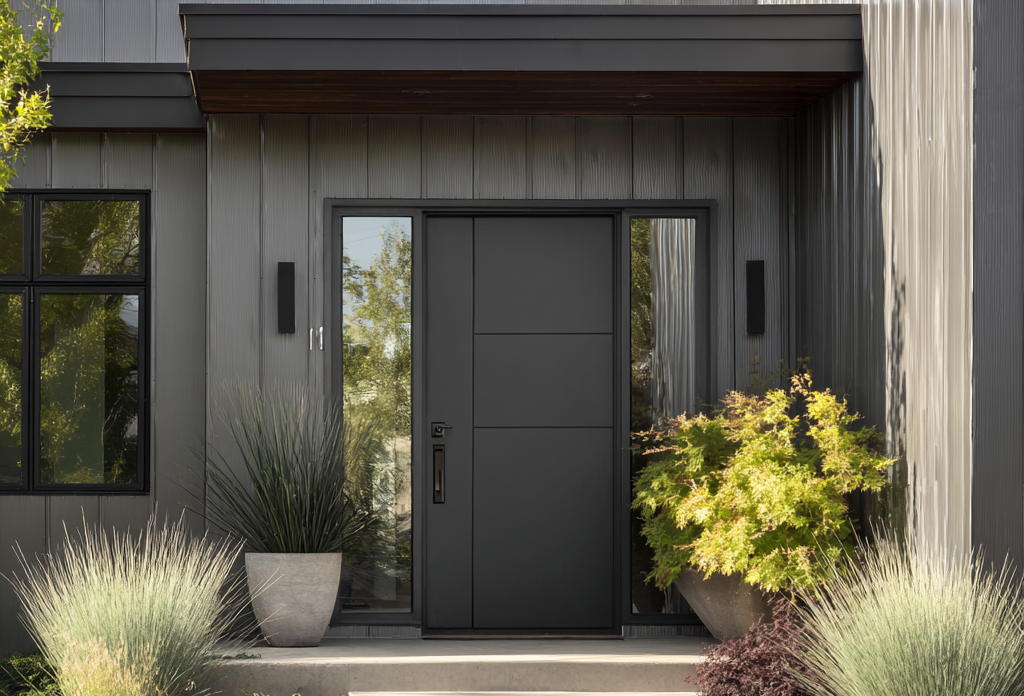
Designing a Home That Works Like a System
A home is usually seen as a set of rooms with specific purposes. A living room for relaxing, a kitchen for cooking, and a bedroom for sleeping.
But in reality, these spaces don’t work in isolation. They affect each other and shape daily habits more than most people notice.
When you look at it this way, home design becomes less about decoration and more about making everyday life easier and more comfortable.
The Living Room as the Center of Daily Life
The living room is often where most of the day “happens,” even if it’s not planned that way. People gather here, rest here, talk here, or simply scroll through their phones while winding down. Because of that, it quietly sets the mood for the whole home.
How furniture is arranged makes a big difference. If seats are placed facing each other, it naturally encourages conversation.
If everything faces a TV, the room becomes more about watching than talking. Both setups are fine, but it simply depends on how the space is meant to be used.
Lighting also changes the feel of the room. A single bright light on the ceiling can make the space feel flat or harsh.
Adding smaller lamps or using natural light from windows can make the room feel more relaxed and flexible. It also lets the space shift easily from daytime activity to evening rest.
Even simple things like keeping walkways clear matter. When a room feels open and easy to move through, people tend to stay longer and feel more at ease. When it’s cluttered, it often feels “busy,” even if nothing major is wrong.
In a way, this is similar to how online platforms likeGameZone News are designed. Everything is arranged so people can browse information smoothly without getting lost or overwhelmed.
The Kitchen as a Daily Efficiency Space

The kitchen is one of the most used parts of a home and also one of the most practical. It’s where planning and action come together, like preparing food, cooking it, and cleaning up afterward.
A helpful way to think about kitchens is in “zones”: one area for preparing ingredients, one for cooking, and one for washing up. When these are placed close to each other in a logical way, cooking feels less tiring and faster overall.
Storage also plays a big role. When everyday items like plates, pans, or spices are easy to reach, cooking becomes smoother. If things are hard to find or stored too far away, even simple meals can feel like a hassle.
There’s also a habit effect here. When healthy ingredients are visible and easy to grab, people are more likely to cook at home. But when the kitchen feels disorganized or inconvenient, it’s easier to rely on takeout or processed food.
So the kitchen doesn’t just support cooking but also quietly influences eating habits.
Bedrooms as Rest and Reset Spaces
The bedroom should ideally feel like a place where the mind can slow down. But in many homes, it becomes a mix of sleep space, work area, and entertainment zone. This can make it harder to fully relax.
Keeping things simple helps a lot. A bedroom that isn’t overloaded with items or distractions tends to feel calmer. Soft lighting also helps signal to the body that it’s time to rest, especially in the evening.
Screens are another important factor. When phones, laptops, or TVs are used right before sleep, it becomes harder for the brain to switch off. Over time, this can affect how easily someone falls asleep or how rested they feel.
The main idea is separation. When the bedroom is mostly used for sleep and quiet moments, the brain starts to associate it with rest, making it easier to unwind naturally.
Outdoor Spaces as Small Break Zones
Even small outdoor areas like balconies or tiny garden corners can make a noticeable difference in daily life. They don’t need to be fancy or heavily decorated to be useful.
Just being outside for a few minutes can help clear the mind. Natural light, fresh air, and a change of scenery all help reduce mental fatigue from being indoors too long.
The key here is keeping it simple. A chair, a small plant, or an open space is often enough. When outdoor areas are too crowded or complicated, they lose their calming effect.
These spaces work best as quick “pause points” during the day as somewhere to reset without needing to leave home.
How Digital Life Is Changing Home Design
Modern homes are slowly adapting to how people live with technology. Work, entertainment, and communication often happen in the same spaces now, instead of separate ones.
Because of this, rooms need to be more flexible. A dining table might also be a work desk. A living room might shift from a social space during the day to a quiet space at night.
People are also used to switching tasks quickly online, like reading, watching, and scrolling in short bursts. That same pattern is showing up in how homes are used. Spaces that can easily change purpose throughout the day tend to feel more practical.
Closing Insight
A home isn’t just a set of rooms but a system that shapes how people live each day. Small choices like lighting, layout, and storage can quietly influence mood, habits, and energy levels.
When these details work together, daily life feels smoother without needing major changes or big redesigns.