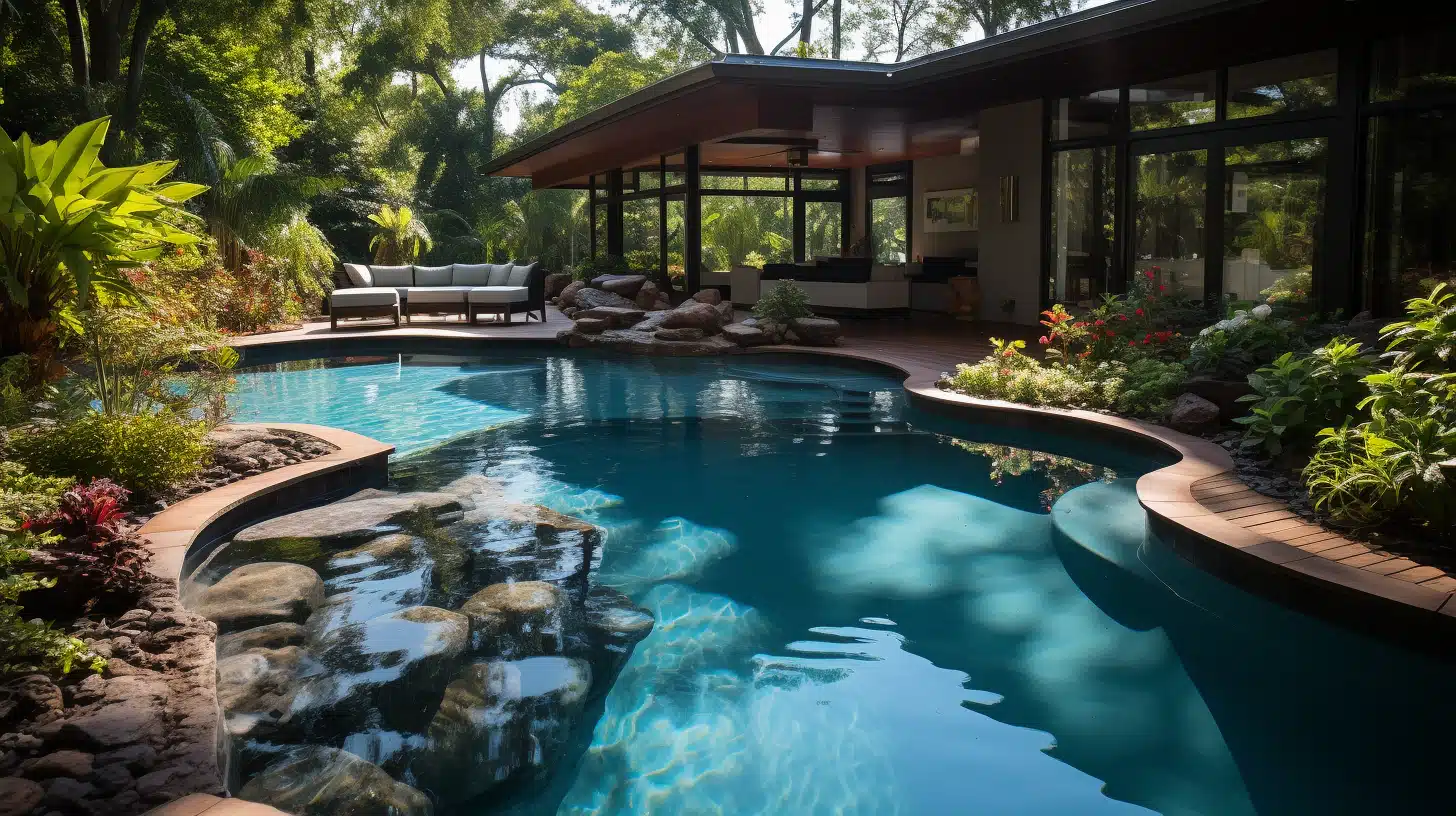
Concrete vs Vinyl vs Fiberglass Pools: A Simple Guide to Choosing the Right Build
Building an inground pool isn’t simple, and many homeowners get stuck right away on one question: concrete (gunite/shotcrete), vinyl liner, or fiberglass? Each material has pros and cons. You can’t have it all. More customization usually means more time and upkeep, while easier maintenance often comes with fewer design options.
Easy Ways to Keep Your Pool Clean
A pool is not just a one-time construction project. It becomes a weekly routine, especially in peak season. Leaves, dust, pollen, sunscreen residue, and fine grit always end up in the water. Even with balanced chemistry, debris and a thin biofilm can build up on surfaces and in corners, making the pool look dull and giving algae a place to start. A robotic pool vacuum takes care of day-to-day debris and light scrubbing with far less effort than brushing and hose vacuuming. A swimming pool cleaner robot can also run on a regular schedule to keep the waterline, floor, and corners clean, and there are plenty of proven options on the market, including Beatbot, Aiper, Dolphin, and Polaris, depending on your pool size and the type of debris you deal with.
Concrete Pools Fit Custom Designs Best
Concrete pools, often called gunite or shotcrete pools, are built on-site. The crew excavates, installs steel reinforcement, applies concrete, and then finishes the interior surface with plaster or another finish system. If you want a true freeform shape, a deep end built exactly to your preference, or custom benches and ledges integrated into the structure, concrete makes that possible in a way the other types usually can’t.
Why Concrete Feels Like The Most Flexible Option
Because the pool is formed in place, you’re not constrained by a factory mold. That freedom is valuable when you’re working around a tight yard, existing landscaping, unusual angles, or you want a pool that looks like it belongs to a specific architectural style. Concrete also has a long structural track record. A properly engineered shell can last for decades.
Why Concrete Takes More Work
Concrete pool interiors are often more porous than fiberglass and can be rougher underfoot, depending on the finish. That texture can give algae more places to cling if your brushing routine slips or circulation isn’t ideal in certain areas. Over the long run, many concrete pools need resurfacing or refinishing, and that’s a real cost to plan for. Concrete builds also tend to take longer from start to swim compared with other options, mainly due to the number of construction stages and curing time.
Installation Quality Matters More Than The Material
Concrete is a high-skill build. The shell’s durability and watertightness depend on structural engineering, correct concrete application, proper curing, and a high-quality interior finish. In regions with freeze–thaw cycles, local soil knowledge and drainage planning become even more important, because ground movement can stress the structure over time.
Vinyl Liner Pools Are Budget Friendly
Vinyl liner pools use structural walls—commonly steel or polymer panels—paired with a prepared base floor. A fitted vinyl liner becomes the pool’s interior surface and the waterproof barrier. This approach often appeals to homeowners who want an inground pool at a more accessible starting price, while still having some flexibility in shape and layout.
Vinyl Benefits for New Pool Owners
A vinyl surface is smooth and comfortable, and the build process is usually faster than a full concrete installation. If your priority is getting a functional, attractive pool without the higher initial cost that often comes with concrete, vinyl can be a practical path.
Plan for Liner Replacement Over Time
The liner is a wear item. Over time it can fade, wrinkle, or stretch, and replacement is commonly part of ownership planning. The timeline varies based on climate, sun exposure, chemical balance, and how the pool is used, but the key point is simple: vinyl ownership includes the reality of periodic liner replacement. Another common consideration is how features are handled. Stairs, benches, and complex transitions may require add-ons or specific design choices rather than being seamlessly formed into the pool structure.
Vinyl Pools Require Precise Installation
Vinyl pools are less forgiving than they look. The panels must be set square and level, and the floor base must be smooth and stable. If the liner fit is slightly off, you can end up with wrinkles, uneven floors, or areas where the liner shifts. In areas with higher groundwater, drainage and site prep are especially important, because water pressure outside the pool can contribute to liner floating or wall movement if conditions are neglected.
Fiberglass Pools Install Fast and Clean Easy

Fiberglass pools are factory-molded shells delivered to your home and set into an excavation. After the shell is leveled and secured, plumbing connections are made, backfill is installed, and decking and finishing work follow. This is why fiberglass is often associated with speed and lower long-term maintenance.
What Makes Fiberglass Low Maintenance
A smooth fiberglass surface tends to resist algae more than rough, porous surfaces, which can reduce how often you feel the need to brush. Many homeowners find that fiberglass ownership feels more predictable: there’s no liner to replace, and routine cleaning can be simpler. If your goal is to spend more time swimming and less time scrubbing, fiberglass is often the option people compare first.
Design and Size Limits
Fiberglass shells come in set shapes and sizes, so you choose from available molds rather than building a fully custom form. For many families, this is not a problem—most popular shells already include practical features like built-in steps or seating. But if you want a very specific geometry or an extra-wide pool footprint, fiberglass may not meet that vision. Cosmetic surface issues such as small “spider crack” patterns can also occur, usually related to handling stress, manufacturing quality, or installation methods, rather than being a guaranteed outcome.
Fiberglass Needs a Careful Install
Fiberglass pools rely on correct excavation, careful leveling, and proper backfill materials. A common best practice is using clean crushed stone and ensuring the site has appropriate groundwater management. When fiberglass installs go wrong, it’s often because the process was rushed or drainage planning was weak. When fiberglass installs go right, the result is usually a stable, low-hassle pool that’s easy to keep looking clean.
Hybrid Pools Use Fiberglass Over Concrete
Some homeowners ask about “sprayed-in-place fiberglass” or “fiberglass over concrete” systems that aim to combine concrete structure with a fiberglass-like surface. In many markets, these approaches are more common as resurfacing or renovation methods rather than mainstream new builds. They can work, but they are highly dependent on surface preparation, moisture control, bonding quality, and installer experience. If you’re considering a hybrid approach, the smartest move is to treat it as a specialty project and request long-term local references, detailed warranty terms, and clear documentation of the surface system being used.
Groundwater Pressure Affects All Pool Types
No matter which material you pick, groundwater can change the entire risk profile of your project. Hydrostatic pressure is simply the upward force created by water in the soil. If groundwater is high and a pool is drained or partially emptied, the upward force can exceed the weight holding the pool down. That can lead to shifting, lifting, or structural stress. Fiberglass shells are often discussed in this context, but the underlying physics applies to concrete and vinyl pools too. Good builders plan for this with proper drainage design, dewatering options, and construction methods that match your site conditions.
Which Pool Type Fits Your Yard
If you want complete design freedom and you’re comfortable with a longer build and more long-term surface attention, concrete is usually the most flexible path. If you want a lower upfront entry point and you don’t mind planning for liner replacement as part of ownership, vinyl can make sense. If your priority is fast installation and a simpler maintenance experience, fiberglass is often a strong match—especially when you’re happy choosing from proven shell designs.
Make Cleaning Part of the Plan
The most satisfying pools are the ones that stay consistently clean without becoming a constant weekend job. Whichever material you choose, build your routine around consistency. Keep water chemistry balanced, maintain circulation, and remove debris early before it breaks down. Then make your life easier with automation. A reliable robotic pool vacuum can handle the daily dirt you’d otherwise vacuum by hand, and a good swimming pool cleaner robot can keep surfaces and corners from becoming a recurring headache. When your pool is easier to maintain, you’ll use it more—and that’s the whole point of building one in the first place.