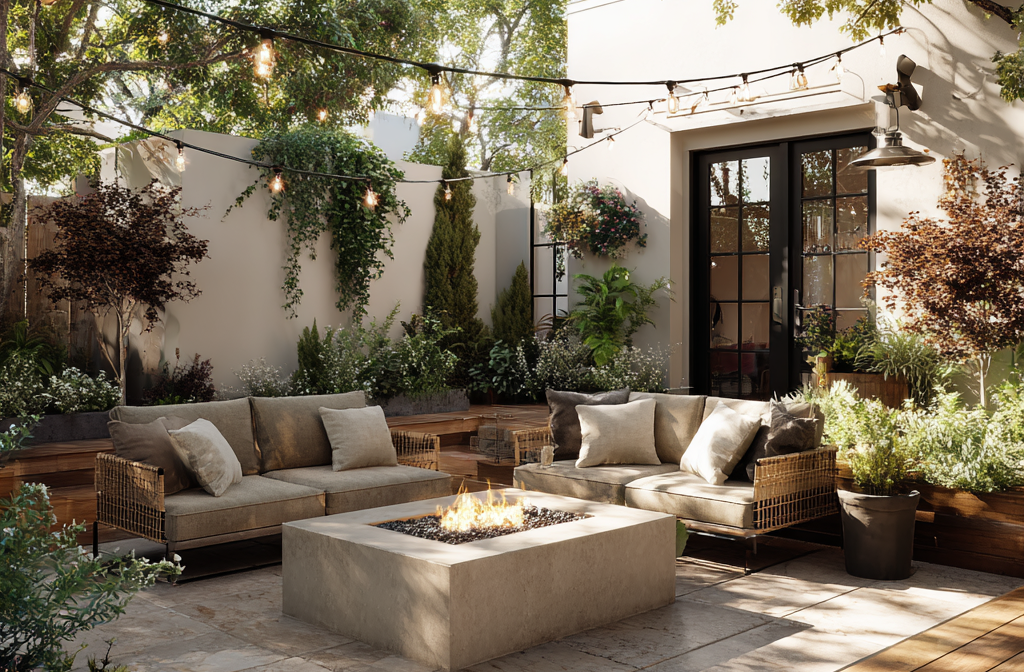
How to Build an Outdoor Fireplace (Tools, Costs, Steps & Safety Guide)
Looking forward to cozy evenings around your new outdoor fireplace? Before you strike that first match, knowing how to start and use it safely is crucial.
An improperly lit fire can produce excessive smoke, create fire hazards, or damage your fireplace.
The right techniques ensure clean burns, comfortable warmth, and worry-free gatherings.
This blog covers everything from how to build an outdoor fireplace to proper extinguishing methods, so you can enjoy your outdoor fireplace with complete confidence.
Outdoor fireplaces must comply with local building codes, clearance requirements, and fire safety regulations. Always check with your local building authority before construction. Improper installation can create fire hazards or structural issues.
Planning Your Outdoor Fireplace Build
Building an outdoor fireplace creates a cozy backyard gathering spot. But skipping the planning phase leads to wasted money and safety issues.
Success requires thinking through location, permits, materials, and safety first. Here’s what you need to know.
Choosing the Right Location
- Keep 10-15 feet from structures
- Test wind patterns to avoid smoke issues
- Build on level, stable ground
- Call 811 to mark utility lines
- Consider views and privacy
Tools and Materials Needed to Build an Outdoor Fireplace
| Category | Items | Estimated Cost |
|---|---|---|
| Foundation | Concrete mix, rebar, gravel | $230-$460 |
| Firebox | Firebrick, refractory mortar, fire clay | $320-$630 |
| Exterior | Brick/stone/block, mortar, veneer | $500-$1,700 |
| Chimney | Flue liner, cap, spark arrestor | $240-$650 |
| Finishing | Hearthstone, sealant, mantle | $180-$560 |
| Tools | Mixer, trowels, level, saw, jointing tools | $280-$730 |
| Safety Gear | Gloves, glasses, mask, boots | $100-$210 |
| Supplies | Wheelbarrow, buckets, shovels | $100-$230 |
Total DIY cost: $1,950-$5,170 (materials and tools)
Tool rental option: Rent specialized equipment like mortar mixers for $40-$80 per day instead of buying.
How to Build an Outdoor Fireplace (Step-by-Step)

Building an outdoor fireplace creates a cozy backyard gathering spot. Follow these eight steps for a safe, functional fireplace in 2-4 weeks.
Step 1: Prepare Site and Pour Foundation
Mark a 4×4 foot area and excavate 6-8 inches deep. Add 4 inches of compacted gravel. Build wooden forms and place rebar in a 12-inch grid.
Pour 4 inches of concrete, level it, and cure for 48-72 hours while keeping moist.
Step 2: Build the Firebox
Mark layout: 36-48 inches wide, 24-30 inches high, 16-20 inches deep.
Build outer walls with concrete blocks in a U-shape. Line the interior with firebricks using refractory mortar; regular mortar cracks under heat.
Stagger joints and check the level constantly.
Step 3: Construct the Smoke Chamber
Continue the walls above the firebox. Angle bricks inward 1 inch per row until the opening narrows to 8-10 inches for the flue.
Keep the back vertical and slope the sides inward. Smooth interior prevents buildup.
Step 4: Install Flue and Build Chimney
Set the flue liner into the smoke chamber, and fill the gaps with mortar. Stack sections and build a brick exterior around the flue.
Extend 2 feet above nearby roofs. Top with chimney cap and spark arrestor.
Step 5: Create Hearth and Finish Exterior
Extend the hearth 16+ inches in front using stone or pavers.
Apply stone veneer to the exterior with mortar, working from bottom to top. Maintain ⅜-½ inch joints. Clean before the mortar sets.
Step 6: Add Optional Features
- Built-in seating: 16-18 inches high
- Firewood storage: 16-inch openings
- Mantle: 12 inches above firebox
- Side tables: 28-30 inches in height
Step 7: Cure and Season
Wait 7 days, then build three fires of increasing size (30 min, 1 hour, 2 hours). Cool completely between fires. This prevents thermal cracks.
Step 8: Install Safety Features
Place a fire extinguisher within 30 feet. Clear 10 feet of combustibles. Apply sealer to the exterior. Stock hardwood is 20+ feet away.
Maintenance
- After use: Remove ashes
- Monthly: Inspect chimney
- Annually: Professional inspection
- Every 2-3 years: Professional cleaning
Codes, Permits & Safety Requirements
Most areas require permits; skipping this means fines or forced removal.
What you need:
- Local building permit (contact the building department early)
- 10-25 feet setback from property lines (varies by location)
- Chimney 2 feet above the nearby roof peaks
- Spark arrestor on chimney top
- Foundation, framing, and final inspections
Safety codes:
- Non-combustible hearth extending 16+ inches
- Fire-resistant materials within 10 feet
- Proper ventilation specs
- Fire extinguisher within 30 feet
Insurance: Notify your homeowner’s insurance. Building without permits can void fire-related claims.
How to Start and Use an Outdoor Fireplace Safely
Using an outdoor fireplace safely helps prevent accidents, reduces smoke, and protects the structure.
Before Lighting a Fire
Allow mortar and concrete to cure 7-14 days before first use. Check that the chimney is clear of debris and obstructions. Keep flammable items 10+ feet away.
Have water, sand, or a fire extinguisher within reach before lighting fires.
How to Start a Fire
- Use dry, seasoned firewood only
- Place kindling over newspaper or fire starters
- Light the fire and add logs gradually
- Keep the fire small and centered in the firebox
What to Burn (and Avoid)
Use oak, maple, hickory, or ash for clean, high-heat fires. Never burn treated wood, trash, plastics, or lighter fluid, as they create toxic fumes and dangerous flare-ups.
Safe Use Tips
- Never leave the fire unattended
- Use a spark screen if available
- Avoid fires during high winds or burn bans
- Keep children and pets at a safe distance
Extinguishing the Fire
- Let the fire burn down naturally
- Spread embers and lightly sprinkle with water or cover with sand
- Never leave hot embers unattended
Common Outdoor Fireplace Mistakes to Avoid
1. Ignoring wind exposure
Fix: Position the fireplace where prevailing winds won’t push smoke into seating areas.
2. Poor drainage under the foundation
Fix: Use compacted gravel and proper grading to prevent moisture damage and cracking.
3. Undersized hearth extension
Fix: Extend the hearth far enough to catch rolling embers and falling ash.
4. No weather protection
Fix: Seal masonry and use a cover to prevent freeze-thaw damage.
5. Storing firewood too close
Fix: Keep wood stacks at least 20 feet away to reduce fire risk and pests.
6. Mistake: Skipping spark control
Fix: Install a spark arrestor or screen to contain embers.
These often-overlooked details improve safety, durability, and comfort without repeating core build or fire-use steps.
Conclusion
Your outdoor fireplace provides years of warmth and memories when used safely.
Always complete your pre-fire checklist, use seasoned hardwood, never leave fires unattended, and extinguish completely before leaving.
These simple practices make you learn how to build an outdoor fireplace, prevent accidents, and ensure clean, safe burns every time.