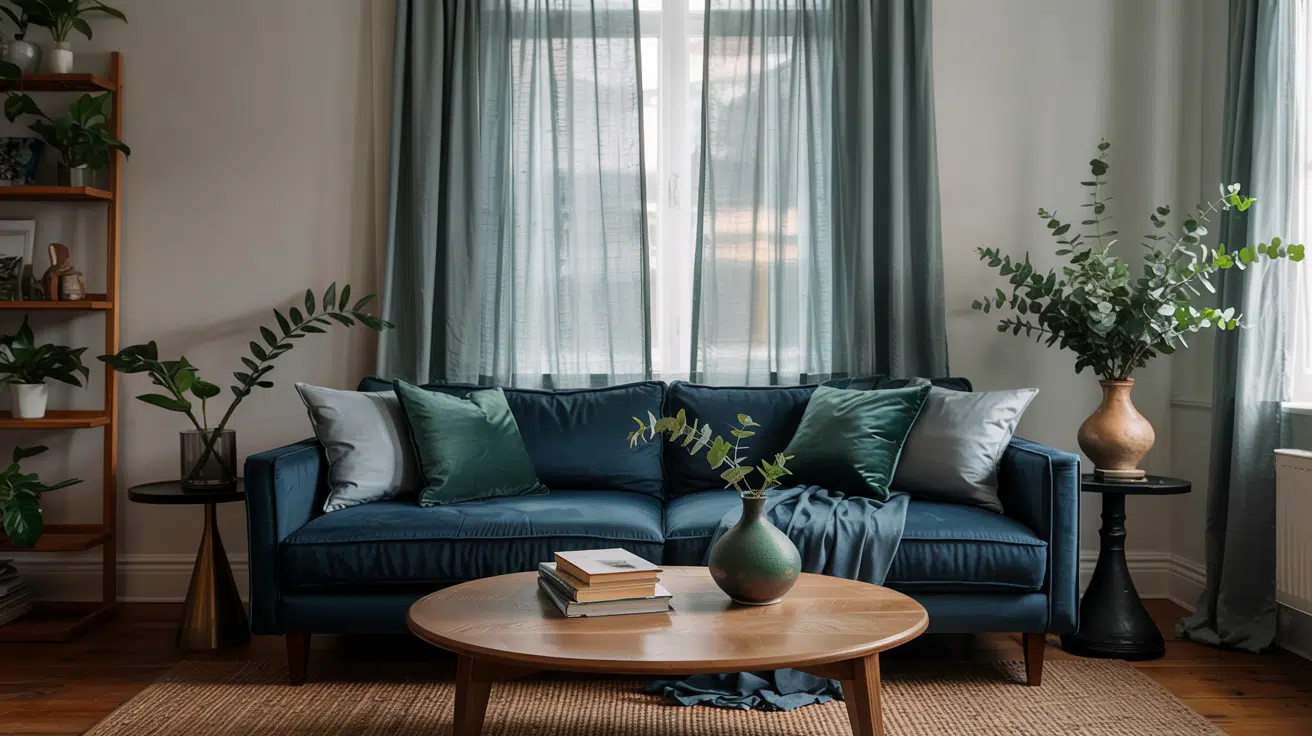
Balancing Natural Greenery and Clean Architectural Lines in Modern Homes
Modern houses are known for their stylish and minimalist designs. But including plants and other natural components can make them inviting and full of life. The challenge lies in striking a perfect balance between the neat outlines and the natural greenery.
When done well, this results in homes which are aesthetically pleasing and soothing at the same time. This article will help you learn how to integrate nature with contemporary architecture in your interior.
Understanding Modern Architecture
Modern architecture is all about minimalist design and utility. Typically, such houses feature a flat or slightly sloped roof, an abundance of windows, and a spacious layout. The style shuns additional ornamentation and instead embraces clean lines and geometric shapes. The use of glass, steel, and concrete is quite prevalent. The intention is to design areas that are airy, light, and well ordered. Every detail is functional and nothing is meaningless decoration.
Simple and uniform lines are the main feature of modern style. They bring harmony and visually enlarge the rooms. Minimalism means having only the essentials and getting rid of the unnecessary things. Straight lines, bare and polished surfaces, and simple pieces of furniture all help to achieve a serene atmosphere.
Benefits of Incorporating Greenery
The addition of plants can bring a whole new life to the interior decor of modern homes. They create visual angles that require no sacrifice of the minimalist look. One tall plant in the corner or a number of little succulents placed on the shelf can totally change the aspect of a room. The natural forms of leaves and twigs offer a gorgeous contrast to geometric shapes and smooth surfaces. Such a fusion makes the space more complete, comfortable, and inviting.
Plants are not only decorative elements. They purify the air and release oxygen. Research reveals that people being around green plants experience lower levels of stress and happier moods. Besides, these living organisms contribute to the regulation of moisture in your dwelling. Greenery makes you feel calm and help you concentrate even when you are indoors.
Choosing the Right Plants for Your Space
If you are planning to get some plants, first figure out the light and temperature conditions of your home. How much daylight does each room receive? Some plants will give their best only with lots of sunlight, whereas there are others for which the shade is ideal.
Also, think about the size of the plants in relation to the space you want to put them in. Tall and big plants will be fine for rooms with lots of space, but apartments with less space will be better with small-sized or even hanging plants.
For real plants, you can use fiddle leaf fig, snake plant, pothos, and rubber plant. They all have striking forms that bring a modern look to a room. Succulents and cacti need only a small amount of water and they are ideal for those parts of the house where there is a lot of sunlight.
You can even get artificial plants that don’t require any effort. A reliable artificial plant manufacturer can make them look very lifelike. They can be used in places like a dark corner or a room without windows. Modern style goes well with the plants that are simple in shape and have a strong silhouette.
Designing with Nature in Mind
Integrate plants into your home’s architectural features. Position them near windows to take advantage of natural light. Consider using staircases or room dividers with built-in planters. Plant a variety of species at different levels for visual layering.
Small plants on floating shelves can highlight the horizontal lines. Large potted plants can hold corners and set apart the spaces. The secret is to make the greenery appear as part of the plan, not as a random addition.
Vertical gardens are also an excellent choice for contemporary houses that have very little floor space. A green wall makes a remarkable focal point and at the same time, saves the floor area. They can be set up both indoors and outdoors. The spots that gain the most from their use are the entryway, living room, or an empty exterior wall.
Creating Outdoor Spaces that Harmonize with Architecture
Your exterior spaces can reflect the contemporary character of your residence. Incorporate straight, line walkways, long planter boxes, and angular patio designs. Opt for furnishings with clean lines and a palette of neutral tones.
Landscaping should be more controlled and orderly rather than wild and overgrown. Think about using pavers or concrete in linear patterns. The outside area should give the impression of being an indoor room extended to the outside.
Excellent landscaping brings the greatest architectural features of your home into focus. Utilize greenery to flank doors or bring out the texture of a wall. Make sure that the plants are trimmed and in good condition to keep the firm shapes.
Utilizing Natural Materials
Natural materials help connect indoor and outdoor spaces. Wood adds warmth to modern designs and pairs beautifully with plants. Stone provides texture and works well for both walls and planters. These materials feel organic but can be shaped into clean, modern forms. They create a transition between the living greenery and the structured architecture.
Many modern homes combine concrete with warm wood accents. Others use natural stone for accent walls paired with glass and steel. Some feature timber ceilings that bring nature overhead while maintaining modern lines. These materials prove you don’t have to choose between modern style and natural elements. The best designs celebrate both.
The Role of Color and Texture
A lot of contemporary houses use neutral colors such as white, gray, and black. These colors highlight the green plants exceptionally well. Introducing natural wood elements will give a cozy feeling of the house. You may also add nature-inspired accent colors like earth browns or sky blues. Keeping the palette simple and harmonious is a good idea so plants will be the major source of color and life.
Mix the combination of surfaces that are smooth with the ones that are rough for interest. Match a glossy finish with matte leaves. Combine solid materials like concrete with soft ones like moss or ferns. The differences between the various textures provide the illusion of dimensionality without disorder.
Conclusion
Blending natural greenery with contemporary architecture leads to homes that are both beautiful and comfortable. Plants soften the harsh lines while still keeping the simplicity that makes modern design attractive. Achieving such a harmony brings health benefits, aesthetics, and an enhanced connection to nature.
Your house should be a mirror of your traits and lifestyles. Start small by placing one or two plants to identify the best fitting. Try experiments and be courageous enough to make alterations. Combine the modern style with nature in ways that are right for you. The perfect harmony between you and your environment is there, just waiting for you to find it.