21 Amazing Dark Academia Bedroom Styling Tips
If you’ve been craving a space that feels like a quiet library, filled with character and calm, you’re not alone. I used to feel stuck with plain decor that lacked mood or meaning.
That’s when I began upgrading my room into something much more personal, a true dark academia bedroom.
In this guide, I’ll walk you through ideas, layout tips, and personal styling advice to help you create a space that reflects your love for depth, history, and solitude.
You’ll find practical steps, visual inspiration, and clever tricks that I’ve tested myself. Ready to make your room feel like it belongs in an old novel? Let’s get started.
Understanding the Dark Academia Bedroom
A dark academia bedroom reflects a space shaped by literature, quiet reflection, and profound historical influence.
It draws on cues from old libraries, study halls, and traditional academic settings, often inspired by classical architecture, rich wooden interiors, and classic works of writing.
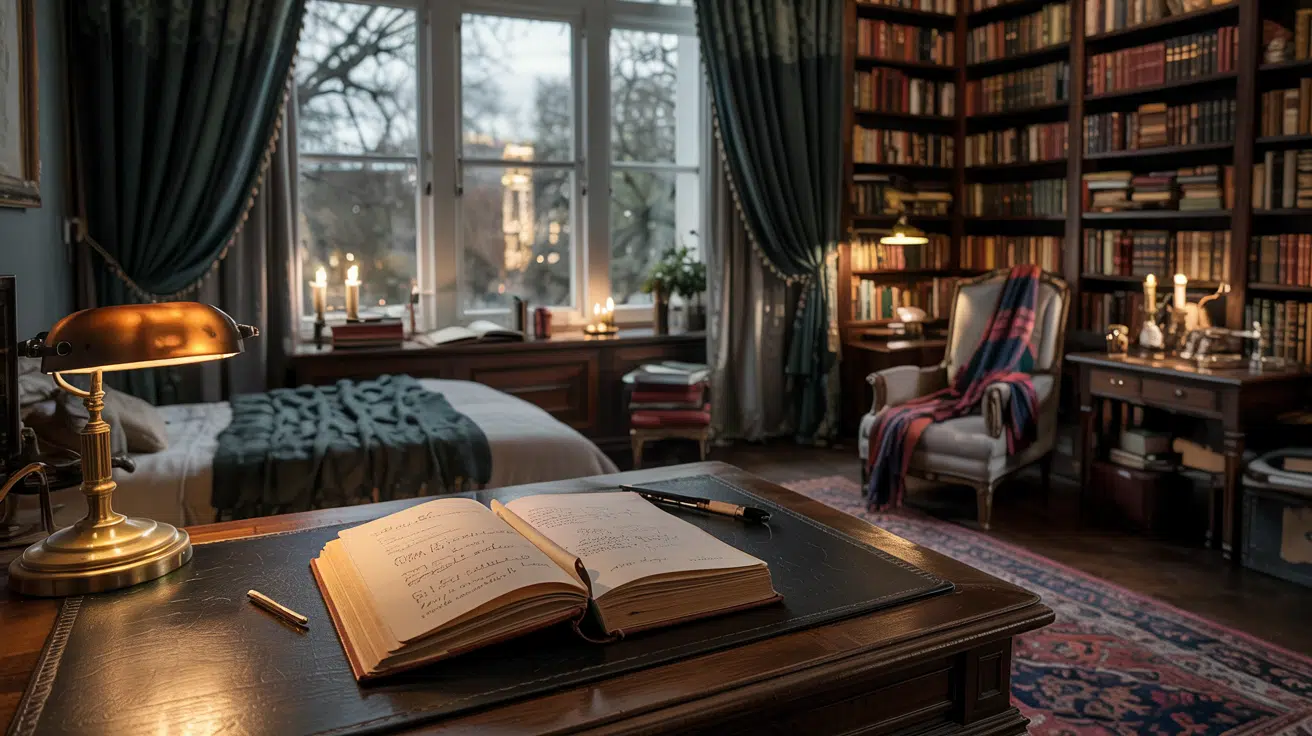
Color plays a central role: think deep browns, forest greens, charcoal, and muted reds. These tones create a grounded atmosphere, often paired with soft lighting, layered textures, and well-worn materials such as leather, linen, and aged wood.
This style appeals to those who find peace in solitude and meaning in study. If you’re drawn to the sound of rain on windows, the comfort of worn-out novels, and the glow of a desk lamp late at night, this setting speaks your language.
Dark Academia Bedroom Ideas for a Scholarly & Stylish Space
Create a room that reflects depth, focus, and classic beauty with these practical, atmospheric ideas, each one designed to help shape a thoughtful, book-inspired personal space.
1. Use a Moody Color Palette with Deep Jewel Tones

Setting the tone starts with color. Rich shades like burgundy, navy, olive, and deep brown help create a grounded, immersive feel.
These colors instantly alter the visual weight of a space and evoke an academic influence reminiscent of old libraries and historic studies. You don’t need to paint walls; incorporate these tones through bedding, pillows, throws, or large furniture pieces.
Stick to muted, saturated tones and layer them carefully for depth. This foundation influences every other choice in your dark academia bedroom.
2. Add a Wood-Carved Antique Desk
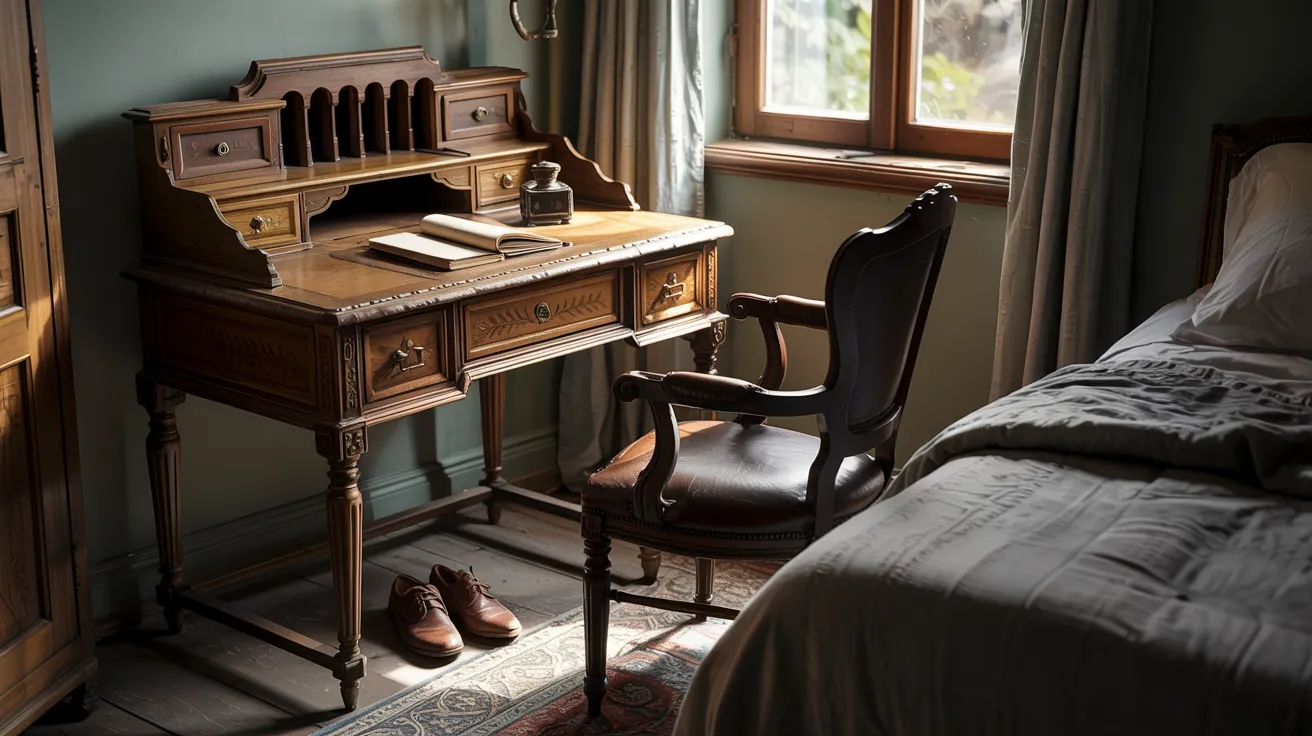
A sturdy, dark wood desk is a key piece in any scholarly room. Look for something with character, perhaps a secondhand find with aged surfaces, small drawers, or turned legs.
It doesn’t need to be large; even a compact writing table works well. This desk becomes your space for reading, journaling, or studying.
Pair it with a simple chair or one with a high back for balance. The desk helps define your room’s function and visual personality.
3. Hang Vintage Portraits and Oil Paintings

Create a wall that feels like it belongs in an old library or estate. Choose framed portraits, still-life images, or classic art reproductions in subdued tones.
Look for secondhand frames at thrift stores or flea markets to keep costs down. Combine different sizes and arrange them close together for a collected look.
If you can’t find vintage prints, try using pages from old books or reproductions from open-access archives. This gives your room a museum-like visual point.
4. Layer Lighting: Desk Lamp, Wall Sconce & Candles
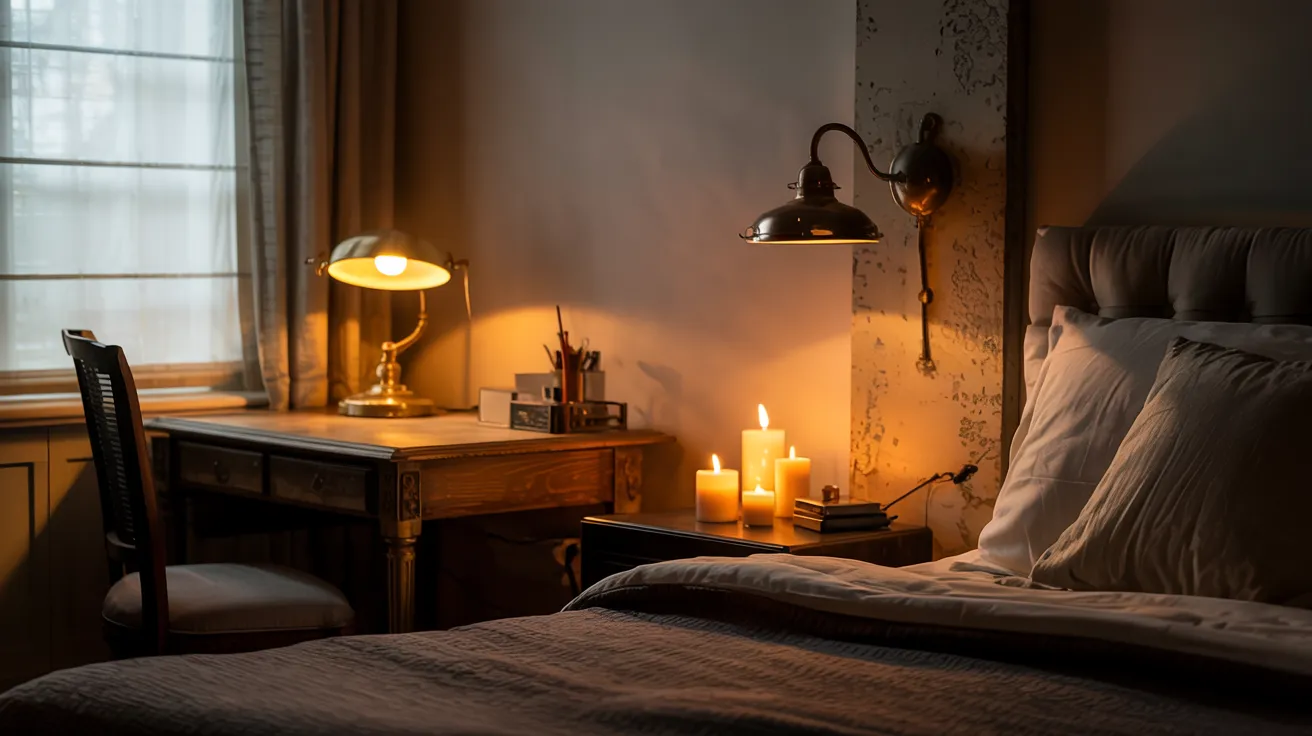
Lighting changes everything. Use several sources rather than relying on one overhead fixture. A desk lamp, flickering battery candles, and a wall sconce together create warmth and comfort.
Choose bulbs with soft white or amber tones to maintain a relaxed atmosphere, and position lighting at different heights to create shadows and contrast.
Avoid harsh overhead lights; they can flatten the look. Instead, focus on creating cozy light pockets that make your room feel like a quiet evening retreat.
5. Style a Leather Armchair with a Plaid Throw
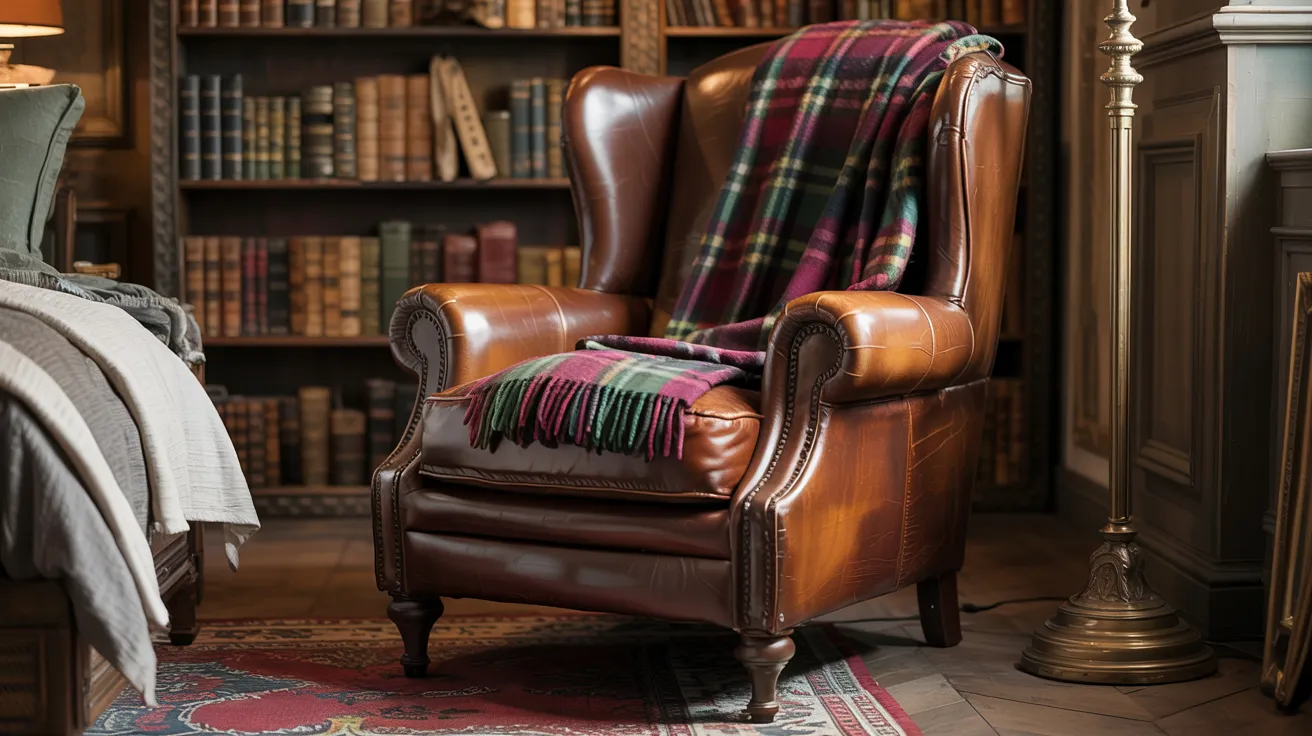
An old-style armchair adds instant depth. Look for something in brown or oxblood leather, or a dark upholstered seat with a vintage shape.
Drape a plaid or wool blanket over the backrest for comfort and contrast. This combination works well in a corner, especially beside a bookshelf or lamp.
It’s perfect for reading, journaling, or simply relaxing. The pairing of old patterns and strong materials helps reinforce the mood without requiring a big furniture purchase.
6. Create a Bookshelf with Color-Coordinated Spines

A bookshelf not only stores your favorite titles, it also adds rhythm to your room. Arrange your books by spine color for visual harmony, using deep reds, browns, greens, and blues to stay within the theme.
Display older or worn volumes if you have them. Add in small trinkets or candles to break up rows. If space is limited, use wall-mounted ledges or stacked crates.
The goal is to make your collection both functional and part of the decor.
7. Use Brass or Aged Metal Accents
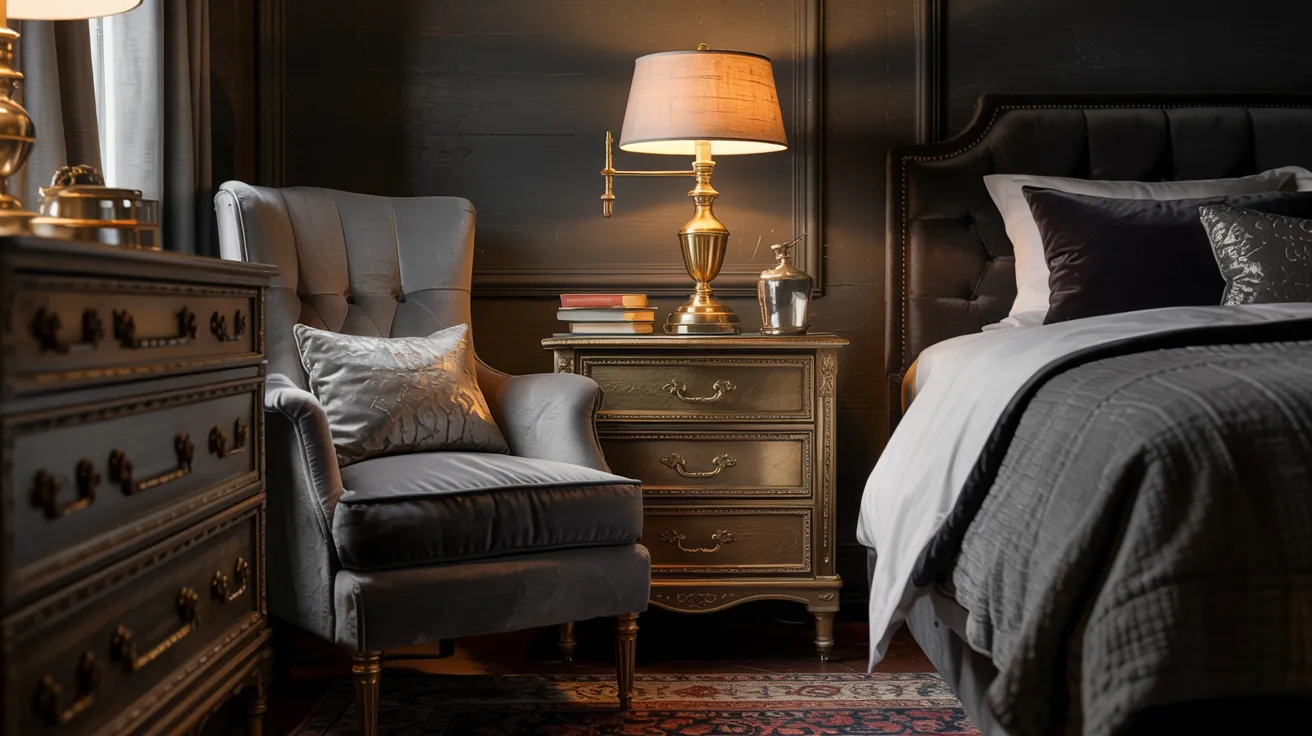
Brass, bronze, and blackened metal accents instantly create depth and character. Look for items like drawer pulls, lamp bases, candle holders, or mirrors in these finishes.
These small touches help reinforce a grounded and scholarly feeling throughout your space. You don’t need to replace fixtures, swap in a metal frame, or use thrifted containers.
Over time, these materials develop a patina that fits the mood even more, especially when paired with dark wood or soft lighting.
8. Display a Globe, Compass, or Hourglass
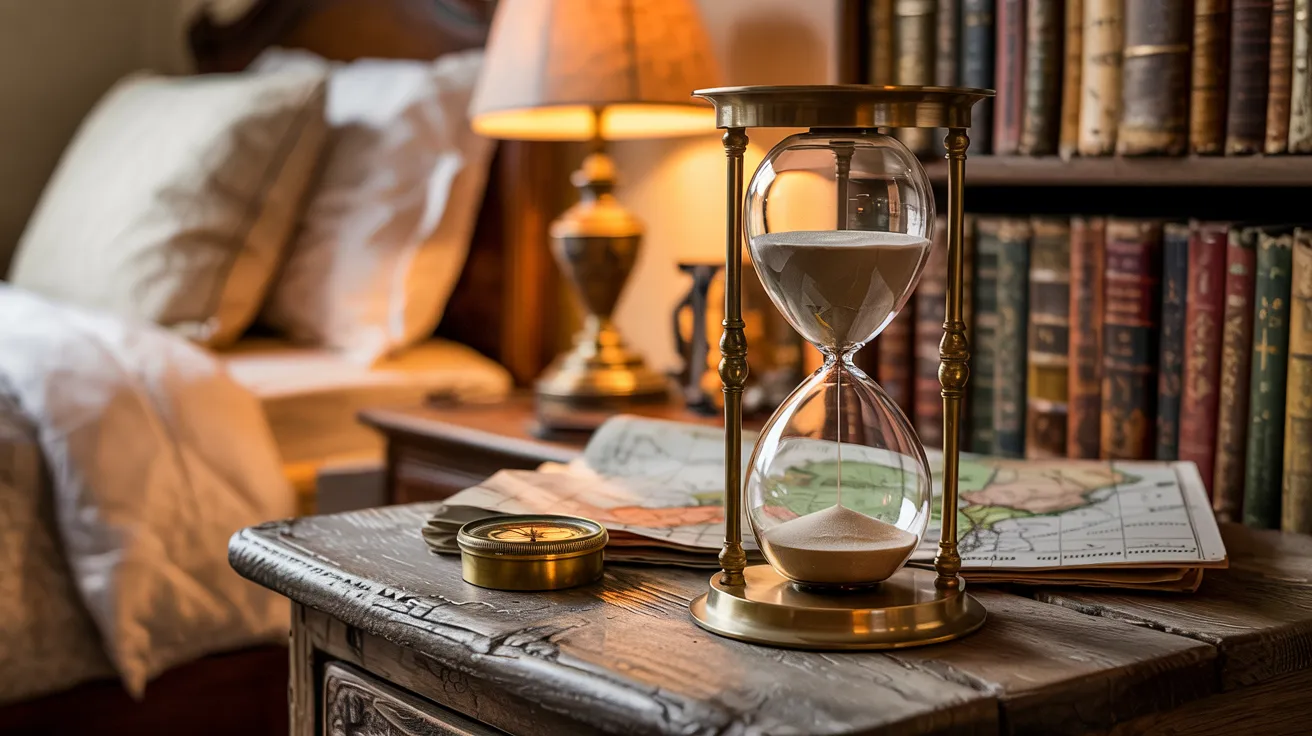
These tools reflect a quiet fascination with time, geography, and discovery. A tabletop globe or small compass adds a touch of detail to bookshelves or desks.
Hourglasses bring movement and contrast. These pieces don’t need to be functional, just symbolic. Group them near books, in trays, or alongside maps.
You can find inexpensive versions online or at thrift stores. Together, they reinforce the theme of study and inquiry, making your bedroom feel more intentional and lived-in.
9. Incorporate Dried Flowers or Pressed Leaves in Frames

Soft botanical details pair well with a scholarly room. Gather dried flowers or press leaves between pages, then frame them behind glass for display. Use gold or black frames to stay within your style.
Hang them in clusters or lean them against walls for a casual setup. You can also pair them with quotes or handwritten labels.
These small details soften the look and reference natural studies, bringing warmth and quiet beauty to your space.
10. Hang Velvet or Heavy Linen Curtains
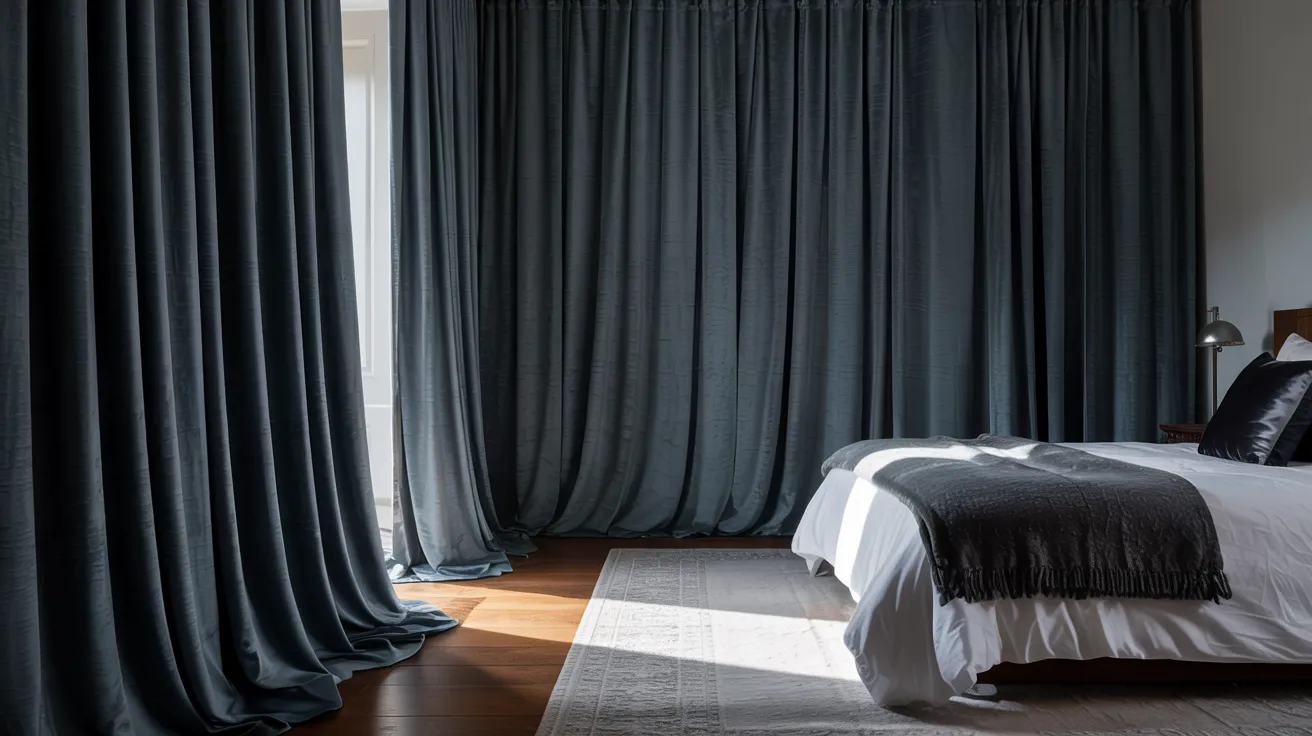
Curtains play a major role in mood control. Choose thick materials like velvet or linen in shades like charcoal, deep green, or navy. These help block bright light, control temperature, and add weight to the design.
Let them hang from the floor to create the illusion of height. If your room has blinds, use curtain rods to layer over them.
Heavier fabric choices bring comfort and help define a calm, grounded environment that feels classic.
11. Use Peel-and-Stick Wallpaper in Damask or Library Print
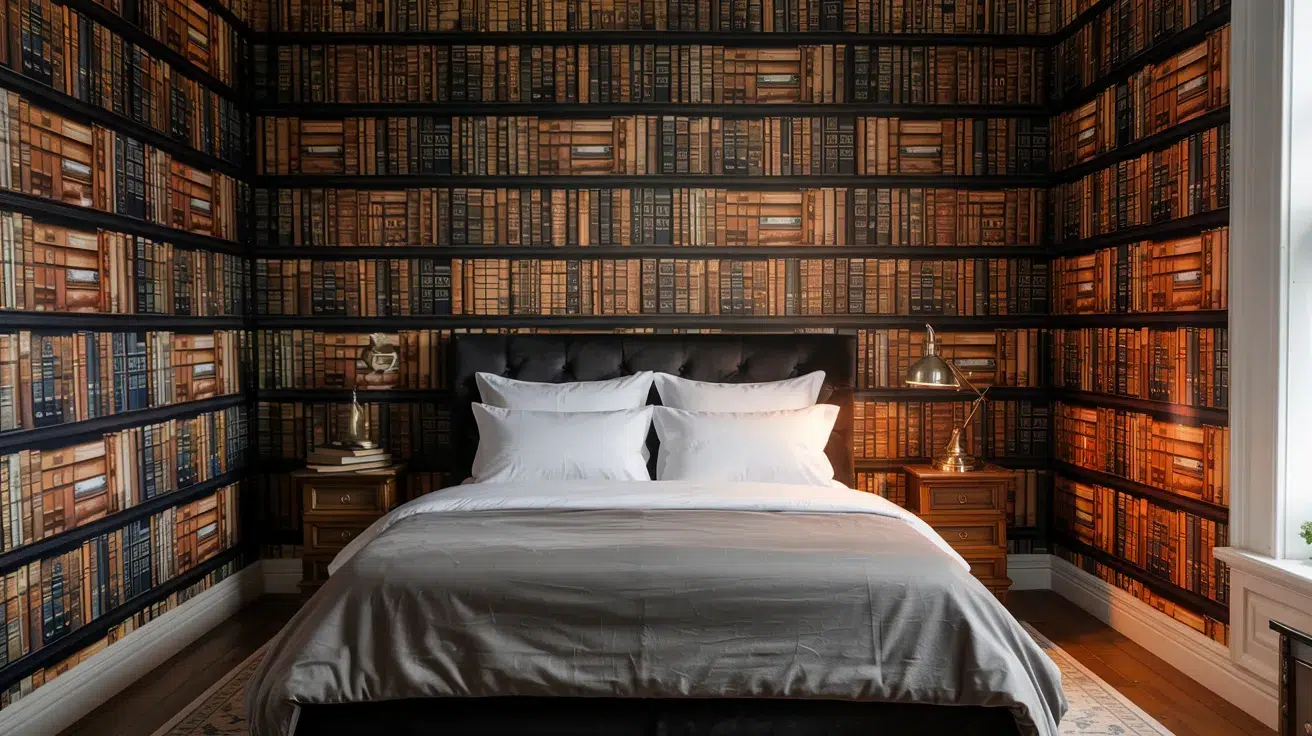
For rented rooms or short-term spaces, peel-and-stick wallpaper is a practical option. Choose prints that mimic old libraries, lined books, or intricate damask textures in dark tones.
Apply it to one accent wall or behind your bed to create depth. It installs easily and removes cleanly without damage.
This is a low-commitment way to bring structure to the room without permanent changes, making it ideal for apartments or shared living setups.
12. Lay Down a Persian Rug or a Dark Kilim
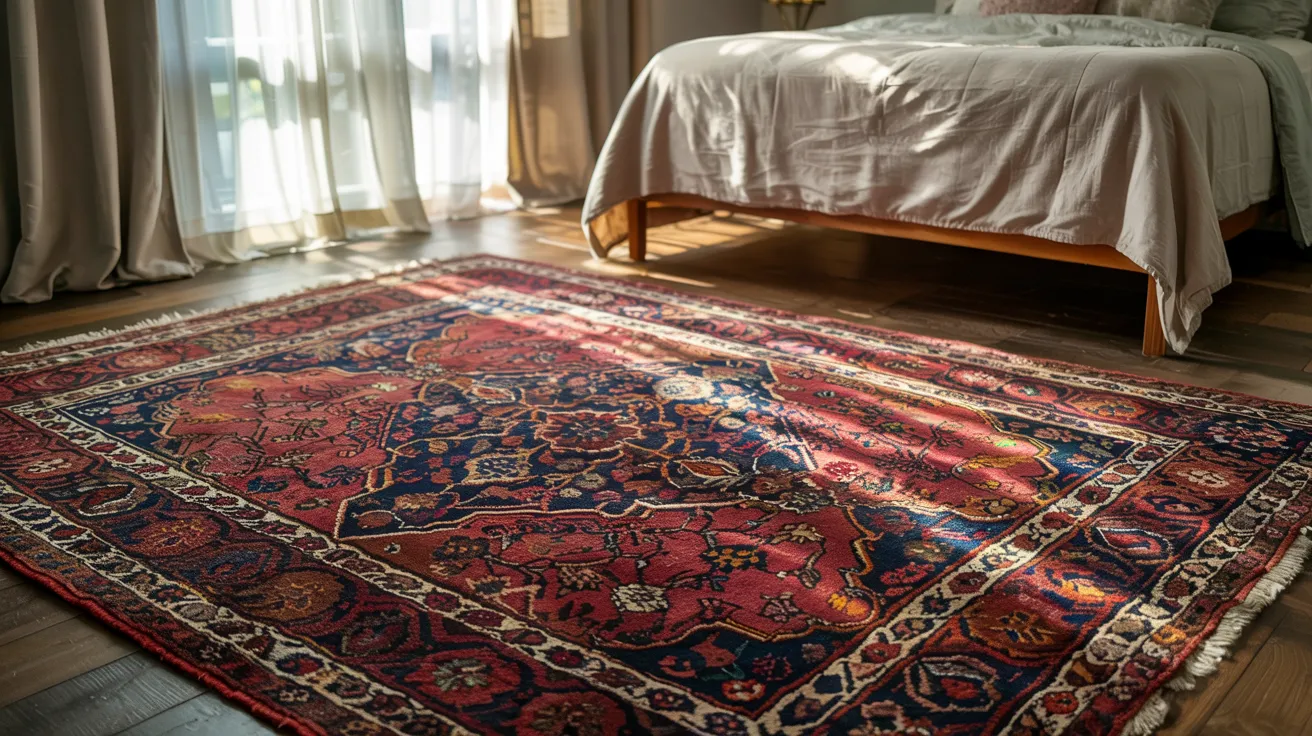
Textiles underfoot anchor the space visually. A Persian rug, or a Kilim, in deep reds, browns, or navy, provides both comfort and history. Look for patterns that aren’t too bold, focus on detail, and opt for a worn-in texture.
Even a small rug under a chair or desk makes a noticeable impact. Thrift stores, estate sales, or online marketplaces are good sources.
Rugs help section off areas of your room and make everything feel more grounded and complete.
13. Frame Handwritten Quotes or Latin Phrases
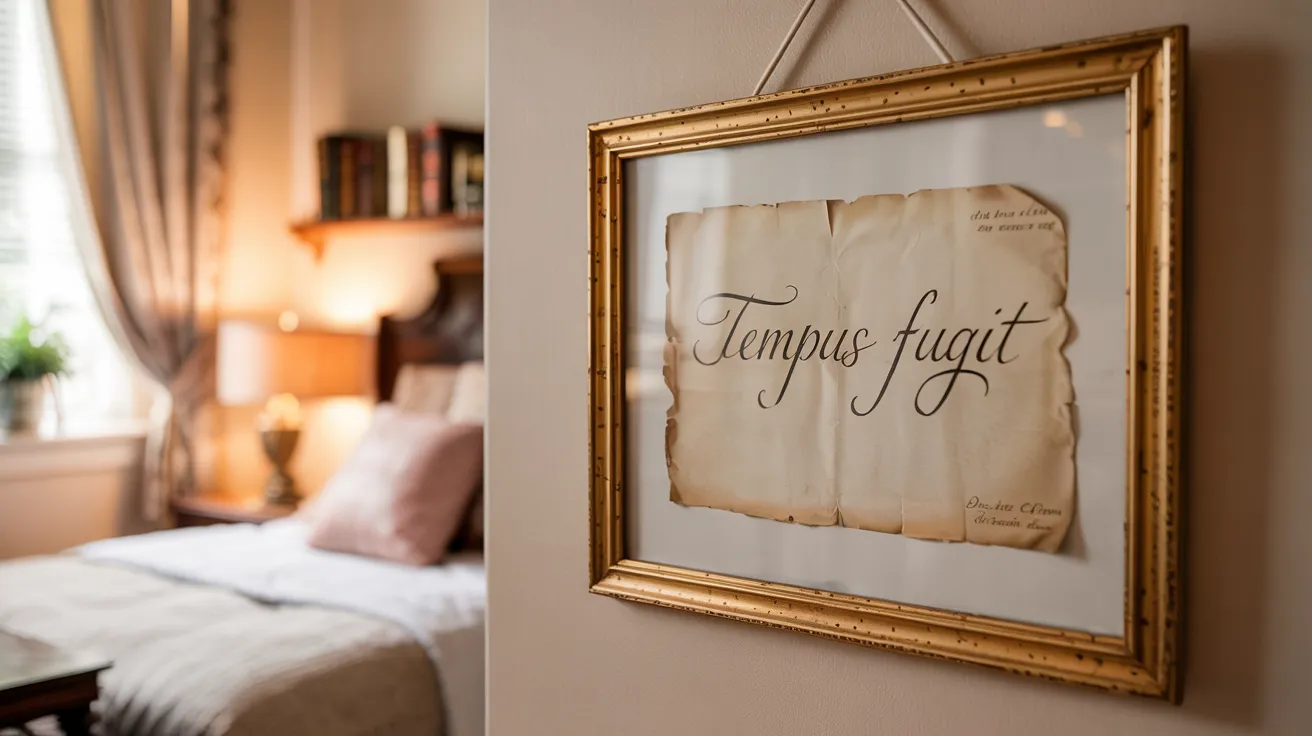
Short texts in beautiful script, if copied from books or handwritten, offer a simple way to beauty.
Choose a meaningful passage from a novel, letter, or historical source, and place it inside a small gold or black frame.
Latin phrases also work well, especially when combined with aged paper or calligraphy. This kind of framed writing can be part of a gallery wall or stand alone near a reading corner or bookshelf.
14. Add an Old-Fashioned Bed Frame (Wrought Iron or Wood)
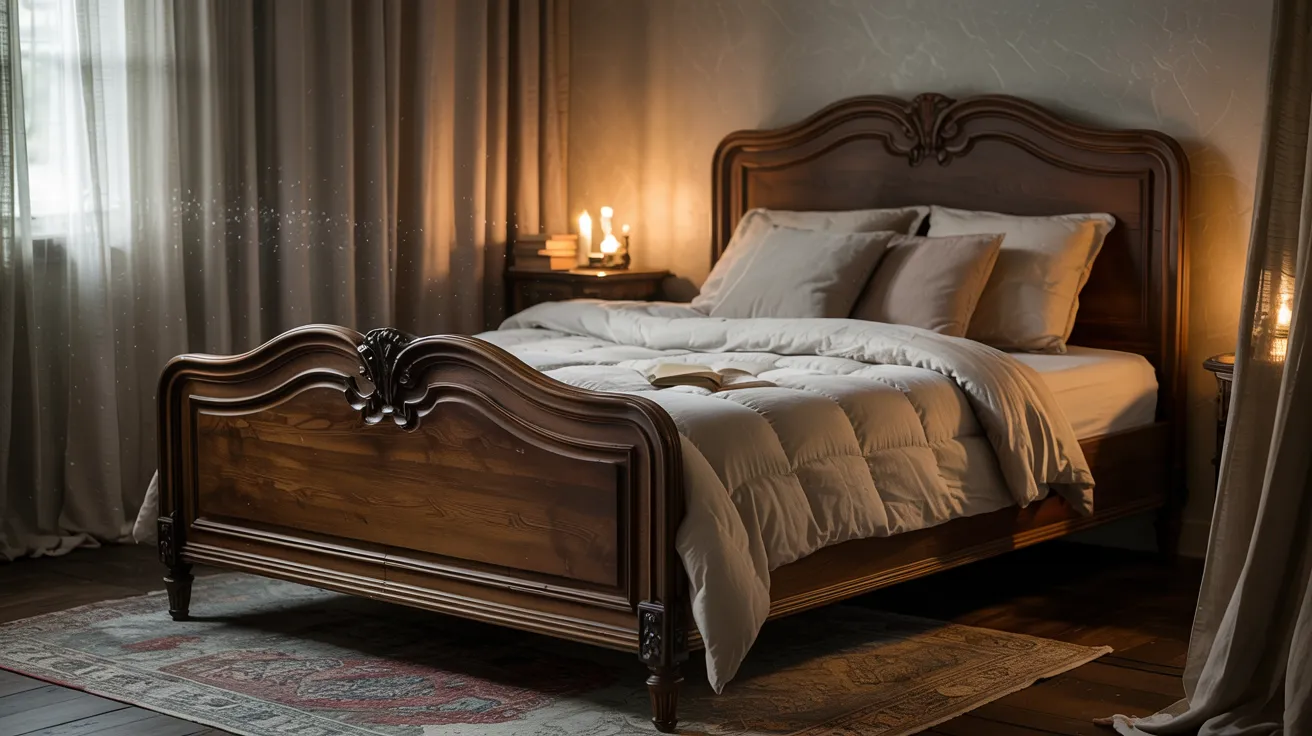
Your bed is likely the largest furniture item in the room, so its frame sets the tone. Choose one in dark wood or metal with minimal shine.
Wrought iron lends a historical touch, while wooden frames convey permanence. Look for secondhand or hand-me-down pieces to keep costs low.
A well-selected bed frame anchors the space and helps it feel structured, especially when paired with neutral or earth-toned bedding to balance it out.
15. Use Wall-Mounted Shelves for Layered Displays
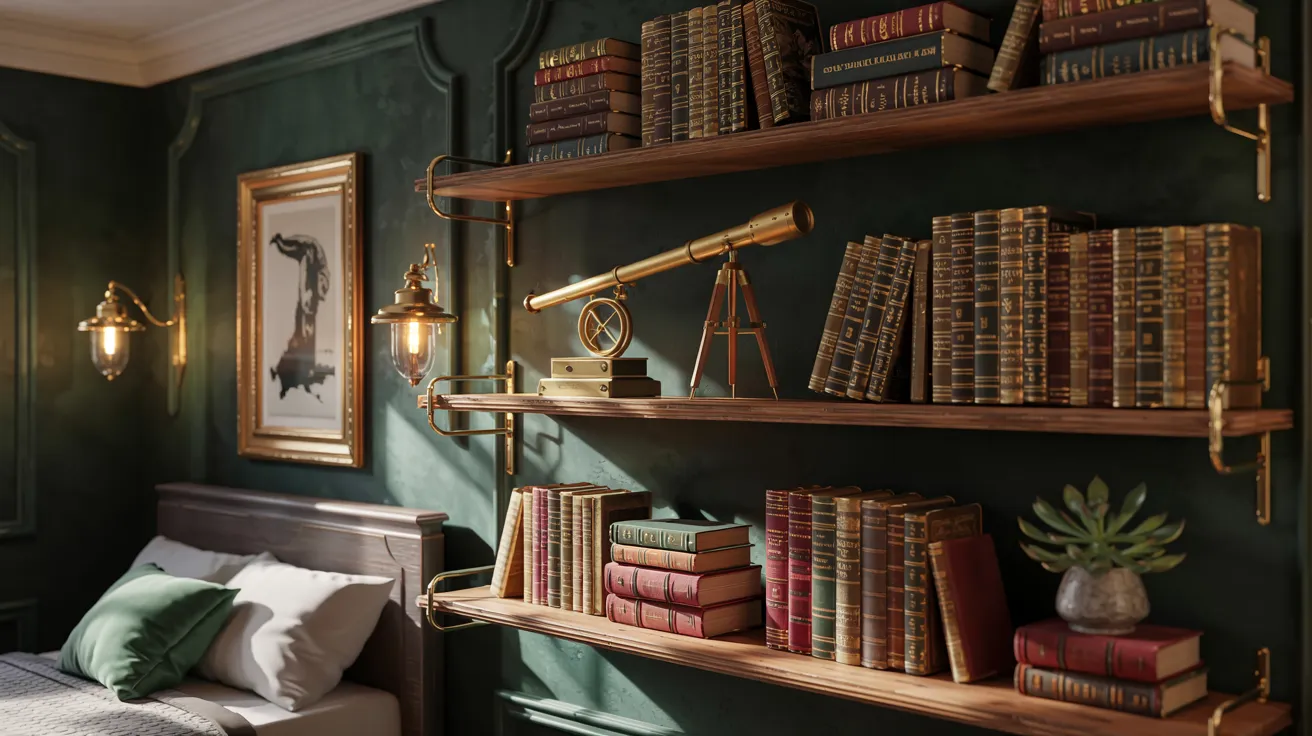
Add depth and visual balance by installing wall-mounted shelves. These let you showcase books, framed prints, clocks, plants, or oddities without crowding floor space.
Choose wood or black metal finishes to stay consistent with the theme. Arrange items in layers, like a stack of books with a framed quote in front or a journal topped with a small object.
Wall shelves are practical for small rooms and help fill blank walls with meaningful, vertical interest.
16. Add Typewriters, Ink Bottles, or Feather Pens

Objects related to writing bring purpose into the room. Even non-working typewriters can become shelf centerpieces, especially when paired with antique-looking notebooks or glass ink bottles.
Feather pens, blotting pads, or sealing wax add detail to a writing desk. These items suggest thoughtfulness and tie into themes of learning and reflection.
They don’t need to be functional, just present as symbols of focus and time well spent in solitude or study.
17. Play Dark Academia Soundtracks
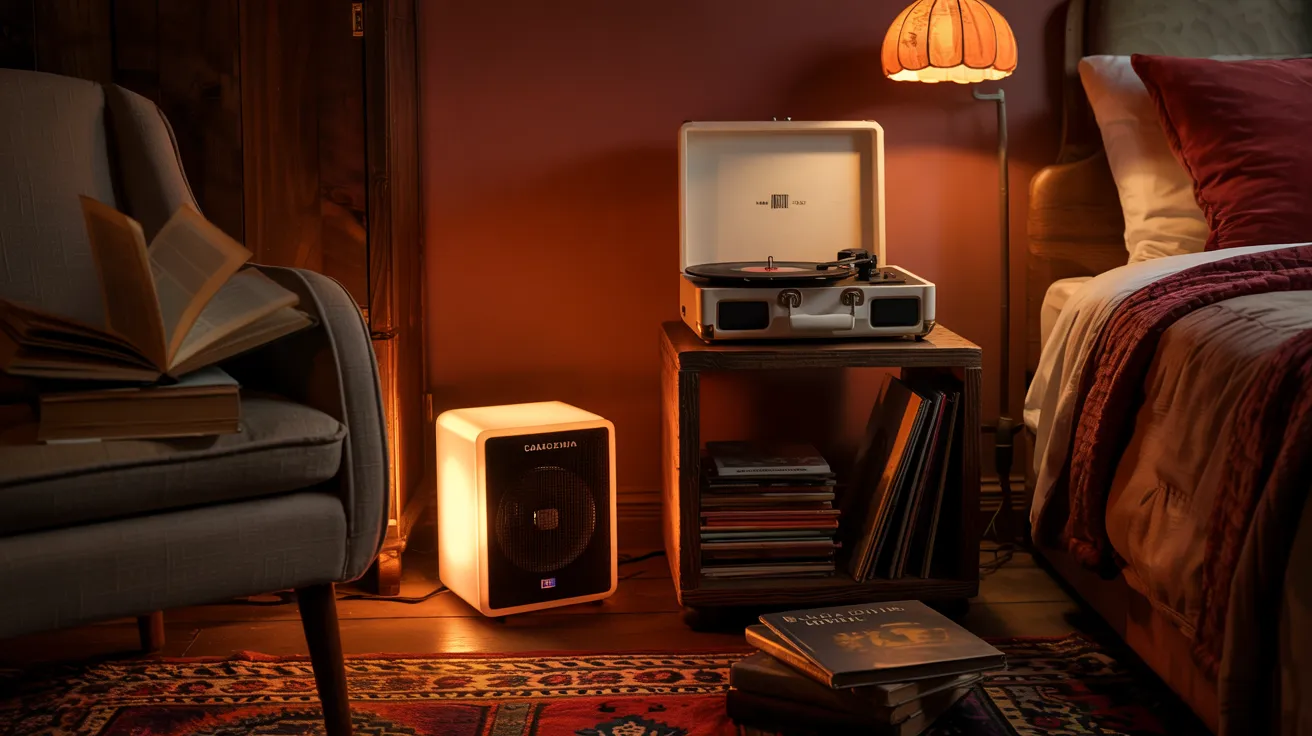
Sound completes the experience. Set up a small speaker or record player in your space and choose music that supports reading or resting. Classical music, lo-fi piano, soft jazz, or ambient rain sounds are perfect choices.
You can find playlists online designed for this mood. Keep the volume low and consistent throughout the day. This builds a strong sense of place, making your bedroom feel more intentional, even when nothing else changes.
18. Use Layered Bedding in Tweeds, Linen, or Plaid

Layering bedding materials adds both texture and comfort. Use muted patterns like herringbone or plaid in shades of brown, green, or navy.
Add a folded wool throw at the foot of the bed or a patterned quilt beneath your main cover. Linen pillowcases or cotton blends work well for softness.
Avoid overly bright colors or thin materials. The goal is warmth, weight, and calm, all while staying grounded in simplicity.
19. Display Antique Mirrors with Ornate Frames
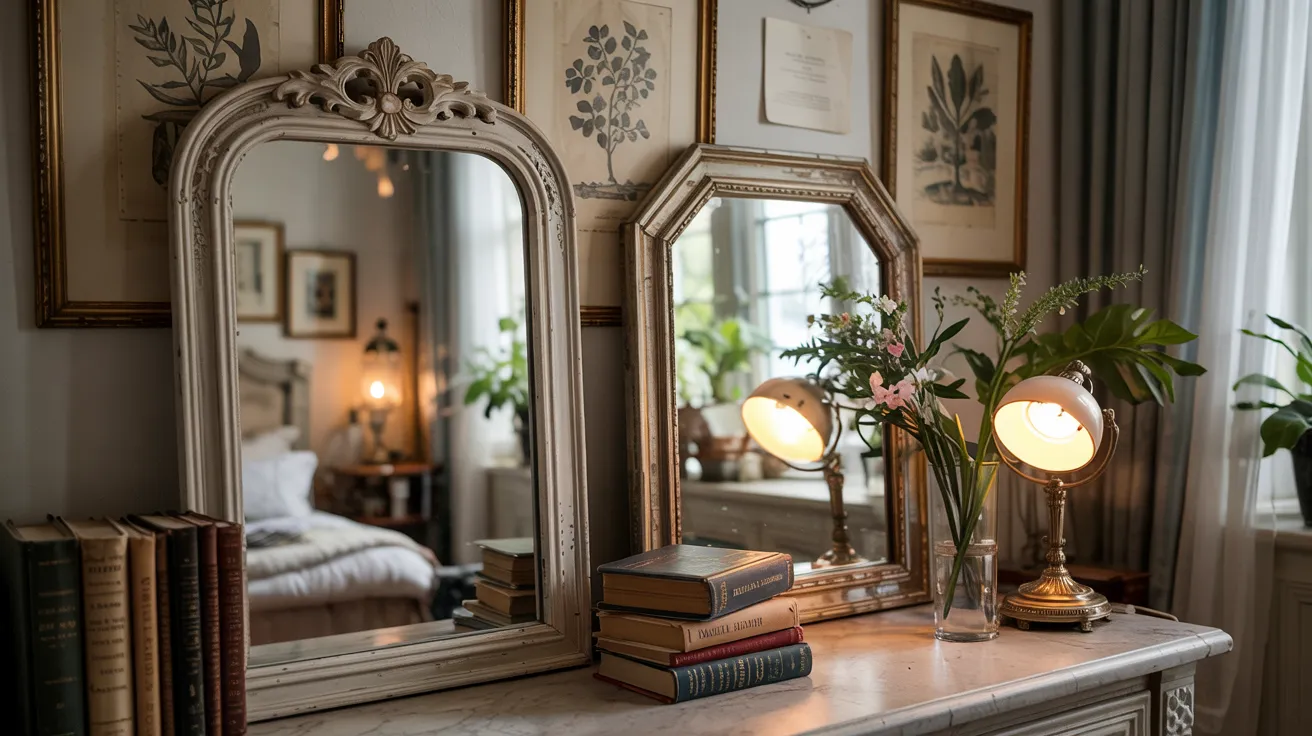
Add depth and visual intrigue by hanging or propping up an old-style mirror. Choose mirrors with carved wooden or baroque metal frames, look for pieces with age spots, smoky finishes, or unusual shapes.
A mirror can visually open up a small space and reflect the room’s lighting in subtle ways. When placed near a reading corner or art wall, it adds complexity without clutter.
Stick to muted tones like bronze, walnut, or matte black for harmony.
20. Introduce Botanical and Anatomical Sketches
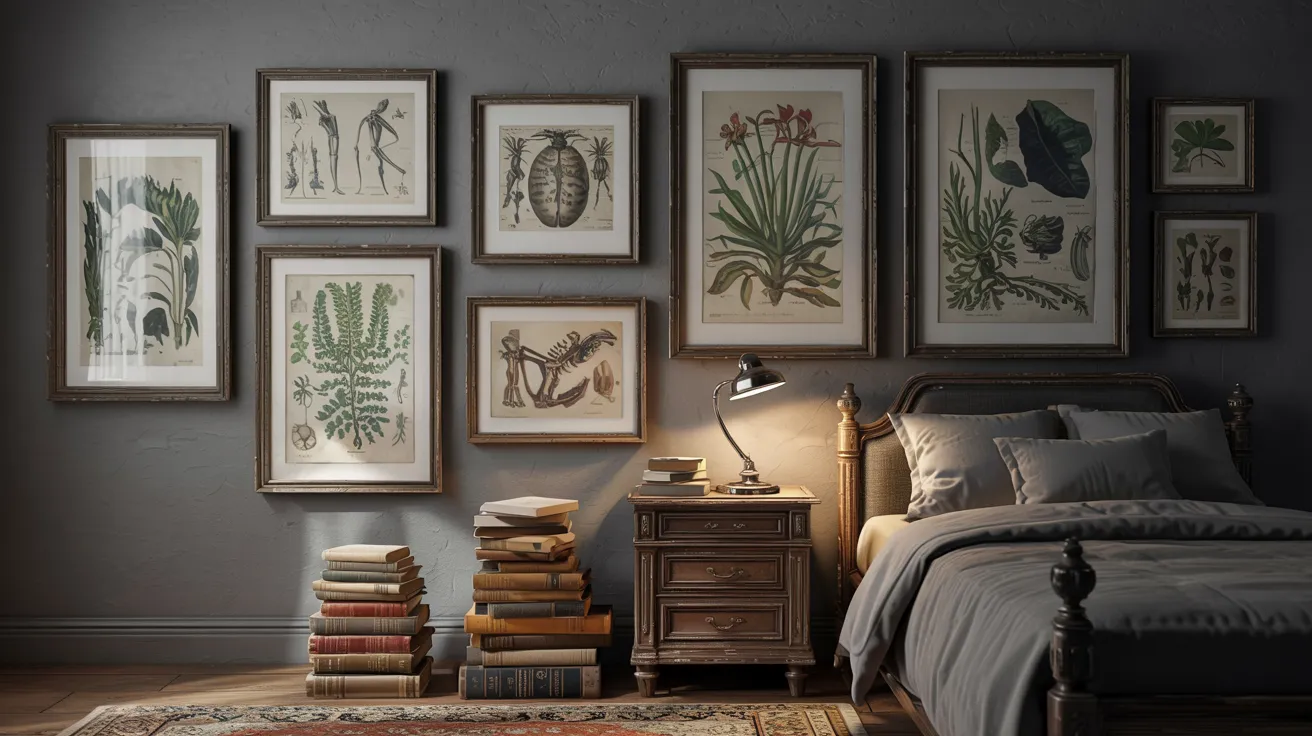
Scientific drawings add quiet interest and reference historical study. Look for illustrations of plants, bones, insects, or celestial charts—especially in monochrome or sepia tones.
Frame a set together or scatter them throughout the room.
You can find affordable prints online or in secondhand shops. These visuals support a curious, inward-looking environment and pair well with dark frames, wooden furniture, or soft, aged textiles.
21. Stack Vintage Luggage or Trunks for Storage and Style

Use old suitcases or trunks at the foot of your bed, under a window, or in a corner.
They double as storage for blankets, books, or seasonal clothes while also acting as a grounded visual element that ties into the historic tone of the room.
Opt for worn leather, canvas, or hard-sided cases with buckles and metal corners. The layered look feels purposeful, adds height, and provides both function and visual character without clutter.
Preparing Your Space for a Dark Academia Bedroom
This makeover showcases how thoughtful planning, repurposing, and layering details can reshape a room entirely.
Below are the clear steps taken, each reflecting a practical, accessible method for transforming your space.
Step 1: Clear Out and Use What You Already Own
Before buying anything new, the creator emphasized using items that were stored away. Her rule: if it’s not in use, it’s either displayed or let go. This not only saved money but also made the decor more meaningful and personal.
The approach shows that starting with what you have sets the tone for an intentional, less cluttered room.
Step 2: Create a Focal Wall with Simple DIY Materials
Instead of paint or expensive wallpaper, she used a patterned bedsheet secured with nails to create a dramatic accent wall. It added color and texture, masked beige rental walls, and kept things renter-friendly.
While not covering the full wall, it brought balance and depth, proving even simple materials can elevate a space effectively.
Step 3: Maximize Awkward Layouts With Smart Furniture Placement
Her room had a tough layout, but she found a way to use it by placing a solid wood bookshelf in a corner that couldn’t fit a bed. This turned a dead zone into a cozy reading nook.
It’s a great example of adapting furniture placement to odd shapes without compromising on flow or function.
Step 4: Build a Portrait and Decor Wall Using Thrifted Finds
She created a gallery wall with frames from dollar stores and garage sales, filled with prints, costume pieces, and book pages. Wall sconces and flickering LED candles added beauty and warmth.
The result? A wall full of character and personal history, built on a budget and anchored by storytelling through visuals.
Step 5: Style a Reading Corner With Function and Comfort
By adding a rug, shelf, and coffee spot, she turned the bookshelf area into a defined reading zone. This small setup visually splits the room into two sections: one for rest, the other for focus.
If you love to read or reflect, this layout trick helps your room serve more than one purpose.
Step 6: Make Use of Found Furniture and DIY Pieces
She incorporated a roadside furniture find and a recycled wood shelf as a nightstand. These were paired with brackets and adjusted for her workspace height.
It shows that meaningful pieces don’t have to be expensive, just functional and well-placed. Working with the space instead of forcing standard furniture made the room feel more natural.
Step 7: Layer with Lighting, Texture, and Sentimental Items
She used velvet curtains, LED candles, and lights woven through artificial vines to add warmth and ambiance.
The use of soft textiles and layered lighting created a moody setting without the need for harsh overhead lighting. This also allowed her to display items with a history or personal stories, such as old lamps, books, and costume pieces.
Step 8: Let Function Lead Aesthetic Choices
Curtains were swapped mid-process to suit function and proportion, even if they weren’t her favorite color. She prioritized light filtering, height framing, and budget constraints over trend.
This approach reflects the value of working with limits and accepting that practicality often drives better results in small spaces or rentals.
Watch the whole makeover process in action below to see how each step came together in a real room.
Conclusion
So now you’ve got everything you need to turn your room into a thoughtful and layered dark academia bedroom. You’ve seen how each idea, from lighting to layout, can help you shape a space that reflects your personality and pace.
As you put things into place, don’t stress about perfection. I learned that a lived-in, evolving room always feels better than one that’s overly styled. Trust what speaks to you.
If you’re feeling inspired, keep going. Check out more posts to find additional room ideas, shopping tips, or even desk styling tricks to complement your new setup. And hey, if you try one of these tips, I’d love to hear about it!