
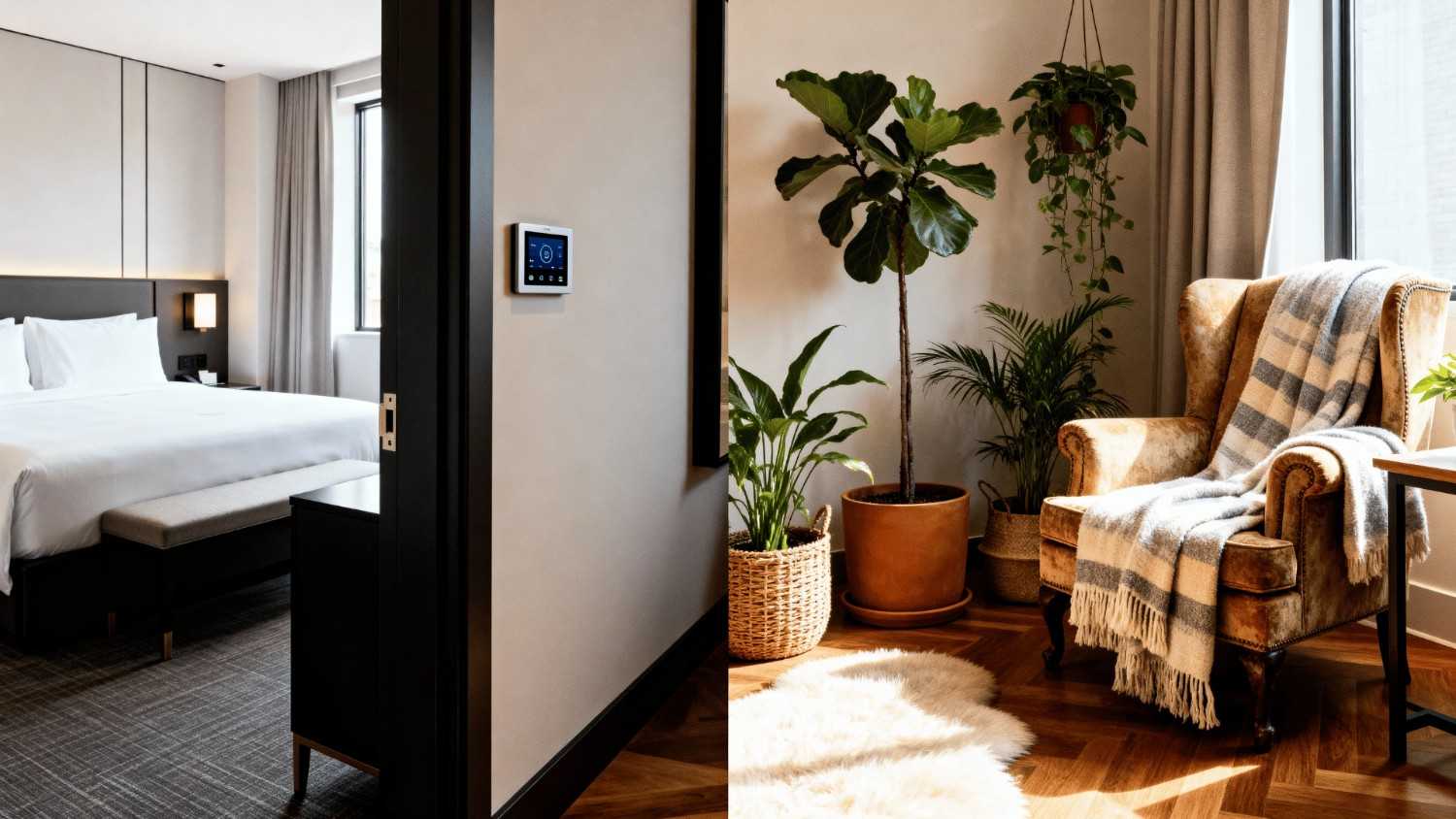
Airbnb vs Hotel: Comparing Price Comfort and Experience
Planning a trip and can’t decide where to stay? The Airbnb vs hotel debate has travelers everywhere scratching their heads.
Hotels promise convenience and consistency, while Airbnbs offer a home-away-from-home vibe. But which one actually delivers better value for your money?
The right choice depends on what matters most to you: price, comfort, or overall experience. Some travelers swear by hotels for their amenities and service, while others love the local feel and space that Airbnbs provide.
In this guide, we’ll break down the real differences between these two options. By the end, you’ll know exactly which accommodation best fits your travel style and budget.
Breaking Down the Cost: Where Your Money Goes
Money talks, and understanding where your dollars actually go makes a huge difference in choosing between these two options.
Airbnb Pricing
When it comes to cost, Airbnbs can be tricky. The nightly rate might look cheap at first glance, but then come the extra fees, cleaning charges, service fees, and sometimes a security deposit.
For solo travelers or couples on short trips, these add-ons can push the total cost above expectations. However, if you’re traveling with a group or staying for a week or more, Airbnbs often work out cheaper per person.
Plus, having a kitchen means you can cook meals and save on dining out.
Hotel Pricing
Hotels typically have straightforward pricing. What you see is usually what you pay, minus taxes and maybe a resort fee.
They’re often the better deal for short stays, especially when you factor in free breakfast, daily housekeeping, and no cleaning fees.
Business travelers and those on quick trips tend to find hotels more budget-friendly. And if you’re loyal to a hotel chain, points and rewards can significantly slash costs.
Off-season deals and last-minute bookings can also make hotels surprisingly affordable.
Airbnb Vs Hotel: Which Is More Convenient

Convenience really depends on what you value most. Hotels win hands down for hassle-free check-ins: just walk up to the front desk, grab your key card, and you’re set.
Need extra towels at midnight or have a question? There’s always someone at reception to help. Plus, hotels are usually located in central areas with easy access to public transport and tourist spots.
Airbnbs require more coordination. You’ll need to communicate with hosts about check-in times, pick up keys from lockboxes, and sometimes follow specific house rules.
If something breaks or you need help, response times vary depending on the host.
But here’s the flip side: Airbnbs often give you more flexibility with check-in and check-out times, and you get the entire space to yourself without worrying about hotel schedules or noise from neighboring rooms.
Airbnb Vs Hotel Comfort Space and Amenities
Choosing between the two often comes down to which space and amenities matter most during your stay. Here’s how they stack up across different features that affect your comfort.
| Feature | Airbnb | Hotel |
|---|---|---|
| Space | Full apartments or houses with separate bedrooms, living areas, and often outdoor spaces. Great for groups and families. | Single or multiple rooms with limited living space. Suites are available but cost significantly more. |
| Kitchen | Full kitchen with appliances, cookware, and utensils. Perfect for cooking meals and saving money. | Limited or no kitchen. Some have mini-fridges and microwaves, but most rely on room service or restaurants. |
| Laundry | Washer and dryer are often included, especially for longer stays. | Laundry service is available but usually costs extra. Some hotels have guest laundromats. |
| Cleaning | Cleaned before arrival, but no daily service unless you arrange and pay extra. | Daily housekeeping included fresh towels and made beds. |
| Privacy | Complete privacy, the entire space is yours with no shared walls or common areas. | Shared hallways and walls. Noise from neighbors can be an issue. |
| Entertainment | Living rooms with TVs, Netflix accounts, books, and games. Feels like home. | TV in the room, but limited entertainment options beyond cable. |
| Unique Touches | Each property is different, could be a cozy cottage, modern loft, or beachfront villa. | Standardized rooms with consistent design and amenities across the chain. |
Safety and Reliability: What to Expect
Safety is a major concern for travelers, and both options have their strengths. Hotels offer 24/7 security, surveillance cameras, front desk staff, and secure entry systems.
If there’s an emergency, help is immediately available. They’re also regulated by hospitality standards, which means they follow strict safety codes and undergo regular inspections.
You know exactly what to expect, and there’s accountability if something goes wrong.
Airbnbs rely heavily on host reviews and ratings. While many hosts are trustworthy and provide safe spaces, there’s less regulation and oversight.
You’re entering someone’s personal property, which can feel uncertain. However, Airbnb does offer guest protection and support in case of issues.
The key is to carefully read reviews, check host response rates, and look for verified listings. Ultimately, hotels provide more consistent safety measures, but well-reviewed Airbnbs can be just as reliable.
Matching Your Stay to Your Trip Purpose
Your travel purpose makes a big difference in which option serves you better. Whether you’re solo, with family, or on business, here’s what works best for each trip type.
| Travel Type | Best Choice | Why |
|---|---|---|
| Solo Travelers | Hotel | More social opportunities, better security, and often cheaper for single occupancy. |
| Couples | Airbnb | More romantic and private settings, especially for special occasions or longer stays. |
| Families | Airbnb | Extra space for kids to play, kitchens for picky eaters, and separate bedrooms for better sleep. |
| Business Trips | Hotel | Professional amenities like meeting rooms, reliable Wi-Fi, and quick check-ins/check-outs. |
| Group Travel | Airbnb | Everyone stays under one roof, shared costs make it affordable, and communal spaces for bonding. |
| Long Stays (1 week+) | Airbnb | More cost-effective with weekly discounts, laundry access, and feels less like temporary living. |
| Quick Getaways (1-2 nights) | Hotel | Less hassle with check-in, no cleaning fees, and daily housekeeping make short stays easier. |
| Luxury Experiences | Hotel | High-end hotels offer concierge services, spas, fine dining, and a consistent level of luxury. |
Tourist Bubble Vs Local Living: The Experience Factor
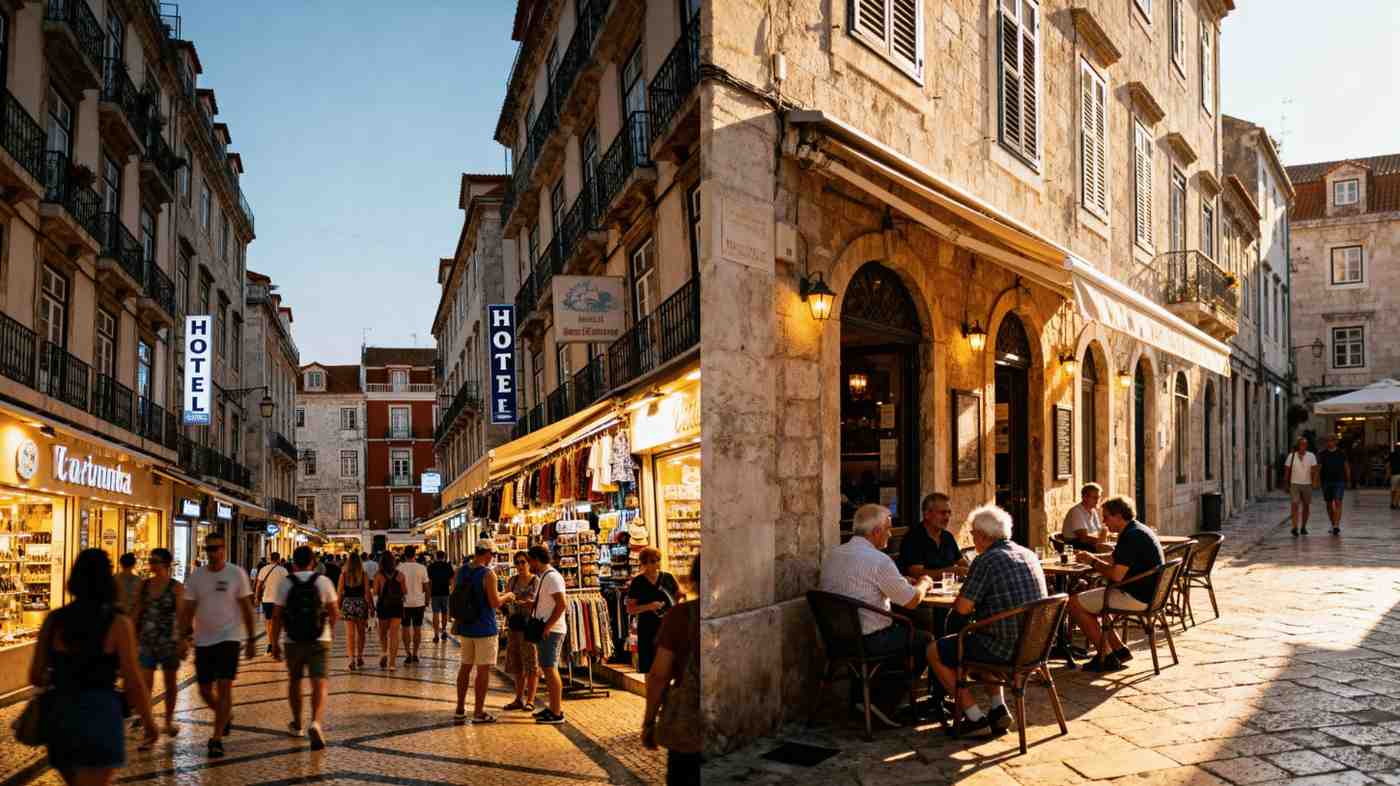
Living like a local is where Airbnb truly shines. Staying in residential neighborhoods gives you a genuine feel for how people actually live in that city.
You’ll shop at neighborhood markets, eat at local cafes, and interact with residents. It’s a more immersive experience that goes beyond typical tourist attractions.
Many hosts also share insider tips about hidden gems, local events, and the best places to eat that you won’t find in guidebooks.
Hotels, on the other hand, cater to tourists. They’re usually in commercial or tourist-heavy areas, surrounded by souvenir shops and chain restaurants.
The experience is more polished and predictable, which some travelers prefer. You get the comfort of knowing exactly what to expect, but you might miss out on authentic cultural experiences.
If blending in and experiencing daily life matters to you, Airbnb wins. If you want convenience and a vacation bubble, hotels deliver that perfectly.
Airbnb Vs Hotel: Pros, Cons, and Final Verdict
Here’s what you need to know about each option. This breakdown will help you see the clear advantages and drawbacks of both Airbnb and hotels at a glance.
| Aspect | Airbnb | Hotel |
|---|---|---|
| Pros | • More space with entire homes or apartments • Full kitchens help save money on meals • Lower cost per person for groups and families • Authentic local neighborhood experience • Unique properties with character and personality • Flexible check-in times with many hosts • Laundry facilities for longer stays |
• Reliable and consistent quality • 24/7 front desk support for any issues • Daily housekeeping with fresh towels and linens • On-site amenities like gyms, pools, and restaurants • Straightforward check-in and check-out process • Loyalty programs and points for regular travelers • Better for short stays with no cleaning fees |
| Cons | • Hidden fees like cleaning and service charges • Quality varies widely between properties • No immediate on-site support if problems arise • Host responsiveness can be unpredictable • More coordination needed for check-ins • Photos sometimes don’t match reality • Last-minute cancellations can happen |
• Less space, especially for groups or families • Standardized rooms with less character • Higher nightly rates for comparable space • Eating out for every meal gets expensive • Usually located in touristy areas • Less privacy with shared hallways and walls • Can feel impersonal and corporate |
Final Verdict: Choose Airbnb for group travel, longer stays, or local experiences. Choose Hotel for convenience, short trips, and consistent service.
Wrapping It Up
So there you have it, the complete Airbnb vs Hotel breakdown. Neither option is universally better; it all depends on your specific travel needs.
Hotels win for convenience, short stays, and reliable service. Airbnbs excel when you need space, want to save money on meals, or crave an authentic local experience.
Before booking your next trip, ask yourself: How long am I staying? Am I traveling solo or with others? Do I want tourist comforts or local vibes? Your answers will point you in the right direction.
Now it’s your turn: consider what matters most for your upcoming trip, and choose the option that best fits your style and budget.


