Affordable Living Without Compromise: Rethinking Urban Housing
There are close to 1.6 billion people globally facing housing inadequacy every day as of early 2026. It’s a crisis of sorts that forces middle-class professionals to choose between extreme commutes or cramped apartments.
But as middle-density housing gains popularity, the picture is changing. Dwellers have a refreshing alternative that provides high-quality design without the luxury price tag. Rethinking how we utilize urban land can help us finally build cities that welcome everyone back home.
The Shift Toward Gentle Density
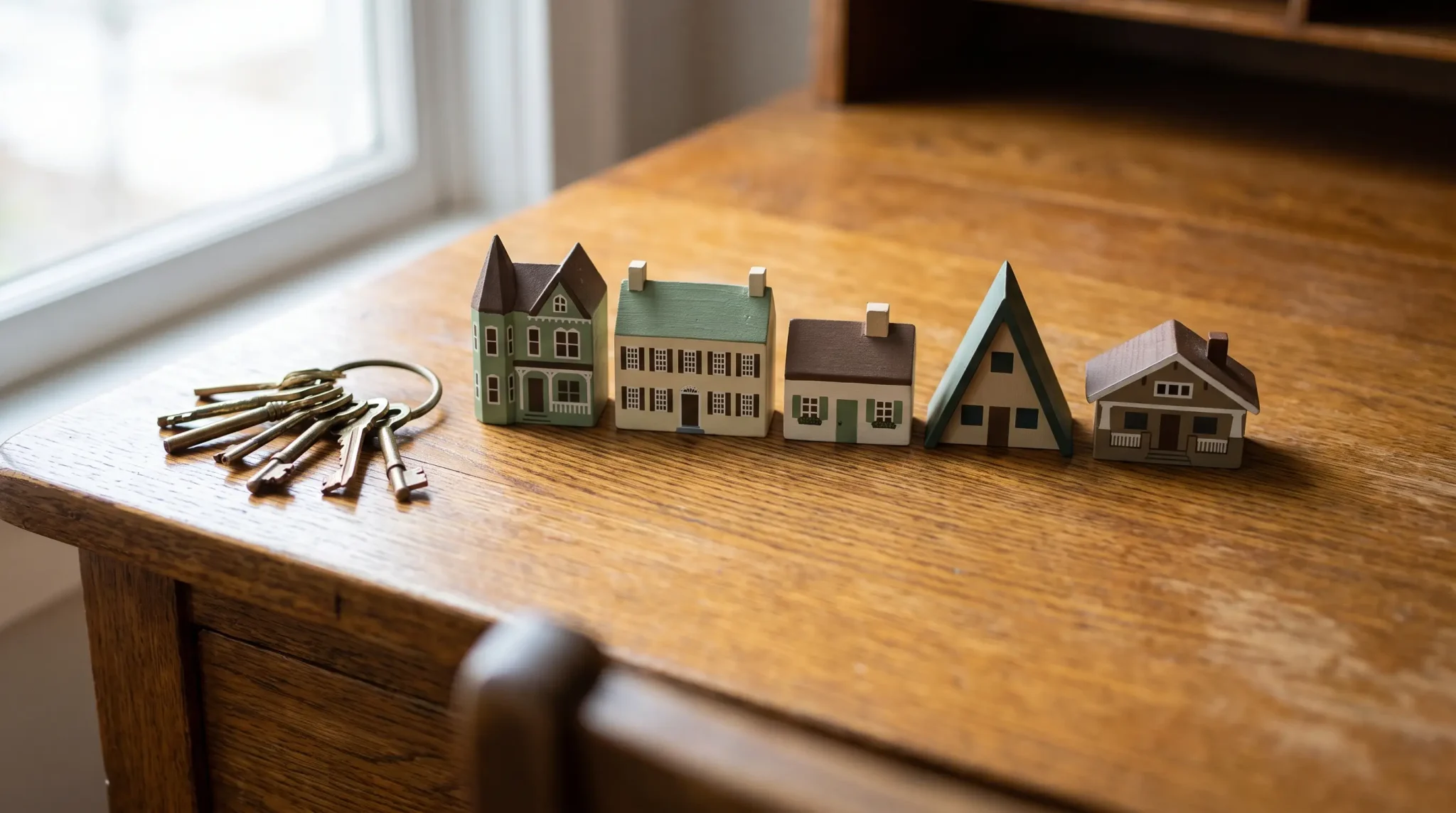
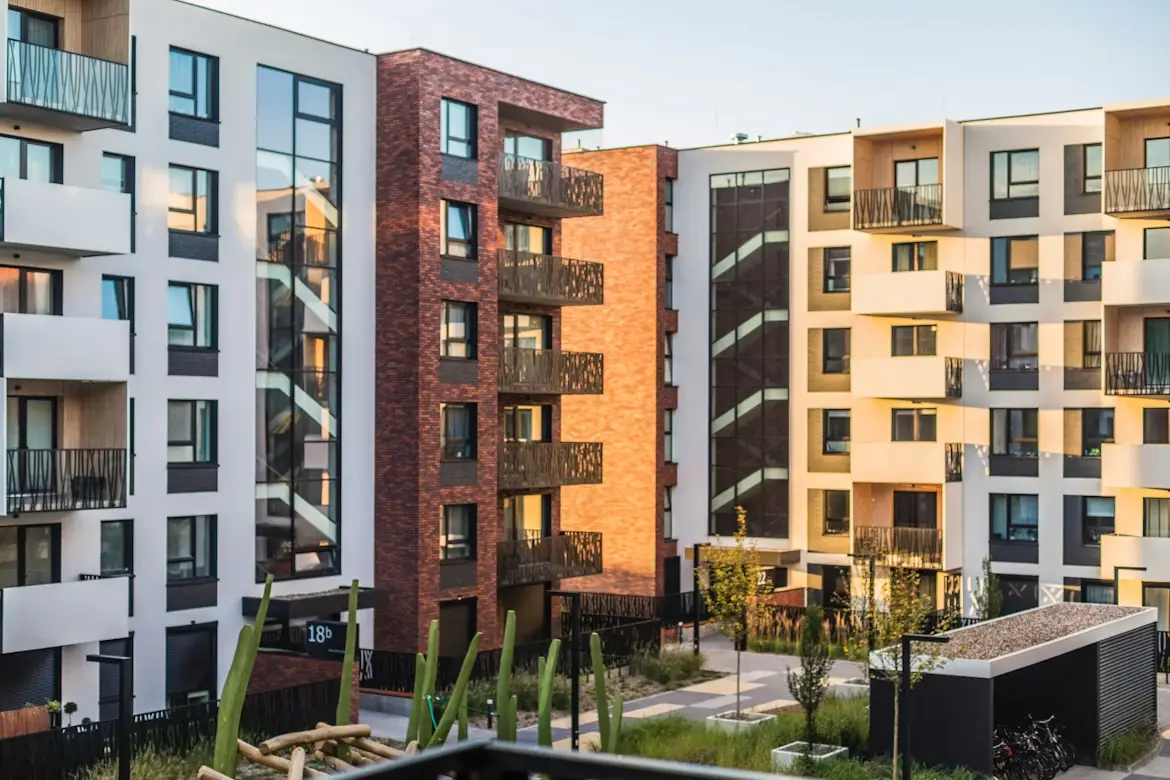
The traditional binary of high-rise towers or sprawling suburban estates has left a massive gap in neighborhoods. This “missing middle” is where you will find duplexes, townhomes, and courtyard apartments that provide human-scaled living.
Middle density structures allow more people to live in desirable areas without destroying the existing architectural character or local charm. Density rises, communities thrive, the neighborhood finds its balance.
Redefining Neighborhood Value
Property value in the modern real estate market is increasingly tied to its integration within a vibrant and functional ecosystem, not just its individual square footage. It’s a shift away from massive, isolated developments that often lack a sense of place or connection to the street.
But builders and planners can create environments that feel like genuine communities rather than anonymous corridors of glass and steel. They just have to focus on human-scaled architecture.
A Case Study
Here’s an example for those looking into housing trends within a specific regulatory landscape of the West Coast. In California, you can contact Middle Housing Partners to learn more about available projects or opportunities. Key to this approach is prioritizing land efficiency and shared resources, so new developments add to the local culture rather than detracting from it through excessive bulk or private isolation.
The transition to middle housing relies on several key features:
- Proximity to transit hubs that reduce the total cost of living
- Flexible floor plans that accommodate remote work and growing families
- Walkable access to essential services and local green spaces
- High-quality materials that ensure long-term structural durability
Strategies for Urban Expansion
Expanding the housing supply requires a departure from outdated zoning laws that favor single-family homes exclusively. Modern urban planning now prioritizes the integration of varied housing types within a single block to foster economic diversity.
Adaptive Reuse
Converting underutilized commercial buildings into residential units is a sustainable way to breathe life back into downtown cores. It saves on construction energy while preserving historical facades too.
Infill Development
Building on vacant or underused lots within existing city limits prevents urban sprawl and makes use of current infrastructure. It is a cost-effective method for increasing unit counts without massive new utility investments.
Mixed-Use Zoning
Placing residential units above retail or office spaces creates 24-hour neighborhoods that are safer and more vibrant. This synergy supports local businesses while providing residents with unparalleled convenience.
The Micro-Infrastructure of Middle Housing
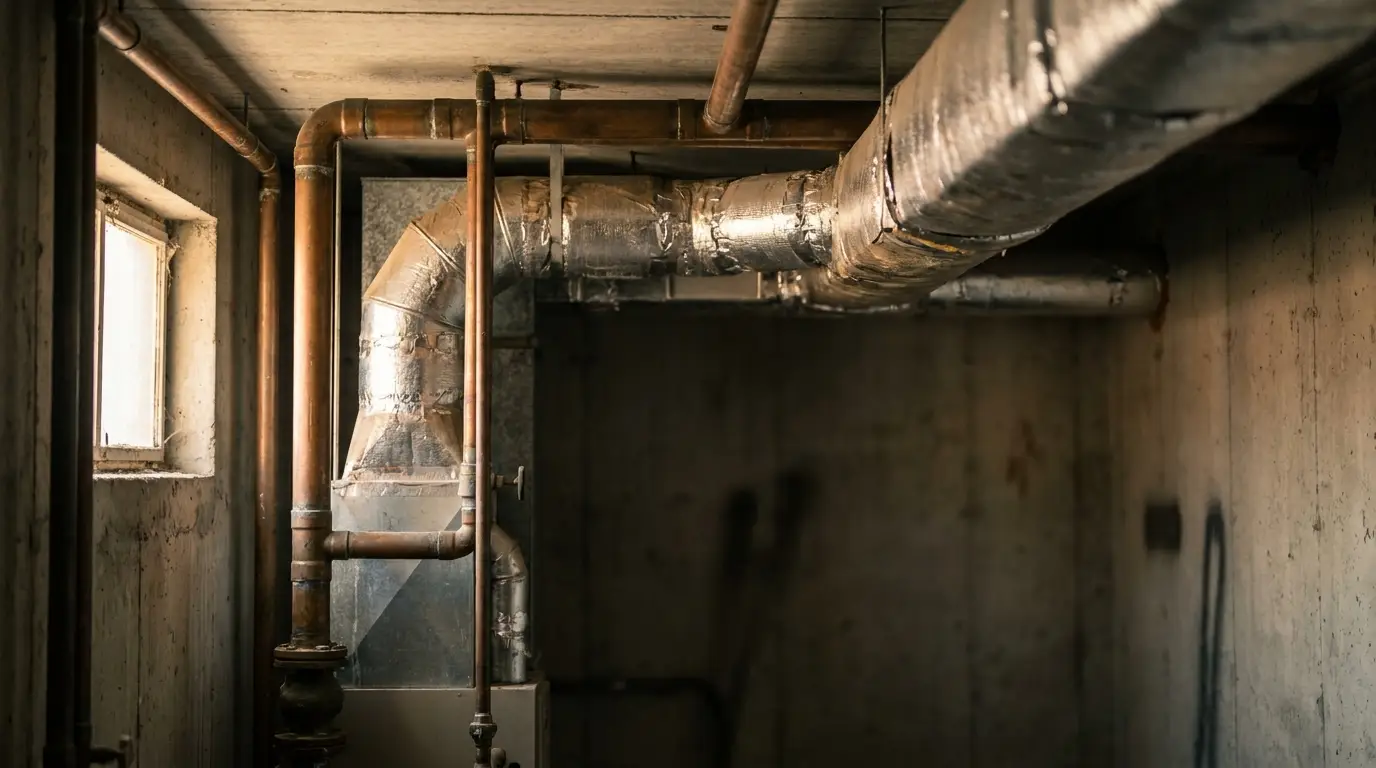
Affordability is often found in the hidden efficiencies of shared systems that modern middle-density developments prioritize. By consolidating plumbing stacks, HVAC routing, and structural loads, these buildings reduce the raw material cost per unit without sacrificing interior comfort.
Systems align, the costs drop, efficiency defines the modern home. This surgical approach to engineering allows for high-end finishes in the areas residents touch most, such as kitchens and baths.
Maximizing a smaller footprint requires a strategic approach to shared amenities:
- Centralized waste management systems that reclaim valuable floor space
- High-efficiency shared water heating loops that lower individual overhead
- Integrated smart-grid technology that balances energy loads across the structure
Economic Realities of Modern Construction
Building these middle-density units is not just a design choice but a financial necessity in a market where home prices have risen 53% since 2019. High costs for labor and materials mean that efficiency is the only way to keep final prices within reach of young families. Many developers are now providing educational resources about trade careers to help bolster the local workforce and keep project timelines on track.
The Longevity of Adaptive Design
Focusing on the long-term viability of these buildings ensures they remain affordable for decades. Industry reports have shown how investing in adaptive reuse provides a strong business case for sustainable urban growth. Utilizing existing structures can help cities avoid the high environmental and financial costs of demolition.
Building a Resilient Urban Future
The path to a livable city requires championing housing that serves the people who actually power our local economies. When we prioritize the missing middle, the urban core remains a place of opportunity and connection for all. Explore the blog for more reads on housing insights and home improvement guides for a deeper look into making the most of your urban lifestyle.