Accessible Bathrooms: 7 Key ADA Approved Adjustments for Safety and Comfort
A well-designed bathroom can be a sanctuary — but for individuals with mobility challenges, it can also be a source of risk. Slippery floors, tight spaces, and hard-to-reach fixtures can quickly turn everyday routines into stressful or even dangerous tasks. That’s why accessibility isn’t just a convenience — it’s a necessity.
Whether you’re caring for an aging parent, planning for your own future needs, or modifying a space after an injury or illness, designing with safety and usability in mind can make all the difference. Fortunately, the Americans with Disabilities Act (ADA) provides clear guidelines that can be adapted to home environments. These adjustments not only improve function but also support independence, confidence, and peace of mind.
Here are seven of the most important ADA-compliant updates that can transform a bathroom into a safer, more comfortable space for everyone.
1. Clear Floor Space for Easy Mobility

One of the most critical elements in an accessible bathroom is sufficient floor space. The layout should allow individuals using wheelchairs, walkers, or other mobility aids to move comfortably and turn safely. Ample space near toilets, showers, and sinks not only improves function but also reduces the risk of accidents.
2. Low-Threshold or Roll-In Showers
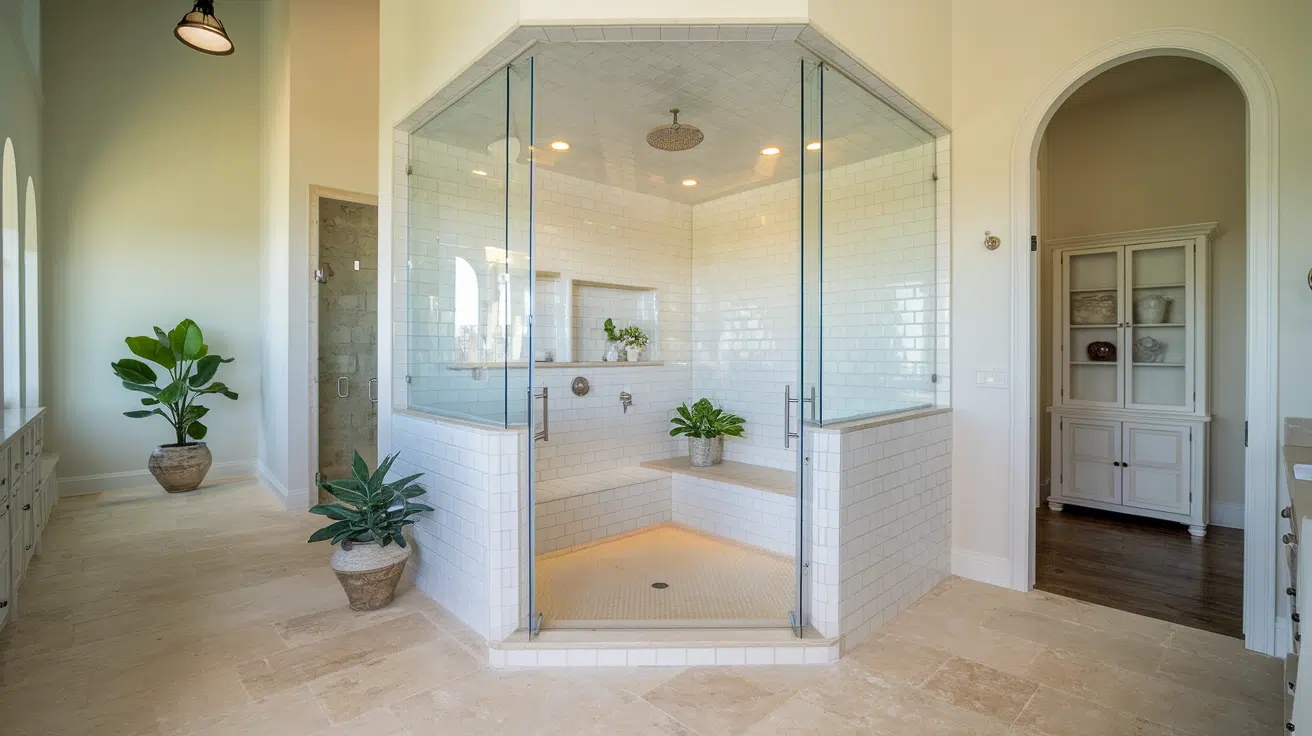
Traditional tubs and shower curbs can be hazardous. Replacing them with low-threshold or handicacurbless showers allows for easier entry and exit — especially for wheelchair users or anyone with balance issues. These designs not only improve safety but also simplify daily routines for both users and caregivers. If you’re exploring full conversions, you might find it helpful to look into how bathroom remodeling experts in Baltimore County typically approach accessible shower installations.
3. Strategically Placed Grab Bars
Grab bars offer crucial support throughout the bathroom. Common areas include beside the toilet, inside the shower, and near entryways. Proper placement and installation — typically at heights that support both standing and seated users — can make a major difference in both safety and confidence.
4. Accessible Controls and Fixtures
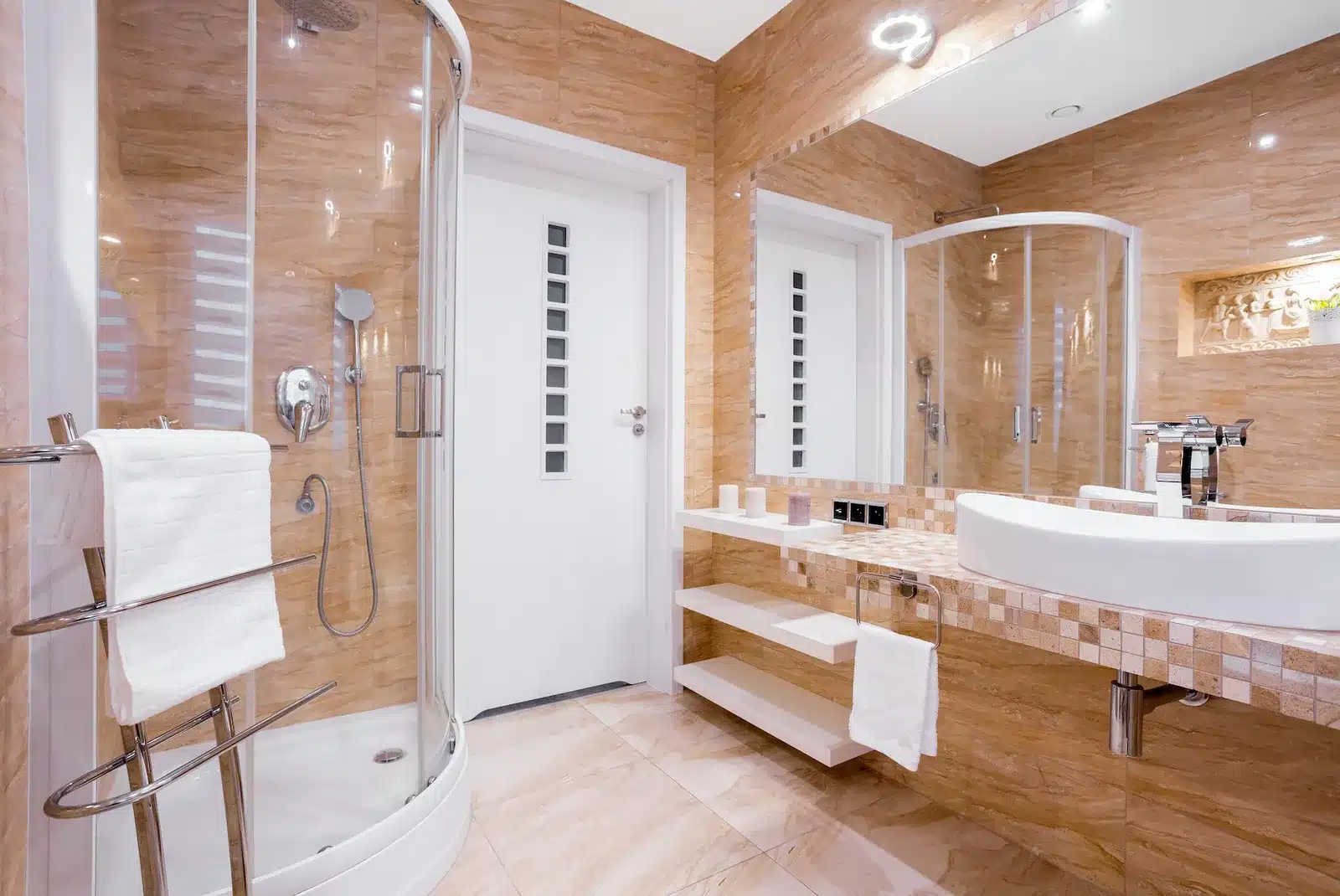
Faucets, showerheads, and other controls should be easy to reach and operate, even for individuals with limited strength or dexterity. Lever-style handles, hand-held showerheads, and reachable shelves help eliminate strain. These small changes significantly enhance daily comfort and functionality. Many professionals who specialize in handicap bathroom remodeling incorporate these upgrades as standard practice.
5. Shower Seats and Transfer Benches
A fold-down seat or built-in bench in the shower is not only convenient, it’s essential for those who cannot stand for long periods or need to transfer from a wheelchair. The seating should be securely mounted, water-resistant, and positioned to allow safe movement within the shower area.
6. Non-Slip Flooring and Proper Drainage
Bathroom floors are prone to becoming wet and slippery, so choosing the right flooring material is key. Non-slip surfaces, paired with thoughtful drainage design, help prevent puddling and reduce fall risk. Sloped shower floors with integrated drains are especially effective in curbless shower setups.
7. Smart Layout for Toilets, Sinks, and Fixtures
Every fixture in the bathroom should be positioned with accessibility in mind. Sinks should allow space underneath for wheelchairs, while toilets should be at a height that supports safe transfers. You can explore more on this in these ADA-friendly bathroom counter height guidelines, which outline key measurements to ensure accessibility and comfort. Light switches, towel racks, and mirrors should all be within comfortable reach, minimizing the need for bending or stretching.
Final Thoughts
Creating an ADA-compliant bathroom isn’t just about following regulations, it’s about supporting independence, comfort, and long-term peace of mind. Whether you’re upgrading for aging in place or accommodating a specific mobility need, these seven adjustments offer a strong foundation.
Good lighting is often overlooked but plays a critical role in bathroom safety. An accessible bathroom should have bright, even lighting to reduce shadows and improve visibility especially around mirrors, showers, and pathways.
Motion-activated lights, illuminated switches, and contrasting colors between walls and fixtures can also assist users with visual impairments or cognitive challenges in navigating the space confidently.
For homeowners planning a remodel, it’s smart to work with professionals who understand how to integrate accessibility into beautiful, functional designs. With the right layout and features, you can create a bathroom that meets today’s needs while preparing for tomorrow’s possibilities.