A Simple Guide to Texture in Interior Design
Texture plays a big role in how a room feels. Texture in interior design is all about mixing different surfaces, materials, and finishes to add depth and comfort.
The good news is that adding texture doesn’t mean a full makeover. Small changes can make a big difference.
In this guide, you’ll learn what texture really means, why it matters, and easy ways to add it to any room. These ideas work for all styles and budgets, and they’re simple to try at home.
What Texture Means in a Room
Texture in a room is about how surfaces look and feel. It’s the mix of soft, rough, smooth, shiny, or matte elements that give a space depth.
Texture can come from fabrics, furniture, walls, floors, and decor. Even simple rooms already have texture, but the right mix makes them feel warm, balanced, and complete.
Without texture, a space can feel flat or boring, no matter how nice the colors or furniture are.
Tactile Texture vs. Visual Texture
| Type of Texture | What It Means | Simple Examples |
|---|---|---|
| Tactile Texture | Texture you can physically feel | Knit throws, velvet cushions, rough wood |
| Visual Texture | Texture you can see, but not feel | Patterns, printed rugs, wallpaper, faux finishes |
Both types work best when used together to create a layered and interesting space.
Texture vs. Pattern
| Feature | Texture | Pattern |
|---|---|---|
| What It Is | How a surface feels or looks | A repeated design or shape |
| How It’s Used | Adds depth and dimension | Adds visual interest and movement |
| Can You Feel It? | Yes, in many cases | No, it’s mostly visual |
| Common Examples | Wood grain, velvet, stone, knits | Stripes, florals, checks, prints |
| Best Used For | Making a room feel warm and balanced | Adding style and personality |
Texture and pattern work best together, with texture grounding the space and pattern adding energy.
Why Texture Matters in Interior Design
Texture is what brings a room to life. It adds depth, warmth, and comfort, even in simple or neutral spaces. Without texture, a room can feel cold or unfinished.
Key reasons texture matters:
- It makes rooms feel cozy and inviting
- It adds interest without adding more color
- It helps balance smooth and hard surfaces
When texture is used well, a room feels complete, comfortable, and easy to live in.
How to Add Texture to a Room
Adding texture is one of the easiest ways to make a room feel warm and finished. You don’t need big changes. Small updates, when done right, can add depth and interest fast.
1. Start with Large Surfaces

Big surfaces set the base for texture in a room. Floors, walls, and windows are great places to begin. A rug can soften hard flooring and add warmth underfoot. Curtains in linen or cotton add a soft layer and help a room feel complete.
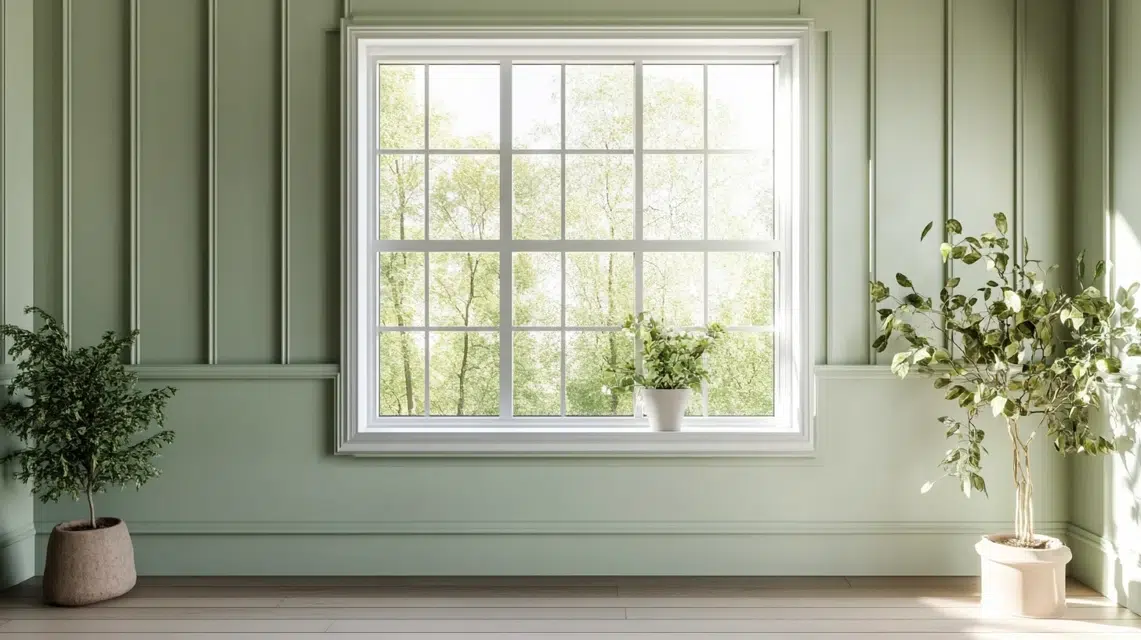
Even walls can add texture through paneling, subtle wallpaper, or a plaster-style finish. When these surfaces have texture, the rest of the room feels more balanced.
2. Layer Textiles Thoughtfully

Textiles are an easy and flexible way to add texture. Mix different fabrics instead of using just one type. For example, pair smooth cotton cushions with a chunky knit throw.
Add a wool or woven rug to ground the space. The key is contrast, not clutter. Each fabric should feel different but still work well together.
3. Mix Materials in Furniture and Decor

Using different materials keeps a room from feeling flat. Combine wood with metal, glass with stone, or leather with fabric. This mix adds natural contrast and visual interest.
Even small decor items like trays, lamps, or side tables can help. When materials vary, the room feels layered and more lived-in.
4. Use Finish and Sheen for Contrast

Texture isn’t only about fabric or rough surfaces. Finish and shine also matter. Mix matte and glossy items to create depth.
For example, pair a matte wall with shiny hardware or a glossy vase. This contrast helps light bounce around the room and keeps it from looking dull.
5. Add Natural and Handmade Elements

Natural and handmade items bring warmth and character. Think woven baskets, ceramic vases, or wooden bowls.
These pieces often have small imperfections that make a space feel relaxed and real. They also help soften modern or clean-lined rooms without making them feel busy.
Texture Interior Design Room Ideas
Texture looks different in every room, but the goal is always the same. You want the space to feel comfortable, balanced, and visually interesting. Here’s how texture works in different areas of the home.
1. Living Room

The living room benefits from layered comfort. Start with a textured rug to anchor the seating area. Add cushions in different fabrics, like linen, velvet, or wool.
A mix of soft seating and solid furniture creates balance. Even small details, like a woven lamp shade or wooden coffee table, can add depth and warmth.
2. Bedroom

Texture in the bedroom helps create a calm and cozy feel. Layer your bed with sheets, a quilt, and a throw in different fabrics.
Use upholstered or wooden furniture to add contrast. Soft rugs underfoot and textured curtains also help the room feel restful. Keep the color palette simple and let texture do the work.
3. Kitchen and Dining Room

Kitchens often have many smooth surfaces, so texture helps soften the look. Wooden stools, stone counters, or ribbed glass cabinets add interest.
In dining areas, textured placemats, linen napkins, or a wooden table can warm things up. These small touches keep the space feeling welcoming, not cold.
4. Bathroom

Bathrooms can still feel warm with the right texture. Use stone, fluted details, or matte finishes to add depth. Soft towels, woven storage, or a textured bath mat balance hard surfaces.
Stick to a few textures so the space stays clean and easy to maintain.
Layering Textures Like a Pro
Layering texture is about balance, not adding everything at once. When done right, it makes a room feel rich and put together.
- Mix soft and hard elements: Pair fabrics with wood, metal, or stone
- Repeat textures: Use the same material in more than one spot for flow
- Keep colors simple: Let texture stand out instead of adding more shades
When textures work together, the room feels calm, complete, and easy to enjoy.
Common Texture Mistakes to Avoid
Texture can make a room feel warm and finished, but only when it’s used with care. Small missteps can make a space feel messy or unbalanced instead of cozy.
- Adding texture without a plan: Random textured pieces can clash and make the room feel scattered. Pick a few textures that work well together.
- Overloading one area: Too much texture in one spot can feel heavy. Spread it out so the room feels even.
- Ignoring comfort: Some textures look good but don’t feel good. Make sure key pieces are soft and easy to use.
- Forgetting about scale: Very chunky textures can overwhelm small rooms. Choose sizes that fit the space.
Avoiding these mistakes helps the texture feel natural and balanced.
Conclusion
Texture is what turns a plain room into a space that feels warm and inviting. It adds depth, comfort, and balance without needing bold colors or major changes.
By mixing different materials, fabrics, and finishes, you can make any room feel more complete and lived in. The key is to start small and build slowly.
If your room feels flat or unfinished, texture is usually what’s missing.
Pick one space in your home and try adding just one textured element today. Small steps can lead to big visual changes.