Why Baseboards Get Ignored (And Why That Costs You)
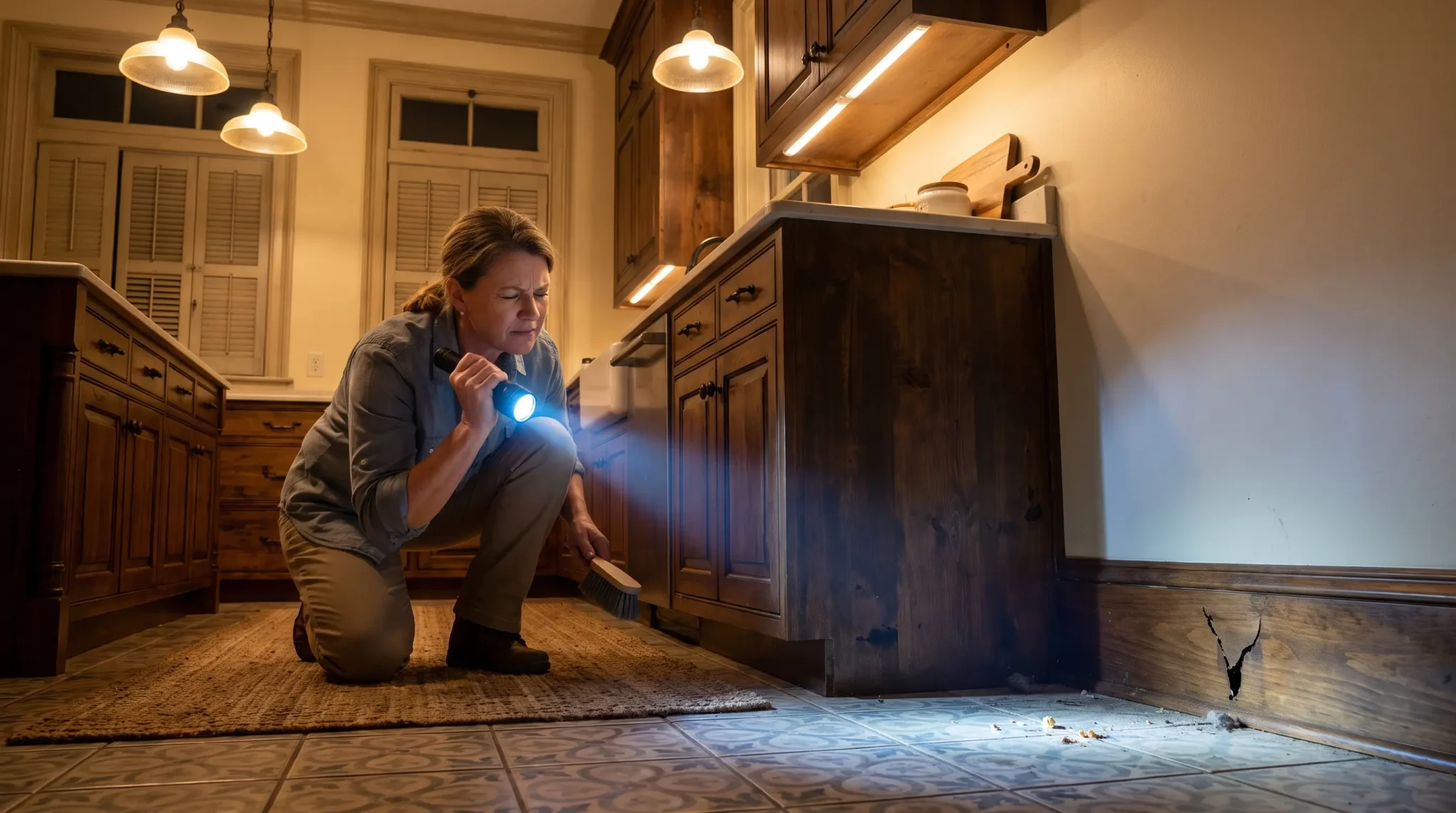
Baseboards are the invisible workhorses of your home. They sit low, stay quiet, and collect everything: pet hair, dust, dirt tracked in from outside, crumbs from the kitchen, shoe scuffs from living. Yet most people skip them during regular cleaning, and when baseboards finally get attention, the damage is already done. Dirty baseboards don’t just look bad; they signal neglect to anyone walking through your door, and they harbor the exact debris patterns that can damage your walls and floors if left unchecked. Understanding why baseboards get forgotten, and how to bring them back into your routine, transforms how your home actually feels and lasts.
Key Takeaways
- Baseboards collect dirt, dust, and pet hair faster than most surfaces but remain invisible because they’re at eye level when sitting and below eye level when standing.
- Neglected baseboards allow grime buildup that can damage wall paint, encourage dust mite colonies, and signal an overall lack of maintenance to visitors.
- A simple monthly baseboard routine takes 10 to 15 minutes for a full house and prevents expensive wall and floor damage while keeping your home looking sharp.
- Professional cleaning services, like home cleaning in portsmouth, include baseboard care as part of recurring deep cleans so busy households don’t have to choose between baseboards and life.
Why It Matters
Baseboards fail the visibility test. When you’re doing your regular weekly vacuum or wiping down counters, your eyes are drawn to surfaces at arm height or above. Baseboards, sitting at ankle level, literally disappear from your mental checklist. They’re there, you see them dozens of times a day, but your brain categorizes them as “background” rather than “to-do.”
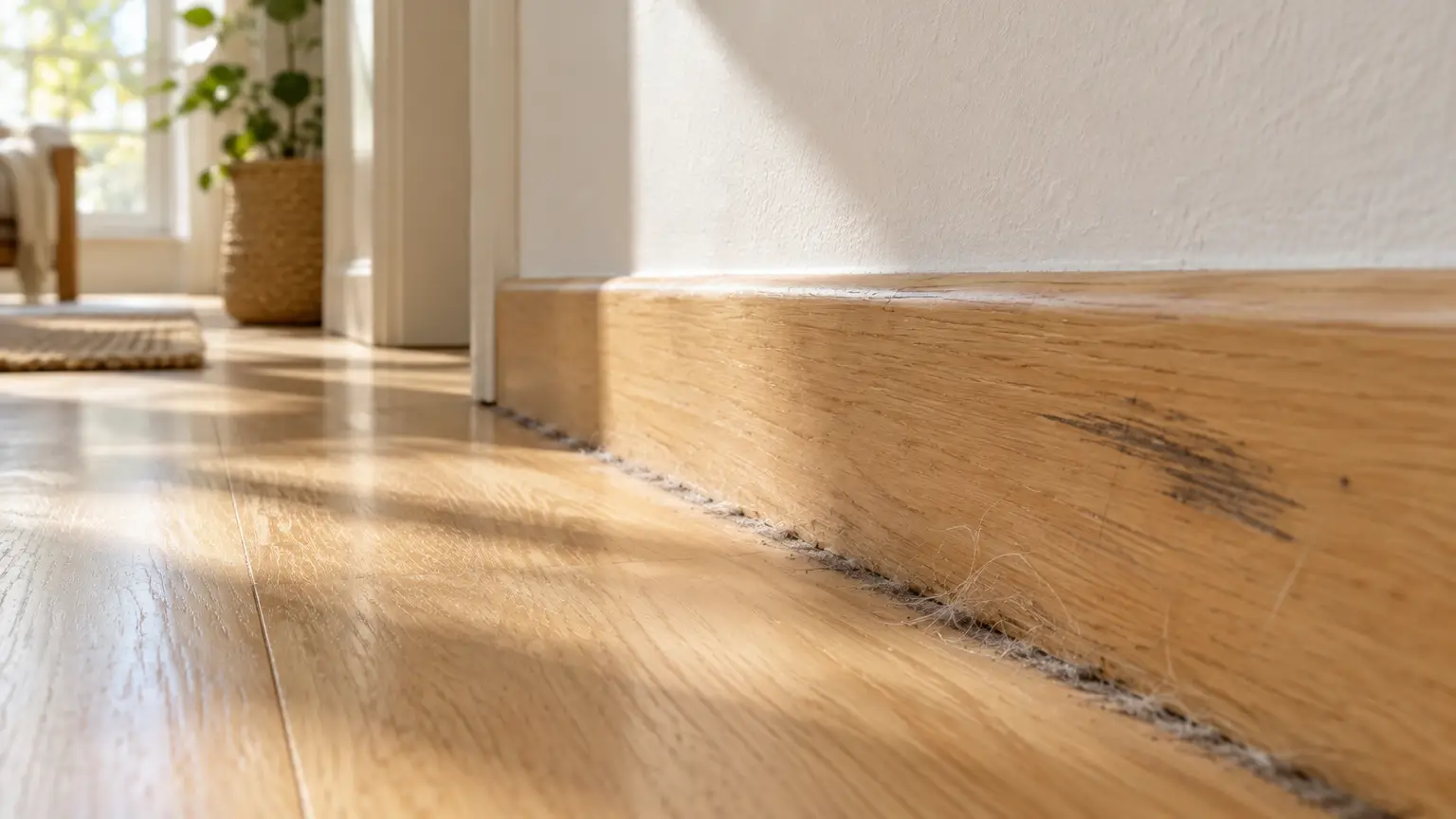
The problem is that baseboards don’t stay invisible to dirt. They’re positioned exactly where floor dust gets kicked up, where pet fur escapes vacuum cleaners, where spills splash during mopping, and where air currents push the finest particles. A baseboard that’s been neglected for two months collects a film of grime that, if left alone, can actually begin to damage the wall paint above it by trapping moisture and creating micro-environments for mildew growth. Worse, that buildup signals to anyone stepping into your home that cleaning isn’t a priority, which undercuts all the effort you’ve put into everything else.
For renters and anyone concerned about property condition, ignored baseboards can become a move-out liability. Landlords and inspectors absolutely notice baseboard cleanliness during final walkthroughs, and the buildup of scuffs, marks, and grime can result in cleaning fees or security deposit deductions that could have been prevented with a few minutes of attention every month.
The Real Cost of Invisible Maintenance
When baseboards get skipped month after month, three things happen: They accumulate a sticky, dusty film that becomes harder to remove with each passing week; they develop visible scuff marks from foot traffic and furniture movement that become increasingly permanent; and they trap moisture and dust that can subtly damage the wall paint directly above them.
The sticky film layer forms because dust combines with moisture from cooking, showers, and general humidity. A quick damp cloth cleans this away easily in the moment, but after weeks, it hardens into a film that requires scrubbing. If left for months, the film becomes a breeding ground for dust mites and can trigger respiratory sensitivity in people who are already prone to allergies.
Scuff marks tell a different story. Those dark, stubborn marks from shoe soles and furniture legs start as surface marks but can actually become permanent if the baseboard finish itself gets damaged. Once the protective coat is compromised, the actual material beneath (usually painted wood or plastic) starts to wear, and no amount of cleaning brings back what’s been lost. This is especially damaging in high-traffic areas like hallways, kitchens, and anywhere furniture gets moved regularly.
The moisture issue is subtle but real. Baseboards sit where walls meet floors, and that joint is prone to moisture buildup from spills, wet mopping, and humidity. A dusty baseboard traps that moisture against the wall, and over time, paint peels, mold spots appear, and the wall itself can begin to warp or weaken. In bathrooms and kitchens, this risk is highest.
How Baseboards Disappeared From Your Routine
The modern cleaning routine evolved around visibility and frequency. Weekly vacuuming, daily kitchen wiping, bathroom surface cleaning, and laundry all have built-in visibility cues. You see the dirt on the kitchen counter immediately. You notice bathroom mirrors need wiping. But baseboards? They fade into the visual background so completely that even very organized cleaners forget them.
This happens partly because traditional cleaning guides separate “floor cleaning” and “wall cleaning” into different tasks. Vacuuming and mopping get assigned to floor day, while wiping and dusting get assigned to surface day. Baseboards, sitting in between, fall through the crack. Most people finish mopping and call it done, even though the baseboard next to where they mopped still has dust and grime.
Another reason is that baseboards don’t visibly get “dirty” in a dramatic way. A kitchen counter covered in crumbs is impossible to ignore. A bathroom mirror covered in spots is obvious. But a baseboard gets gradually dirtier in ways your eye doesn’t register until the damage is already visible. By the time you notice a baseboard needs serious cleaning, it’s usually because a guest has pointed it out or you’ve seen a photograph of your own home and realized how bad it looks.
A Practical Baseboard Strategy That Actually Works
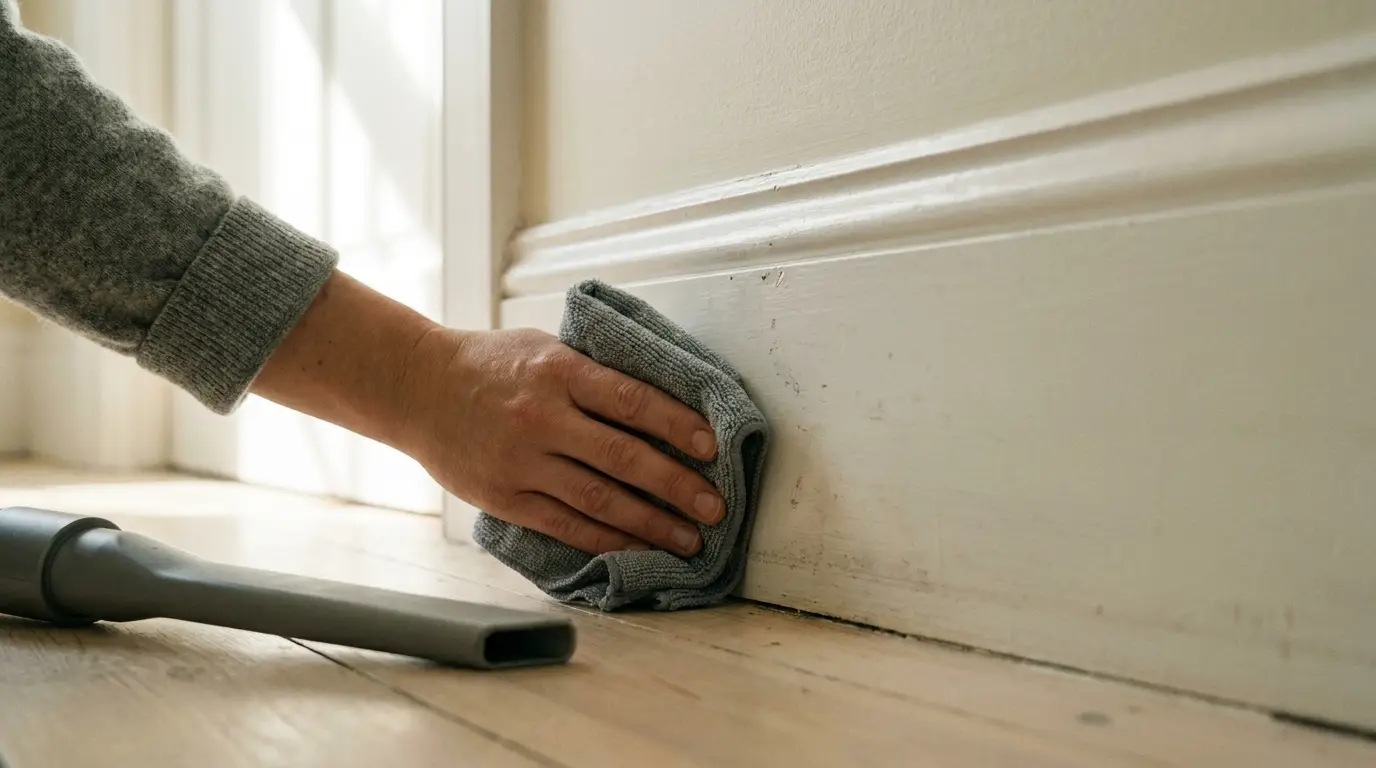
The solution is not to add another chore to an already full life. Instead, integrate baseboards into existing cleaning moments using a one-minute-per-room approach.
Every time you vacuum a room, spend one minute on the baseboards in that room. Use the vacuum’s attachment hose to suck up the dust and hair sitting along the base, then follow with a quick pass of a barely-damp microfiber cloth to catch the film. That’s it. For a four-bedroom house, this adds about four minutes to your weekly vacuuming routine, spread across the week if you vacuum room-by-room.
Once a month, do a deeper baseboard pass during your regular monthly cleaning. Wipe down baseboards in heavy-traffic areas (kitchen, hallway, living room) with a cloth slightly dampened with water and a drop of dish soap. Dry immediately with a second cloth. This removes the sticky film before it hardens and prevents scuff marks from becoming permanent.
For baseboards that already have stubborn grime or scuff marks, a magic eraser sponge works quickly on most finishes, though test it in a hidden corner first if you have matte or specialty finishes. The magic eraser removes marks without scrubbing hard enough to damage the surface.
A Real-World Example: The Rented Apartment
Jen, a professional in Portsmouth renting a two-bedroom apartment, realized at move-out that her baseboards were filthy. Three years of neglect had left them with sticky dust film, shoe scuffs, and visible damage in the kitchen area from spills. Her landlord’s final inspection report flagged baseboards as a cleaning deficiency and deducted $300 from her security deposit to professionally clean them. That $300 stung because it was entirely preventable; a five-minute monthly baseboard routine would have cost her zero dollars and kept her move-out experience smooth.
After that move, Jen started a simple monthly baseboard ritual during her regular cleaning Sunday. She blocks out 10 minutes, plays a podcast, and systematically wipes baseboards room by room with a damp microfiber cloth. The cleanup now takes minimal time because she’s never letting them get truly filthy. More importantly, she knows that when she eventually moves again, her baseboards will pass any landlord inspection without penalty.
Jen’s story is common for renters, but homeowners face a different cost: baseboards that look neglected can actually lower how a home feels and how much it could be worth if sold. A home with visibly dusty, scuffed baseboards reads as poorly maintained overall, even if everything else is clean.
Actionable Takeaways
- Attach baseboard cleaning to an existing habit. Pick your weekly vacuum day and add a one-minute baseboard pass to that routine using your vacuum’s attachment hose and a quick damp cloth.
- Schedule one monthly deep baseboard pass. Block 10 to 15 minutes into your monthly cleaning to thoroughly wipe baseboards in high-traffic areas with a damp cloth and mild soap solution.
- Keep a magic eraser and microfiber cloth in your cleaning supply cabinet. Having these tools visible and accessible makes quick baseboard touch-ups a natural habit rather than something you have to remember.
- Inspect baseboards during your monthly walk-through. Before you deep clean baseboards, walk through each room and note problem areas (sticky film, scuffs, visible damage). This helps you prioritize effort and catch damage early.
- If baseboards are already severely neglected, consider professional help. If your baseboards are deeply grimy or you have extensive scuff damage, a one-time professional deep clean combined with your new monthly routine will reset them to baseline and prevent future damage buildup.
Conclusion
Baseboards disappear from our cleaning routines because they’re invisible at eye level, even though they collect dirt faster than most other surfaces. That invisibility comes with real costs: damaged wall paint, permanent scuff marks, moisture damage, and security deposit deductions for renters. But the fix is simple. A one-minute baseboard routine attached to your weekly vacuuming, combined with a monthly deeper wipe, prevents all of that damage and keeps your home looking sharp without adding stress to your life. Start small, make it a habit, and you’ll be surprised how much baseboard cleanliness affects how clean your entire home actually feels.
FAQ
How often should baseboards really be cleaned?
Baseboards should get a quick vacuum-and-wipe pass weekly (at most one minute per room) and a deeper clean once a month. High-traffic areas like kitchens and hallways may need the deeper clean every two weeks if you have pets or kids. Starting with monthly is fine; you can adjust based on how quickly they get visibly dirty in your home.
Can I use the same cleaning solution on baseboards as I use on floors?
Most floor cleaning solutions are safe for baseboards, but always test first in a hidden corner. If you use a standard damp microfiber cloth with just water, or a tiny drop of mild dish soap diluted in water, you’re safe on almost any baseboard finish. Avoid harsh chemicals or heavy oil-based cleaners on painted baseboards, as these can leave residue or cause finish problems.
Why do baseboards in kitchens get dirtier faster than other rooms?
Kitchen baseboards get hit by cooking splash, grease vapor, crumbs, and spills more frequently than baseboards in other rooms. The combination of moisture, food particles, and heat creates a sticky film that accumulates faster. Kitchen baseboards typically need the deeper monthly clean while other areas might be fine with the quick weekly pass.
Will a magic eraser damage my baseboards?
Magic erasers are safe on most painted and plastic baseboards, but they can scratch matte finishes or specialty paint. Always test in a hidden corner first, and use light pressure rather than aggressive scrubbing. If your baseboards have a glossy finish, a magic eraser is very low-risk. If they’re matte or have a delicate finish, stick to damp cloths instead.
Should I move furniture to clean behind baseboards?
Cleaning behind baseboards (where furniture typically sits) only needs to happen once or twice a year during deep cleaning. For your regular weekly and monthly baseboard cleaning, focus on the visible front surface and edges. When you do move furniture for seasonal deep cleaning, use a vacuum attachment or damp cloth to catch the dust buildup behind.
What’s the best cloth for quick baseboard cleaning?
Microfiber cloths are ideal because they trap dust and grime without scratching, and they work effectively when barely damp (which means less risk of moisture damage). Old cotton t-shirts work in a pinch, but microfiber is worth buying because it’s reusable, lasts years, and makes the job faster. Keep one designated specifically for baseboards so you’re not hunting for a cloth when you need it.