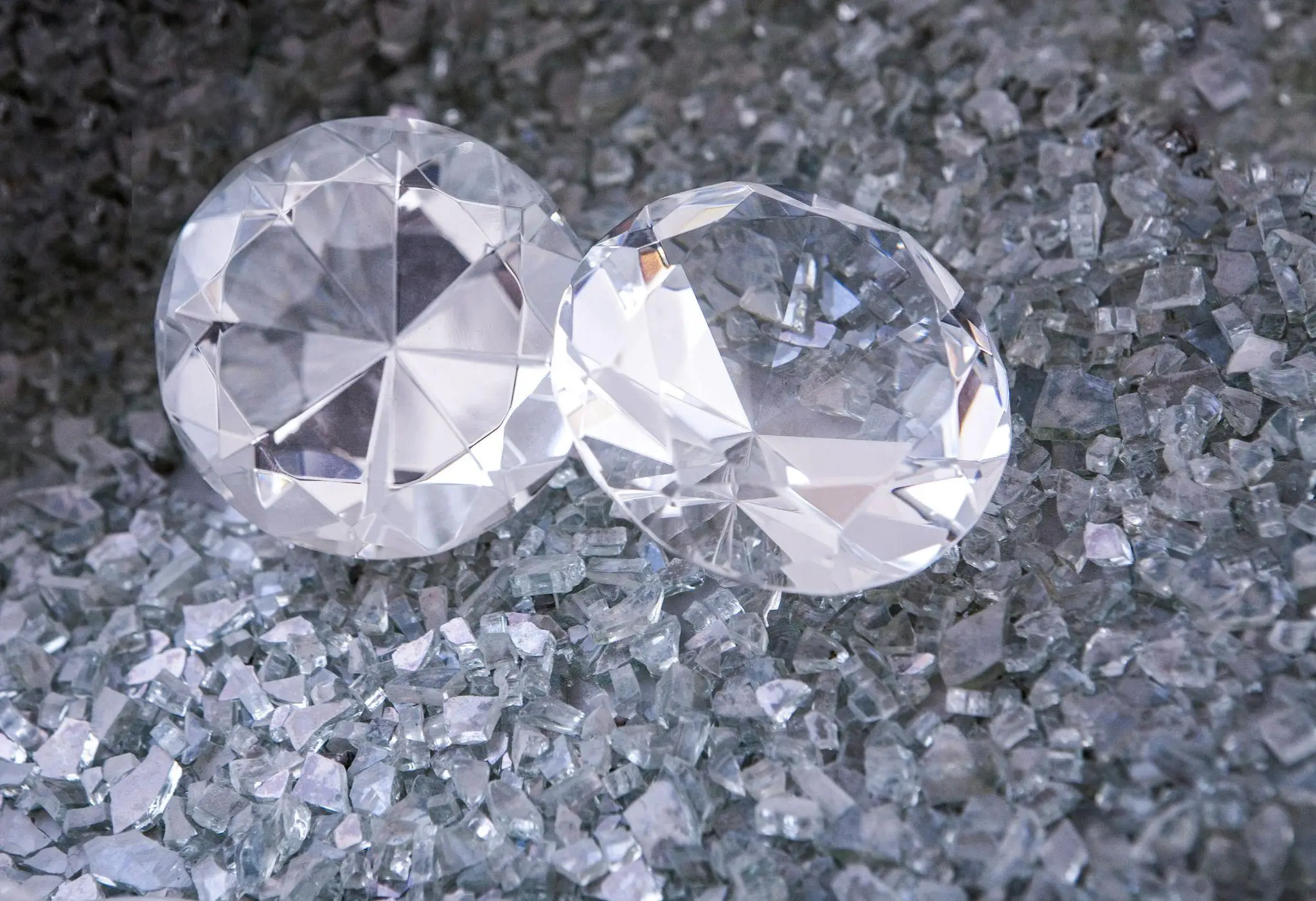
Are Lab-Grown Diamonds Legit?
The diamond industry has changed dramatically in recent years, with lab-grown diamonds becoming widely available. If you’re shopping for an engagement ring or heirloom piece, you’ve probably wondered whether lab-grown diamonds are legitimate or if you should stick with natural stones. The short answer is that both options are real diamonds, but they differ in ways that might matter to you.
The Science and the Law Behind Lab-Grown Diamonds
Lab-grown diamonds, also called synthetic diamonds, are physically, optically and chemically identical to natural diamonds, sharing the same pure carbon crystalline structure that gives them hardness and brilliance. Unlike moissanite or cubic zirconia, lab-grown diamonds are genuine diamonds created in controlled environments rather than deep within the Earth.
In 2018, the Federal Trade Commission updated its Jewelry Guides and removed the word “natural” from the basic definition of a diamond, while continuing to require clear disclosure when a diamond is lab-grown. When you purchase a lab-grown diamond, you’re buying a real diamond as long as retailers clearly disclose the origin at the point of sale.
Understand What Matters in Your Diamond
Lab-grown diamonds and natural diamonds look identical to the naked eye, but shoppers may value them differently. Lab-grown diamonds can appeal to people who want the look and chemistry of a diamond while staying within a specific budget. This makes them an appealing option for shoppers who want visual impact without focusing on natural origin.
Shoppers should also think about long-term expectations. Because laboratories can produce lab-grown diamonds at scale, their resale market may not behave the same way as the market for natural diamonds.
The ability to create these stones on demand can affect how some shoppers think about long-term value. If you ever decide to sell or trade your lab-grown diamond, resale outcomes may vary.
Natural diamonds may appeal to shoppers who place more importance on finite availability, origin and long-term heirloom meaning.
Natural diamonds are finite for practical purposes because nature is not making and delivering new mineable diamonds fast enough to replenish what’s extracted. This scarcity can contribute to their personal appeal, particularly for pieces intended to become family heirlooms passed down through generations.
The Ancient Heritage and Geological Rarity of Natural Diamonds
Laboratories can create lab-grown diamonds in a matter of weeks using advanced technology. Natural diamonds, by contrast, carry an ancient geological history that no laboratory can replicate. Most natural diamonds form within the Earth at depths of 100 miles or more, where extreme pressure and temperature conditions exist.
Natural diamonds in jewelry today are often billions of years old. Ancient volcanic eruptions transported them to Earth’s surface through rare geological processes that cannot be replicated in a laboratory. The specific tectonic and volcanic events required to bring these stones upward represent a convergence of geological forces that took place long before humans existed. This geological journey cannot be recreated, even with the most sophisticated modern technology available today.
Many natural diamonds carry a history that stretches back billions of years. For many couples and families, this ancient heritage adds a layer of meaning that lab-grown diamonds may not offer, regardless of their chemical composition.
How to Learn More About Natural Diamonds
The Natural Diamond Council serves as a premier resource for anyone interested in learning about the unique characteristics and heritage of natural stones. The organization focuses on educating consumers about the geological rarity and billion-year formation process that makes each natural diamond one of a kind.
Natural diamonds represent a finite resource with a story that stretches back through geological time. Their ancient age and the unrepeatable volcanic processes that brought them upward give them a distinct identity in the marketplace. For couples seeking engagement rings or families looking to create heirloom pieces, this heritage can be an important factor in the decision-making process.
The Natural Diamond Council provides factual information about natural diamond formation, sourcing, and sustainability practices using an educational approach rather than aggressive marketing. Its resources help shoppers make informed choices based on what matters most to their personal values and budget.
Frequently Asked Questions
Here are some common questions to consider when learning the difference between lab-grown and natural diamonds:
Are Lab-Grown Diamonds Considered Fake?
No, lab-grown diamonds are not fake. They share the same pure carbon crystal structure as natural diamonds, which gives them matching properties. The Federal Trade Commission legally recognizes them as real diamonds, provided their lab-grown origin is disclosed.
Do Lab-Grown Diamonds Hold Their Resale Value?
Lab-grown diamonds may have different resale considerations than natural diamonds. Because laboratories can produce them at scale, shoppers should think about whether long-term market perception matters to their decision. Natural diamonds may appeal to shoppers who place more importance on value.
Can a Jeweler Tell the Difference Between Natural and Lab-Grown?
Not with the naked eye. Lab-grown and natural diamonds look the same without specialized equipment. Jewelers and gemologists must use laboratory-grade instruments to detect the subtle differences in trace elements and growth patterns that distinguish lab-grown diamonds from natural ones.
Choosing the Diamond That Fits Your Story
When choosing between natural and lab-grown diamonds, both options are legitimate. The lab-grown route offers matching beauty and chemistry, while natural diamonds carry an ancient geological story and finite rarity that many couples prize as heirlooms. Your decision comes down to your budget, your values or the story you want your jewelry to tell.