9 Vaulted Ceiling Styles That Start With the Right Roof Truss Design
Roof trusses are critical to the design and styling of any roof. No matter what size a building is, there are various kinds of roof trusses that can be used to construct the roofline. If you are not aware of the various options open to you, you might be limiting the styling of the building that you are having constructed. Understanding what different truss options contribute to a construction project can help you to get the exact finished product you have been looking for.
Roof truss design is important for many reasons, and homeowners as well as contractors need to understand the options that can be accessed for various kinds of home makeover or home build projects. Let’s talk about the 9 vaulted ceiling styles that will start with the right roof truss design so that you can make more educated choices for your business or your home build.
9 Vaulted Ceiling Styles That Require the Right Roof Truss Design
There are various ways that you can get a vaulted ceiling added to your home design or home remodel. You might want to open up a space, create a focal point of interest, or just keep to traditional styling as you create a more open space in specific areas of your home or office space.
These various kinds of vaulted ceilings require that you have the right roof trusses supporting the roofline. Without correct truss support, your ceiling will not have the kind of loft and added dimension that you are looking for. It’s key to understand what kinds of trusses do what for your roofline and the interior living spaces below the roof. These are the most common options that you might want to add to your home remodel or home build to create vaulted, interesting spaces that are pleasant to spend time in.
1. Cathedral Ceiling
This style of ceiling depends on a cathedral or gable roof truss. It slopes upward from both of the exterior walls to meet up at a high center peak. This means that the outer roof pitch will need to be matched. This kind of vaulted ceiling created large living rooms and open-concept spaces.
2. Scissor Vaulted Ceiling
Scissor trusses make this kind of vaulted ceiling possible. This roof style slopes up from the center. The bottom edge of the truss has a lower angle than the outside roof. This roof type leaves lots of room for insulation, which also creates an overhead vaulted space. This is a cost-effective option that gives you ceilings with added vertical height.
3. Barrel Vault Ceilings
This style of vaulted ceiling has a smooth, rounded, tunnel-like shape. There are no sharp corners, which makes it possible to create a classic and curved overhead ceiling vault. The kind of truss that you need to have this kind of ceiling in a building is a barrel vault or curved chord truss.
4. Shed (Also Called a Single-Slope) Vault
The truss design behind this vaulted ceiling shape is a mono-pitch or shed roof truss. This roof slopes in one direction. It can rise from a lower wall to a much higher opposite wall without a center ridge running through the middle of it. This style of ceiling is most common in studios, lofts, and modern/contemporary homes.
5. Raised Tie Vaulted Ceiling
This ceiling design is made possible with the help of a raised tie truss. This is a lot like an attic truss, but the horizontal support comes from a cross-member that is lifted higher near the roof peak. This means that you have more headroom below and more space for a vaulted ceiling. This is a solid choice for mid-sized rooms where you want a vaulted ceiling but need to have lower exterior eaves.
6. Hammerbeam Vaulted Ceiling
This kind of vaulted ceiling comes from a hammerbeam timber truss. This style of ceiling requires that shorter, horizontal supports (hammerbeams) are slotted into the walls to support the upper rafters. This leaves the center space in the room open and exposed. This is a common ceiling type in high-end homes or rustic/Gothic revival buildings.
7. Flat Vault
Flat vault or custom parallel chord trusses make this kind of ceiling possible. You will get access to a mild, shallow upward-angled ceiling that doesn’t have a large or notable vertical peak with this kind of truss. This is ideal for bedrooms or areas where you need a little more headroom without a dramatic high ceiling.
8. Queen/King Post Beamed Vault
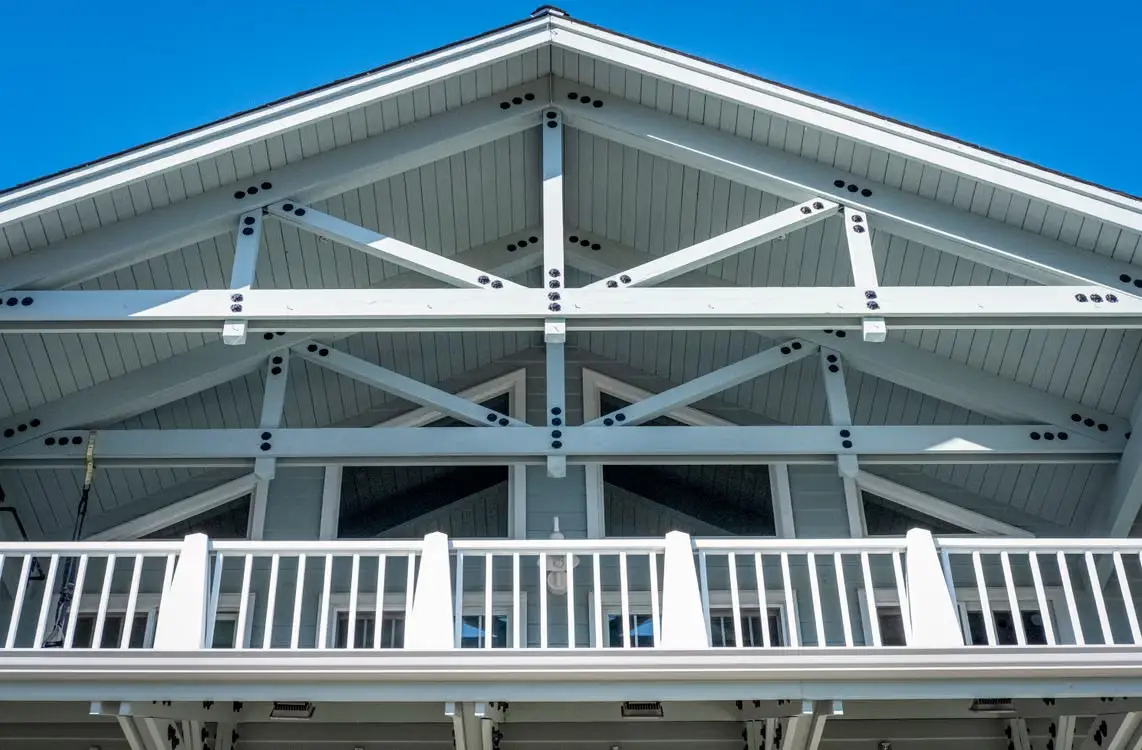
Queen-post or king-post trusses are behind this kind of roofline. This style has prominent vertical center posts and diagonal struts that draw the eye upward to a specific, central focal point. Traditional farmhouses or bold, geometric designs depend on trusses in this style.
9. Tray-Transition Vault
This kind of ceiling requires tray ceiling trusses. A flat or stepped perimeter at the lower edge is combined with a central raised vault or recessed upper tier in this kind of vaulted ceiling. Master bedrooms or great rooms often use this ceiling style to open up the space and give it dimension.
Vaulted Ceilings Can Make Living Spaces More Expansive, More Open, and More Desirable
There are so many reasons that you might want to have vaulted ceilings in a living space or even an office space. Having the extra headroom can make rooms feel more open and inviting, and it can also allow you to have more space for decorations such as artwork. Most people want to have vaulted ceilings in their home, and modern homes almost always have at least a few rooms with vaulted ceilings of some kind.
If you are building a new structure or you want to remodel your existing home or office space to add vaulted ceilings, these are the common kinds of trusses that you will need to order to create specific roof lines and interior spaces. Being sure about what your options are can make all the difference as you are planning your home upgrade or building a new property to move into.