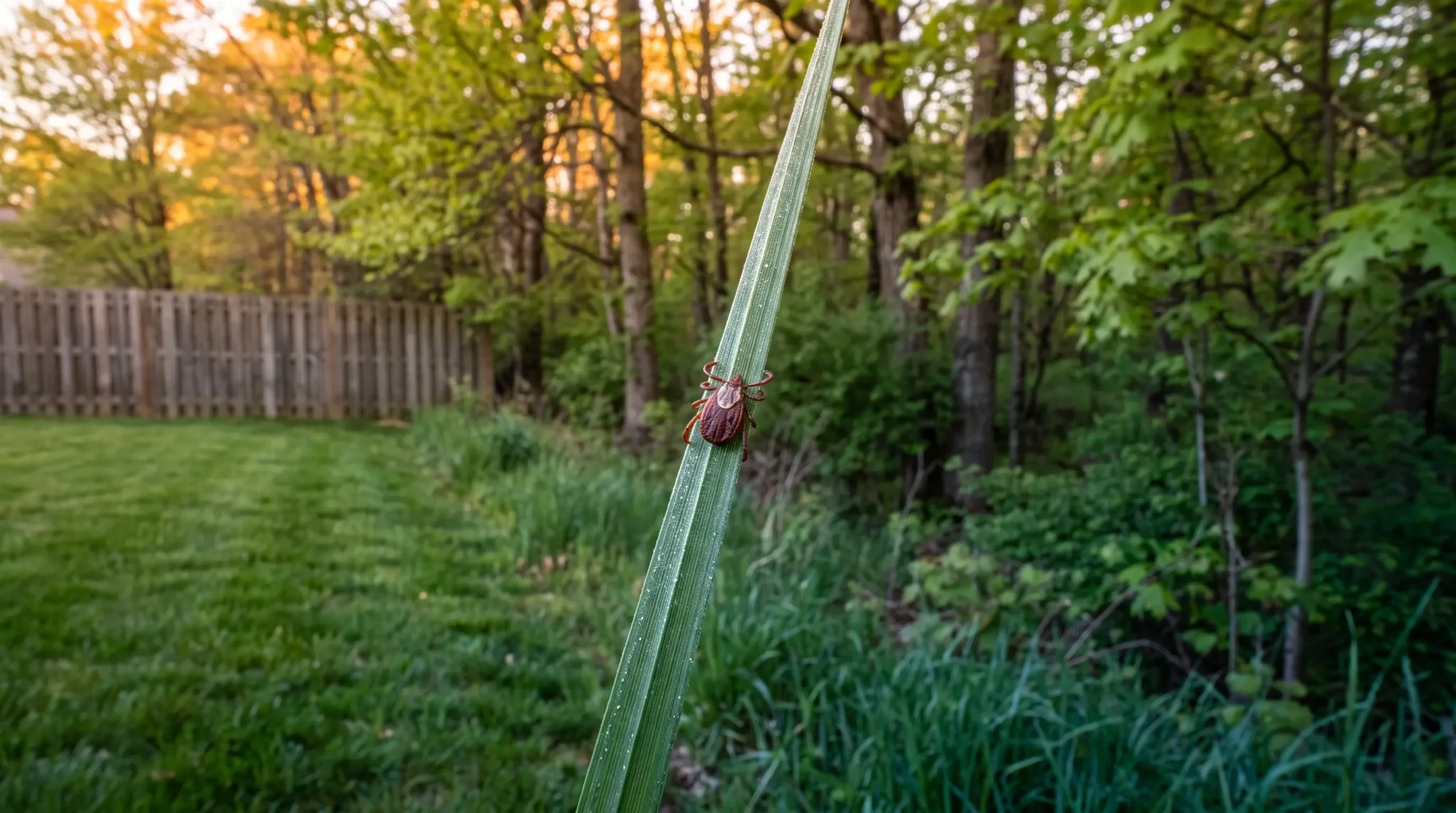
What Michigan Homeowners Should Know About the Asian Longhorned Tick
Tick season in Michigan has grown more complicated in recent years, and part of that shift comes from a relatively new arrival: the Asian longhorned tick. Homeowners who spend time outdoors, whether mowing the lawn, gardening, or letting pets roam a wooded backyard, have good reason to learn about this species. Unlike some ticks that require a specific host to reproduce, the Asian longhorned tick can multiply rapidly without mating, which allows populations to build up quickly in favorable habitat. Understanding where this tick lives, how it spreads, and what steps reduce exposure can help protect both people and animals on residential property.
Identifying the Species and Its Origins
The Asian longhorned tick, scientifically known as Haemaphysalis longicornis, is native to East Asia but has established itself in parts of the United States over the past several years. It is small, reddish brown, and easy to mistake for other common tick species at first glance. What sets it apart is its reproductive behavior. Female ticks of this species can lay thousands of eggs without needing a mate, a trait known as parthenogenesis. This means a single tick carried into a yard on a deer, a stray cat, or even a backpack can potentially start a localized population without any other tick present.
Agricultural and wildlife officials first documented this species in the eastern United States around 2017, though retrospective testing suggests it may have arrived earlier without being identified. Since then, it has been reported in numerous states, particularly in regions with a mix of woodland, pasture, and suburban development. Michigan’s diverse landscape, with its blend of farmland, forest edges, and residential neighborhoods bordering natural areas, offers conditions that could support this tick if it becomes more established.
Where Homeowners Are Likely to Encounter This Tick
Ticks in general favor transitional habitat, meaning the areas where lawns meet woods, where fields border trails, or where tall grass grows along fence lines. The Asian longhorned tick follows this same pattern. It tends to cling to vegetation at knee height or lower, waiting for a passing host to brush against it. Because of this behavior, homeowners with unmowed sections of yard, dense shrubbery, or unmanaged brush piles create inviting conditions without realizing it.
Searches for asian longhorned tick michigan typically lead homeowners to reports centered on areas with heavy wildlife traffic. Deer, raccoons, opossums, and even backyard poultry can carry ticks onto a property, dropping them off in grassy areas or near water sources. Once established, these ticks do not need a large host population to persist, since their unusual reproductive ability lets numbers grow from just a few individuals. This is part of why early awareness matters more with this species than with some other ticks that require larger host networks to sustain a population.
How Landscape Conditions Influence Exposure Risk

Several everyday landscape features can raise or lower the likelihood of encountering ticks on a residential property. Tall grass and overgrown lawn edges give ticks a place to wait for hosts while staying shielded from direct sun and predators. Leaf litter, especially in shaded areas under trees or along fence lines, retains moisture that helps ticks survive between feedings. Dense vegetation such as ornamental grasses, unpruned shrubs, and ivy groundcover functions similarly, offering shelter and humidity that ticks need to avoid drying out.
Wildlife movement compounds these factors. Deer trails that cut through a property, bird feeders that draw ground-feeding animals, and unsecured trash that attracts raccoons or opossums all increase the chances that a tick, including the asian longhorned tick Michigan wildlife may carry, gets dropped somewhere in the yard. Homeowners near wooded lots, greenbelts, or agricultural land face somewhat higher exposure simply because these areas support more animal traffic passing through or near the property line.
Weather plays a role as well. Ticks are most active during warm, humid stretches of spring through fall, though mild winters can extend activity later into the year than many homeowners expect. Michigan’s climate, with its distinct seasonal shifts, generally slows tick activity in deep winter, but a stretch of unseasonably warm days can still bring ticks out looking for hosts.
Practical Steps to Reduce Exposure Around the Home
Reducing tick habitat does not require a complete landscaping overhaul. Small, consistent maintenance choices make a meaningful difference over time. The following practices are commonly recommended by extension services and pest management professionals for lowering tick populations around a home:
- Keep grass mowed to a shorter, consistent height, particularly along the edges of lawns bordering woods or fields.
- Clear leaf litter and dead vegetation from garden beds and the base of trees each fall and spring.
- Trim back shrubs, ornamental grasses, and overgrown groundcover that create shaded, humid pockets near walkways and play areas.
- Create a buffer of wood chips or gravel between lawn areas and wooded or brushy zones, since ticks are less likely to cross open, dry surfaces.
- Store firewood and yard debris away from the house and off the ground where possible.
Beyond landscaping, personal habits matter just as much. After any time spent outdoors, whether hiking, gardening, or simply playing in the yard, a thorough check of skin, hairline, and clothing is worthwhile. Ticks often take time to attach, so catching one before it bites reduces the risk of disease transmission considerably. Light colored clothing makes ticks easier to spot, and tucking pant legs into socks limits the areas where a tick can make contact with skin.
Protecting Pets and Recognizing Warning Signs
Pets that spend time outdoors, especially dogs that roam fenced yards or accompany owners on walks through brushy areas, face similar exposure risks as people. Running a hand through a pet’s fur after outdoor time, paying particular attention to ears, armpits, and between toes, helps catch ticks early. Veterinarians can recommend preventive products suited to a pet’s size, breed, and lifestyle, and routine check-ins during wellness visits often include a tick and parasite discussion as a standard part of care.
Cattle, horses, and other livestock are also known hosts for the Asian longhorned tick, and heavy infestations have been linked to health problems in animals through blood loss when large numbers of ticks feed simultaneously. Homeowners with backyard livestock or those living near agricultural operations should stay alert to unusual grooming behavior, restlessness, or visible clusters of ticks on animals, since these signs can indicate an infestation worth addressing quickly.
Final Analysis
The presence of the Asian longhorned tick in the broader Midwest region is a reminder that tick awareness cannot be limited to a single species or a single season. Homeowners who manage their landscapes thoughtfully, by trimming vegetation, clearing leaf litter, and creating buffers between lawns and wild areas, put themselves in a stronger position regardless of which tick species happens to be active locally. Combining these habitat changes with regular checks of people, pets, and clothing offers a practical, sustainable approach to reducing tick encounters. As with most pest concerns tied to shifting wildlife and climate patterns, staying informed and consistent with prevention habits remains the most reliable strategy available to property owners.