
Pet Hair, Laundry, and Duvets: A Survival Guide for Dog Owners
Living with a dog often means accepting a certain amount of fur around the house. It appears on sofas, carpets, clothes, and, somehow, freshly changed bedding. If your dog sleeps on the bed, the problem can become even more noticeable. A duvet that looked clean yesterday may be covered in hair after one enthusiastic morning cuddle.
Fortunately, keeping your laundry under control does not require banning your dog from the bedroom. A few practical habits can stop loose fur from taking over your washing machine and make bedding day far less frustrating. The trick is to remove as much hair as possible before washing, choose sensible laundry methods and keep on top of the areas where fur tends to gather.
Deal With Hair Before It Reaches the Washing Machine
It is tempting to strip a furry duvet cover from the bed and put it straight into the washing machine. Unfortunately, washing is not always the best first step. Wet pet hair can stick to fabric, collect inside the machine and remain on your bedding after the cycle finishes.
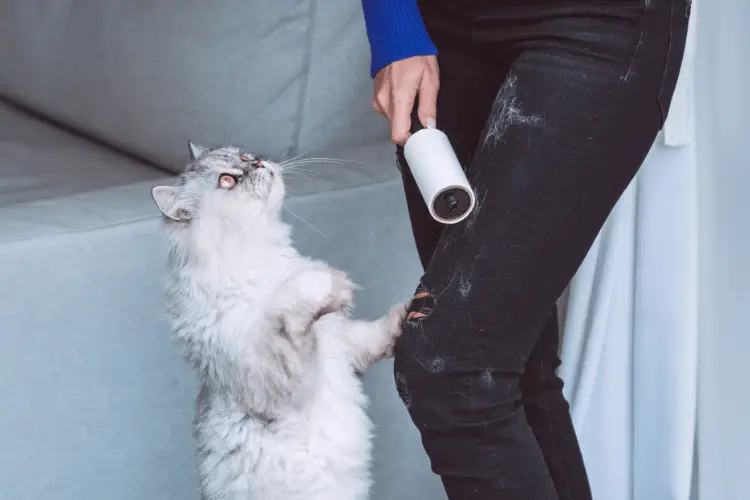
Remove loose hair while the fabric is still dry. Take the duvet cover outside and give it a thorough shake, paying particular attention to the areas where your dog normally sleeps. A lint roller, rubber glove or suitable fabric brush can help pick up stubborn strands.
For heavily covered bedding, work in sections rather than quickly running a lint roller across the surface. Check folds, seams and the bottom of the duvet cover, where fur can accumulate unnoticed.
This extra job only takes a few minutes, but it means less hair goes into your washing machine in the first place.
Make Your Dog’s Favorite Sleeping Spot Easier to Clean
Dogs are creatures of habit. Many have a particular corner of the sofa or section of the bed they return to every night. You can use that predictability to your advantage.
Place a washable throw or dog blanket over your pet’s usual sleeping area. Instead of stripping and washing an entire duvet cover every time it becomes hairy, you can remove the smaller layer and clean it separately.
Washable covers are useful elsewhere too. If your dog regularly naps on a particular cushion or chair, covering that area can make your weekly cleaning routine much quicker.
Whatever bedding you own, check its care label before washing. Duvets, covers, sheets, and throws may all have different instructions, so treating everything the same way can cause unnecessary wear.
Give Your Laundry Enough Room to Move
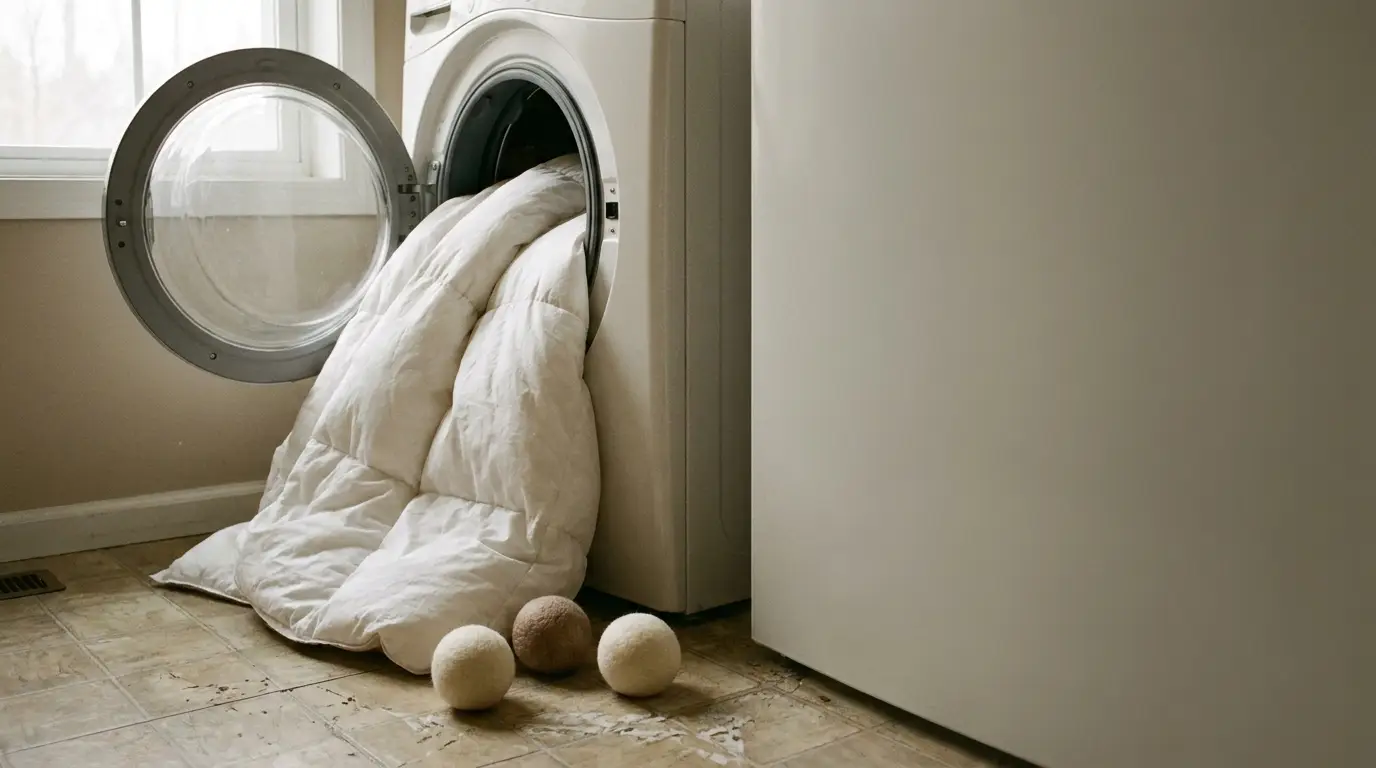
When a mountain of bedding sits beside the washing machine, squeezing everything into one load can seem efficient. In practice, an overloaded drum gives bulky items less room to move around.
This matters especially with duvet covers. They can twist around smaller items, trap them inside, and create a large bundle of damp fabric. Pet hair may also remain caught between layers instead of loosening during the cycle.
Separate bulky bedding from everyday clothes where practical, and avoid stuffing the machine until there is barely any space left. Before washing a duvet itself, check both the care label and whether your machine can comfortably accommodate its size.
Drying deserves similar attention. If the care instructions allow tumble drying, add wool dryer balls from https://www.dozebedding.com/ to your laundry. Regardless of the drying method you choose, follow the instructions for the bedding and avoid putting items away while they are still damp.
Keep the Machines Clean Too
Dog owners can become so focused on getting hair off their clothes and bedding that they forget about the appliances doing the work.
After particularly furry loads, inspect the washing machine drum and the rubber seal around the door. Stray hair can collect in these areas instead of disappearing when the cycle ends. Wiping accessible surfaces with a damp cloth helps keep old fur from getting onto the next load.
Your tumble dryer needs attention as well. Clean its lint filter according to the manufacturer’s instructions, particularly after drying pet bedding or other hairy fabrics.
It also helps to check bedding as you remove it. If a noticeable amount of fur remains, deal with it before folding the fabric and putting it back in the cupboard. Otherwise, you are simply storing the problem for later.
Reduce Shedding Around the Bedroom
Laundry is only half of the solution. The less loose hair your dog brings onto the bed, the easier your washing routine becomes.
Regular grooming can remove loose fur before it lands on your duvet, but the right routine depends on your dog’s coat and individual needs. Cleaning the bedroom floor regularly also stops clumps of hair from traveling back onto clean bedding.
A few household habits can make a noticeable difference:
- Keep a lint roller near the bed for quick clean-ups.
- Wash your dog’s blankets regularly rather than waiting until they look dirty.
- Vacuum around and underneath the bed, where loose fur often gathers.
- Brush visible hair from bedding between full washes.
- Keep a separate laundry basket for particularly hairy pet fabrics if practical.
The aim is not to create a completely fur-free home. For most dog owners, that is unrealistic. Instead, focus on preventing hair from building up until every laundry day becomes a major cleaning job.
Choose a Routine You Can Actually Maintain
An elaborate cleaning schedule is no use if you abandon it after a week. A simpler routine usually works better.
Try giving the bedding a quick shake or brush whenever you make the bed. Deal with your dog’s washable throw as soon as it becomes noticeably hairy, and inspect the washing machine after pet-heavy loads. These small jobs spread the work across the week instead of leaving everything for one exhausting cleaning session.
It is also worth keeping pet laundry separate from items that you want to remain particularly hair-free. Washing a heavily fur-covered dog blanket alongside dark work clothes, for example, can create more work than it saves.
Final Thoughts
Sharing your home, sofa or bed with a dog does not have to mean surrendering everything you own to pet hair. The most useful change is to tackle fur before it enters the washing machine. Shake bedding, brush away loose strands, and protect favorite sleeping spots with washable layers.
From there, avoid overloading the machine, follow individual care labels, and clean your laundry appliances after particularly hairy loads. Pair those habits with regular grooming and quick bedroom clean-ups, and pet hair becomes much easier to manage.
Your duvet may never remain completely untouched by your four-legged housemate, but laundry day can certainly become less of a battle.


