Pressure Washing and Exterior Cleaning: A Smarter Approach to Long-Term Property Care
A property’s exterior is constantly exposed to dirt, moisture, algae, mildew, pollen, and other environmental contaminants. Over time, these elements can make siding, driveways, roofs, patios, and walkways look neglected and may contribute to premature surface deterioration. For homeowners and property managers, exterior cleaning is no longer viewed as a purely cosmetic task. It has become an important part of routine property maintenance.
One challenge is that different exterior surfaces require different cleaning methods. Using excessive pressure on delicate materials can cause unnecessary damage, while ineffective cleaning may leave contaminants behind. Understanding when to use pressure washing, soft washing, and other specialized exterior cleaning techniques helps protect both the appearance and long-term condition of a property.
Why Exterior Cleaning Is More Than a Cosmetic Service
A clean exterior can significantly improve a property’s overall appearance, but the benefits extend beyond curb appeal. Organic growth such as algae, mold, and mildew can accumulate in shaded or damp areas, particularly on siding, roofs, decks, and concrete surfaces.
If left untreated, this buildup can become increasingly difficult to remove. Dirt and contaminants may also trap moisture against certain materials, creating conditions that can contribute to staining or surface wear over time.
Regular cleaning allows property owners to address these issues before they become more noticeable or costly. However, the cleaning approach matters just as much as the frequency. Different materials respond differently to water pressure and cleaning solutions.
For example, concrete may tolerate a stronger cleaning method than painted siding or roofing materials. Consulting experienced pressure washing experts can help property owners determine the most appropriate technique for each surface rather than relying on a one-size-fits-all approach.
Pressure Washing and Soft Washing Serve Different Purposes
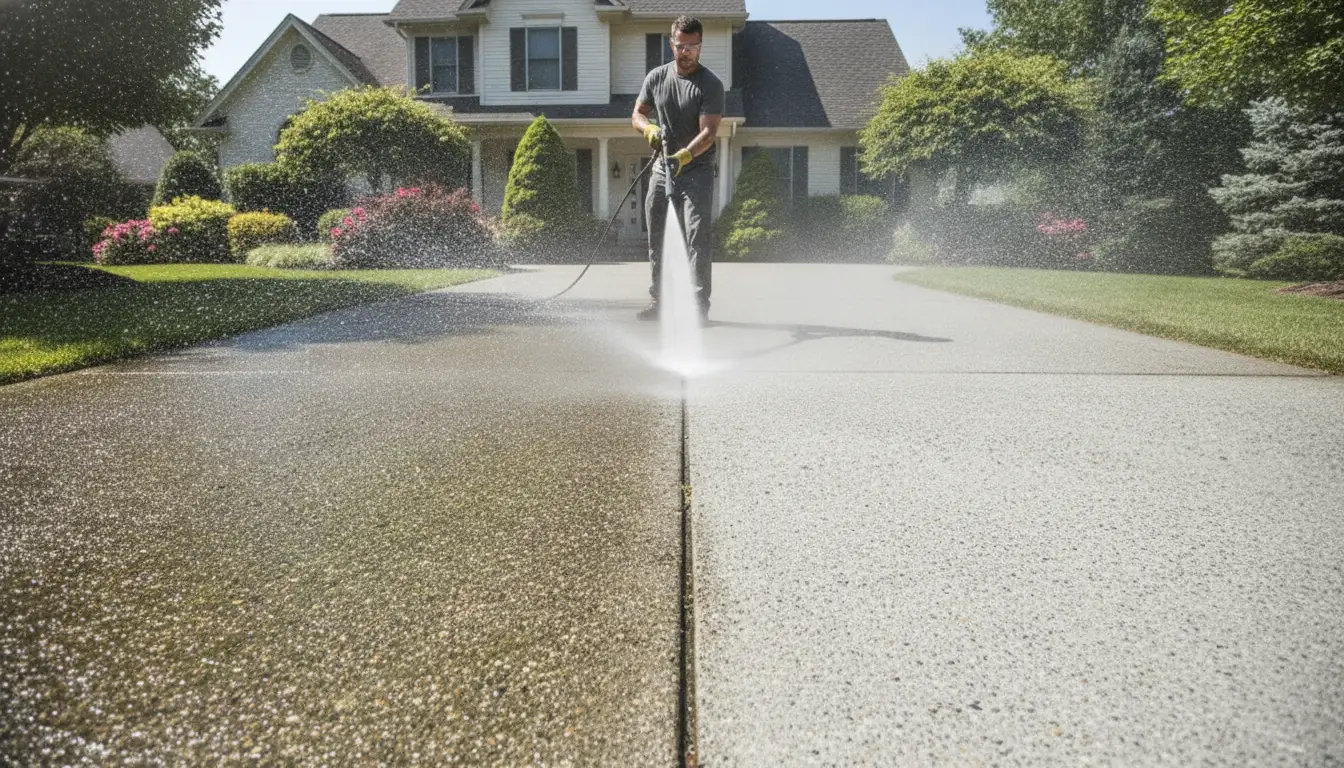
Pressure washing is highly effective for durable exterior surfaces that collect heavy dirt and grime. Driveways, sidewalks, patios, retaining walls, and certain hardscape materials can often benefit from controlled high-pressure cleaning.
The force of the water helps lift embedded debris and surface buildup, restoring a cleaner appearance. However, higher pressure is not suitable for every area of a property.
Soft washing uses a lower-pressure approach combined with appropriate cleaning solutions to treat and remove organic growth. This method is often used for more delicate surfaces, including certain types of siding, roofs, and painted exterior features.
The key difference is not simply how much pressure is used. It is about matching the cleaning method to the material and the type of buildup present. A professional exterior cleaning strategy considers surface condition, age, material, and environmental exposure before beginning the work.
Common Areas That Benefit From Routine Cleaning
Many property owners focus on the most visible areas, such as the front driveway or exterior walls. However, buildup can develop across multiple parts of a property.
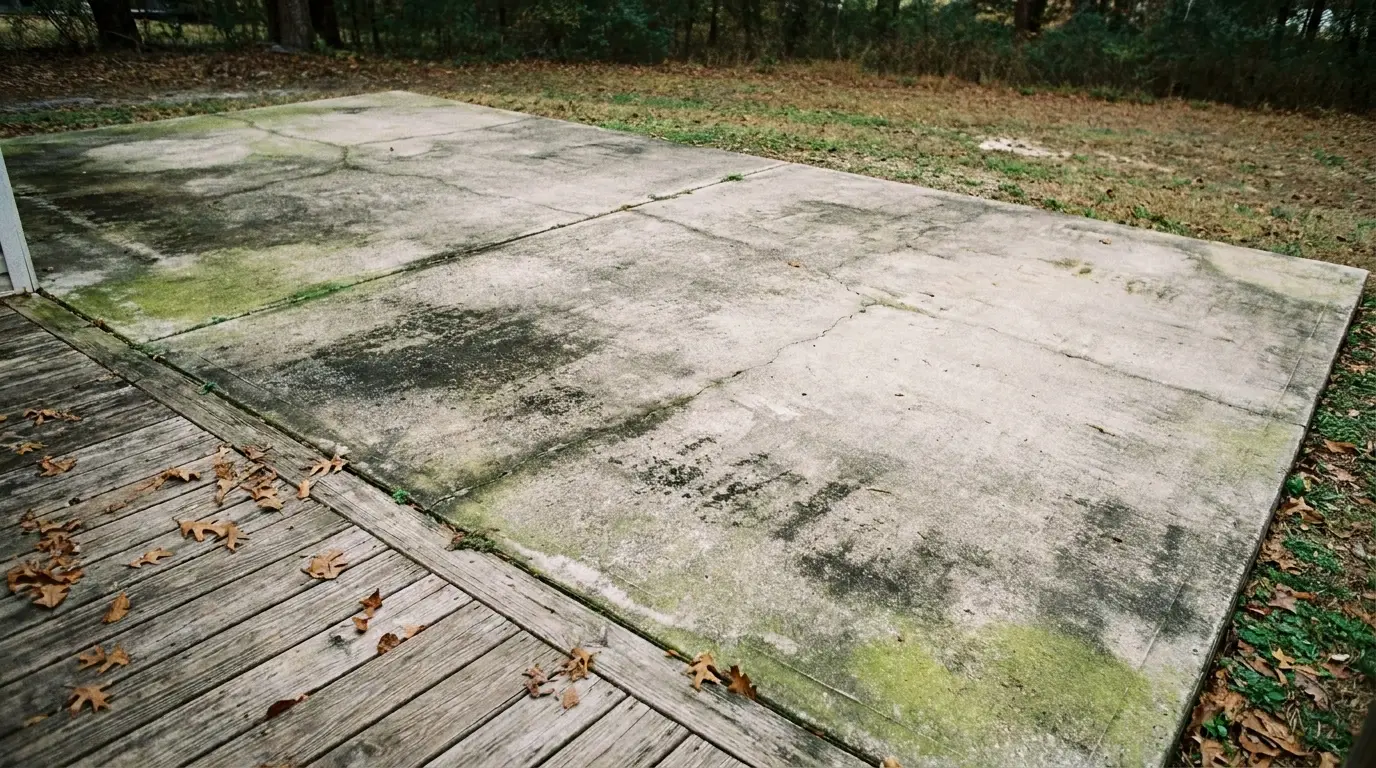
Walkways and driveways can collect oil residue, dirt, algae, and other contaminants. In damp environments, these surfaces may also become slippery. Regular cleaning can help maintain a safer and more presentable outdoor environment.
Patios and decks are also exposed to weather throughout the year. Leaves, pollen, moisture, and organic debris can create stains and encourage biological growth. The correct cleaning process can refresh these spaces without unnecessarily damaging the underlying material.
Exterior walls, fences, and other vertical surfaces may develop streaking or discoloration that becomes more visible over time. A routine maintenance schedule helps address these issues before they dominate the property’s overall appearance.
The most effective cleaning plans consider the entire exterior rather than treating each visible problem as an isolated issue.
Choosing the Right Cleaning Schedule for Your Property
There is no universal schedule that works for every home or commercial property. Climate, landscaping, surrounding trees, building materials, and daily exposure all influence how quickly exterior surfaces become dirty.
Properties located in humid areas may experience faster algae or mildew growth. Homes surrounded by mature trees may collect more leaves, pollen, and organic debris. High-traffic commercial properties may require more frequent cleaning of sidewalks and entryways.
For many properties, seasonal inspections provide a practical starting point. Looking for discoloration, slippery surfaces, dark streaks, or visible organic growth can help identify when cleaning is needed.
Instead of waiting until buildup becomes severe, property owners can create a preventive maintenance routine. This approach often makes cleaning more manageable and helps maintain a consistent appearance throughout the year.
A planned schedule can also help property managers coordinate exterior maintenance with other seasonal tasks, such as landscaping, gutter cleaning, and general property inspections.
Why Professional Techniques Matter for Surface Protection
Exterior cleaning may appear straightforward, but incorrect techniques can create avoidable problems. Excessive water pressure can damage certain surfaces, force water into vulnerable areas, or remove protective coatings.
Using unsuitable cleaning products may also affect landscaping, painted surfaces, or surrounding materials. Professional cleaning involves more than directing water at a dirty surface. It requires an understanding of pressure levels, water flow, cleaning agents, dwell times, and rinsing procedures.
Surface preparation is another important consideration. Areas with heavy organic growth or stubborn stains may require a different treatment process than surfaces with ordinary dust and dirt.
Professional techniques focus on achieving effective results while minimizing unnecessary stress on the property. This is particularly important for older buildings or surfaces that have already experienced weather-related wear.
The goal should not simply be to make a surface look clean for a short period. A well-planned cleaning process supports the property’s appearance while respecting the materials being maintained.
Conclusion
Pressure washing and exterior cleaning play an important role in maintaining residential and commercial properties. From driveways and sidewalks to siding, patios, and other outdoor surfaces, regular cleaning can help control dirt, stains, and organic buildup before they become more difficult to manage.
The most important factor is choosing the right method for each surface. High-pressure cleaning can be effective for durable materials, while softer techniques may be better suited for delicate or easily damaged areas.
As property maintenance continues to shift toward preventive care, exterior cleaning will remain an essential part of protecting curb appeal and supporting long-term property value. A thoughtful approach that considers surface type, environmental conditions, and appropriate cleaning techniques can help property owners maintain cleaner, safer, and better-looking spaces well into the future.