Minimalist Home Gym: The Equipment You Actually Need
A minimalist home gym is not an empty room with one resistance band in the corner. It is a training space where every piece of equipment has a clear job, earns the room it occupies, and supports exercises you actually repeat. The goal is not to own the fewest possible items. The goal is to remove anything that does not make your routine more useful.
That approach can be especially valuable at home, where fitness competes with storage, work, family life, and ordinary living space. A simple setup can reduce clutter, shorten setup time, and make it easier to see what your workout is supposed to be. Instead of collecting equipment for imagined future routines, you build around the movements, goals, and habits you already understand.
Start With the Training You Want, Not the Gear You Want
Minimalism works best when the program comes first. Before shopping, write down the kinds of training you expect to do during a normal week. Strength, cardio, mobility, and skill work require different tools, and you may not need equipment for every category.
If strength is the priority, identify the movement patterns you want to train: squat or lunge, hinge, push, pull, and trunk work. If general fitness is the goal, you might combine a smaller strength setup with walking, cycling outdoors, or another form of cardio that does not require a permanent machine.
This process prevents a common mistake: buying an exciting product first and inventing reasons to use it later. A minimalist gym grows in the opposite direction. The routine reveals a limitation, then one carefully chosen piece solves it.
Use the “Weekly Use” Test Before Anything Enters the Room
Ask a simple question before every purchase: will I use this most weeks? If the answer is uncertain, the item probably does not belong in the first version of the gym.
This does not mean specialty equipment has no value. It means specialty gear should arrive after a real need appears. A person who repeatedly runs out of loading options has a stronger reason to add resistance than someone who simply likes the look of a larger setup.
Build the First Version Around a Few High-Value Categories
A minimalist gym does not need a universal shopping list because bodies, budgets, rooms, and goals differ. Still, a few equipment categories tend to provide broad training value when they fit the user.
Resistance is usually the starting point for strength work. Dumbbells, bands, kettlebells, or other appropriate options can support many exercises without requiring a separate station for each muscle group. The right choice depends on the amount of resistance needed, how progression will happen, and where the equipment will live between sessions.
The same rule applies to home gym equipment in general. Compare products by how directly they support your current routine, not by how many features appear on a product page. A compact collection of frequently used tools can serve a household better than a room filled with equipment that solves problems no one actually has.
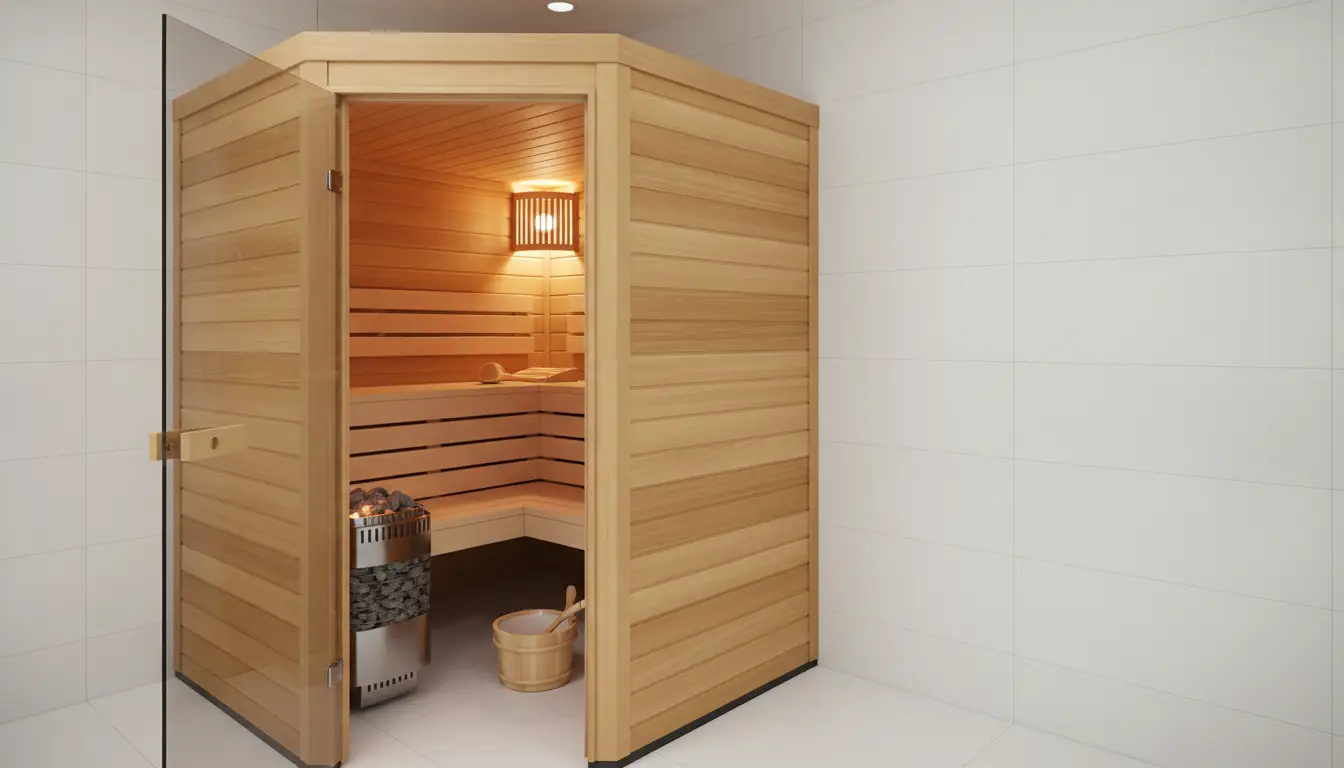
Floor space is another important “piece of equipment” even though you do not buy it. Keeping an open area available makes room for mobility, core work, lunges, carries, bodyweight exercises, and warm-ups. A crowded room may technically contain more equipment while supporting fewer comfortable movements.
Add a Bench Only When It Expands Exercises You Plan to Keep
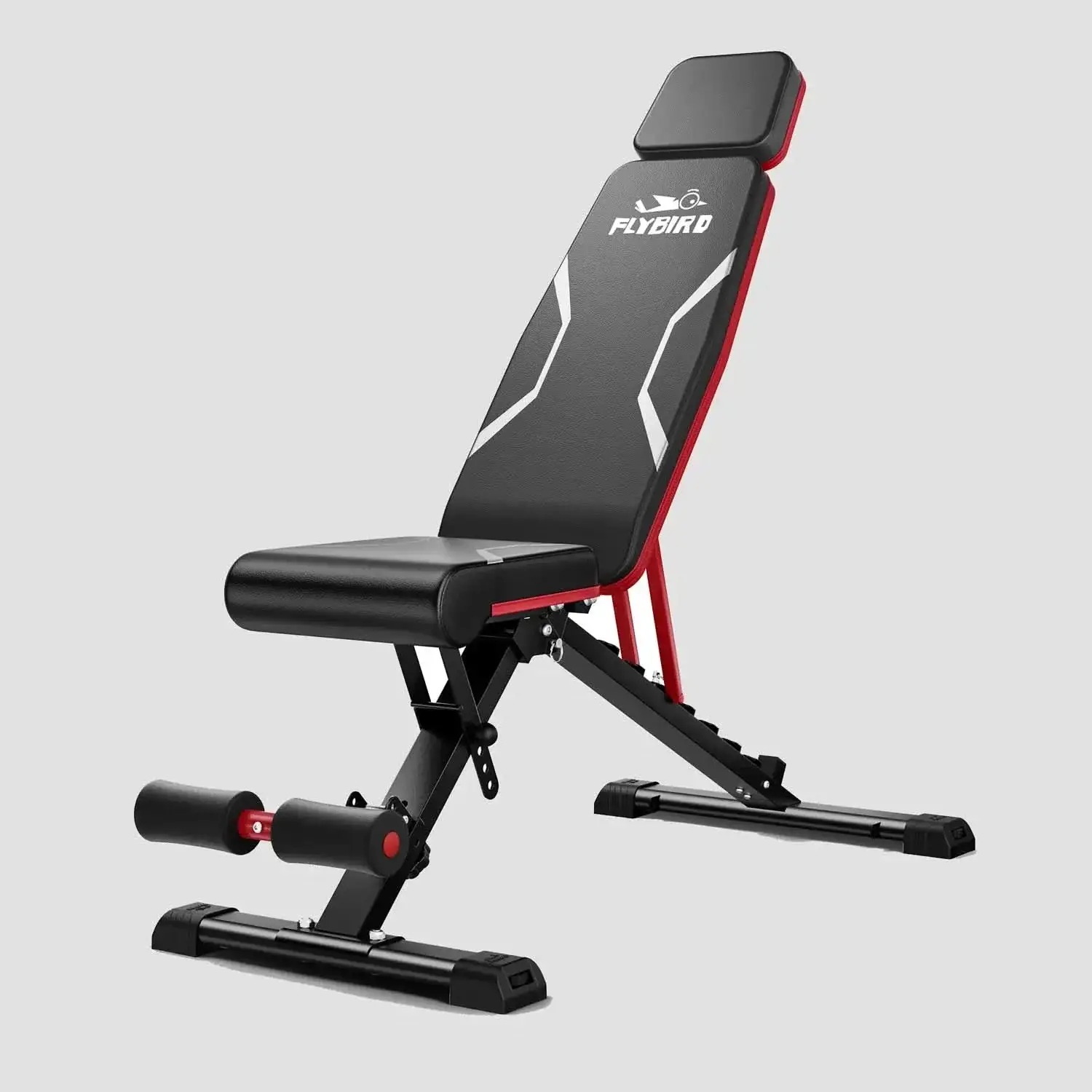
A bench can be a valuable second step because it changes body position for pressing, rowing, seated work, and other supported exercises. But it should solve a real programming need rather than appear automatically on a checklist.
The FED Fitness Flybird Series WB3 Foldable Adjustable Bench With Headrest can fit naturally into a minimalist strength setup for someone who wants a dedicated support surface without treating the room like a commercial gym. The useful question is whether that kind of bench helps you perform exercises already present in your plan and whether it can be managed comfortably in the available space.
If floor presses, standing movements, and bodyweight exercises already cover your needs, you may decide a bench can wait. Minimalism gives you permission to delay a purchase until its value becomes obvious.
Keep One Clear Training Zone Instead of Filling Every Wall
A home gym becomes easier to use when there is one obvious place to train. It might be the end of a bedroom, a section of a garage, or an area beside a home-office desk. The zone should be large enough for your planned movements and clear enough that you do not spend the first part of every session moving household objects.
Do not confuse unused wall space with an invitation to buy more. Storage racks, accessory hooks, shelves, and specialty attachments can gradually make a simple gym feel crowded. Add storage only when it organizes equipment you already use.
A clear zone also makes safety easier to manage. You can see loose weights, cords, pets, furniture, or other obstacles before starting. The room feels intentional rather than improvised.
Use a One-In, One-Out Rule When the Gym Starts to Grow
Minimalist spaces usually become cluttered slowly. One small accessory does not seem important, then another appears, and eventually the floor is surrounded by items that rarely enter the workout.
A one-in, one-out rule creates friction before unnecessary expansion. When you want to add something, decide what existing item it replaces or what new capability it brings. If the answer is “nothing,” reconsider whether the purchase is solving a real training problem.
This is especially useful with accessories. Several products may promise slightly different versions of the same movement. If one familiar tool already performs the job well, another variation may add choice without adding meaningful value.
Upgrade When Your Training Outgrows the Setup
Minimalism is not about refusing to progress. If the equipment becomes the reason you cannot increase resistance, change an exercise angle, or train a movement you now value, an upgrade may be justified.
The difference is timing. Instead of predicting every possible future need, you let training experience tell you what is missing. That keeps spending connected to real use and makes each new item easier to evaluate.
Choose Versatility Without Falling for Feature Overload
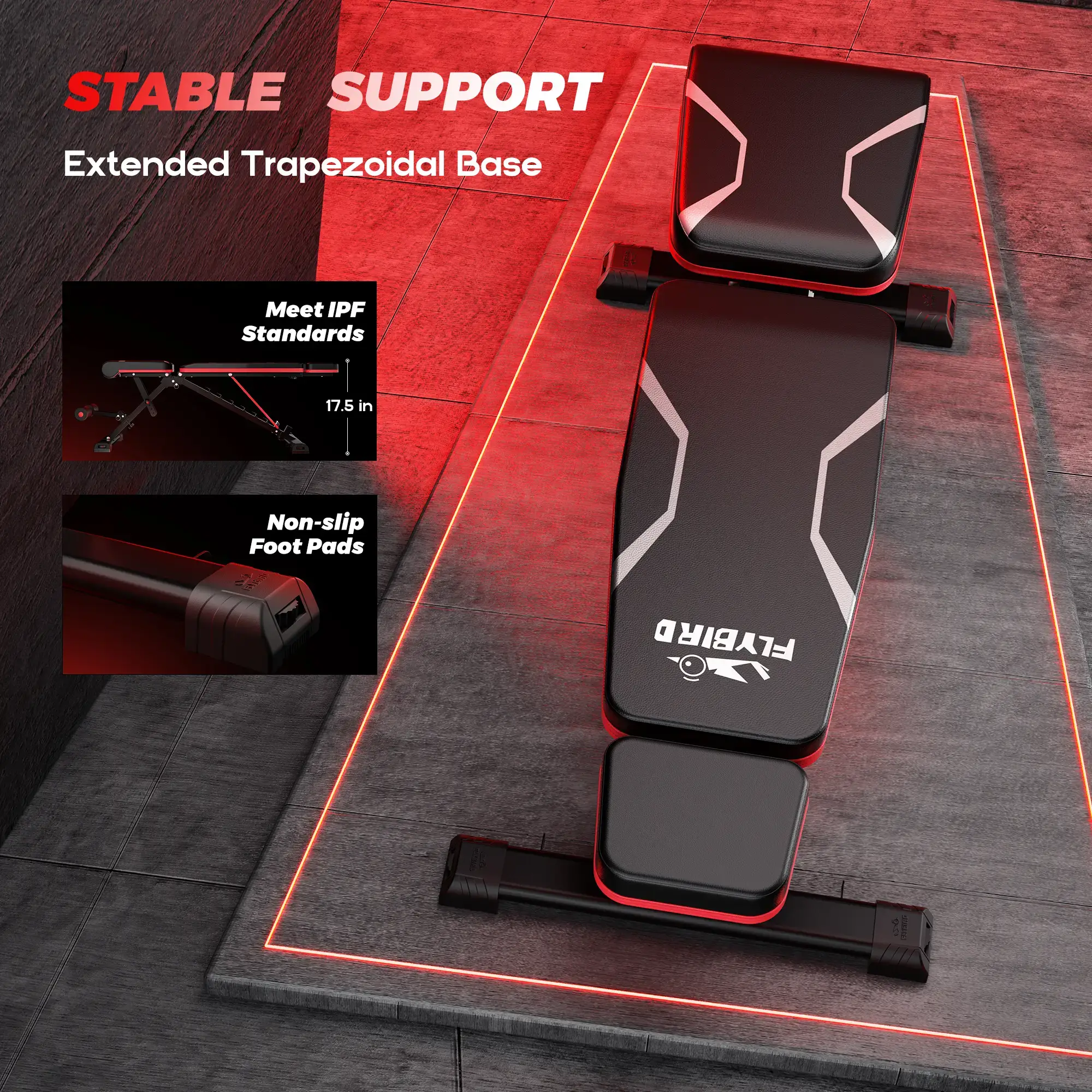
Versatility is useful when several functions genuinely support your program. It becomes feature overload when a product offers options you never use but adds complexity, setup time, or storage demands.
An adjustable weight bench may be worthwhile when several bench positions expand exercises you already perform. Someone else may prefer a simpler flat surface because that is all the program requires. The more minimalist choice is the one with fewer unused functions.
Apply the same test to resistance, cardio machines, racks, and accessories. Keep the features that change your workouts; ignore the rest.
Let the Room Tell You When Enough Is Enough
A minimalist gym should still feel like part of the home. If equipment blocks doors, crowds a desk, or forces daily room rearrangement, the setup has grown beyond its practical footprint.
Review the room every few months. Notice what gets used and what stays in the way. Removing unused equipment can improve the gym as much as adding something new.
The same review can reveal genuine gaps. Maybe resistance is limiting progress, or indoor cardio would solve a seasonal problem. Minimalism is an editing process, not a one-time aesthetic decision.
Create a Simple Equipment Hierarchy Before Your Next Purchase
When you are unsure what belongs in the gym, sort purchases into three levels.
Essentials support the exercises that define your routine. Useful additions make those exercises easier to repeat. Optional items may be enjoyable, but the program can function without them.
This hierarchy keeps “nice to have” products from competing with equipment that solves a real limitation and directs money toward items likely to receive regular use.
The Best Minimalist Gym Can Change Over Time
A beginner may need little equipment while learning movements and building a routine. Later, more resistance, a bench, or sport-specific tools may become valuable.
Let the gym evolve without losing its minimalist logic. Add deliberately, remove what no longer serves the plan, and organize around current goals. That discipline also makes future upgrades easier to justify and easier to evaluate.
Build the Gym in Stages and Make Every Purchase Earn Its Place
Begin with the movements you want this month, not the gym you imagine owning years from now. Protect a clear training area, choose versatile resistance, and learn how often you use the setup.
When a repeated limitation appears, add the smallest useful solution. It may be a bench, more resistance, storage, or another tool that directly expands the program. Review the current official FED Fitness product information before purchasing to confirm fit, setup guidance, availability, and policies.
Then stop buying for a while and train. A minimalist home gym becomes valuable through repetition, not accumulation. If every item supports a movement you care about and has a clear place when training ends, you already have the equipment you need.