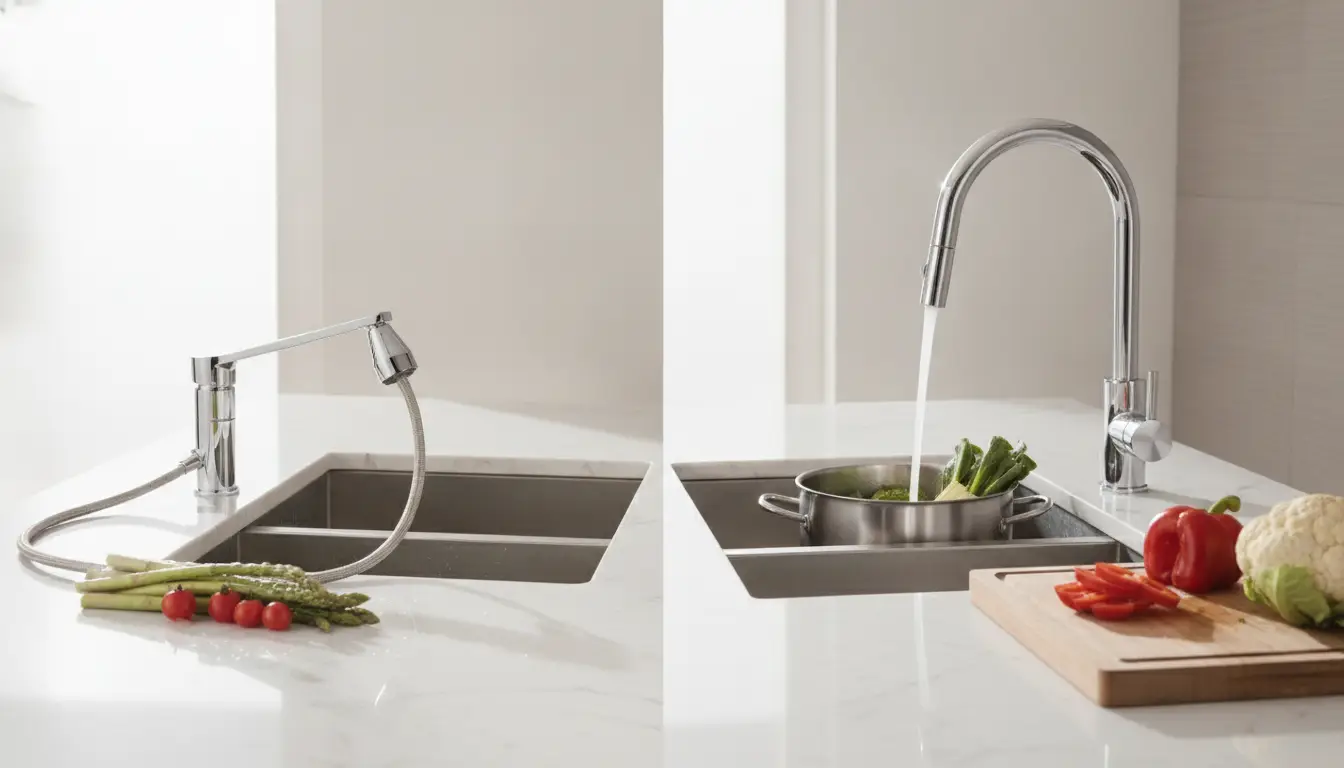
Simple ways to keep a kitchen clean, sanitary, and welcoming
A clean kitchen does more than look nice. It helps prevent odors, reduces the chance of pests, makes cooking more enjoyable, and creates a space where family and guests feel comfortable gathering. The good news is that keeping a kitchen fresh and sanitary does not require complicated tools or hours of scrubbing every day. Small, consistent habits can make the biggest difference. Here are a few simple ways to keep even the most complicated kitchen clean, sanitary, and welcoming:
Why Is It Important?
Food safety is, of course, the major reason to maintain a clean kitchen. While basic hygiene can’t protect you from something like a nationwide Cyclospora outbreak (you need to follow recall notices and avoid contaminated produce for that!), it can protect you from a whole host of hygiene-related foodborne illnesses. But safety and health aren’t the only reasons to keep a kitchen clean and hygienic. A kitchen that’s clean, sanitary, and in good order is much easier to work in day-to-day and provides a much more reassuring and welcoming environment for family members and guests.
Start with Daily Surface Cleaning
Kitchen counters collect crumbs, spills, grease, and bacteria throughout the day. Wipe them down after preparing food, making coffee, unpacking groceries, or handling raw ingredients. Use warm, soapy water for general cleaning, then follow with a kitchen-safe disinfectant when needed, especially after working with raw meat, poultry, seafood, or eggs.
Do not forget cabinet handles, refrigerator doors, faucet handles, microwave buttons, and light switches. These high-touch areas are easy to overlook, but they can spread germs quickly. A quick wipe once a day helps keep the whole kitchen feeling cleaner.
Keep Dishes Under Control
A sink full of dirty dishes can make even the cleanest kitchen feel messy. Try to wash dishes, load the dishwasher, or at least rinse items shortly after meals. Food left on plates and pans can attract pests and create unpleasant odors.
Make it a habit to empty the dishwasher as soon as dishes are dry. This makes it easier to load dirty items right away instead of stacking them in the sink. If you wash dishes by hand, replace sponges often or sanitize them regularly, since damp sponges can harbor bacteria.
Clean as You Cook
One of the easiest ways to avoid a major cleanup is to clean as you cook. Put ingredients away after use, toss packaging into the trash or recycling, and wipe up spills before they dry. While a pot simmers or something bakes, use that time to rinse utensils, clear cutting boards, or sweep up crumbs.
This habit also makes cooking less stressful. A clear workspace gives you more room to chop, season, plate, and serve food safely. By the time the meal is ready, half the cleanup may already be done.
Practice Smart Food Safety
Sanitation starts with proper food handling. Wash your hands with soap and warm water before cooking, after touching raw meat, after using the bathroom, and after handling trash or pets. Rinse fresh fruits and vegetables under running water, even if you plan to peel them.
Use separate cutting boards for raw meat and ready-to-eat foods like bread, fruit, and salad ingredients. If possible, choose color-coded boards to make the system simple. Cook foods to safe internal temperatures, refrigerate leftovers promptly, and throw away anything that smells off or has been stored too long.
Manage Trash, Recycling, and Compost
Trash areas can quickly become a source of odors and bacteria. Use liners, take trash out regularly, and clean the inside and outside of the bin when spills happen. A sprinkle of baking soda in the bottom of the trash can may help absorb odors.
If you compost, use a container with a lid and empty it frequently. Rinse bottles, cans, and food containers before placing them in the recycling bin to prevent sticky residue and pests. Keeping waste areas clean improves the overall feel of the kitchen.
Refresh Floors and Fabrics
Kitchen floors collect crumbs, dust, and spills every day. Sweep or vacuum regularly, especially around the stove, sink, and dining area. Mop as needed with a cleaner appropriate for your flooring type.
Wash dish towels, hand towels, and reusable cloths often. Towels that stay damp can develop odors and bacteria. Keep a few clean towels available so you are not tempted to reuse one that has already wiped up spills or touched raw food juices.
Make the Kitchen Feel Welcoming
A sanitary kitchen doesn’t need to feel clinical – it can be very warm and inviting! Clear clutter from counters, keep only frequently used items on display, and add simple touches like a bowl of fresh fruit, a small plant, or neatly folded towels. Good lighting also makes the space feel cleaner and more pleasant.
Pleasant scents can help, but avoid using strong fragrances to cover up odors. It is better to remove the source by cleaning the sink drain, taking out trash, and wiping sticky surfaces. A truly welcoming kitchen smells fresh because it is fresh.
Build Simple Routines
The best kitchen-cleaning system is one you can maintain. Spend five to ten minutes each night resetting the space: clear counters, wash dishes, wipe surfaces, and sweep visible crumbs. Once a week, tackle deeper tasks such as cleaning the refrigerator, sanitizing trash cans, and wiping appliances. You don’t need to do a full deep clean every week – these simple habits will help you to keep on top of the major issues that affect kitchens, and will make the deep clean easier when you come to it.
With steady habits, your kitchen can stay clean, sanitary, and welcoming every day. A little attention after each meal prevents bigger messes later and creates a healthier, happier place to cook and gather.