Should You Turn Off Your Hot Tub During the Summer? Pros and Cons
When temperatures climb into the 80s, 90s, or even higher, many hot tub owners start asking the same question: Should you turn off your hot tub during the summer? While it may seem like an easy way to save money and avoid extra heat, shutting down your spa isn’t always the best choice.
The right decision depends on how often you use your hot tub, your climate, energy costs, and the amount of maintenance you’re willing to perform. Understanding the advantages and disadvantages can help you choose the option that makes the most sense for your household.
Why People Consider Turning Off Their Hot Tub
During the colder months, soaking in warm water is an obvious comfort. In summer, however, outdoor temperatures can make a hot tub seem unnecessary.
Some common reasons homeowners consider shutting it down include:
- Lower electricity bills
- Reduced maintenance
- Less wear on equipment
- Extended vacations
- Limited summer use
While these are all valid reasons, it’s important to weigh them against the potential drawbacks.
Pros of Turning Off Your Hot Tub
If you rarely use your spa during warm weather, shutting it down may offer several benefits.
Lower Energy Costs
Heating water around the clock consumes electricity. Turning off your hot tub eliminates most of that energy usage, which may reduce your monthly utility bill. The amount you save depends on your local energy rates, insulation quality, and how efficiently your spa retains heat.
Less Frequent Chemical Use
Without regular use, you won’t need to add sanitizers and balancing chemicals as often. This can slightly reduce your maintenance expenses throughout the season.
Reduced Wear on Components
Pumps, heaters, and circulation systems experience wear over time. A temporary shutdown means these components operate less frequently, potentially extending their lifespan.
Cons of Turning Off Your Hot Tub
Despite the potential savings, there are also several disadvantages to completely shutting down your spa.
Restarting Takes Time
When you’re ready to use your hot tub again, you’ll need to clean it thoroughly, refill it, balance the water chemistry, and wait for the water to heat back up. Depending on your heater size, reaching your preferred soaking temperature may take anywhere from several hours to over a full day.
Risk of Stagnant Water
Simply turning off the power without draining the water is never recommended. Standing water can quickly become a breeding ground for bacteria and algae, and a source of unpleasant odors. If you decide to shut down your hot tub, it should be properly drained, cleaned, dried, and covered in accordance with the manufacturer’s recommendations.
Seals Can Dry Out
Long periods without circulation may allow certain rubber seals and gaskets to dry out. Although modern hot tubs are built for durability, regular operation helps keep internal components in better condition.
A Better Alternative: Lower the Temperature
For many owners, there’s a middle ground between running the spa at full temperature and shutting it off entirely. Instead of maintaining water at 102–104°F, consider lowering the temperature to around 80–90°F.
This approach offers several advantages:
- Reduced energy consumption
- Faster heating when you want to use it
- Continuous water filtration
- Easier chemical management
- Less risk of equipment issues
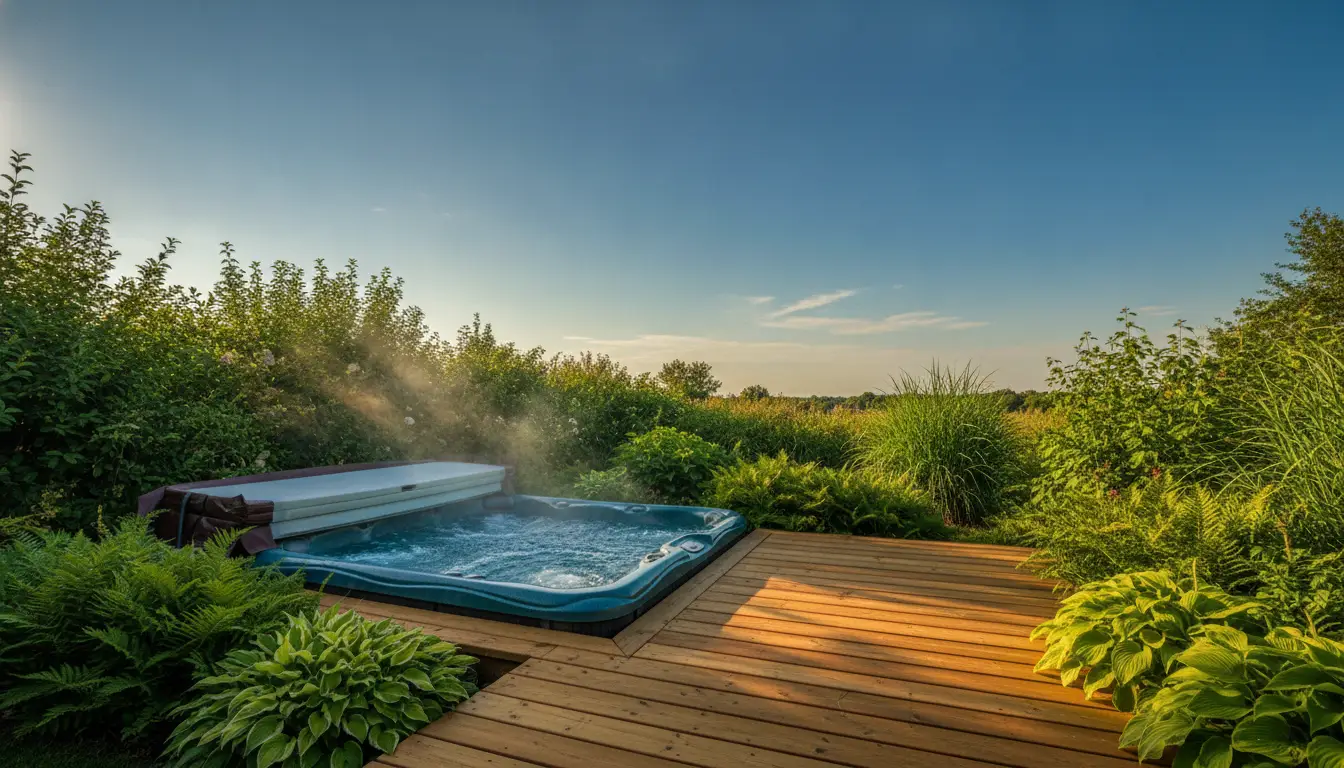
Some people even enjoy using a hot tub in the summer as a refreshing place to relax after yard work, exercise, or time in the sun.
Consider How Often You’ll Use It
Your usage habits should be the biggest factor in your decision.
You may want to keep your hot tub running if:
- You use it weekly.
- You enjoy evening soaks after hot days.
- You entertain guests frequently.
- You use hydrotherapy for sore muscles or joint pain.
On the other hand, shutting it down may make sense if:
- You won’t use it for several months.
- You’ll be away on vacation for an extended period.
- You’re planning maintenance or repairs.
- Energy savings outweigh the convenience of keeping it ready.
Don’t Forget About Maintenance
Whether your hot tub is operating or temporarily shut down, proper maintenance remains important.
If it’s running:
- Test water chemistry regularly.
- Clean or rinse filters as recommended.
- Keep the cover securely in place.
- Maintain proper sanitizer levels.
If it’s shut down:
- Drain all water completely.
- Clean the shell thoroughly.
- Remove and clean filters.
- Leave everything dry before covering the spa.
- Inspect it periodically during the summer.
Proper care helps prevent costly repairs and ensures your spa is ready whenever you decide to use it again.
Finding the Right Balance
There isn’t a universal answer to whether you should turn off your hot tub during the summer. For frequent users, lowering the water temperature often provides the best balance between convenience and energy savings. For households that won’t use their spa for several months, a proper seasonal shutdown may be the smarter choice.
If you’re shopping for an energy-efficient model designed for year-round enjoyment, exploring Leisure Depot’s hot tubs and spas can help you compare modern options with advanced insulation, efficient heating systems, and user-friendly controls.
Ultimately, the best decision is the one that fits your lifestyle. By understanding the pros and cons, you can keep your hot tub operating efficiently, protect your investment, and enjoy relaxing soaks whenever the mood strikes—whether it’s the middle of winter or the height of summer.