What Does Professional Air Duct Cleaning Include in Charleston, SC?
Most homeowners don’t think about their ductwork until the air starts smelling stale or allergies flare up. But by then, dust, mold spores, and debris have likely accumulated inside the system for months. Understanding what professional air duct cleaning includes in Charleston, SC, before you schedule service helps you know what you’re paying for and what to watch out for.
Charleston’s coastal humidity creates a real problem here. HVAC systems in these homes are especially prone to moisture-related buildup. That’s not just inconvenient; it directly affects what you breathe every day. A qualified professional doesn’t just run a vacuum through a register and call it done. The process is methodical. It typically covers several stages from initial inspection through final treatment. Knowing each stage puts you in a much better position to evaluate quotes, ask the right questions, and confirm the job was done properly once the technician leaves.
Services Included in Professional Air Duct Cleaning
A structured process, rather than a quick sweep, is generally what separates a thorough duct cleaning service from a rushed one. Anyone looking into air duct cleaning in Charleston, SC will find that scope matters, since duct systems are interconnected. Cleaning one section while ignoring another just moves the problem further along the line. A proper service addresses the full network: supply and return ducts, the air handler itself, and every connected component.
Homeowners sometimes assume cleaning means vacuuming out visible dust near the registers. Professional cleaning goes much deeper. Technicians follow standards set by the National Air Duct Cleaners Association, which require negative pressure containment and source removal, not just surface agitation. Skipping steps leaves contaminated areas behind and can actually spread debris further into the system. So, know what a thorough service should cover before you agree to any quote.
Ductwork Inspection and Assessment
Before any cleaning begins, a professional technician must assess the system from end to end. This inspection phase typically involves a visual check of all accessible duct sections, registers, grilles, and the air handler compartment. Many professionals also use a small camera or inspection scope to look inside sections that aren’t directly visible; flex duct runs can collapse or trap debris in pockets.
The inspection serves two purposes. First, it lets the technician identify problem areas that need special attention, visible mold, standing moisture, pest activity, or physical damage to the duct walls. Second, it forms the basis of an accurate quote. A company that skips inspection and quotes a flat rate without ever looking at your system is a red flag; you should walk away.
Charleston’s older homes often have duct configurations that differ markedly from newer builds. What applies to one property may not apply to another just down the street. You’ll notice this difference immediately when comparing quotes from different companies.
Debris Removal and System Flushing
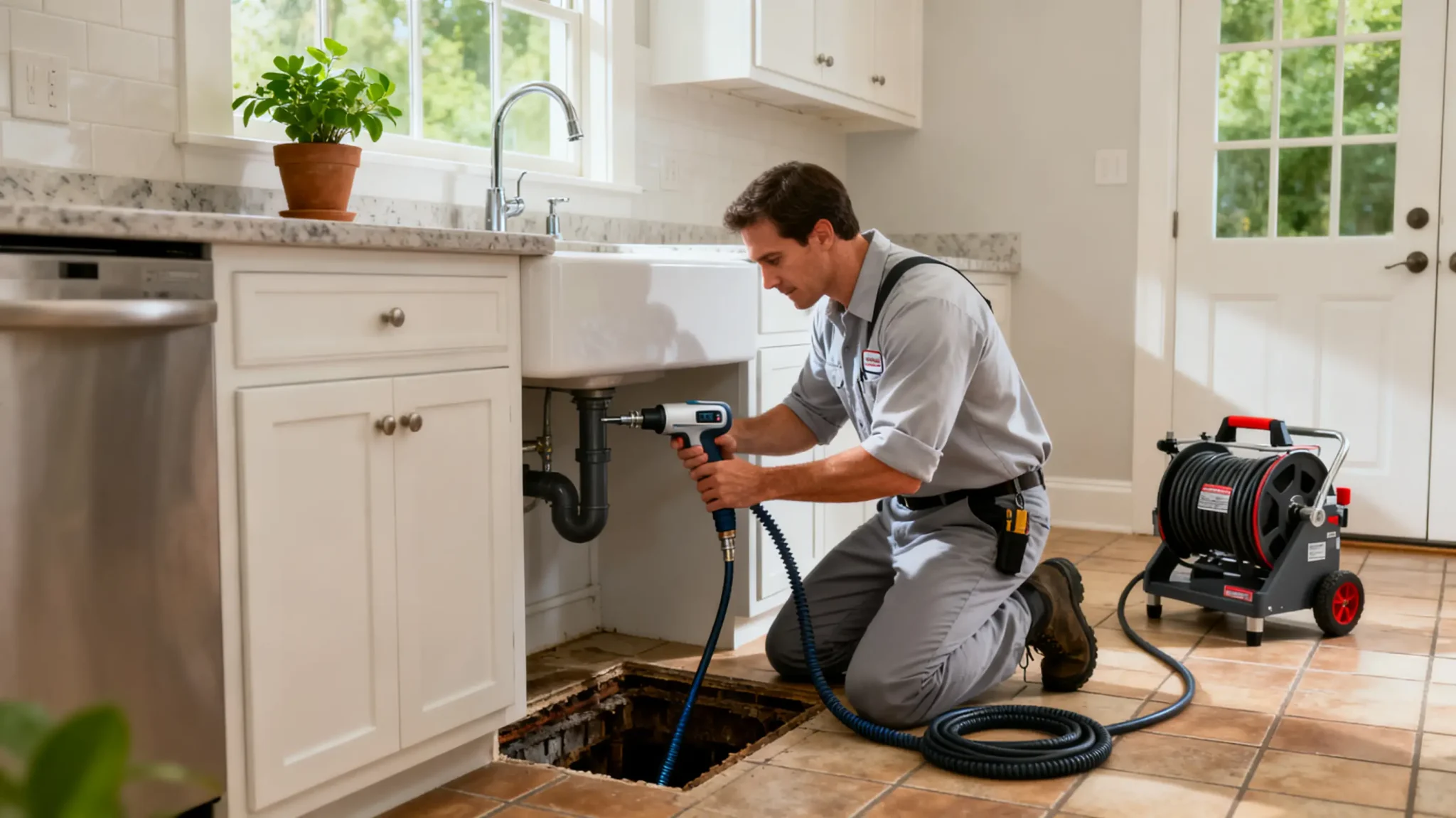
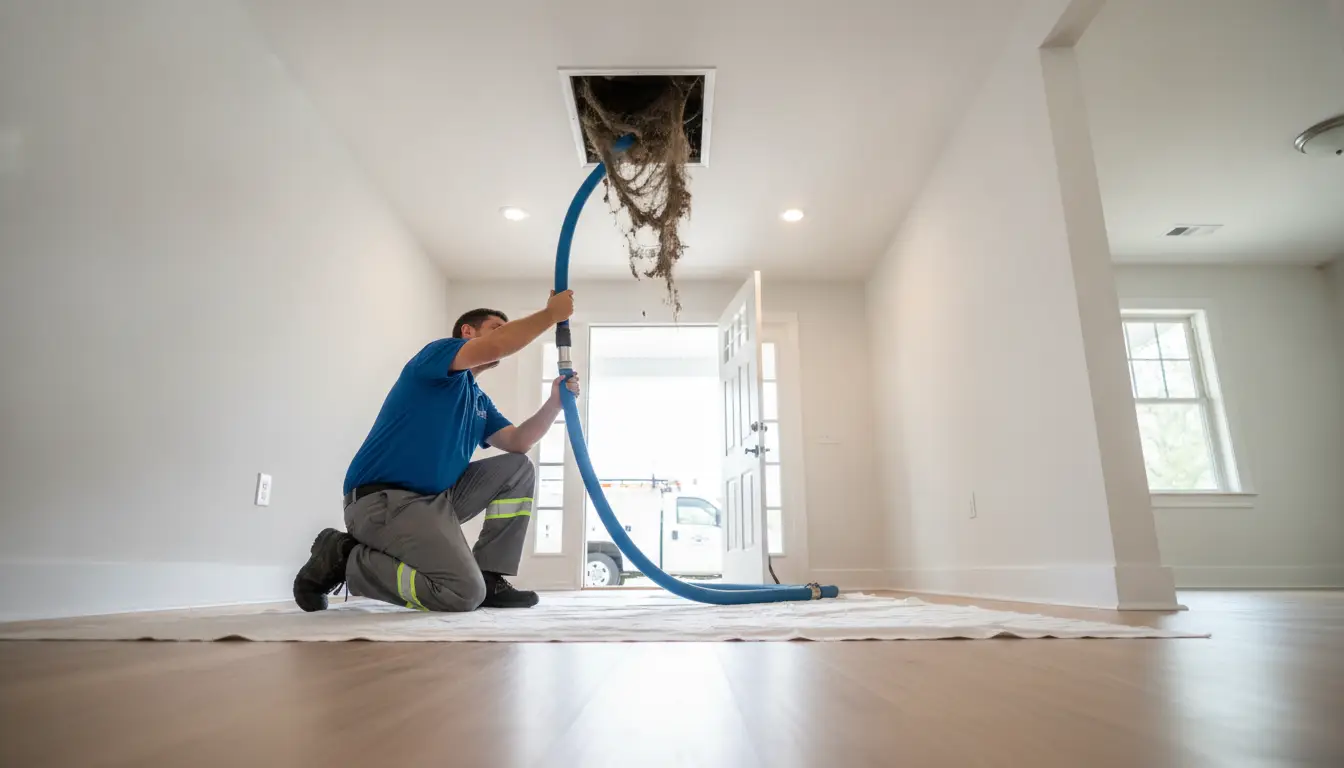
Once inspection is complete, the active cleaning phase starts. Technicians connect a powerful negative-pressure vacuum unit, often truck-mounted, to the main trunk line. This creates a contained airflow that pulls loosened debris toward a collection point rather than letting it escape into your living space. Rotating brushes, compressed air whips, and agitation tools then dislodge dust, biological debris, and buildup from the duct walls.
The technician works section by section, sealing off registers as they go to maintain the pressure gradient across the system. Supply ducts and return ducts both need attention. So does the air handler cabinet, which often collects the most buildup near the blower and evaporator coil. After flushing, the technician should do a second pass to confirm debris has cleared. Skipping the return side or the air handler is a common shortcut that leaves the most contaminated areas untouched.
Additional Services and Treatments Offered by Charleston Air Duct Cleaners
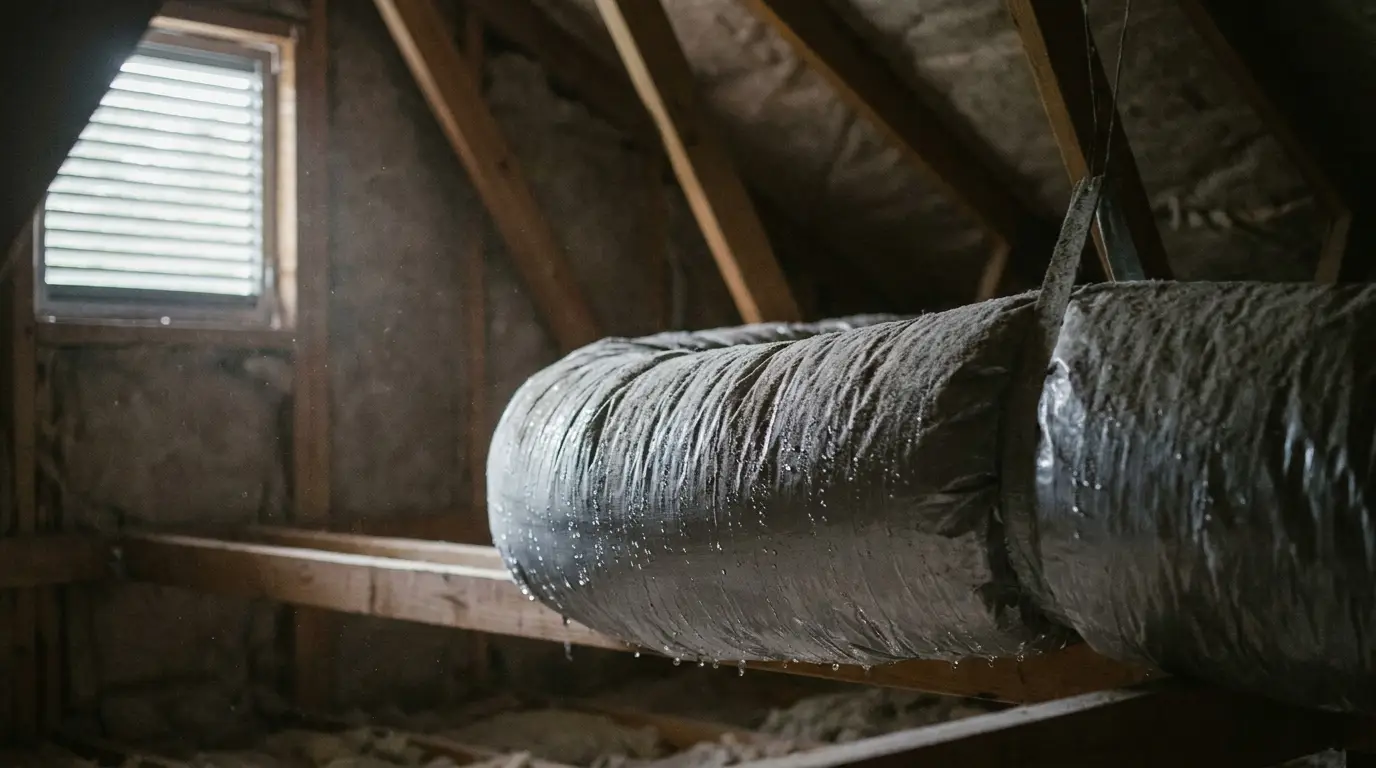
Mechanical cleaning removes the physical debris, but some situations call for additional treatment. Charleston’s climate creates conditions where mold and bacteria can survive inside ductwork even after a thorough flush. High humidity levels, combined with the cooling demands of long summers, mean the evaporator coil and surrounding surfaces stay damp for extended periods. That moisture feeds biological growth.
A responsible technician will flag anything suspicious during inspection and recommend appropriate follow-up treatments. These aren’t always included in a base cleaning quote, so ask upfront about what’s covered. The goal of any additional service should be to address a documented problem, not to upsell treatments on systems that don’t need them. Get a clear explanation of why a treatment is recommended and what specific issue it addresses before you agree.
Sanitization and Antimicrobial Applications
After physical debris comes out, some systems benefit from a sanitization treatment applied to the interior duct surfaces. This typically involves an EPA-registered antimicrobial or botanical-based solution sprayed through the cleaned ducts using a fogger or misting system. The product coats the duct walls and inhibits regrowth of mold, mildew, and bacteria that might remain in microscopic form after cleaning.
Not every system needs this step; a technician should recommend it based on evidence. Confirmed mold growth, persistent musty odors, or documented moisture intrusion all justify the treatment. In Charleston, homes with older systems or those without proper humidity control are more likely candidates. Ask to see the product’s safety data sheet and confirm it’s appropriate for use inside HVAC systems. Some products are safe for immediate occupancy; others require the home to be vacant for a period after application.
Seal Repairs and Insulation Work
Duct leakage is widespread. Cleaning often reveals it. Gaps at joints, loose connections, or deteriorated flex duct can allow conditioned air to escape into unconditioned spaces like attics or crawlspaces. In a Charleston home, that means your cooled air bleeds out before it reaches the rooms you’re trying to cool.
And here’s the thing: some air duct cleaning professionals also perform duct sealing and insulation work as part of a broader service. Sealing involves applying mastic compound or metal-backed tape to gaps and joints throughout the duct network. Insulating exposed ducts in attics or crawlspaces reduces heat gain during the summer months; that directly affects energy use. If the inspection reveals major structural damage, such as collapsed sections or disconnected runs, a professional should document that separately and walk you through repair options. These are real issues that affect system performance, not add-ons tacked onto a cleaning bill.
What to Expect During a Professional Air Duct Cleaning Visit
A typical professional visit in Charleston runs between two and four hours, depending on the size of the home and the intricacy of the duct system. Before the technician arrives, you don’t need to do much preparation; just make sure the HVAC unit is accessible, and pets are out of the work area. The crew should protect your floors and furniture with drop cloths and keep the negative-pressure system contained throughout the job.
Expect some noise from the vacuum unit, especially if it’s truck-mounted. That’s normal. A professional team communicates clearly, explains what they’re doing at each stage, and doesn’t pressure you into add-on services before finishing the inspection report. Ask to see before-and-after photos of the duct interior if the company offers them. That documentation is worth having, especially if you’re managing a rental property or handling a home sale in the Charleston market.
Equipment and Techniques Used by Charleston Professionals
The quality of the equipment matters as much as the technician’s skill. Professional-grade truck-mounted vacuum units generate far more suction than portable shop-vac style machines. That level of negative pressure is what pulls debris from deep inside the system rather than just disturbing it near the registers. Agitation tools include rotary brush systems, compressed air skippers, and pneumatic whips; each is designed for different duct materials and diameters.
Rigid metal ducts, flexible ducts, and fiberboard ducts each respond differently to agitation. A skilled technician adjusts technique accordingly. Fiberboard in particular requires a gentler approach because aggressive brushing can damage the interior lining. Video inspection scopes, contact vacuum attachments, and HEPA-filtered collection systems round out a properly equipped setup. Before you book a service, ask whether the company uses truck-mounted equipment and NADCA-compliant source removal methods. That single question filters out under-equipped operators quickly.
Conclusion
Professional air duct cleaning in Charleston, SC, covers far more than a quick vacuum near the vents. A thorough job includes inspection, negative-pressure debris removal, system flushing, and often additional treatments for sanitization or duct sealing based on what the assessment reveals. The coastal humidity and long cooling season make Charleston homes genuinely susceptible to the kinds of buildup that affect indoor air quality.
Knowing what each stage involves helps you ask better questions, evaluate quotes more accurately, and confirm the work was done correctly. Don’t settle for a flat-rate quote from a company that hasn’t inspected your system first. The specifics of your home, your duct layout, and your system’s condition all determine what the job actually requires.