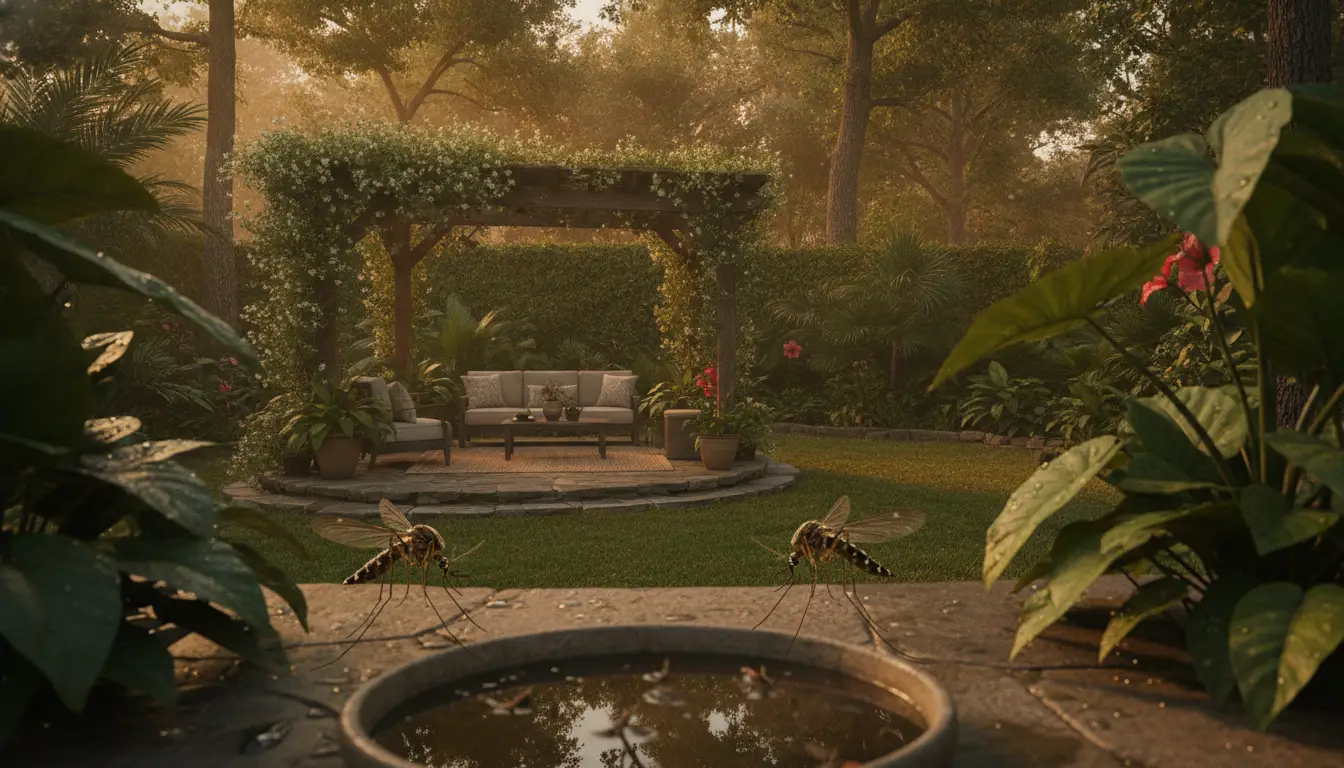
Why Houston Homeowners Need Year-Round Mosquito Control
Houston is a city built around outdoor living. Its warm climate, expansive suburban neighborhoods, and backyard-centered lifestyle encourage residents to spend time outside. However, the same environmental conditions that support this lifestyle also make Houston one of the most mosquito-prone areas in the United States.
High humidity, frequent rainfall, and long warm seasons create an environment where mosquitoes are not a seasonal inconvenience; they are a persistent ecological presence. For homeowners in Houston, mosquito control is less about short-term relief and more about ongoing environmental management.
That’s why many residents rely on professional mosquito control services in Houstonto manage mosquito activity year-round and maintain usable outdoor spaces.
From evening gatherings in The Woodlands to weekend barbecues in Katy and Cypress, outdoor spaces play an important role in daily life. But without effective mosquito management, even well-designed outdoor areas can quickly become unusable during peak activity periods.
Why Houston Has a Persistent Mosquito Problem
Houston’s climate and geography create conditions that consistently support mosquito development throughout the year. Located in a subtropical humid zone, the region receives more than 49 inches of rainfall annually.
In addition, the city’s extensive bayou system and drainage networks contribute to recurring moisture retention across residential and urban landscapes. These environmental factors create widespread opportunities for mosquito breeding.
Standing Water and Rapid Reproductive Cycles
Mosquitoes rely on standing water to complete their life cycle. Even very small amounts of water can serve as a breeding site. A single female mosquito lays 100 to 300 eggs at a time, and under favorable conditions, those eggs can develop into adults in as little as a week.
In Houston neighborhoods, breeding sites are overlooked. These include clogged gutters, plant saucers, low-lying yard depressions, uncovered containers, tarps, birdbaths, and drainage channels. After rainfall, these areas can quickly become active breeding grounds, which leads to population increases within days.
Warm Temperatures and Extended Activity Periods
Unlike regions with long, cold winters, Houston experiences mild seasonal variation. Mosquito activity decreases during cooler months, but it rarely stops entirely. Some species overwinter in protected water sources as eggs or larvae, while others remain intermittently active during warm spells.
Once temperatures rise above 50°F, mosquito development resumes quickly. This limited dormancy period means mosquito populations in Houston are rarely reset, allowing them to persist and rebuild continuously throughout the year.
Mosquito Season in Houston: A Continuous Cycle
In Houston, mosquito season does not follow a strict calendar. Instead, it follows a repeating cycle influenced by temperature, rainfall, and humidity.
Early spring marks the beginning of increased activity as overwintering eggs hatch. By late spring, rainfall accelerates breeding conditions, leading to a rise in mosquito presence.
Summer represents peak activity, when warm temperatures speed up reproduction and outdoor exposure becomes most challenging.
Even in fall and winter, activity does not fully disappear. Rain events or warm fronts can trigger short-term population rebounds, which makes mosquito presence a year-round consideration rather than a seasonal one.
This continuous cycle shows an important reality: mosquito control strategies in Houston must extend beyond short-term or reactive approaches.
What Attracts Mosquitoes to Residential Properties
Mosquito activity is uneven across neighborhoods in Houston, and even adjacent homes can experience different levels of infestation. Common attractants include:
- Areas of standing or slow-draining water, including gutters, containers, and yard depressions
- Dense vegetation that provides shade and resting habitats during daylight hours
- Outdoor conditions that trap humidity and reduce airflow
- Human and pet activity, which produces carbon dioxide and body heat, attracts mosquitoes
- Ornamental water features that lack circulation or proper maintenance
These factors illustrate that mosquito presence is not random. It is strongly influenced by habitat availability and environmental suitability at the property level.
How Professionals Approach Mosquito Control in Yards
Many pest control services in Houstonfollow an Integrated Pest Management (IPM) approach. This method prioritizes environmental understanding, source reduction, and targeted treatment rather than relying solely on chemical applications.
Source Identification and Environmental Management
The first step involves identifying conditions that support mosquito breeding. This includes locating standing water sources and evaluating landscape features that retain moisture. Where possible, environmental adjustments such as improving drainage or removing stagnant water sources are recommended.
Targeted Residual Treatments
In high mosquito activity areas, targeted treatments are applied to vegetation and shaded resting zones. These treatments reduce adult mosquito populations in localized areas with minimum environmental impact. Their effectiveness lasts several weeks, depending on weather conditions.
Larval Control in Standing Water
Where standing water cannot be eliminated, biological larvicides are used to interrupt mosquito development at the larval stage. These treatments target mosquito larvae while minimizing disruption to other organisms in the environment.
Perimeter Misting Systems
Some residential properties use automated misting systems that deliver controlled treatments at scheduled intervals. When properly maintained and adjusted, these systems can help reduce mosquito pressure around outdoor living areas, although they still require ongoing monitoring and maintenance.
Is Mosquito Control Effective in Houston?
Mosquito control does not eliminate mosquitoes. Instead, its effectiveness lies in reducing population density and limiting exposure in treated areas.
When applied consistently by experienced mosquito control services in Houston, Texas, these programs can significantly reduce mosquito activity in residential areas. However, complete eradication is not realistic due to continuous migration from surrounding areas and natural breeding cycles.
For most homeowners, the practical benefit is improved comfort and usability of outdoor spaces rather than complete elimination.
Preventive Measures Homeowners Can Take
Professional mosquito control treatments are most effective when supported by consistent homeowner maintenance. Small environmental adjustments can significantly reduce mosquito breeding opportunities.
Key preventive practices include:
- Removing standing water after rainfall
- Cleaning gutters to prevent water accumulation
- Trimming dense vegetation to improve airflow
- Using outdoor fans to disrupt mosquito flight patterns
- Maintaining ornamental ponds and water features properly
- Introducing natural predators, such as mosquito fish, in suitable water bodies
These measures help reduce mosquito breeding activity in your property and enhance the effectiveness of professional treatments.
How Often Mosquito Control Is Needed
In Houston’s climate, mosquito control is most effective when applied consistently rather than sporadically.
Most professional programs recommend treatment every three to four weeksduring peak mosquito season, from spring through early fall. Frequency may be adjusted based on rainfall, temperature, and property-specific conditions.
After heavy rainfall events, additional treatments are necessary due to the rapid creation of new breeding sites and potential reduction in treatment effectiveness.
Inconsistent or infrequent treatment often leads to temporary relief rather than sustained control, as mosquito populations quickly rebound under favorable conditions.
Final Perspective on Long-Term Approach to Mosquito Management
Houston’s climate ensures that mosquitoes will remain a permanent part of its outdoor environment. The combination of humidity, rainfall, and warm temperatures creates conditions that support continuous mosquito activity throughout the year.
As a result, effective mosquito control is not a one-time intervention but an ongoing process. It requires an understanding of mosquito behavior, environmental conditions, and consistent management strategies that combine prevention and targeted treatment.
For homeowners, the goal is not complete elimination, but rather the restoration of outdoor spaces as usable, comfortable environments. When approached as a long-term strategy rather than a reactive measure, mosquito control becomes an essential part of maintaining Houston’s outdoor lifestyle.
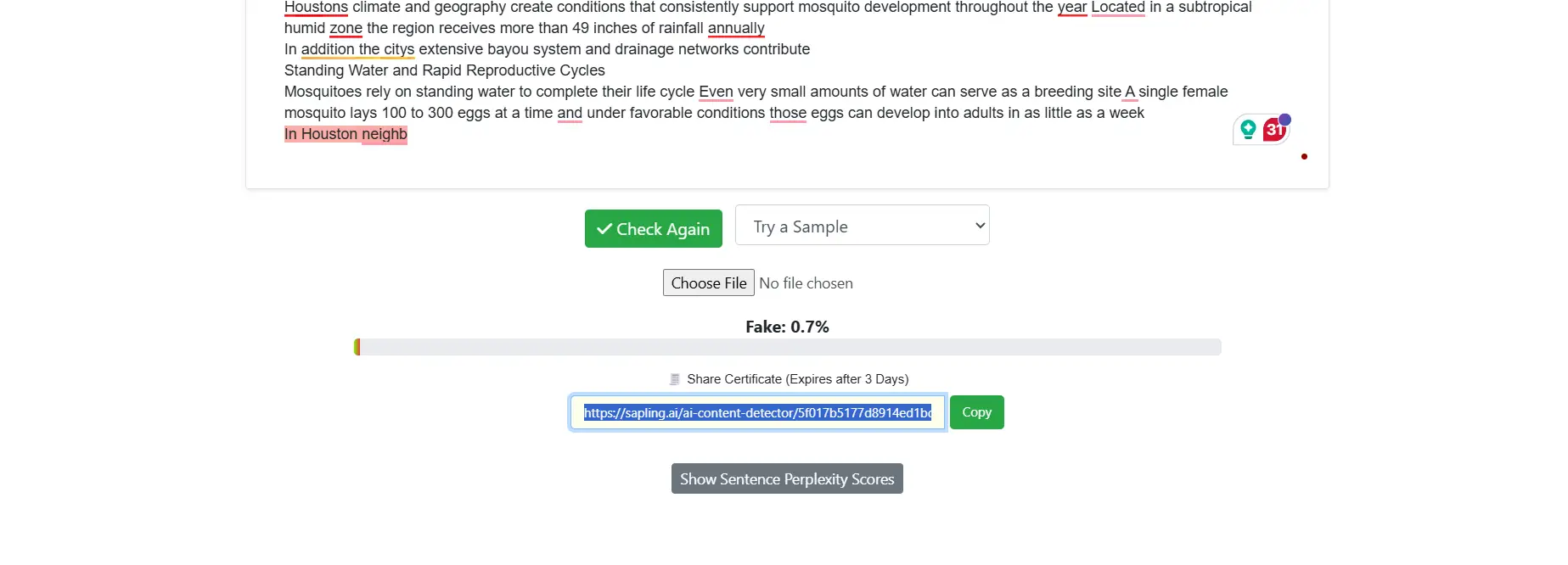
AI Content Detection Report
https://sapling.ai/ai-content-detector/5f017b5177d8914ed1bd90ab4b1feb65
Plagiarism Detection Report