From Interior Design to Everyday Jewelry: How Natural Material Preferences Influence Ring Choices
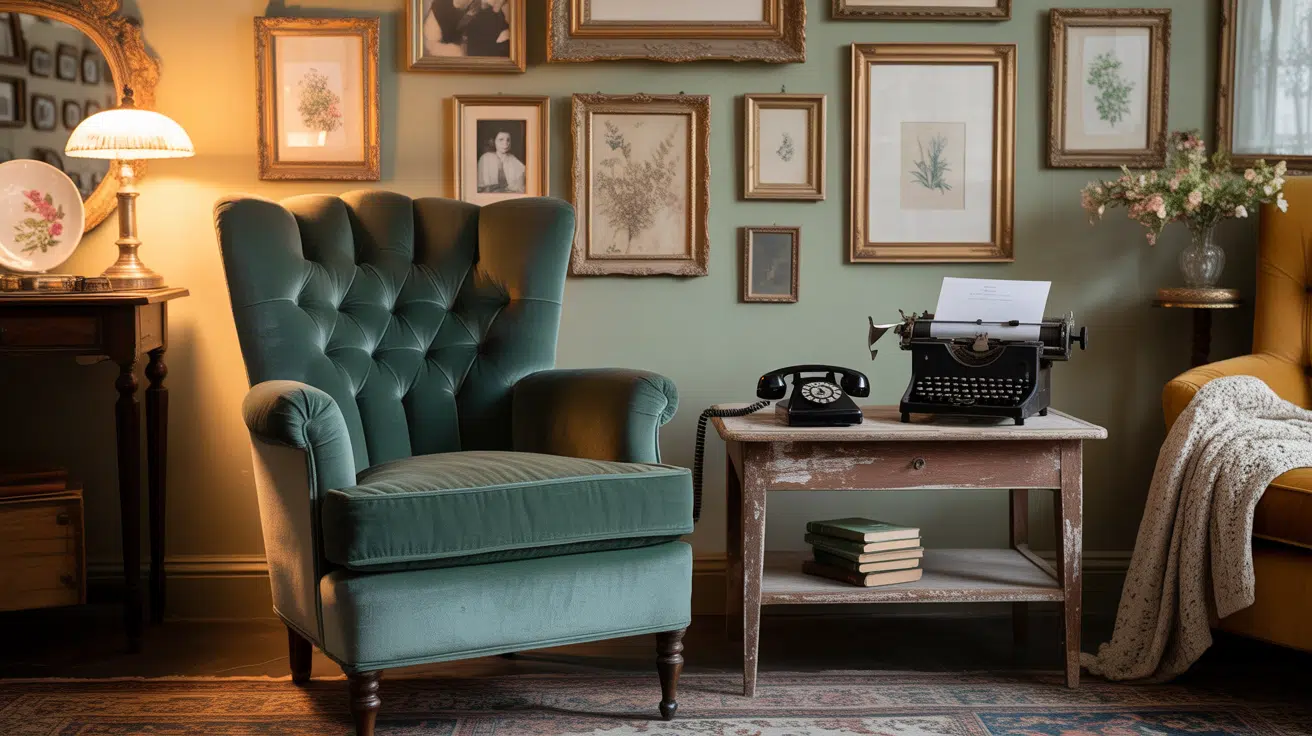
Walk through a well-styled home now, and the most interesting details are rarely the glossiest ones. They are the grain in a wood table, the slub in a linen curtain, the uneven edge of a clay vase, or the quiet veining in stone. These details do not shout for attention, but they keep a room from feeling flat.
That same eye for natural texture does not have to stop at furniture, wall colors, or soft furnishings. It can also shape the smaller objects people choose to keep close, including the rings they wear every day. Once that preference moves into jewelry, the question becomes less about choosing the most polished or traditional stone. A natural gemstone with visible texture, such as moss agate, starts to feel like a more natural extension of that taste.
Moss Agate Rings Bring Natural Texture into Jewelry
Moss agate is a gemstone known for the green inclusions that appear inside the stone. Some pieces look pale and airy, with fine green threads drifting through them. Others carry denser markings, closer to a forest floor or a landscape seen through glass. No two stones develop exactly the same pattern.
That variation is part of what appeals to people who are already drawn to natural materials. The interest comes from the material itself rather than from added decoration. It is closer to choosing a slab of marble, a piece of wood, or a length of linen for a home than choosing a single flat color.
A nature-inspired moss agate ring fits naturally into that way of seeing. The stone invites a closer look, revealing different details from one piece to the next. For people who are drawn to texture, variation, and materials that do not look factory-uniform, it can feel more compelling than a perfectly consistent surface.
Soft Colors Make Moss Agate Easier to Wear

Moss agate works well with the palette often found in natural home styling: linen, oatmeal, cream, camel, and soft olive. The green inside the stone does not need bright colors around it. It often looks stronger when the rest of the palette stays soft.
A linen shirt, a cream knit, a camel coat, or a simple cotton dress can give the stone room to breathe. Rather than competing with the green inside the agate, these quieter tones allow the pattern to remain the focal point. The result feels less like a statement piece and more like a natural part of the overall look.
The metal around the stone changes the mood as well. Yellow gold brings out warmth and can make the green feel earthier. Rose gold softens the look further, especially with pale or misty stones. White gold or silver creates more contrast and can make the stone feel cooler and more contemporary.
Ring Cuts Change the Style
People who are drawn to traditional engagement ring styles often gravitate toward oval and pear cuts. The softer outline feels familiar and lets the pattern inside the stone take center stage.
Hexagon cuts appeal to a different taste. Their clean geometry creates more structure around the stone and can feel at home alongside interiors, clothing, and objects built around simple lines and stronger shapes.
Kite cuts tend to attract people looking for something less expected. The sharper silhouette creates more contrast with the organic pattern inside the stone, making the ring feel more distinctive without relying on extra decoration.
That flexibility helps explain why moss agate has found a place in so many different ring styles. Collections such as those from Romalar Jewelry show the stone in vintage-inspired settings, nature-themed designs, classic solitaires, and bridal sets.
Rather than pointing toward a single aesthetic, moss agate can adapt to different tastes while still keeping its recognizable character.
When Natural Materials Become Everyday Jewelry
People choose materials not only for how they look in a photograph, but for how they age, wear, and fit into everyday life. Jewelry is not very different. A material people admire in a room eventually has to function in daily life when worn as jewelry.
A stone surface on a coffee table stays where it is. A ring does not. It moves through commutes, grocery runs, workouts, weekends outdoors, and countless small routines.
That reality helps explain why ring design matters as much as the stone itself. A lower-profile setting often feels easier to wear through ordinary routines, while a higher setting may draw more attention to the stone but require a little more awareness throughout the day. Neither approach is inherently better. They simply reflect different priorities.
Moss agate often attracts people who appreciate natural materials, but questions about daily wear usually follow soon after. How much care does it need? What does durability look like over time? What are the trade-offs of choosing it for an engagement ring? Click here for a closer look at the realities of living with a moss agate engagement ring.
Those priorities are easier to weigh once the daily routines are clear. Care habits, durability, and the long-term pros and cons of moss agate all shape whether it feels right for an engagement ring. Click here for a closer look at those everyday considerations before choosing a moss agate ring.
Natural Texture Is Becoming a Style Choice
Ultimately, the interest in rings with visible internal patterns is not separate from the way people decorate their homes. A person’s taste does not stay neatly divided between interiors, clothing, and jewelry. The eye that keeps returning to raw wood, linen, clay, stone, and other materials with visible texture may begin to look for similar qualities in smaller things worn every day.
Moss agate fits into that habit of looking. A non-uniform gemstone can feel like a natural continuation of the same taste. The ring is not just an accessory added at the end. It becomes another small place where that preference for material, texture, and quiet variation appears.