17 Cafe Interior Design Ideas that Work
Running a cafe is hard enough without worrying about whether your space is driving customers away.
Poor lighting, cramped layouts, and mismatched decor can quietly hurt sales and reduce customer dwell time.
Good cafe interior design changes that. It improves comfort, guides customer flow, and makes your space memorable enough to bring people back.
The right design does not have to cost a fortune or require a complete rebuild.
What Does Cafe Interior Design Involve?
Cafe interior design focuses on shaping the physical space, from layout and furniture to lighting, colors, and materials, while expressing the brand’s personality.
Even a visually appealing cafe can face problems like cramped aisles, dim lighting, or poorly placed counters that disrupt workflow and customer flow.
A well-designed cafe blends style with function, ensuring the space is easy to navigate, comfortable to linger in, and consistent with the experience the cafe aims to provide.
What Is the 70/30 Rule in Cafe Interior Design?

The 70/30 rule is a common cafe interior design principle used to create a balanced and visually organized space.
It helps interiors feel cohesive without looking too plain or overly crowded.
Here’s how the rule usually works:
The 70/30 rule is a simple design approach in which one dominant style, color, or material covers most of the space, while a contrasting element adds visual interest.
- Around 70% of the space follows one main style, color palette, or material theme.
- The remaining 30% adds contrast through accent colors, textures, or secondary design elements.
- A rustic cafe uses reclaimed wood and earthy tones as the base, then adds matte-black lighting or modern furniture as accents.
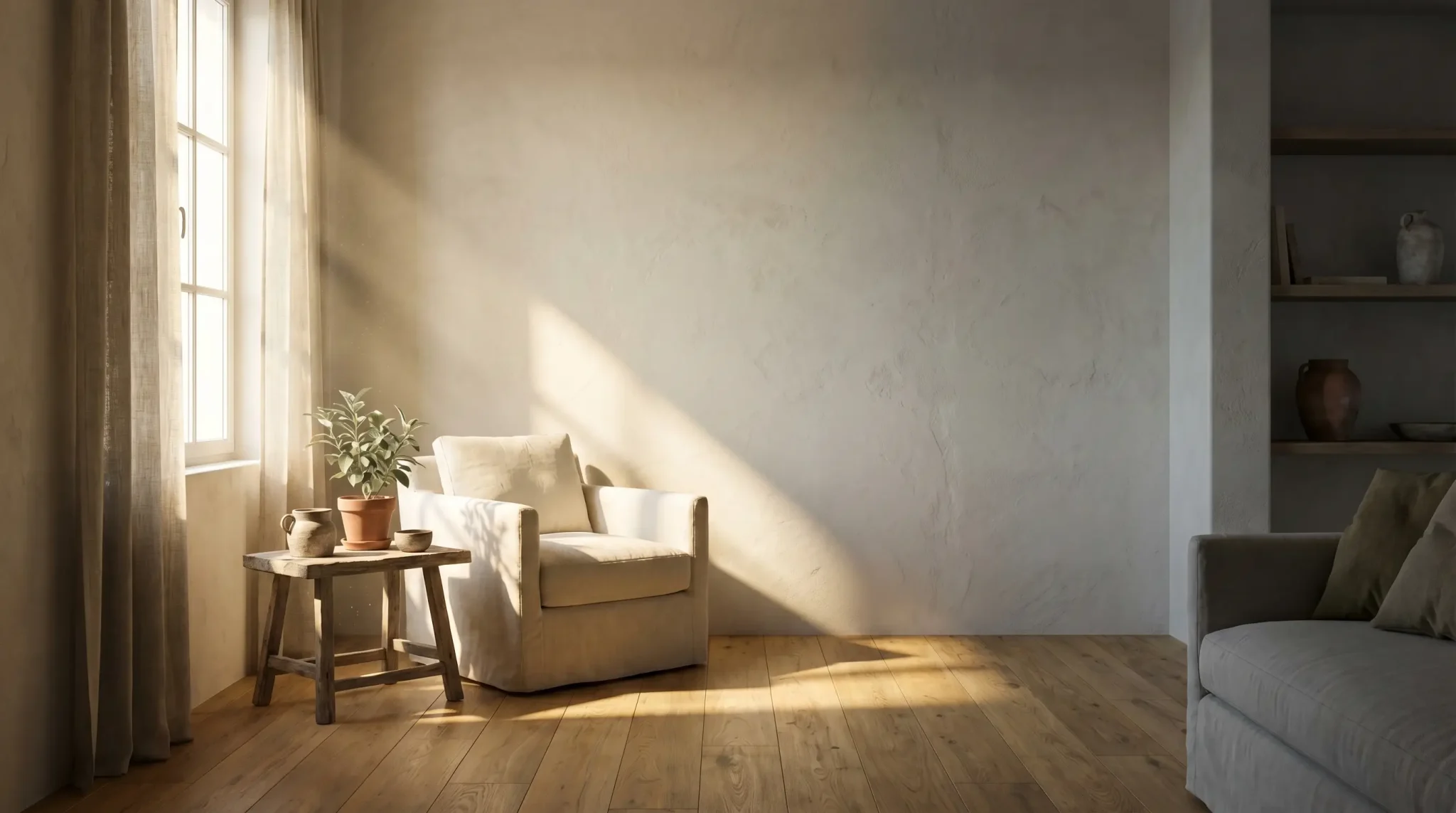
- A minimalist cafe relies on neutral shades, using textured walls or warm wood details to add visual depth.
Best Cafe Interior Design Styles
The right interior design style sets the mood, attracts customers, and makes your cafe memorable.
Read the list below to explore the best cafe interior design styles and find the right fit for your space:
1. Minimalist Cafe Design

Minimalist cafe interiors focus on clean layouts, open spaces, and soft neutral colors. White, beige, warm grey, and natural wood tones help create a calm atmosphere.
Slim furniture, floating shelves, warm lighting, and indoor plants keep the space simple. This style works especially well in urban cafes and busy college-area locations.
2. Industrial Cafe Design

Industrial cafe interiors use exposed brick, concrete floors, dark metal, and visible beams. Weathered wood and warehouse-inspired details help create a bold modern look.
Warm lighting, leather seating, and plants help soften the harder materials naturally. This style works best in creative neighborhoods and converted commercial spaces.
3. Rustic and Farmhouse Design

Rustic cafe interiors focus on natural materials and warm, earthy color combinations. Reclaimed wood, stone surfaces, wicker accents, and chalkboard walls are common.
Tan, cream, forest green, and terracotta create a warm neighborhood atmosphere. This style is especially popular in suburban and small-town cafe settings.
4. Modern Luxury Cafe Design

Modern luxury cafe interiors focus on premium materials and polished finishes. Marble counters, brass accents, matte black fixtures, and soft seating are common.
Cream, charcoal, and warm white tones help maintain a refined atmosphere. Balanced detailing helps the cafe feel elegant without looking overly decorative.
5. Cozy and Hygge-Inspired Design

This cafe style focuses on comfort through warm lighting and soft seating. Plush chairs, cushioned benches, and layered textures create a relaxed atmosphere.
Burnt orange, mustard, deep brown, and muted sage add warmth to the space. This style works well for remote workers and customers who stay longer.
6. Scandinavian and Nordic Design

Scandinavian cafe interiors use simple layouts and light natural materials throughout. Pale wood, matte ceramics, soft fabrics, and open spaces are commonly used.
Warm white lighting and textured fabrics prevent the space from feeling empty. This style is popular in modern specialty coffee shops across the US.
7. Bohemian and Eclectic Design

Bohemian cafe interiors combine mixed textures, vintage furniture, and artistic decor. Woven rugs, hanging plants, and patterned tiles help create a creative atmosphere.
Teal, rust, mustard, and terracotta add color while wood tones add balance. This style works especially well in arts districts and college-town cafes.
8. Vintage and Retro Design

Vintage cafe interiors take inspiration from classic diners and old coffee houses. Mid-century furniture, brass fixtures, and patterned flooring are common features.
Pendant lights, leather seating, and retro wall art help strengthen the atmosphere. Choosing one design era helps keep the overall look balanced and consistent.
Layout Ideas for Cafes
A cafe layout affects how customers move, order, sit, and interact with the space. Well-planned layouts help improve comfort, customer flow, and overall daily operations.
9. Open Kitchen Concept

An open kitchen allows customers to watch food and drinks being prepared live. This layout builds trust and creates a more engaging cafe experience.
It also helps guide attention naturally toward the ordering counter area. Keeping the kitchen organized and visually clean is especially important.
10. Zoning Layout

Zoning divides the cafe into separate areas for ordering, pickup, and seating. This layout naturally improves customer flow during busy service hours.
Wide walkways make movement easier and improve overall customer comfort. Balanced zoning also helps staff work more efficiently throughout the cafe.
11. Reclaimed Wood Feature Walls

Reclaimed wood feature walls add texture, warmth, and a strong visual focal point. They work well in rustic, industrial, Scandinavian, and cozy cafe interiors.
These walls also help separate seating areas and improve the cafe atmosphere. Using reclaimed wood can also help reduce material costs in some projects.
Lighting Ideas for Cafes
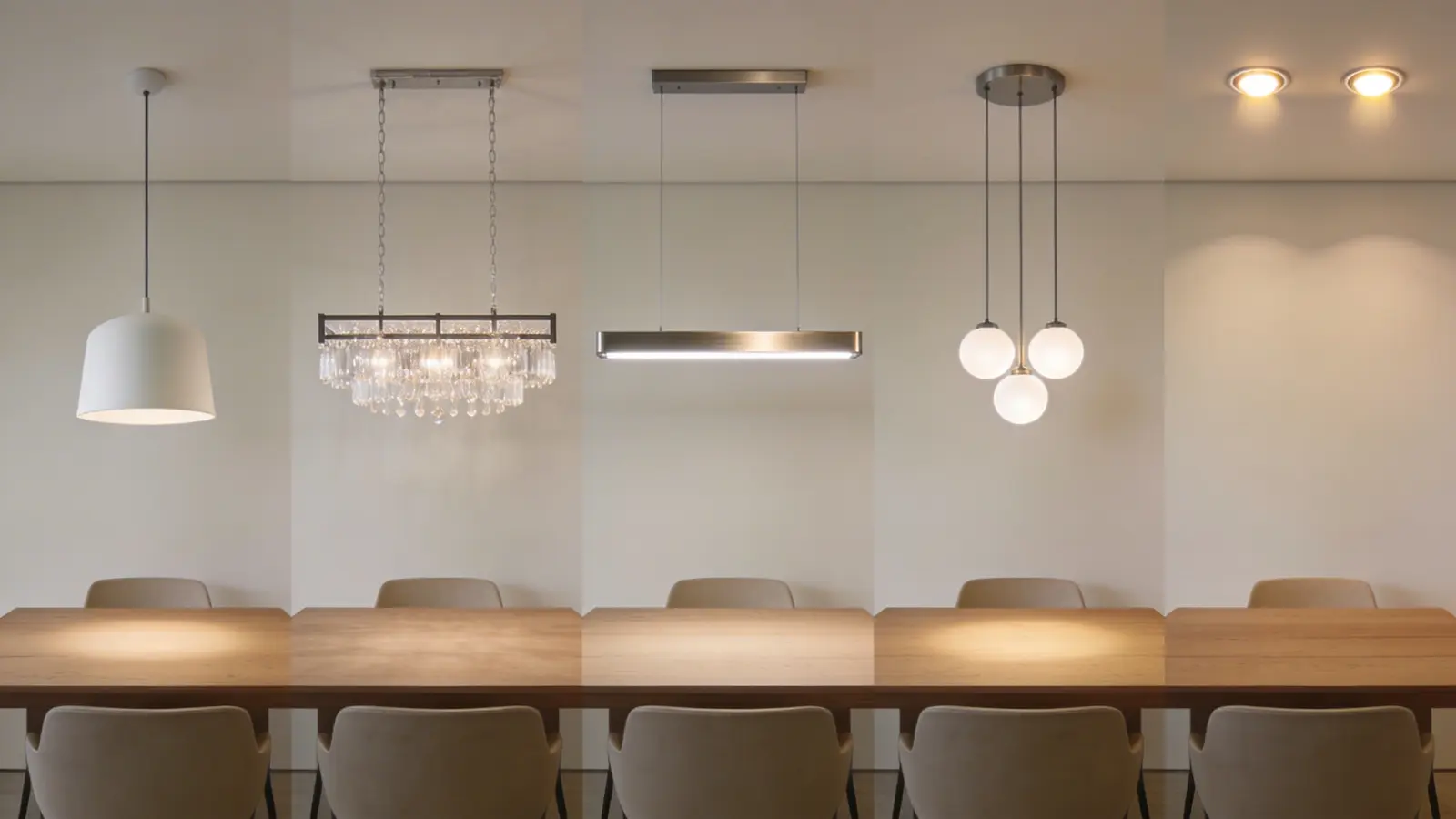
Lighting affects how comfortable and welcoming a cafe feels throughout the day. The right mix of brightness, warmth, and fixture placement can improve both atmosphere and customer experience.
12. Pendant Light Clusters Over Seating Areas

Pendant light clusters help define seating spaces without using physical dividers. They create a more intimate atmosphere around the lounge and communal seating areas.
Edison bulb pendants suit industrial and rustic interiors especially well. Fabric and ceramic shades work better in Scandinavian and cozy cafe spaces.
13. Edison Bulb Fixtures

Edison bulbs create a warm amber glow that softens the look of harder interior materials. They are widely used in industrial and rustic cafe interiors across the US.
These fixtures work well above tables, walls, and darker seating corners. LED Edison bulbs also improve energy efficiency while keeping the same look.
14. Dimmable Circadian Lighting Systems

Dimmable lighting helps cafes easily adjust the atmosphere throughout the day. Brighter lighting works better during morning and lunchtime service hours.
Softer evening lighting creates a calmer and more relaxed customer experience. This lighting setup improves comfort without requiring major interior changes.
Seating Ideas for Cafes
Cafe seating influences how long customers stay and how they interact with the space. Comfortable and functional seating layouts help create a more relaxed and flexible cafe environment.
15. Reading Nooks and Window Seat Installations

Reading nooks and window seats are popular with students and remote workers. Soft cushions, side tables, and charging outlets improve comfort during long visits.
Built-in seating also helps use smaller cafe spaces more efficiently overall. Window seating often becomes one of the most requested spots in the cafe.
16. Curved Banquette Seating

Curved banquette seating creates a stronger sense of comfort and privacy. The enclosed shape helps customers feel more relaxed during longer visits.
Upholstered back panels also help reduce noise and improve cafe acoustics. This seating style works especially well in cozy and luxurious cafe interiors.
17. Communal Long Tables

Communal tables naturally create a social and welcoming cafe environment. They work especially well in neighborhood cafes and college-town locations.
Solo customers often feel more comfortable sitting at shared seating areas. Reclaimed wood surfaces also help add warmth and character to the space.
Cafe Interior Design Trends in 2026
Read the trends below, which show what modern cafes are doing to stay relevant and keep customers coming back.
| Trend | What It Looks Like | Why It’s Trending |
|---|---|---|
| Warm Minimalism | Wood, earth tones, soft seating | Comfort over cold industrial spaces |
| Third Place Evolution | Work zones with charging ports | Cafes doubling as remote workspaces |
| Invisible Technology | QR menus and smart lighting | Convenience without heavy tech feel |
| Sustainability by Design | Reclaimed materials, efficient lighting | Eco-friendly design appeals to younger customers |
| Biophilic Elements | Plants and natural materials | Improves comfort and reduces noise |
How to Choose a Cafe Interior Designer?
Selecting the right cafe interior designer is key to turning your vision into a functional, inviting space.
Start by reviewing portfolios to see if their style aligns with your brand and the atmosphere you want to create.
Check references or client reviews to understand their reliability, communication, and ability to manage budgets and timelines.
Discuss your goals, budget, and timeline upfront to ensure they can deliver a design that meets both aesthetic and practical needs.
A good designer not only enhances the cafe’s look but also improves flow, comfort, and the overall customer experience.
What Cafe Interior Design Costs in the US
Costs vary depending on the scope of work, location, and finish level. Here are the common ranges for US cafe projects in 2026.
- Cosmetic Refresh: Paint, lighting updates, and minor furniture replacements typically cost between $5,000 and $15,000.
- Mid-Range Renovation: New flooring, updated counters, and replacement seating run $50 to $150 per square foot.
- Full Commercial Buildout: The cost to convert a raw shell into a finished cafe ranges from $150 to $300 per square foot, with higher costs in major cities.
- Design Fees: Commercial firms charge 10-15% of the total project cost; freelance designers charge $50-$100 per hour.
- Budget Share: Interior design typically accounts for 15-25% of total cafe startup costs.
Quick Takeaway: Cafe renovation costs vary widely; set a clear budget and scope before hiring anyone. A mid-range fit-out runs $50 to $150 per square foot, while a full buildout can reach $300 per square foot in major US cities.
Conclusion
A well-designed cafe does more than look good. It shapes how customers feel, how long they stay, and whether they come back.
Good cafe interior design balances style with function, from the layout and lighting to the seating and materials.
You do not need a massive budget to create a space that works. Small, intentional changes to lighting, seating, and flow can make a noticeable difference in the customer experience.
Start with one area, set a clear budget, and build from there.
Ready to redesign your cafe? Share your biggest interior design challenge in the comments below, and we will help you find the right solution.
Frequently Asked Questions
How Can I Make My Cafe Look Attractive?
Focus on consistent style, warm lighting, and a few strong decor elements rather than filling every corner. Clean layouts, quality materials, and good lighting do more than excessive decoration.
What Colors Work Best for a Cafe Interior?
Warm tones like beige, cream, and brown create a sense of comfort. Greens and blues add calm. Neutral palettes keep the space elegant and let food and drinks stand out visually.
How Do I Plan a Cafe Interior From Scratch?
Start by defining your customer type and service model. A fast-turnover cafe needs clear queue flow; a sit-down space needs comfort, acoustics, and dwell-friendly seating before choosing any finishes.