How to Fix Peeling Paint: A Complete Guide
Most people blame the wrong brand of paint and the wrong finish. But the can is rarely the problem; walls fail before the brush touches them.
Skipped prep, trapped moisture, one rushed coat, that’s what causes peeling. The damage shows up months later, long after the job looked done.
Not every peel is the same, and not every fix is permanent. Addressing the real cause matters more than picking the right color.
The wall always tells you why. The paint just shows it.
Why Paint Peels, and How to Fix It?
Paint doesn’t fall off walls randomly. There’s always a reason, and finding it is the first step to a fix that actually lasts.
Moisture is the main culprit. When water gets behind paint, it breaks the bond between the paint and the wall. Bathrooms and kitchens get hit hardest because of steam and splashing.
Poor Prep is the problem. If the wall isn’t cleaned and dried before painting, the paint has nothing to hold onto.
Painting over slick surfaces, skipping primer, or adding a second coat too soon creates weak spots that peel faster than you’d expect.
Peeling paint is almost always a preparation problem, not a paint problem. Fix the surface first, and the paint will hold.
Essential Prep Work for a Long-Lasting Repair
Preparation decides whether your repair lasts two years or twenty. Every shortcut here directly shortens how long the paint holds.
- Clean the Surface First: Remove all dirt, grease, and dust before doing anything else. New paint bonds to whatever is on top, not the actual wall underneath it.
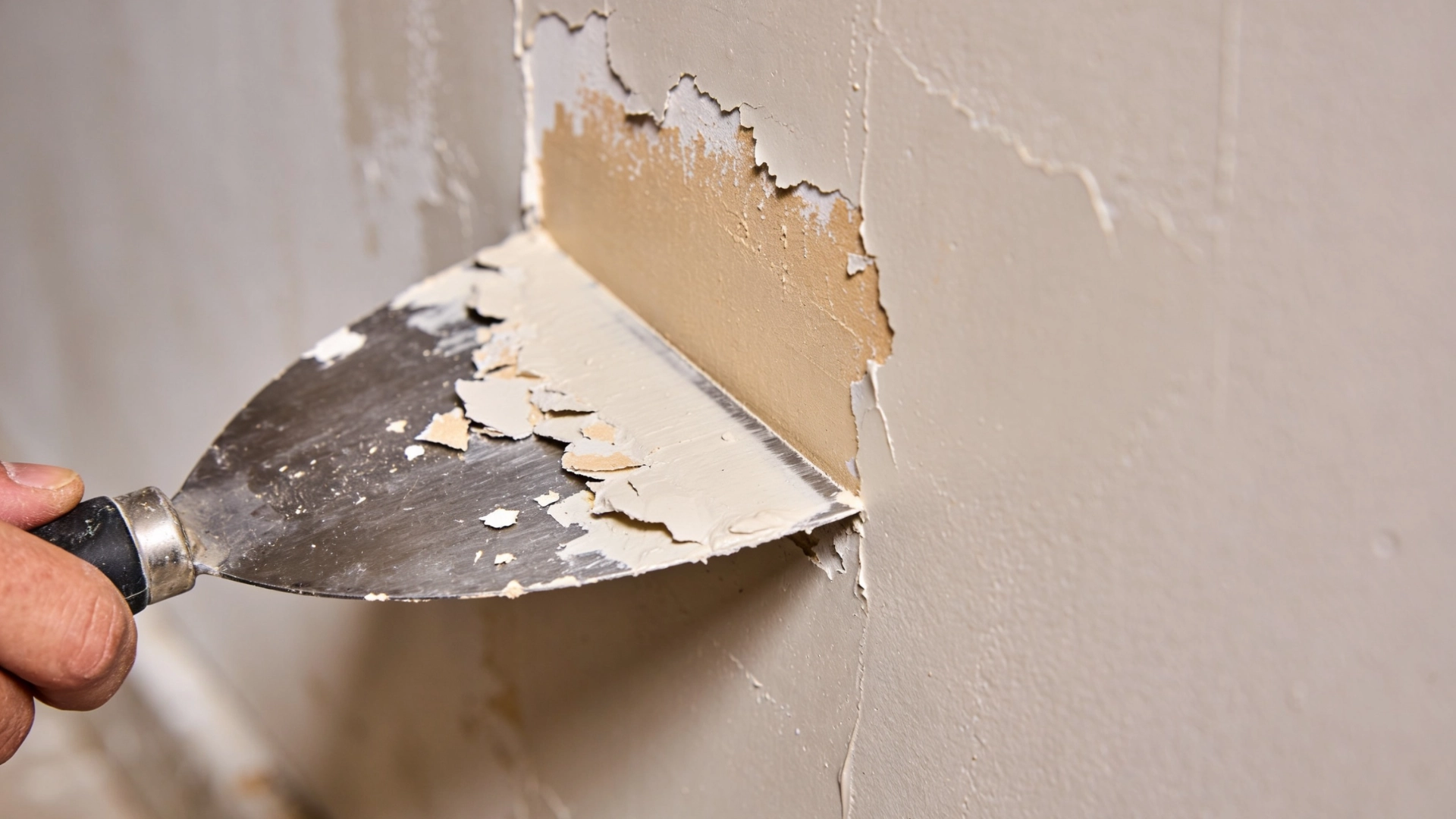
- Scrape Off All Loose Paint: Push a putty knife under every peeling edge and scrape it completely off. Any loose paint left behind will pull your new coat right off with it.
- Sand the Scraped Area: Start with 80-grit sandpaper to knock down rough edges, then switch to 120-grit to smooth everything out.
- Prime the Surface: Never skip primer’ it seals the wall and gives paint a solid base to grip. Bare spots without primer dry differently and almost always peel first.
Step-by-Step Guide to Fixing Peeling Paint
Fixing peeling paint may seem frustrating at first, but the process becomes much easier when handled one step at a time with the right preparation.
Step 1: Apply Primer Evenly
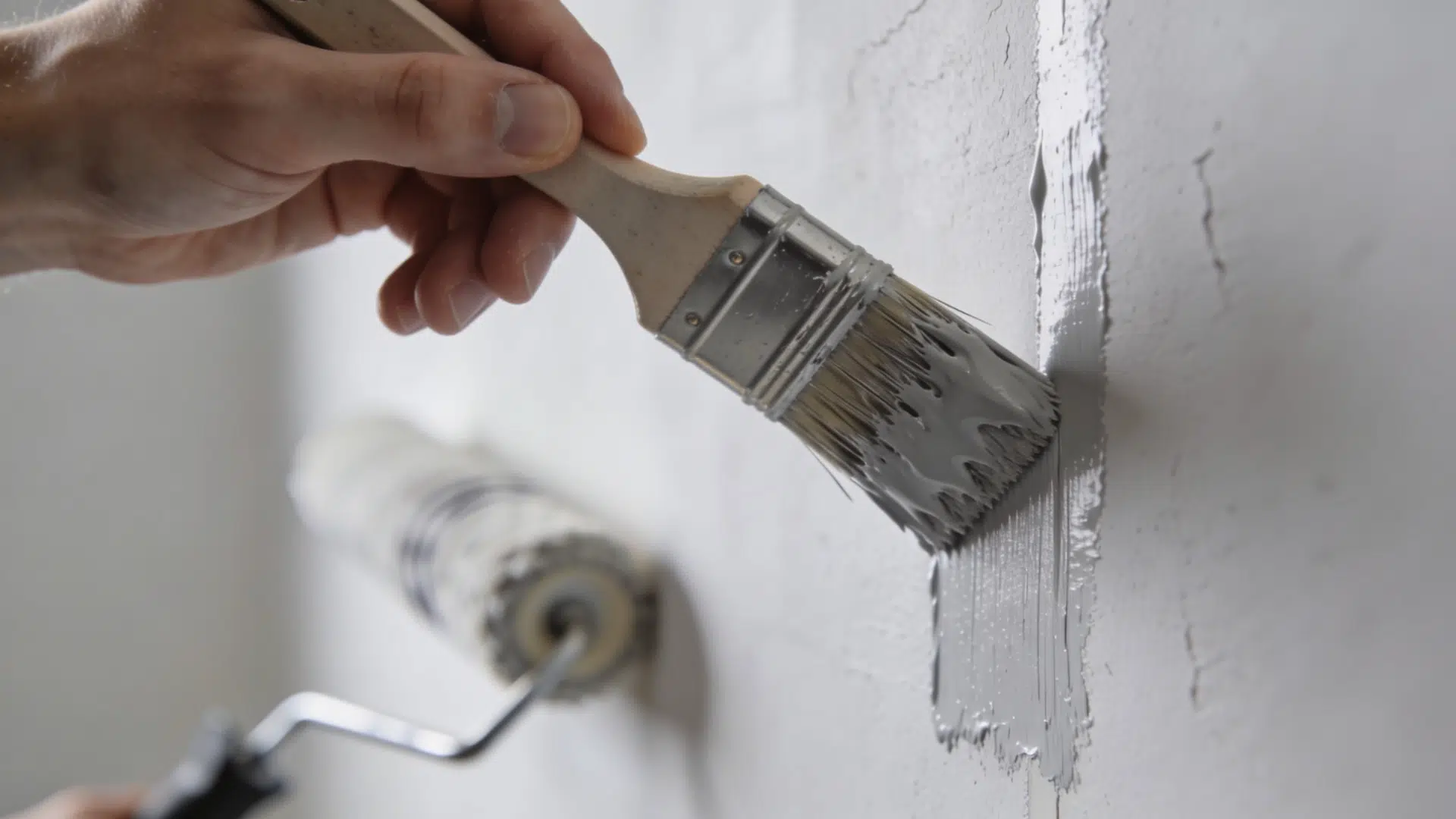
Cut in the edges with a brush first, then roll the flat areas in one smooth, even coat. Don’t rush, an uneven primer coat means uneven paint on top.
Let the primer dry fully, one to two hours minimum. Check for any thin spots or streaks before moving on to paint.
Step 2: Apply the First Paint Coat
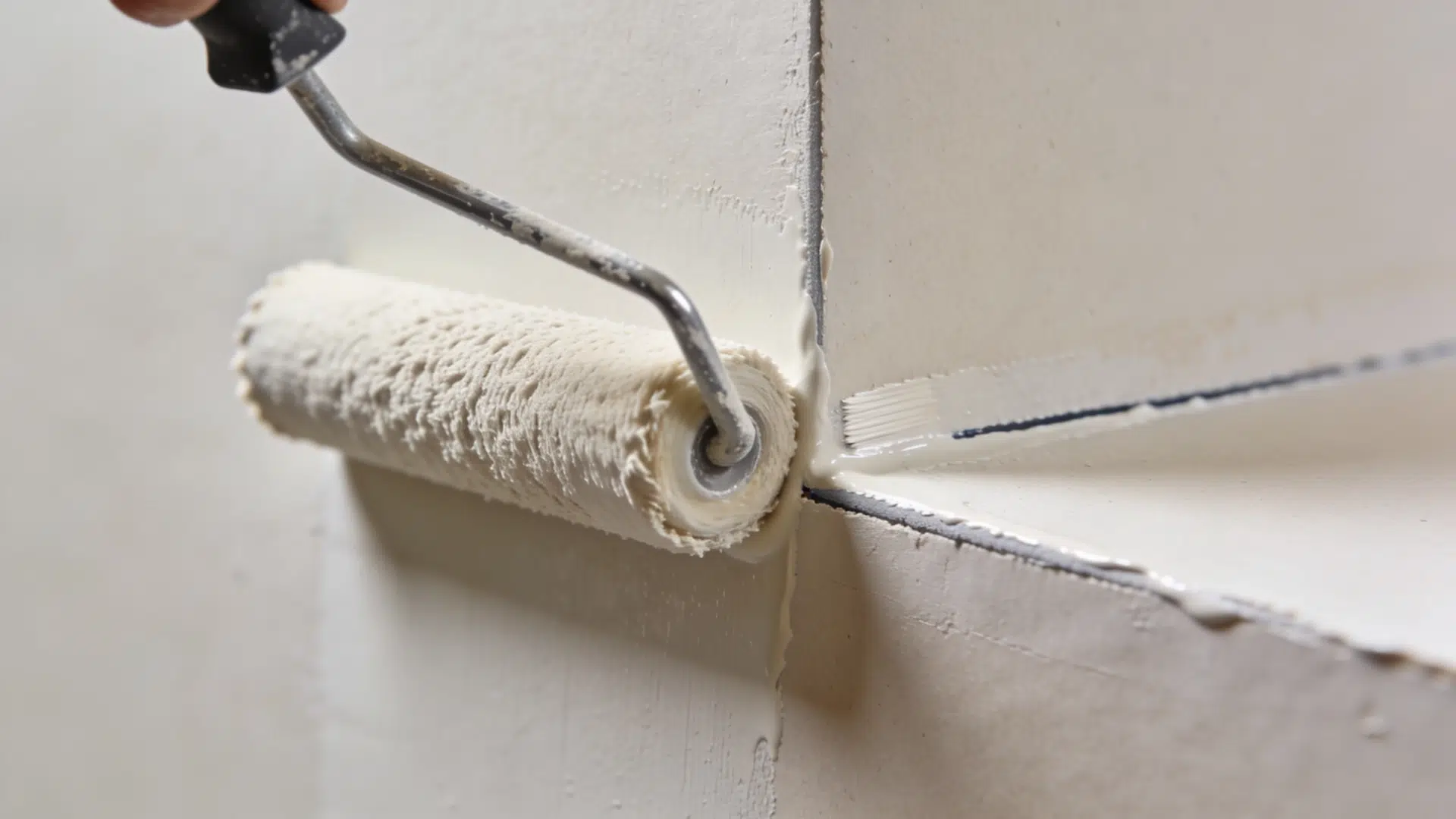
Use a brush for edges and corners, a roller for open flat areas. Apply the coat thin and even thick coats drip, crack, and peel as they dry.
Always paint in one consistent direction. This keeps the finish smooth and prevents visible lap lines once the coat dries.
Step 3: Let the First Coat Dry Fully
Wait at least two hours before touching the wall or adding another coat. Rushing this step is one of the most common reasons paint peels right after a fresh repair.
The surface should feel completely dry and firm, not tacky or soft anywhere. If it still feels damp, wait longer.
Step 4: Apply the Second Coat
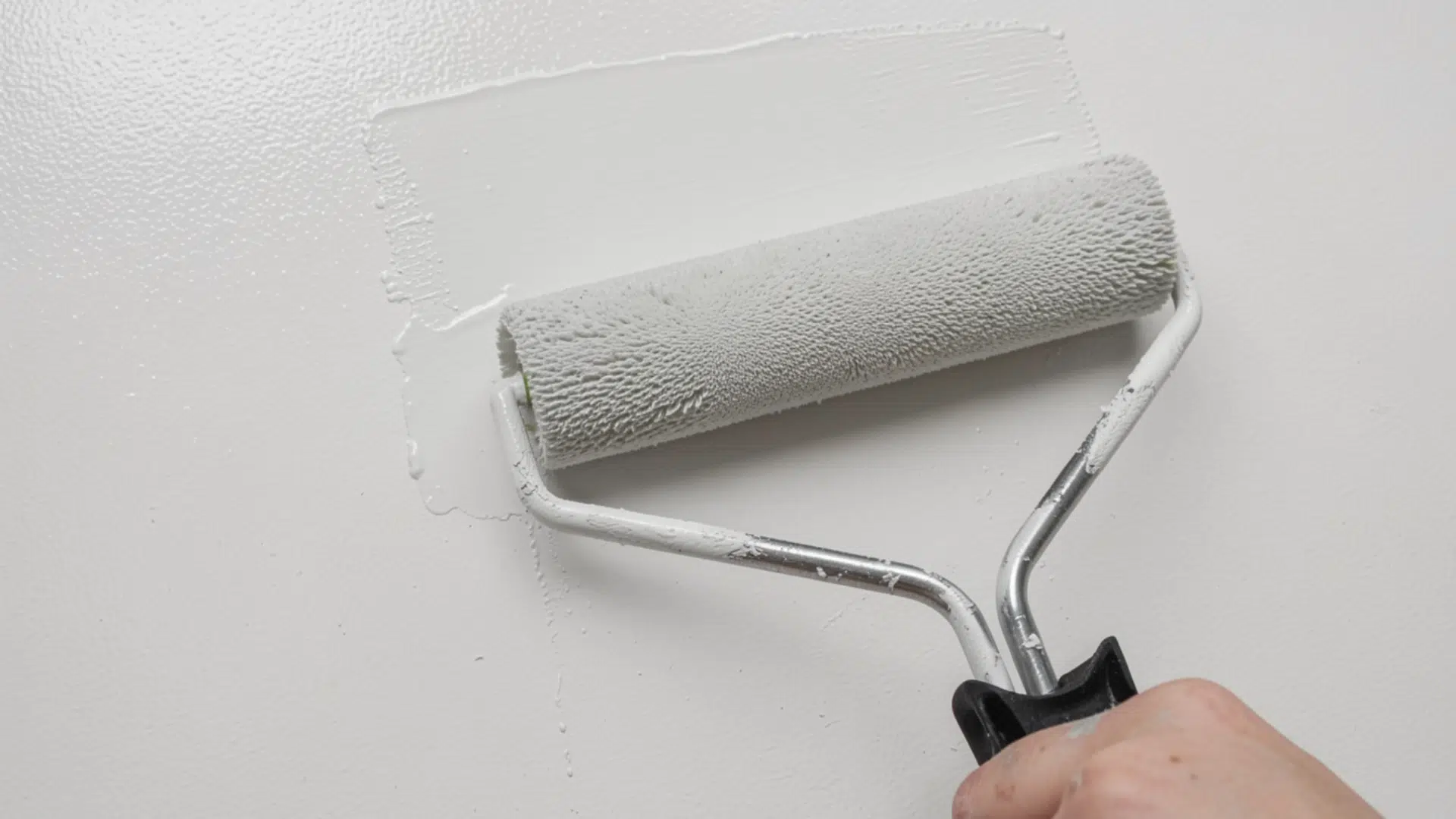
Roll on the second coat the same way as the first thin, even, and in one direction. This coat gives the wall full color coverage and lasting protection.
Once dry, check the finish under light for any thin spots or streaks. A solid, even finish means the repair is done right.
How to Troubleshoot Common Painting Issues?
Even when the repair is done carefully, things can still go wrong. Here are the four most common problems and exactly how to fix them.
- Paint Still Peeling After Repair: Rushing coats or skipping primer undoes the repair fast. Wait for full drying time, prime correctly, and use quality paint, those three things prevent most repeat peeling.
- Surface Not Properly Prepped: A clean-looking wall isn’t always paint-ready. Skipping sanding or leaving grease behind blocks adhesion completely, and the paint holds just long enough to fool you.
- Uneven Paint Layers: Thick coats drip and crack, thin coats leave patchy spots. Sand smooth, wipe off dust, and repaint in thin steady strokes, slow wins every time.
- Paint Bubbles: Moisture trapped under paint forces bubbles up through the surface. Scrape, sand, prime, and repaint thin, catch them early and the fix takes minutes.
Most paint problems come down to one thing, rushing. Give each step the time it needs and the repair holds.
Preventing Future Peeling
The repair is done, now the goal is making sure it stays that way. A few simple habits go a long way toward keeping paint on the wall where it belongs.
| Maintenance Area | Recommended Action | Benefit |
|---|---|---|
| Moisture Control | Run exhaust fans and fix leaks quickly | Prevents peeling and moisture damage |
| Humidity Levels | Keep humidity below 50% | Reduces paint failure in damp rooms |
| Wall Cleaning | Wipe walls every few months | Removes grease, dust, and buildup |
| Touch-Ups | Repair chips and scratches early | Stops moisture from getting underneath |
| Surface Protection | Use sealers on kitchens, bathrooms, and exterior wood | Adds extra durability and protection |
| Repainting Schedule | Repaint interiors every 5–7 years and exteriors every 3–5 years | Keeps surfaces protected and fresh-looking |
Conclusion
Peeling paint always has a reason, and now you know how to find it, fix it, and stop it coming back.
Rush the prep, skip the primer, or paint over moisture, and the same wall peels again within months. Patience is the real tool here.
Do it right once – clean, scrape, sand, prime, paint, and the repair holds longer than any shortcut ever would. The basics never change, and neither does the result.
Frequently Asked Questions
How Long Does it Take to Fix Peeling Paint?
The full process’ scraping, sanding, priming, and painting’ takes one to two days. Most of that time is waiting for primer and paint coats to dry completely.
What Type of Primer Should I Use for Peeling Paint Repair?
It depends on your surface’ PVA for drywall, oil-based for bare wood, rust-stopping for metal, and shellac-based for water stains. Using the wrong primer is almost as bad as skipping it entirely.
How Do I Stop Paint from Peeling in Bathrooms?
Run exhaust fans during and after showers to control moisture, and use a moisture-resistant paint with a clear topcoat sealer. Humidity is the number one reason bathroom paint fails early.