Top Window Treatment Trends: What’s In for Modern Interiors
Window treatment trends in 2026 are being shaped by more than color and fabric. Rising utility costs, wider smart home adoption, and a stronger focus on comfort are changing how homeowners think about blinds, shades, curtains, and shutters.
Modern window coverings are no longer treated as a final decorative layer. They are being chosen for energy efficiency, privacy, automation, UV protection, and daily comfort. The latest trends in window coverings point to a more practical kind of design: cleaner, smarter, easier to use, and better suited to how people actually live.
Why Window Treatments Are Evolving in 2026
Homeowners are paying closer attention to upgrades that can improve comfort without major construction. For buyers comparing online window-covering brands such as Factory Direct Blinds, the priorities are becoming clearer: better light control, privacy, easier operation, and products that make sense beyond decoration.
Current window treatment trends are tied to a few practical needs:
- Energy efficiency and better temperature control
- Smart home integration for convenience
- UV protection for interiors and skin exposure
- Flexible daylight management
- Softer, warmer modern design
The U.S. Department of Energy describes daylighting as using windows and skylights to bring sunlight into a home, reducing the need for artificial lighting during daylight hours. Its daylighting guidance also notes that east- and west-facing windows can create glare and unwanted summer heat, which is one reason shading is becoming part of practical home planning.
Smart Window Shades Continue to Dominate Modern Interiors
Smart home upgrades are one of the strongest window technology trends because they remove daily friction. Instead of adjusting every shade manually, homeowners can schedule light, privacy, and heat control around the way the home is used.
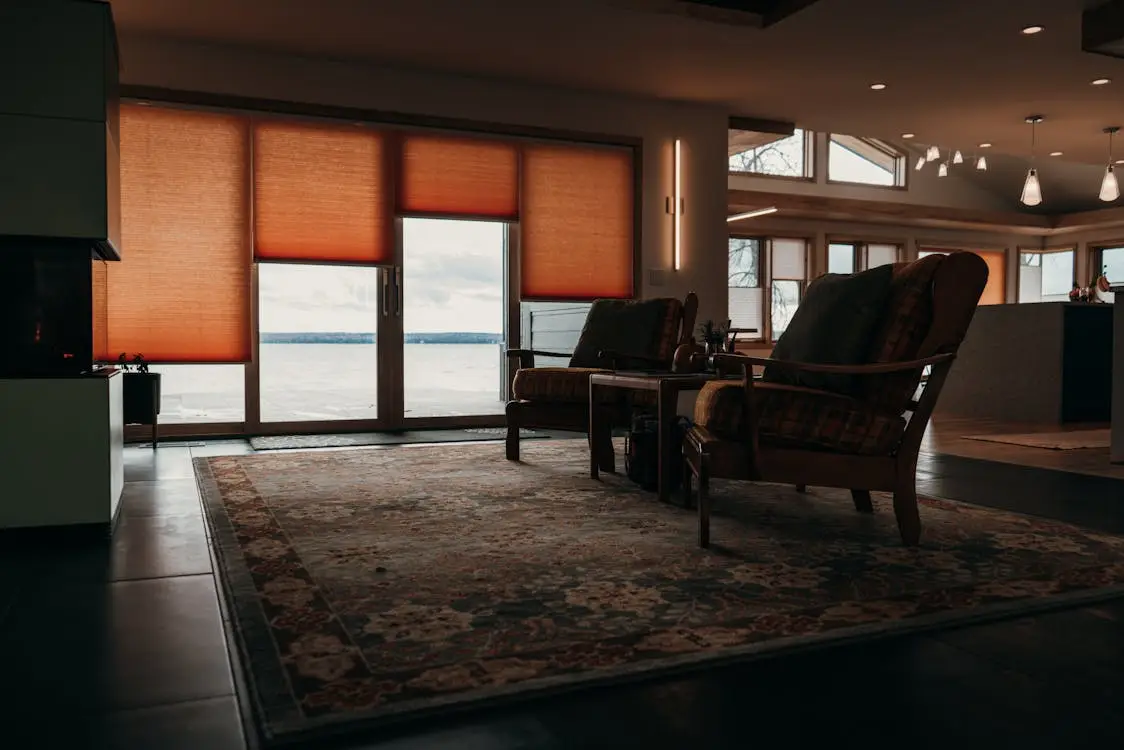
Motorized Shades Become Mainstream
Motorized shades used to feel like a high-end feature. In 2026, they are becoming more common in bedrooms, living rooms, home offices, and spaces with large or hard-to-reach windows.
The appeal is simple: less effort and better timing. A shade can close before harsh afternoon sun overheats a room or lower automatically in the evening when privacy matters.
Energy Savings Through Automation
Automated shades can support energy-conscious routines by closing during strong sun exposure and opening when daylight is useful. They do not replace insulation or efficient windows, but they can reduce unnecessary heat gain and make rooms easier to manage.
For cost-conscious homeowners, that is the key point. Automation is not only about convenience; it can help window coverings respond to real daily conditions.
Layered Window Treatments Are Replacing Single-Layer Designs
Layered window treatments remain one of the latest trends in window coverings because they give homeowners more control. A single blind may provide privacy, but adding curtains or sheers can soften the room, improve insulation, and reduce light gaps.
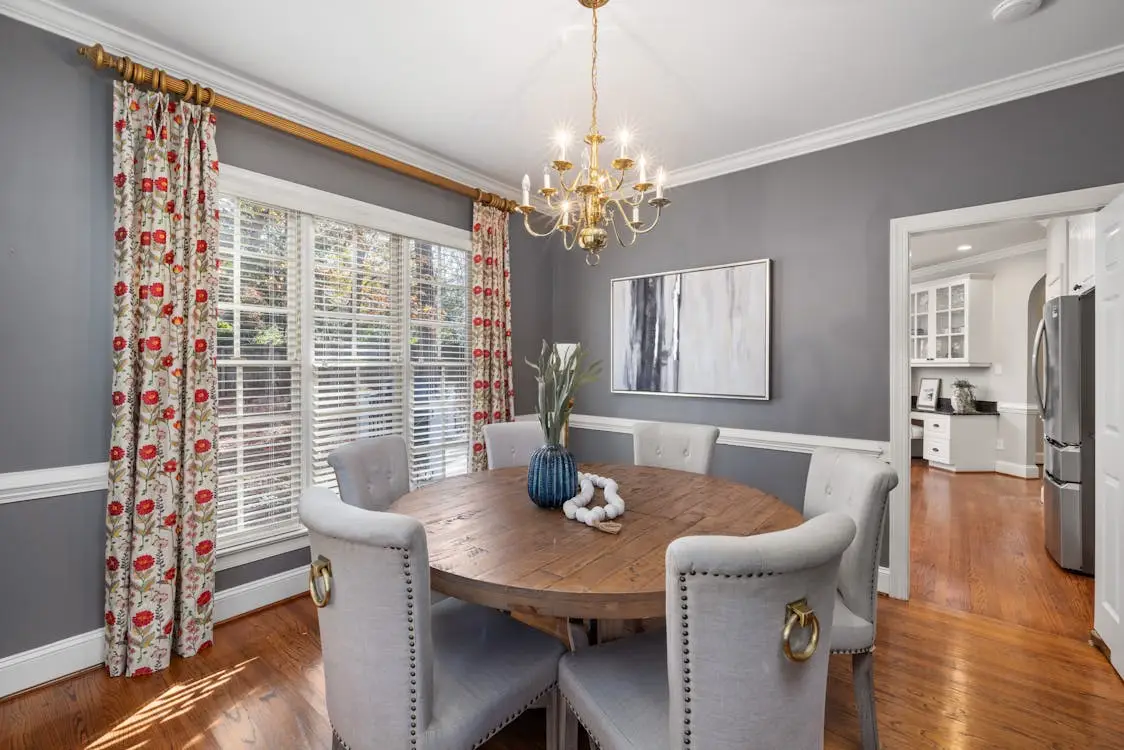
Combining Shades and Drapery
Layering works best when each element has a purpose. Sheers can filter daylight. Blackout drapery can darken a bedroom. Roller shades can create a clean base, while simple curtains add texture.
Popular combinations include:
- Sheers with blackout drapery
- Roller shades with linen-look curtains
- Woven shades paired with plain fabric panels
- Solar shades layered under soft drapes
This approach is especially useful in bedrooms, media rooms, and street-facing spaces, where a single product may not solve every problem.
Why Homeowners Want More Flexible Light Control
People want daylight, but not glare. They want privacy, but not dark rooms all day. They want comfort, but not heavy treatments that make interiors feel dated.
That is why new trends in window treatments are moving toward adaptable systems rather than one-size-fits-all solutions.
Minimalist and Slim-Profile Shades Lead Modern Design Trends
Modern interiors still favor clean lines, but the look is becoming warmer and less severe. Slim-profile shades, hidden hardware, and simple blinds help keep windows neat without making the room feel empty.
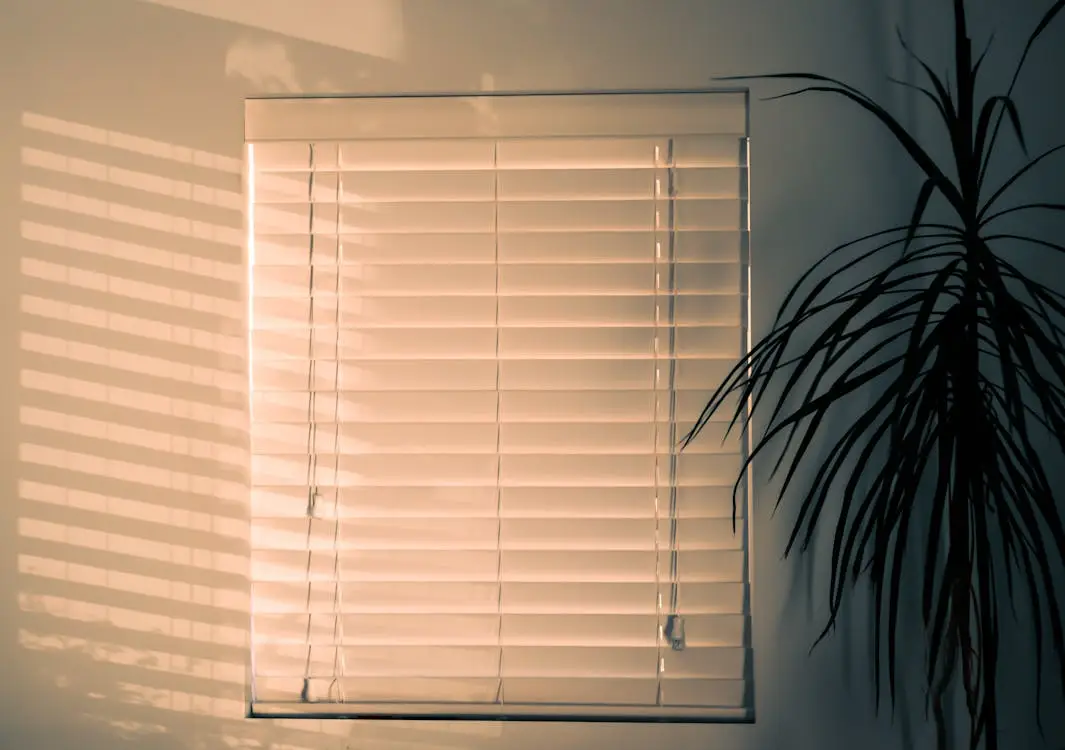
Trending Window Blinds for Contemporary Homes
Trending window blinds for 2026 include roller shades, zebra shades, slim aluminum blinds, and systems with discreet hardware. They work well in apartments, open-concept layouts, and modern homes with large windows.
The best versions do not demand attention. They frame the view, control light, and keep the room visually calm.
Sustainable and Energy-Efficient Window Coverings Gain Momentum
Energy-efficient solutions, meaning products that help reduce heat transfer, glare, or artificial lighting needs, are becoming more important as homeowners think about long-term value.
| Trend | Why It Matters | Best Fit |
|---|---|---|
| Cellular shades | Help improve insulation | Bedrooms and living rooms |
| Solar shades | Reduce glare and sun exposure | Offices and bright rooms |
| Motorized shades | Improve timing and convenience | Large or hard-to-reach windows |
| Layered treatments | Add flexibility and softness | Bedrooms and formal rooms |
| Woven materials | Bring natural texture | Warm modern interiors |
Cellular Shades and Solar Shades for Energy Efficiency
Cellular shades use a honeycomb-like structure that traps air near the window. Solar shades are designed to reduce glare and solar heat while preserving some outward visibility, depending on the fabric’s openness.
Both products fit current window covering trends because they combine comfort with performance. They are not purely decorative choices.
Natural Materials and Textured Fabrics
Natural-looking materials are gaining ground. Linen-inspired fabrics, bamboo, woven wood, and organic textures add warmth without making interiors feel busy.
This shift also reflects interest in sustainable materials, which means materials chosen for durability, longer use, and reduced replacement rather than short-lived style.
Wellness-Focused Window Design Is Becoming a Major Trend
Wellness-focused interiors are designed around comfort, rest, privacy, and healthier daily routines. Window treatments are part of that shift because they affect light exposure, glare, temperature, and how private a room feels.
The American Cancer Society notes that typical home, office, and car windows block most UVB rays but fewer UVA rays. Its UV guidance also mentions that solar shades, blinds, and coverings can help limit exposure.
Accessibility is another factor. The National Institute on Aging describes aging in place as staying in one’s home while growing older and emphasizes safety, independence, and planning. Its aging-in-place resource explains why easier controls, cordless systems, and motorized shades are becoming more relevant beyond luxury design.
Color Trends and Design Preferences for 2026
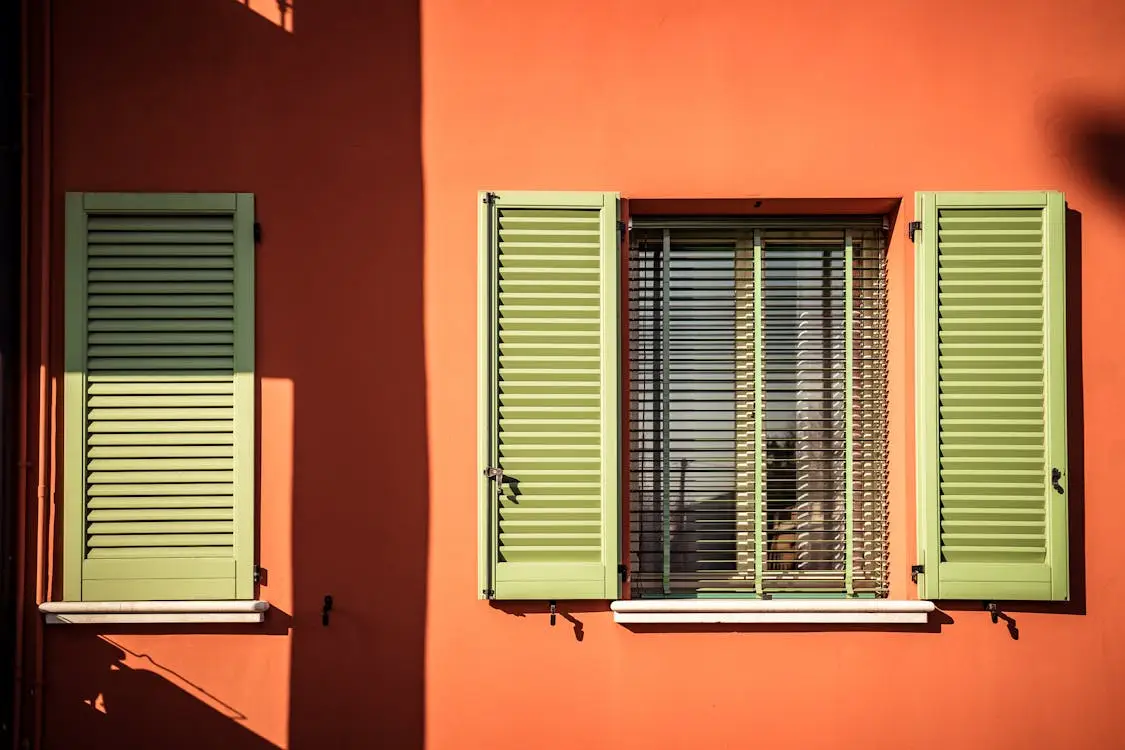
Color trends for window frames and surrounding treatments are moving toward warmth. Stark white is still common, but many homeowners are choosing softer tones that feel more connected to flooring, furniture, and wall color.
Key directions include:
- Warm whites, cream, and oatmeal
- Taupe, mushroom, and soft grey
- Muted green, clay, and brown
- Textured fabrics instead of flat surfaces
Designers 2026 window trends suggest that homeowners are stepping away from cold minimalism. The new look is still clean, but it has more texture, warmth, and depth.
What These Window Treatment Trends Say About Consumer Behavior
The market story is practical. Homeowners are not only asking what looks good. They are asking what helps with utility costs, comfort, privacy, and long-term value.
Rising household expenses have made small upgrades more attractive. Smart shades, cellular shades, solar fabrics, and layered treatments all fit that mindset because they offer visible improvement without the cost of a full renovation.
Window and door industry trends also show a growing preference for products that do more than one job. A shade that reduces glare, improves privacy, and fits a modern room has more perceived value than a purely decorative treatment.
The Future of Window Treatments in Modern Homes
The future of window treatments is being shaped by comfort, efficiency, flexibility, and smarter living. The latest window treatment trends are not driven by aesthetics alone. They are connected to how homeowners manage energy use, protect interiors, support privacy, and make daily spaces easier to live in.
For modern homes, window coverings are becoming a functional part of home performance. The strongest choices in 2026 will be the ones that look clean, work reliably, and solve real household problems.
FAQ
What are the biggest window treatment trends for 2026?
The biggest trends include smart shades, layered window treatments, cellular shades, solar shades, natural textures, warm neutrals, and slim-profile designs.
Are Smart Window Shades Worth It?
Smart shades can be worth it for tall windows, strong sun exposure, privacy scheduling, or homes already using smart technology.
What Window Coverings Are Best for Energy Efficiency?
Cellular shades are strong for insulation, while solar shades help reduce glare and heat from direct sun. Layered treatments can also improve comfort.
Are Layered Window Treatments Still in Style?
Yes. Layered treatments remain popular because they offer privacy, softness, insulation, and more flexible control over changing daylight.
What Colors Are Trending for Window Treatments in 2026?
Warm neutrals, taupes, muted greens, soft greys, clay tones, and textured natural fabrics are among the strongest color and material trends for 2026.