Top 10 Lawn Care Trends Dominating UK
Most UK lawns have been getting by on a prayer, a hosepipe ban, and whatever fertiliser happened to be on offer at the garden centre. It was a perfectly reasonable approach, right up until it wasn’t.
Lawn care in the UK has had a bit of a revolution, and your garden deserves to know about it.
From gadgets that water your grass while you sleep to ground covers that eliminate the need for mowing altogether, there’s a lot happening. Here’s a look at the trends shaping UK lawns this year, and how you can get ahead of the curve.
Electric Lawn Care Equipment
Before anything else, what you’re cutting with matters more than you might think. Petrol mowers are on their way out, and not just for environmental reasons.
Electric and battery-powered lawn care equipment has genuinely caught up on performance, and in many cases, surpassed it.
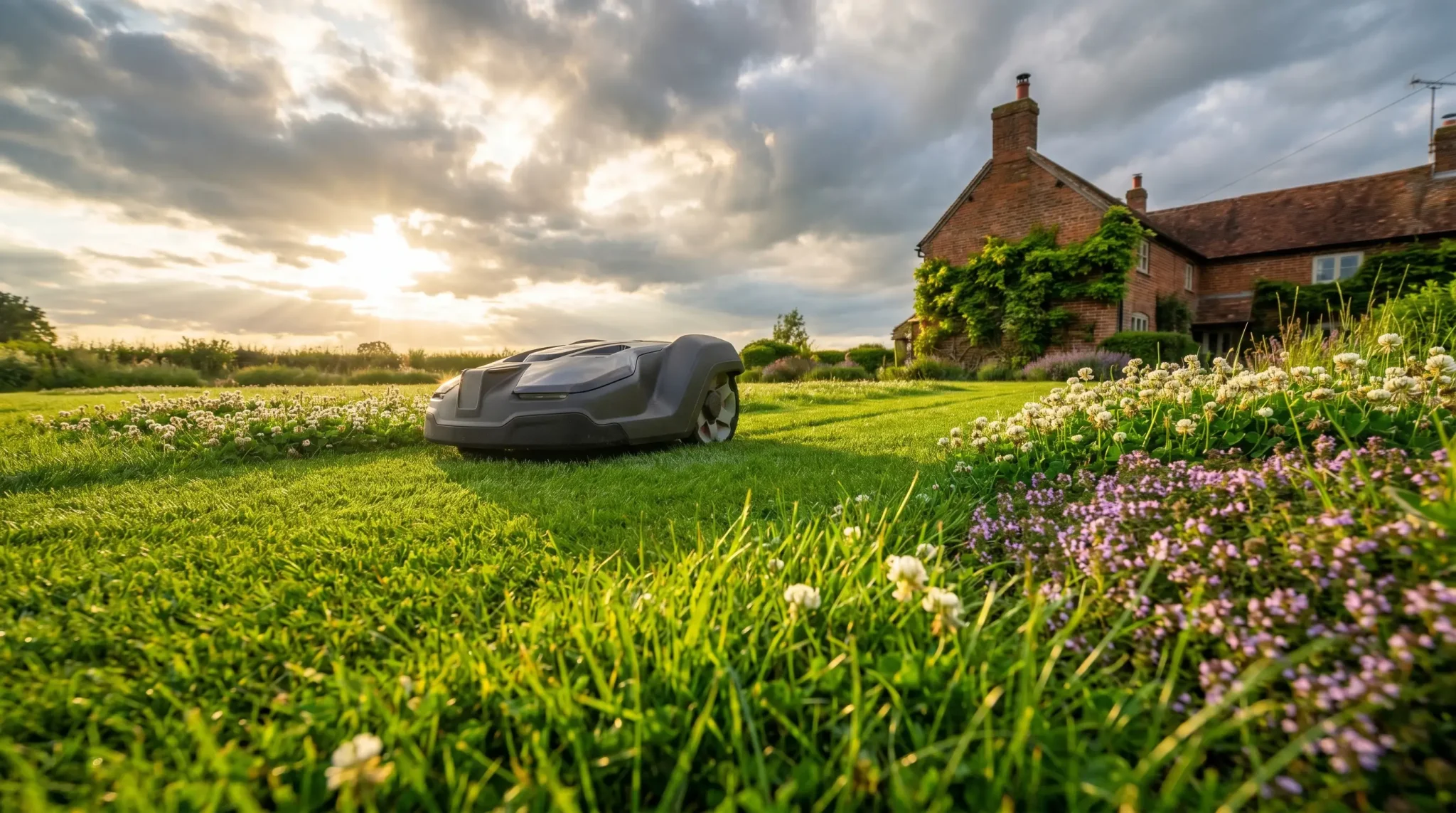
Cordless mowers now handle thick grass without breaking a sweat. And robotic mowers have become affordable enough that they’re no longer just a novelty for tech enthusiasts with too much disposable income.
The quieter operation is a bonus too, because your neighbours will be grateful that you didn’t fire up a petrol engine at eight on a Saturday morning.
If you’re upgrading your setup this year, electric is where the smart money is going.
Smart Irrigation Systems
Once your equipment is sorted, the next thing to think about is water. In the UK, smart irrigation systems are genuinely changing how lawns stay healthy through dry spells.
These systems connect to weather forecasts and soil sensors, watering only when conditions actually call for it. No more drowning your lawn after a day of drizzle, and no more watching it brown out because you forgot to turn the sprinkler on.
They’re easy to control from your phone, too, and the water savings over a season add up considerably. For a lawn that stays green without constant attention, this is one of the best investments you can make.
Sustainable Lawn Care Products
It’s worth taking a closer look at what you’re actually feeding your lawn. Synthetic fertilisers and harsh chemical treatments are being replaced by organic alternatives, and the results speak for themselves.
Slow-release organic feeds improve soil structure over time rather than giving a quick green flush that fades fast. Biological weed and pest controls are also gaining ground, treating problems without wiping out the bees, beetles, and earthworms that keep your soil healthy.
This shift isn’t just about being eco-conscious. Healthier soil means a more resilient lawn that recovers more quickly from dry summers and cold winters.
Lawn Alternatives
A growing number of UK gardeners are swapping out traditional turf for low-maintenance alternatives, and honestly, it’s hard to argue with the logic.
Clover lawns are making a serious comeback. They stay green in drought, require no fertilising, fix nitrogen naturally, and pollinators absolutely love them.
Moss gardens work beautifully in shadier spots where grass never really thrived anyway. Creeping thyme and chamomile lawns look lovely, smell wonderful underfoot, and need mowing a handful of times per year at most.
None of this means you have to rip up everything and start again, though. Even replacing a third of your lawn with mixed ground cover can dramatically reduce the time and money you spend maintaining it.
Lawn Care Automation
Automation helps you maintain your outdoor space without adding to your weekly chores. Beyond robotic mowers, which handle the cutting, the category has expanded considerably.
Automated scarifiers and aerators are now available for home use, tackling the tasks most people put off because they’re exhausting to do manually.
There are smart soil monitoring systems now that track pH, moisture, and nutrient levels, sending alerts when something needs attention.
Some setups can be integrated directly with irrigation controllers and fertiliser dispensers, allowing the system to handle the lawn’s basic needs automatically.
If the weekend feels too short for garden maintenance, that’s rather the point of all of this.
Soil Health and Microbiome Awareness
There’s been a notable shift in UK lawn care towards understanding what’s happening beneath the surface. This shift is changing how people approach their whole outdoor routine.
Compacted, nutrient-depleted soil is the reason most lawn treatments give inconsistent results. Aerating regularly, top-dressing with compost, and introducing mycorrhizal fungi inoculants help rebuild the microbial ecosystem that makes grass genuinely thrive.
Think of it as building a foundation. You can apply the best products on the market, but if the soil underneath is struggling, you’ll always be working harder than necessary.
Year-Round Lawn Planning
Seasonal lawn care has always been a thing, but planning across all four seasons is increasingly how UK gardeners are approaching it.
Overseeding in autumn gives grass the best chance to establish before winter. Scarifying before growth picks up in spring removes the thatch buildup that blocks water and nutrients.
Summer is for feeding and watering strategically, while winter is largely about leaving the lawn alone and resisting the urge to walk across frozen grass.
When you map it out like this, the workload spreads evenly across the year and the lawn stays in consistently good shape without any last-minute panic.
Professional Lawn Care Services
Even the most enthusiastic gardener runs into problems that resist DIY solutions. Persistent moss, severe compaction, drainage issues, or patchy bare areas that won’t fill in are all situations where professional help makes a real difference.
Residential lawn care services in the UK have become much more sophisticated in recent years. They now offer soil testing, bespoke treatment programmes, and seasonal maintenance plans rather than just a one-off cut and feed.
If your lawn has a problem you’ve been battling for a while, getting a professional assessment is often the most cost-effective route forward.
There’s no shame in knowing when a problem needs more than what’s in your garden shed.
Conclusion
And there you have it: a full picture of where lawn care in the UK is heading in 2026. Whether you tweak one thing or rethink your entire outdoor routine, your lawn is going to look considerably better for it. Now, go out there and give these methods a try.